

Reviewed by Dr Vikas Kunnure , 13th July 2026
Introduction and Background
Minoxidil is a widely used FDA-approved medication for hair loss treatment that helps promote hair regrowth by improving blood flow around hair follicles and changing the hair growth cycle. It is most commonly used for androgenic alopecia, also called hereditary hair loss or genetic pattern thinning, and it can be used by both men and women when it is clinically appropriate.
Dr Vikas Kunnure explains how minoxidil works, its mechanism of action in hair loss, its main uses, common side effects, expected treatment duration, and the available formulations, including minoxidil topical solution, foam, and oral tablets. It is written for patients with early-stage hair loss who are considering non-surgical hair loss treatments and want practical knowledge before starting treatment. For advanced baldness, wide scalp involvement, or long-standing follicle loss, minoxidil may be helpful for maintenance but surgical options such as hair transplant procedures may be more suitable.
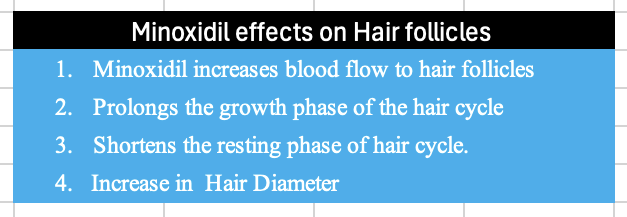
In simple terms, minoxidil is a vasodilator medicine that was first developed to treat high blood pressure and later became established as a hair regrowth treatment. Minoxidil increases blood flow to hair follicles, prolongs the growth phase of hair follicles, shortens the resting phase, and can promote hair growth when used consistently. Minoxidil works on Hair Cycle and promotes the hair follicles to enter into Anagen phase or growth phase of the Hair Cycle by shortening the telogen phase.
By the end of this you will understand ;
-
How minoxidil changes the growth cycles of hair follicles to combat hair loss
-
Why consistent use of minoxidil is essential for effectiveness in treating hair loss
-
Which formulations are available and how 2% and 5% strengths differ
-
What side effects to watch for, including itching, dizziness, unwanted hair growth, and palpitations
-
How long minoxidil usually takes to show visible results and when to consider other types of treatment
Understanding Minoxidil Fundamentals
Minoxidil is a vasodilator medication originally developed in the 1970s as a treatment for high blood pressure. In the past tense, clinicians noticed that some patients who used the drug for high blood pressure developed increased hair growth, which led to the discovery and later utilization of minoxidil as a medicine for hair loss.
Today, minoxidil primarily treats genetic hair thinning and loss. It is effective for androgen-dependent pattern hair loss, especially when follicles are miniaturised but still active. Minoxidil does not provide a permanent cure for hair loss; rather, minoxidil works as long as it is consistently used, and stopping leads to hair loss returning gradually over the following months.
Molecular Structure and Properties
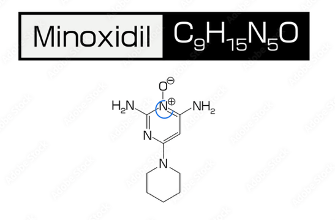
Minoxidil is a piperidino-pyrimidine derivative, specifically 2,6-diamino-4-piperidinopyrimidine-1-oxide, with the chemical formula C₉H₁₅N₅O. In medical language, the word “minoxidil” is a noun, while “apply,” “use,” and “treat” are verbs that describe the act of treatment. This distinction matters less than the practical function of the substance: it has the property and power to open potassium channels and influence blood vessel tone.
Minoxidil Chemical Structure
Minoxidil is converted to its active form, minoxidil sulfate. This conversion depends partly on sulfotransferase enzymes in the scalp and hair follicles. A person with higher follicular sulfotransferase activity may respond better to topical minoxidil than a person with low activity, which helps explain why results vary between patients.
Minoxidil is a potassium channel opener that promotes hair growth. By opening ATP-sensitive potassium channels, minoxidil affects vascular smooth muscle and follicular activity. This ability is central to both its original use as a drug to treat high blood pressure and its later good use as a medication to promote hair regrowth.
Mechanism of Action in Hair Growth
Minoxidil increases blood flow to hair follicles. This improved circulation delivers more oxygen, nutrients, and growth-supporting signals to follicles in the scalp. Better blood supply does not create new follicles on land where follicles are permanently absent, but it can help weakened follicles produce thicker hair when those follicles are still alive.
Minoxidil prolongs the growth phase of hair follicles. The active growth phase is called anagen, and extending anagen gives hair shafts more time to grow in length and diameter. This is one reason patients may notice improved density, better coverage, and new hair growth after several months of treatment.
Minoxidil shortens the resting phase of hair follicles, known as telogen. When follicles are pushed out of telogen and into anagen, old resting hairs may shed before stronger regrowth begins. Initial hair shedding during the first weeks of minoxidil use is normal and often reflects a change in follicle cycling rather than treatment failure.
Effect of all of these actions of Minoxidil is to increase the diameter and quality of hair follicles.
Cellular Effects on Hair Follicles
At cellular level, minoxidil stimulates growth factors like VEGF and IGF-1. VEGF, or vascular endothelial growth factor, supports blood vessel formation and follicular nourishment, while IGF-1 is associated with follicle activity and hair shaft production. These effects help explain how minoxidil can promote hair growth beyond simple vasodilation.
Minoxidil also acts on dermal papilla cells, matrix cells, and secondary hair germ cells. These structures help regulate the hair cycle and influence whether follicles produce fine miniaturised hair or stronger terminal hair. In the right patient, minoxidil may improve hair shaft diameter and partly counter follicle miniaturisation.
The practical result is that minoxidil can help some follicles regrow thicker hair, but it cannot revive follicles that are permanently scarred or absent. Understanding this mechanism is important before choosing a particular service, spending money on treatment, or deciding whether medical treatment alone is likely to achieve the desired cosmetic outcome.
Clinical Applications and Treatment Indications
Because minoxidil changes blood flow, growth-factor signalling, and follicle cycling, its main clinical use is pattern hair loss. Minoxidil promotes hair growth in both men and women, but the appropriate formulation, dose, and monitoring differ according to sex, age, diagnosis, scalp condition, medical history, and treatment goals.
Male Pattern Baldness Treatment
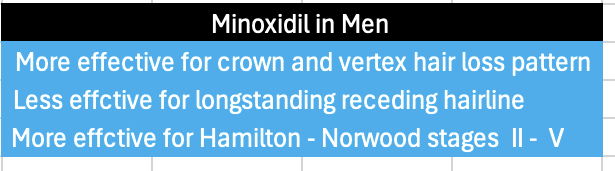
Minoxidil is commonly used for male androgenic alopecia, especially thinning at the vertex and crown. It is most beneficial in earlier Hamilton-Norwood stages II-V, where hair follicles are miniaturising but still present. It is usually less effective for a long-standing receding frontal hairline than for crown thinning.
Clinical outcomes vary. Some men achieve visible hair regrowth, some achieve stabilisation, and some show limited response. One reported figure is that 39% of men experienced moderate to dense hair growth with minoxidil. Other studies have shown broader improvement rates, but the key practical message is that minoxidil is more reliable for slowing loss and improving density than for completely restoring advanced baldness.
Visible results from minoxidil typically emerge after 3 to 6 months of consistent use. Minoxidil requires 2 to 4 months to show initial hair growth benefits, while maximal effectiveness of minoxidil occurs after 12 months of use. This timeline makes patience and maintenance essential parts of treatment.
Female Pattern Hair Loss Applications
Women with female pattern hair loss may use topical minoxidil in appropriate strengths. Topical minoxidil comes in 2% and 5% concentrations, and minoxidil foam is typically formulated at a 5% concentration. In many protocols, women use 2% solution twice daily or 5% foam once daily, depending on tolerability, clinical advice, and the pattern of thinning.
The Ludwig scale is commonly used to describe female pattern thinning, especially diffuse hair reduction over the central scalp with preservation of the frontal hairline. Minoxidil can be beneficial when hair follicles remain active and the goal is to improve density, reduce shedding, and maintain existing hair.
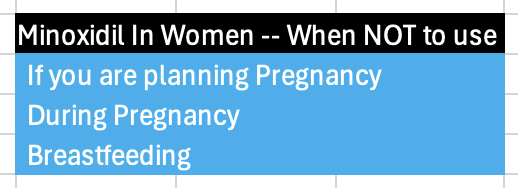
Safety is particularly important for women of childbearing age. Minoxidil is contraindicated for pregnant or breastfeeding women. Women planning pregnancy, currently pregnant, or breastfeeding should seek medical advice before using any minoxidil solution, foam, oral tablet, or sublingual preparation.
Off-Label Uses and Emerging Applications
Minoxidil is also used off-label for conditions like alopecia areata. In that setting, it is usually not the main immune-directed treatment; instead, it may be employed as an adjunct to therapies such as corticosteroids when a clinician thinks it may support regrowth.
Minoxidil may also be considered in telogen effluvium, where many follicles enter the resting phase after illness, stress, nutritional deficiency, childbirth, medication changes, or other triggers. By shortening telogen and encouraging anagen entry, minoxidil may help recovery in selected patients, although identifying and treating the trigger remains essential.
Low-dose oral minoxidil is an emerging off-label option for diffuse hair thinning. Oral minoxidil is available in 2.5 mg and 10 mg tablets, originally as a prescription medicine for high blood pressure, while low-dose regimens for hair loss use much smaller prescribed doses under medical supervision. Sublingual minoxidil may improve tolerability compared to oral forms, but it is still a specialist approach and should not be consumed or used without appropriate medical guidance.
Oral Minoxidil can also be used in certain conditions such as traction alopecia, persistent chemotherapy induced alopecia, and endocrine therapy induced alopecia*
Oral Minoxidil is also used in lichen planopilaris, frontal fibrosing alopecia, central centrifugal alopecia and fibrosing alopecia in patterned distribution. *

Treatment Protocols and Clinical Implementation
Treatment choice depends on the diagnosis, the person’s scalp condition, medical history, lifestyle, and tolerance for application routines. The main available forms are topical solution, foam, and oral tablets. Minoxidil is available as topical solution, foam, and oral tablets, but not every form is suitable for every patient.
Application Methods and Dosing
Topical treatment is usually the first practical option for hereditary hair loss because it acts mainly on the scalp and has low systemic absorption. Oral treatment may be considered when topical treatment is not tolerated, adherence is poor, or a clinician believes systemic therapy is appropriate.
-
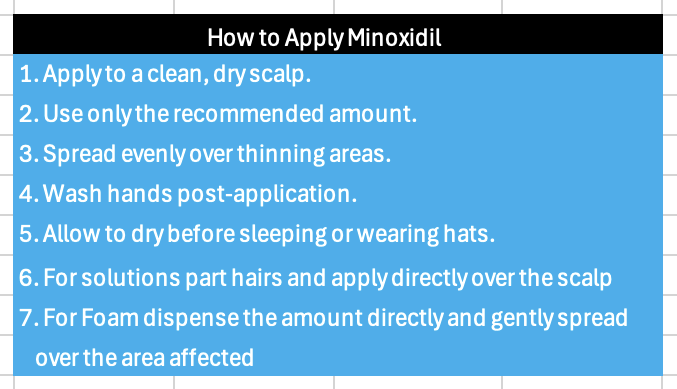
Prepare the scalp. Apply minoxidil to a clean, dry scalp. Minoxidil should be avoided for those with broken or sunburned scalps because damaged skin may increase irritation and absorption. Do not apply it over infection, severe inflammation, or unexplained scalp disease without assessment.
-
Apply the correct formulation. For minoxidil topical solution, the usual method is to part the hair and place the measured topical solution directly onto thinning areas. For foam, dispense the recommended amount and spread it lightly over the affected scalp. Wash hands afterwards to avoid unwanted hair growth on the face or body.
-
Follow timing and frequency guidance. Many men use 5% minoxidil solution twice daily. Women may use 2% solution twice daily or 5% foam once daily, depending on advice and suitability. Oral or sublingual forms require a prescription and should be taken only in the manner directed by a medical professional.
-
Monitor progress and side effects. Baseline photographs are useful before starting, then repeat photographs every 1 to 3 months in the same lighting. Early shedding can occur in the first weeks. Initial improvement may begin after 2 to 4 months, more visible results usually appear after 3 to 6 months, and the best assessment is often at 12 months.
How to apply Minoxidil
Formulation Comparison and Selection
|
Criterion |
2% topical solution |
5% topical solution |
5% foam |
Oral or sublingual minoxidil |
|---|---|---|---|---|
|
Main use |
Often used in women or sensitive scalps |
Common in men with androgenetic alopecia |
Common when solution irritates the scalp |
Off-label hair loss treatment under prescription |
|
Concentration or form |
2% minoxidil solution |
5% minoxidil solution |
5% foam |
Oral minoxidil tablets are available as 2.5 mg and 10 mg tablets; low-dose use differs from high blood pressure dosing |
|
Application ease |
Can leave residue; twice-daily use often needed |
Stronger but may irritate more |
Dries faster and usually contains less irritating vehicle |
Convenient once-daily or specialist dosing, but systemic monitoring is needed |
|
Side effect profile |
Itching, dryness, local irritation |
More local irritation risk than 2% for some patients |
Less propylene glycol-related irritation |
Dizziness, lightheadedness, rapid heartbeat, palpitations, fluid retention, ankle swelling, and increased facial or body hair |
|
Availability |
Widely available over the counter in many settings |
Widely available over the counter in many settings |
Widely available over the counter in many settings |
Prescription medication; off-label for hair loss |
The best formulation is the one that balances effectiveness, safety, and adherence. A foam may be preferable for a patient with itching from propylene glycol in a topical solution. Oral or sublingual treatment may be practical for a person who cannot maintain twice-daily scalp application, but it should be chosen with due regard for contraindications and safety factors, as certain conditions may warrant caution or avoidance of minoxidil use, especially cardiovascular disease, fluid retention, renal problems, or low baseline blood pressure.
In the UK and similar regulated settings, topical preparations are commonly available without prescription, while oral minoxidil remains a prescription drug. The law and clinical standards around prescribing exist to protect patients because systemic minoxidil has effects beyond the scalp.
Common Challenges and Solutions
Minoxidil can be a beneficial hair loss treatment, but side effects, unrealistic expectations, and inconsistent practice often reduce results. Most problems can be managed by choosing the right formulation, using it in the correct manner, and reviewing progress before assuming the treatment has failed.
Scalp Irritation and Contact Dermatitis
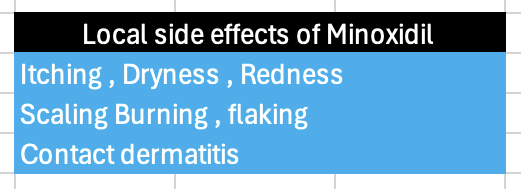
Topical minoxidil can cause irritation at the treated area. Common symptoms include itching, dryness, redness, scaling, burning, or flaking. This is often related to the vehicle in the topical solution, especially propylene glycol, rather than to the active medication itself.
Solutions include switching from solution to foam, reducing frequency temporarily under guidance, applying only to fully dry skin, and avoiding use on broken or sunburned scalp. Patch testing may be useful for patients with sensitive skin or a history of dermatitis. If irritation is severe, persistent, or associated with swelling or infection, treatment should be paused and medical advice should be sought.
Systemic Side Effects
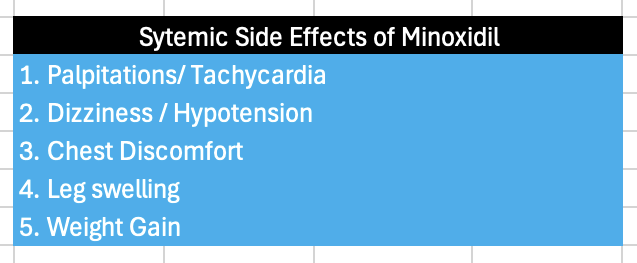
Systemic side effects are uncommon with correctly used topical treatment but become more relevant with oral minoxidil. Common side effects include dizziness and lightheadedness, especially when blood pressure drops. Minoxidil can lead to rapid heartbeat and palpitations, and fluid retention may cause weight gain and ankle swelling.
Minoxidil may also cause increased facial and body hair growth. This unwanted hair growth is dose-related and more common with systemic treatment, although it can happen if topical treatment spreads onto the face or is transferred by hands or pillows. Washing hands after application and applying carefully to the scalp can reduce this risk.
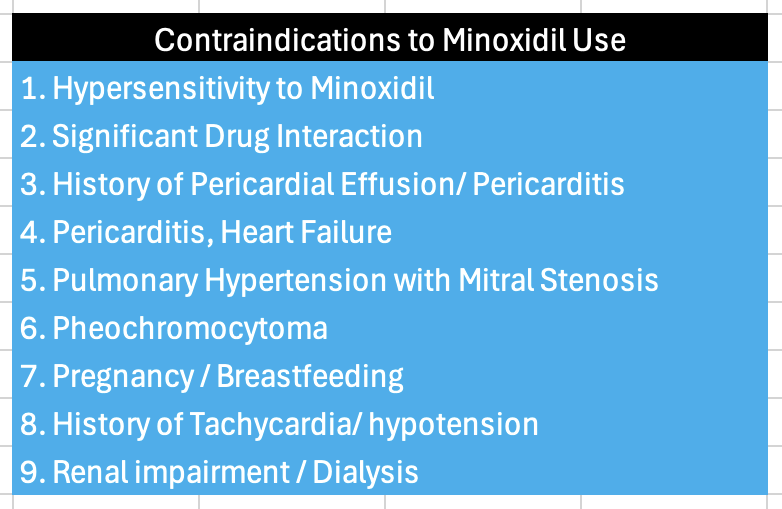
Minoxidil may not be suitable for individuals with certain heart conditions. Certain conditions may warrant caution or avoidance of minoxidil use, including unstable cardiovascular disease, a history of significant fluid retention, very low blood pressure, kidney disease, or medication interactions. Anyone considering oral or sublingual minoxidil should have blood pressure, pulse, medical history, and risk factors reviewed before starting.
Local side effects of Minoxidil
Systemic side effects of Minoxidil
Contraindications to Minoxidil Use
Treatment Compliance
Minoxidil works as long as it is consistently used; stopping leads to hair loss. Consistent use of minoxidil is essential for effectiveness in treating hair loss because the follicles rely on ongoing stimulation to maintain the improved growth cycle. If treatment stops, regrowth and maintenance benefits usually decline over several months.
The most common adherence problems are twice-daily application, residue in the hair, interference with styling, delayed visible benefits, and worry during initial shedding. Practical solutions include using foam for faster drying, linking application to a daily routine, taking monthly photographs, and setting a realistic review date rather than checking the scalp every day.
Patients should also understand that minoxidil is not profitable in the sense of producing instant cosmetic “profit”; the return comes from steady maintenance and gradual improvement. The exercise is one of consistency, not occasional use. Used well, it can be a valuable service to oneself, but used irregularly, it is unlikely to achieve its full benefits.
Conclusion and Next Steps
Minoxidil is a first-line medical treatment for androgenetic alopecia and other selected forms of hair loss. It promotes hair growth by increasing blood flow to hair follicles, opening potassium channels, converting to active minoxidil sulfate, stimulating growth factors such as VEGF and IGF-1, prolonging anagen, and shortening telogen. It can promote hair regrowth in both men and women, but it requires ongoing use and does not permanently cure hair loss.
If you are considering minoxidil, the next steps are:
-
Confirm the diagnosis. Pattern hair loss, telogen effluvium, alopecia areata, scarring alopecia, thyroid disease, iron deficiency, and medication-related shedding require different management.
-
Choose the right formulation. Consider 2% topical solution, 5% topical solution, 5% foam, or prescription oral options depending on suitability.
-
Take baseline photographs. This makes progress easier to judge at 3, 6, and 12 months.
-
Use treatment consistently. Expect possible early shedding, initial benefits after 2 to 4 months, visible results after 3 to 6 months, and maximal effectiveness after 12 months.
-
Review side effects promptly. Seek advice for dizziness, lightheadedness, palpitations, ankle swelling, rapid heartbeat, severe itching, or unwanted facial and body hair growth.
For advanced hair loss, minoxidil may help preserve existing follicles but may not provide enough coverage alone. In those cases, combination therapy, finasteride for suitable men, anti-androgen treatment for selected women, platelet-rich plasma, micro needling, or hair transplant procedures may be discussed.
Use of Minoxidil with other Hair loss medications
Minoxidil can be used in combination with finasteride in a solution form to spray or can be either taken separately or with oral Finasteride. In some cases a single tablet with combination of the two is also an option.
Strict monitoring is required due to potential side effects of minoxidil and finasteride and a detailed medical history and an assessment by the Surgeon is strongly recommended.
Minoxidil Can be combined with other treatments including PRP, LLLT ( Low level laser therapy) and along with nutritional supplements.
Additional Resources
Clinical studies support minoxidil as a useful hair loss treatment, particularly for androgenetic alopecia. Evidence shows that minoxidil can improve density, stabilise shedding, and support new hair growth when follicles remain active. However, response differs between patients, and monitoring is important.
Helpful tracking tools include:
-
Monthly scalp photographs in identical lighting
-
A treatment diary for missed doses, shedding, itching, or dizziness
-
Blood pressure and pulse checks when oral minoxidil is prescribed
-
A 6-month and 12-month review to assess regrowth, maintenance, and side effects
Combination approaches may be appropriate when minoxidil alone is insufficient. Finasteride may be used with minoxidil in suitable men, while hormonal therapies may be considered for selected women. Hair transplant procedures may be appropriate when follicle loss is advanced and medical treatment cannot create enough coverage.
For clarity, related words and synonyms used in this area include “hair loss,” “alopecia,” “regrowth,” “thinning,” “follicles,” “scalp,” and “hair growth treatment.” Dr Kunnure further advises that the patients should not avail oneself of prescription drugs for a particular purpose without medical supervision, especially where the medication affects blood pressure, blood vessels, heart rate, skin, and the wider body.
Frequently Asked Questions
FAQ
-
Does Minoxidil cause low blood pressure ?
Minoxidil was first used for lowering them blood pressure and one of its many side effects was hair growth. There are mainly three types available , Solution , Foam and Tablet form. It is the tablet form which can cause drop in the blood pressure. The doses used for hair loss are quite low and is very unlikely to cause a drop in blood pressure although it cant be ruled out entirely. Solution and Foam are not known to cause drop in Blood Pressure.
-
Is minoxidil safe during Pregnancy ?
Minoxidil is NOT safe for use during Pre-conception, Pregnancy and breastfeeding.
-
Is minoxidil 10 percent available ?
Minoxidil 10 percent is an unlicensed medication. It can be used for hair loss although we would recommend using only once daily.
-
What is dose of Topical Minoxidil ?
We would recommend using 7 sprays ( 1 ml each time ) twice daily except 10 percent which is once daily.
-
What is the minimum dose of oral Minoxidil?
It is recommended to start on the lowest possible dose of Minoxidil and then gradually increase if required and subject to a good tolerance of the dose and drug. For females patients between age group 12-17 start at 0.625 md and then gradually take it up tp 2.5 mg with strict monitoring. In men the lowest dose could be 1.25 mg daily and gradually increased if needed to 2.5 mg with monitoring under medical supervision*




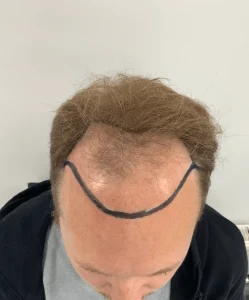 Before the surgery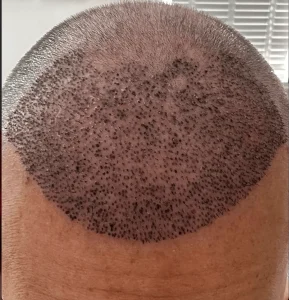
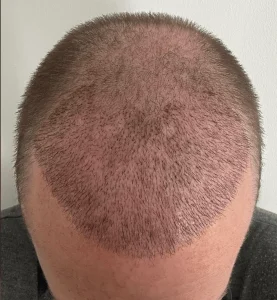
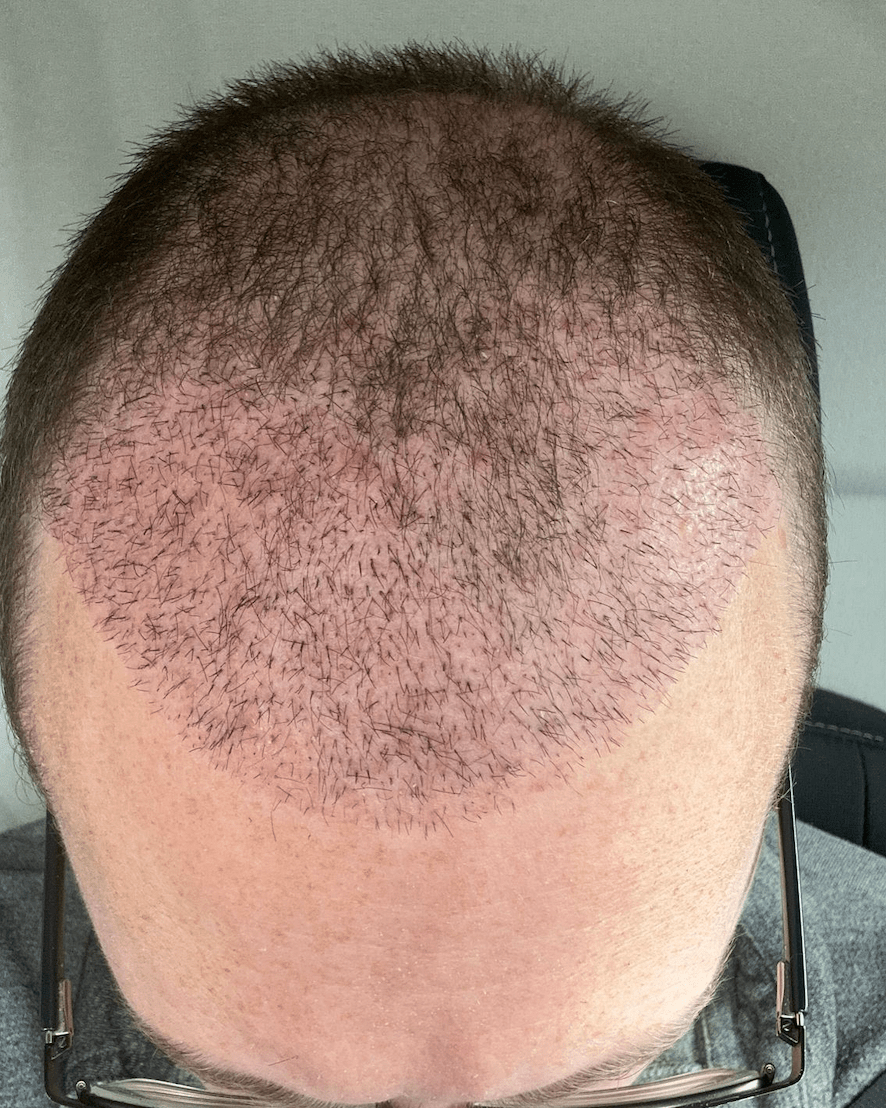 6 weeks after Surgery
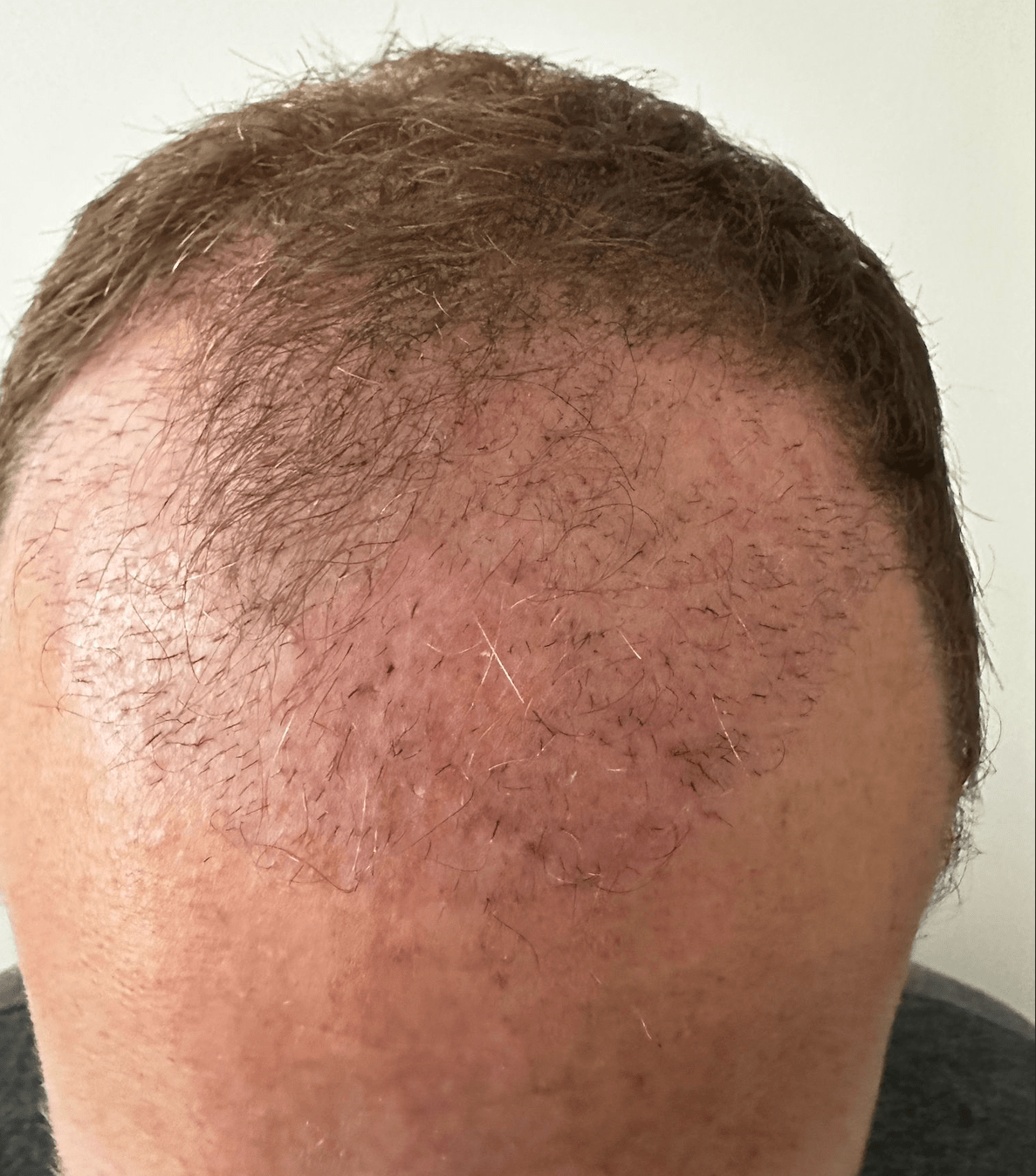 3 months after Surgery
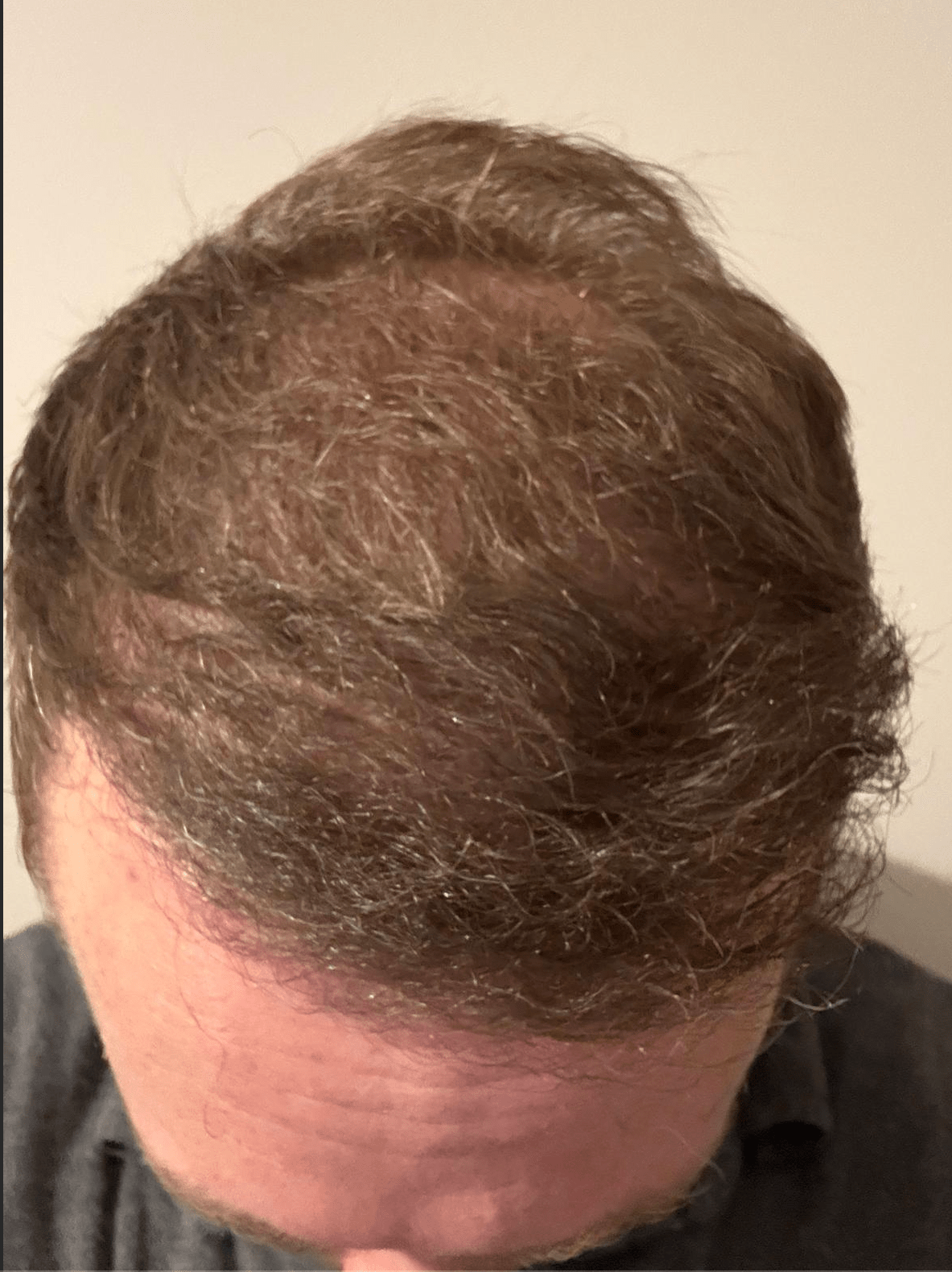 10 months after Surgery
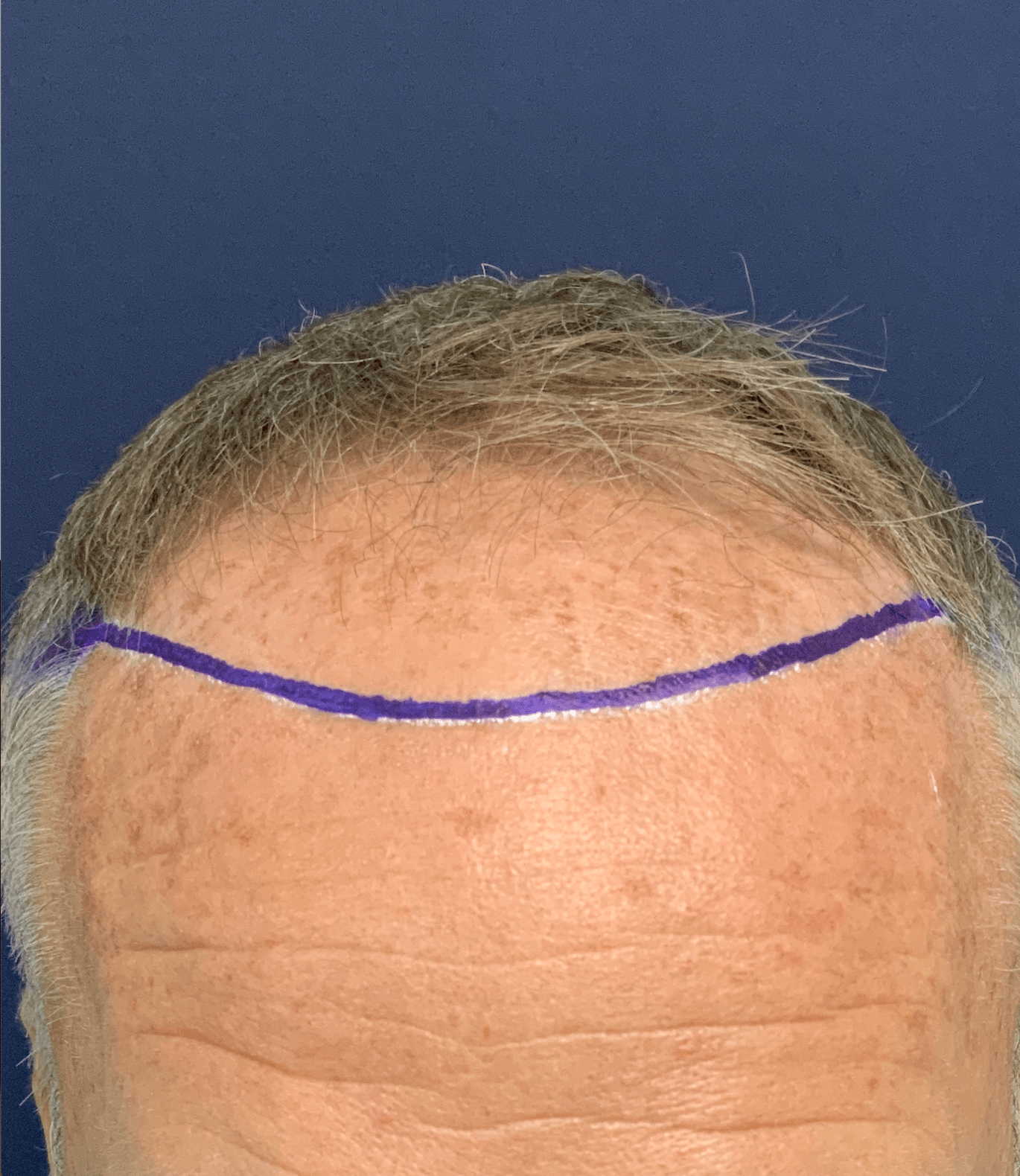 Before the surgery
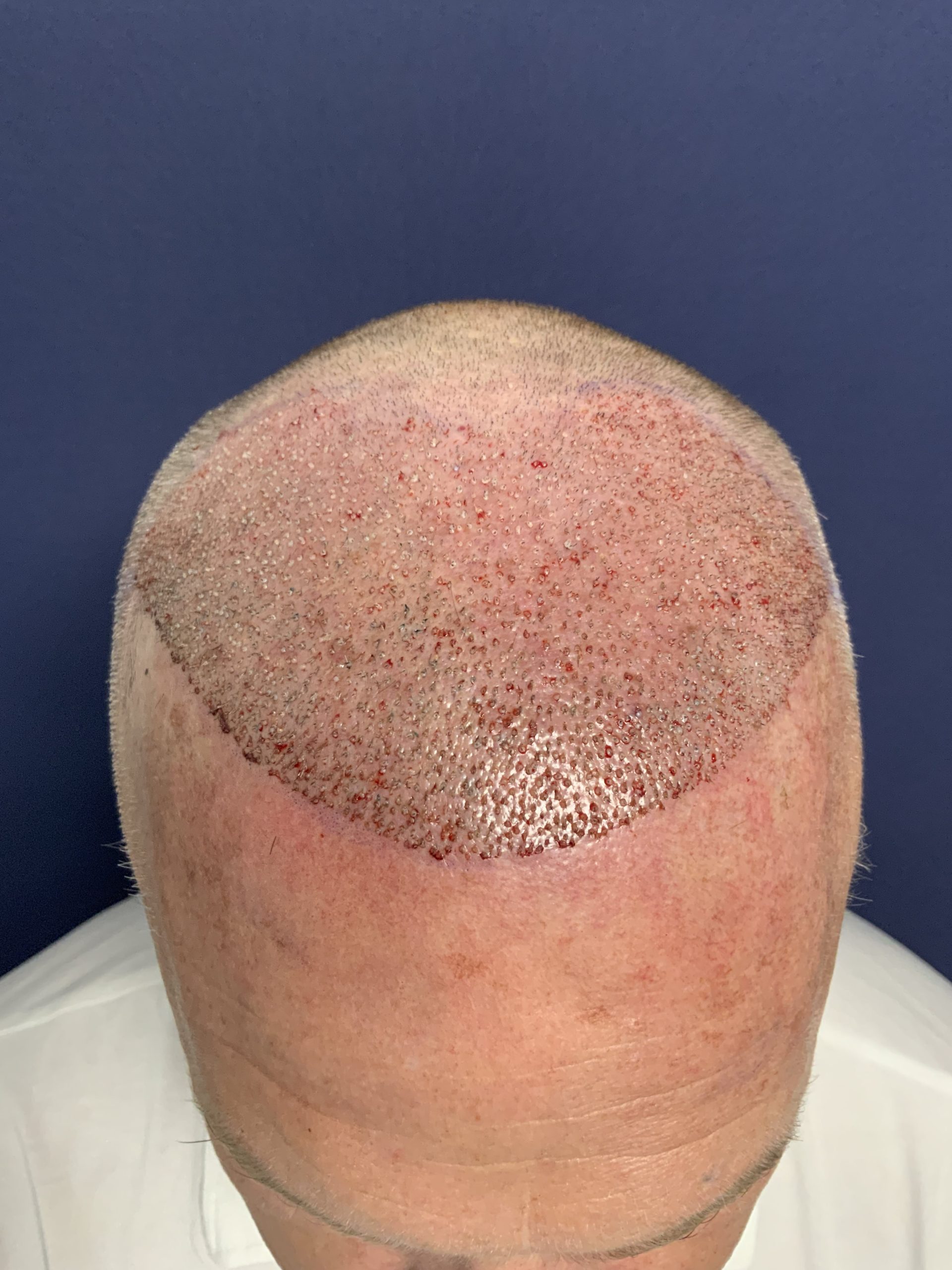 Day of the Surgery
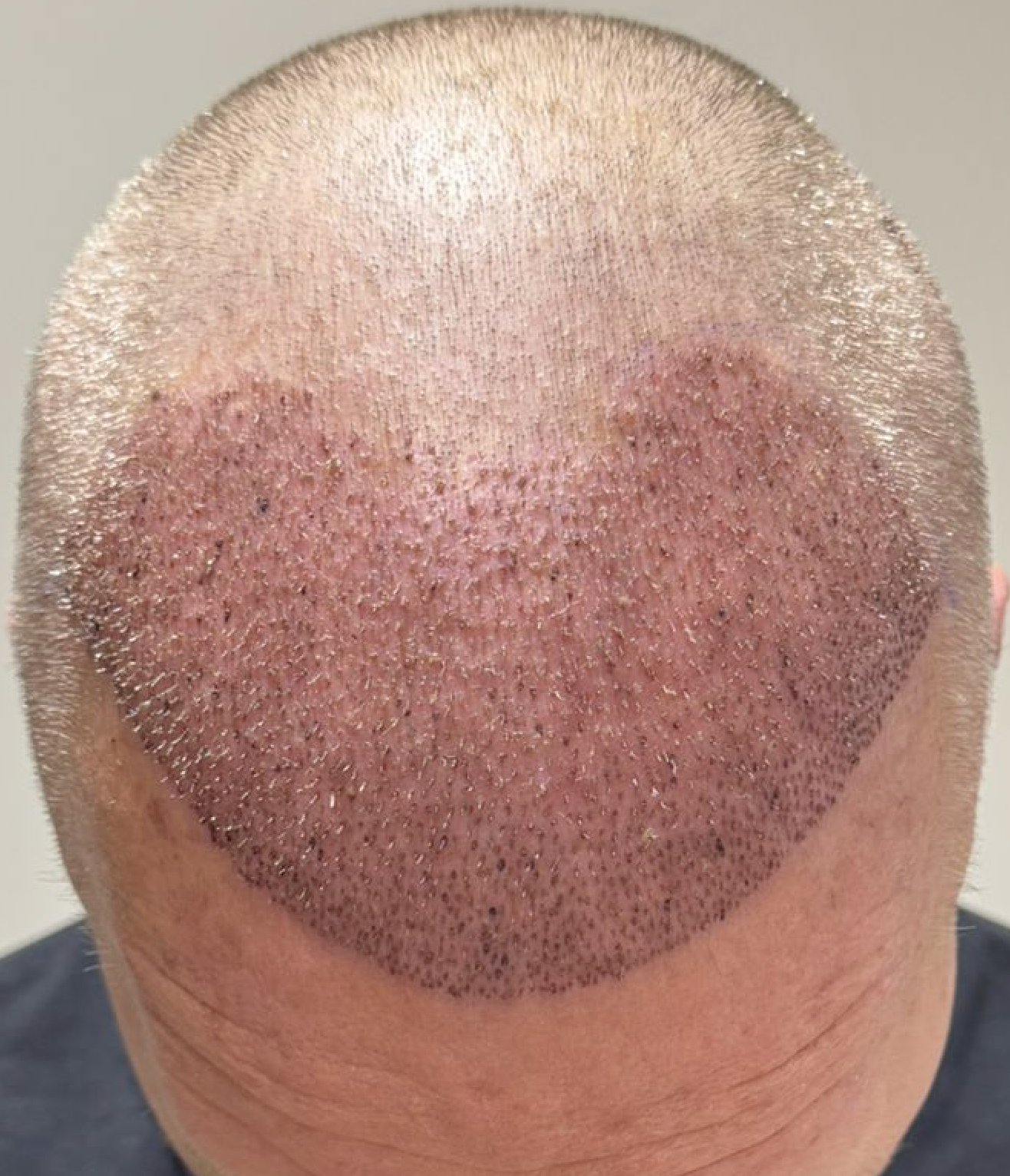 7 days After the Surgery
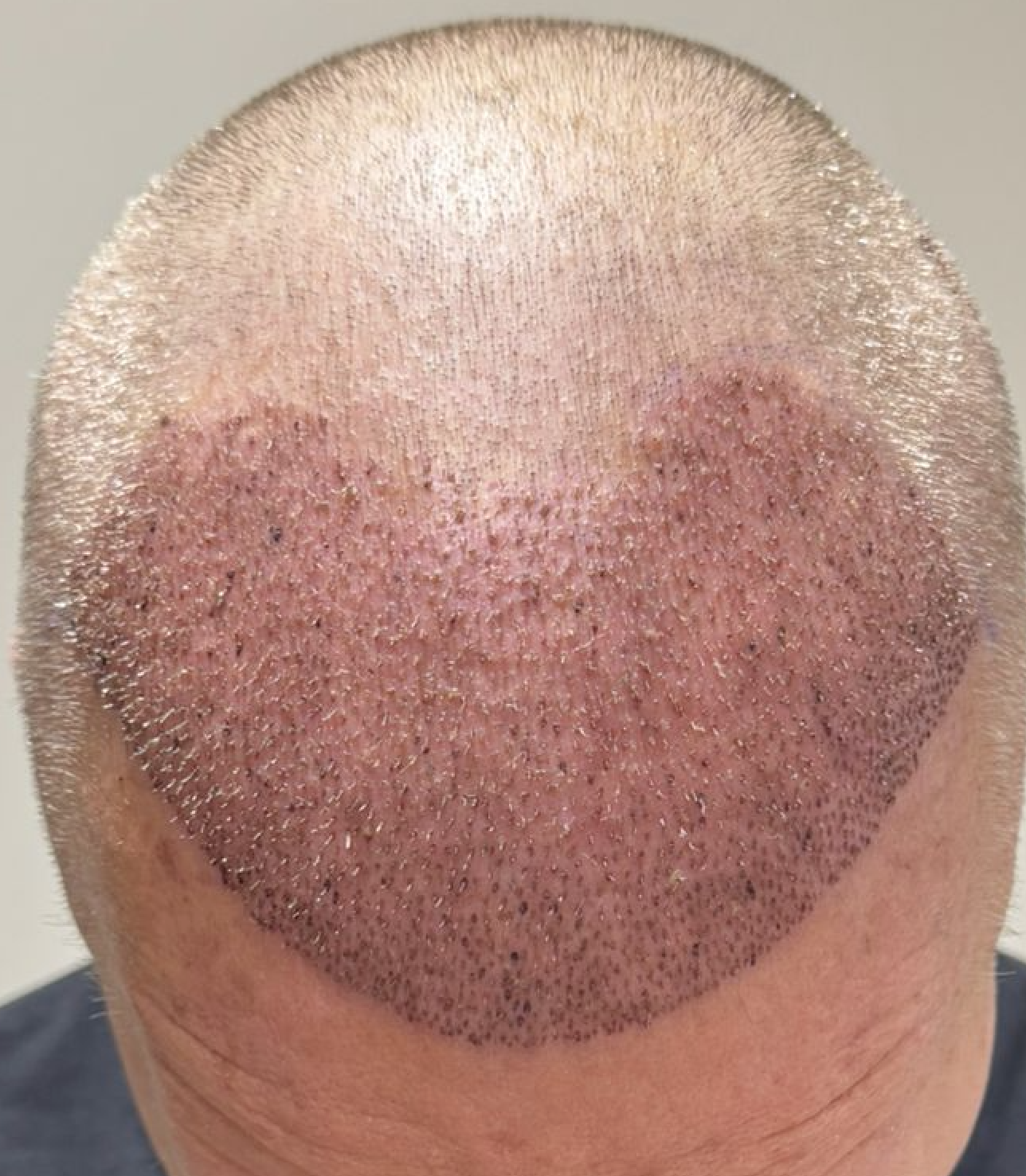 10 days After the Surgery
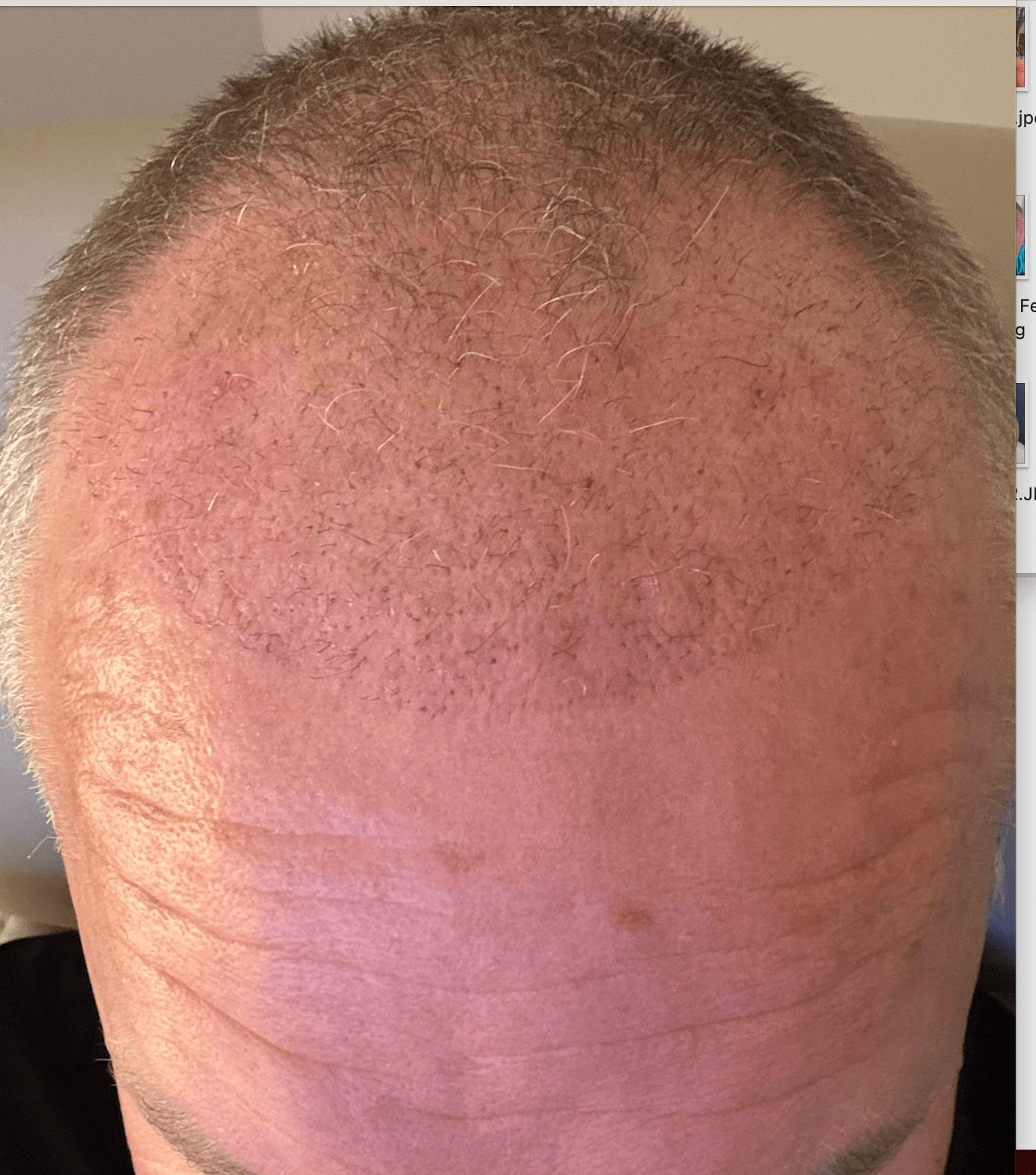 30 days After the Surgery
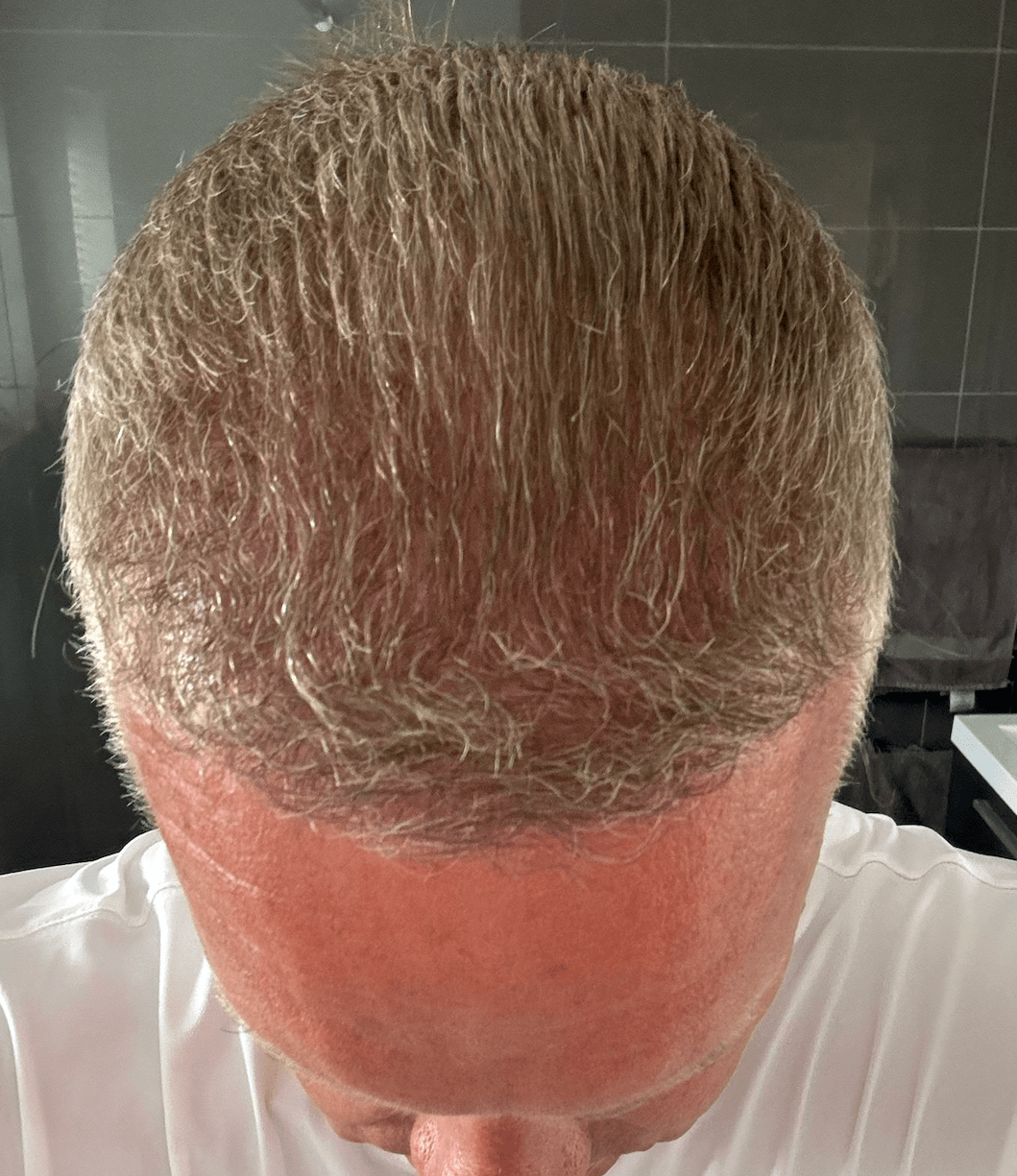 After 12 months
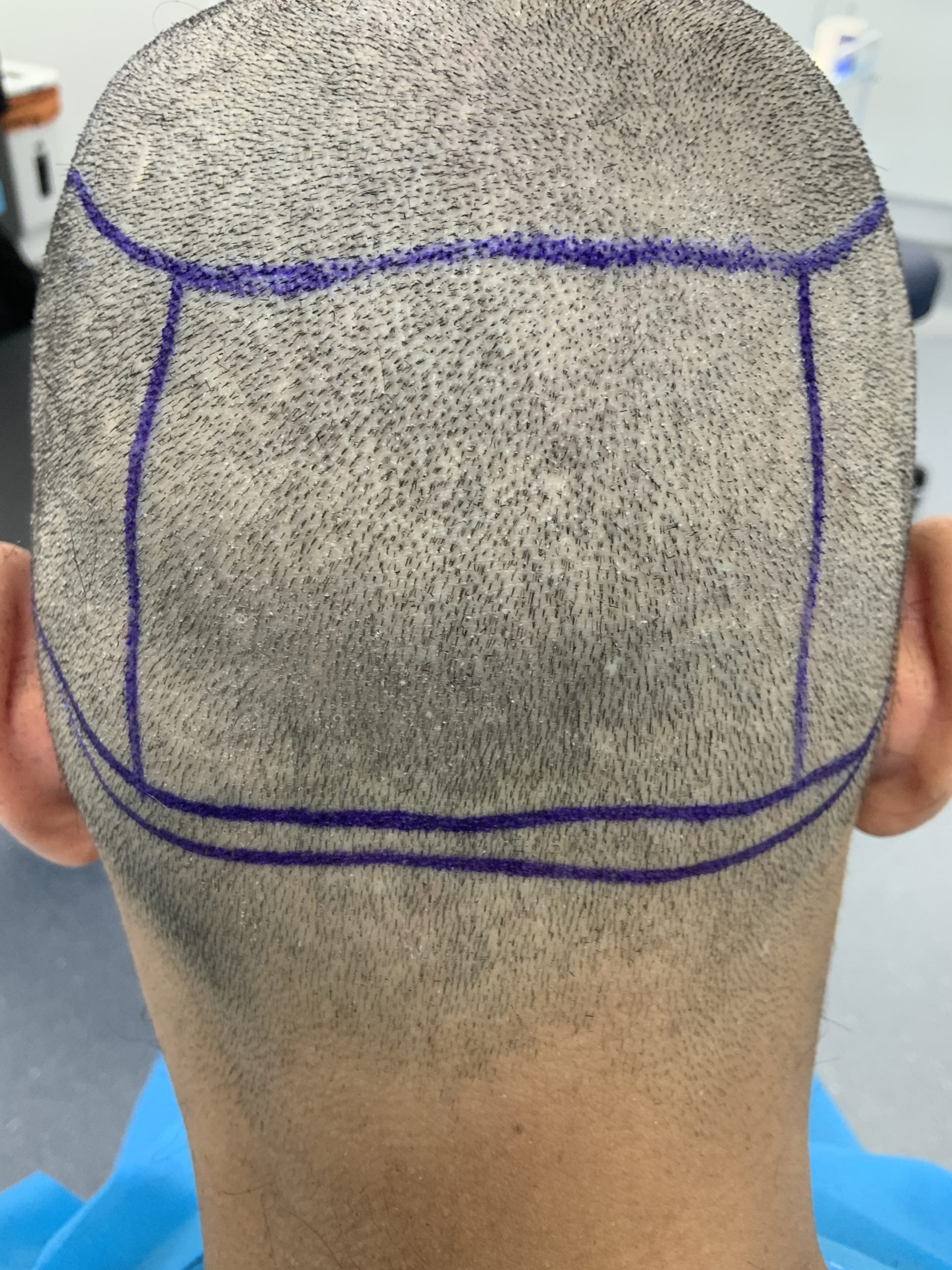 Before the surgery
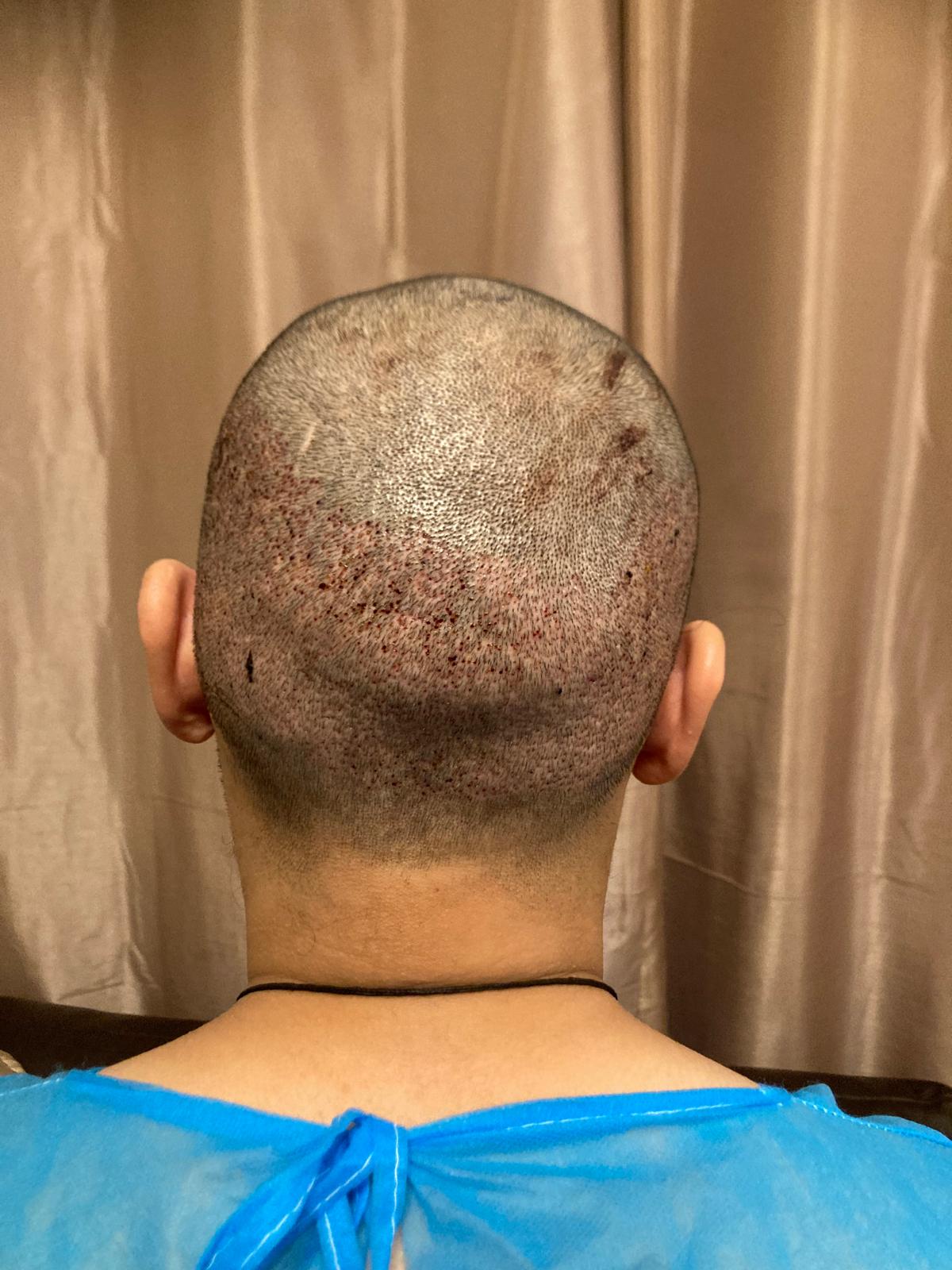 After 2 Days of Surgery
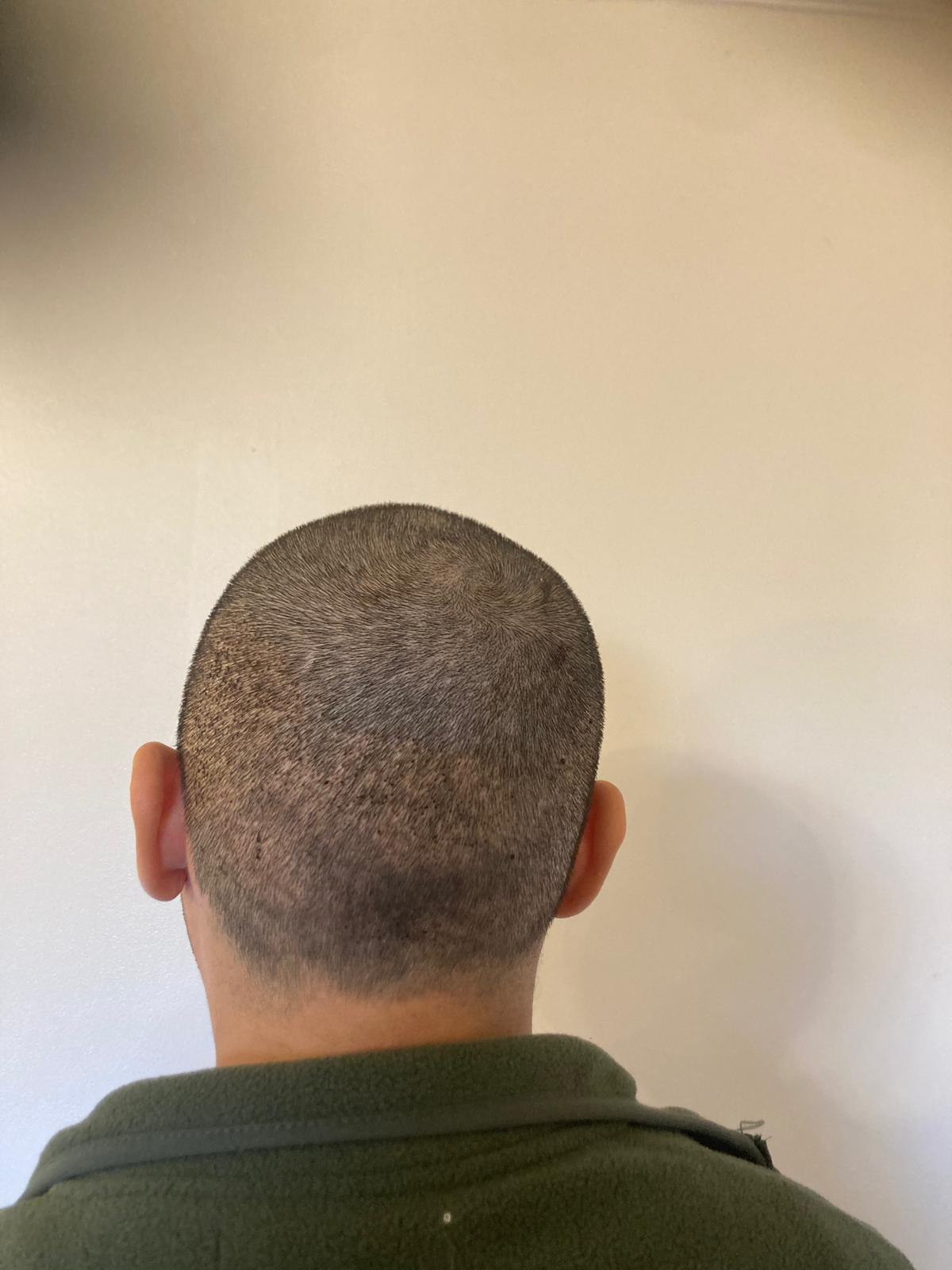 After 4 Days of Surgery
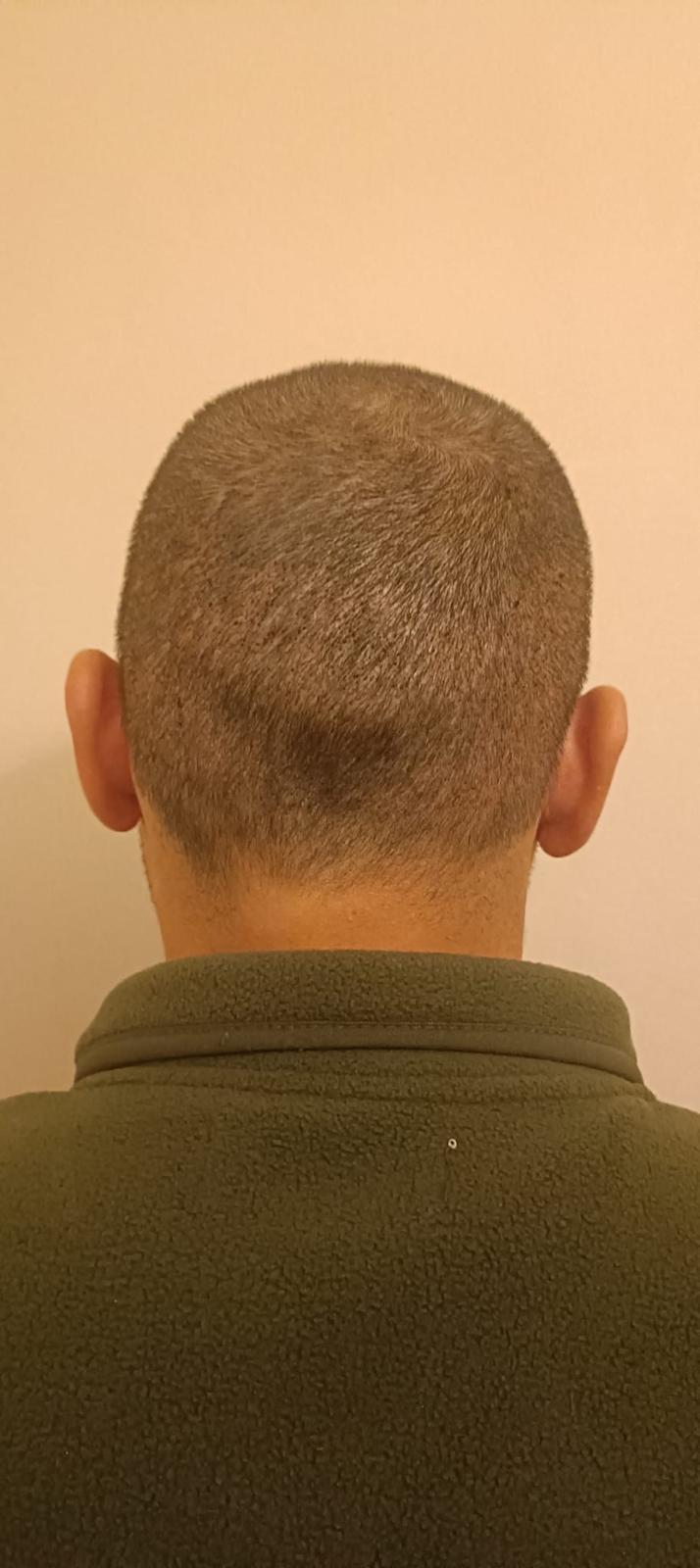 After 8 Days of Surgery
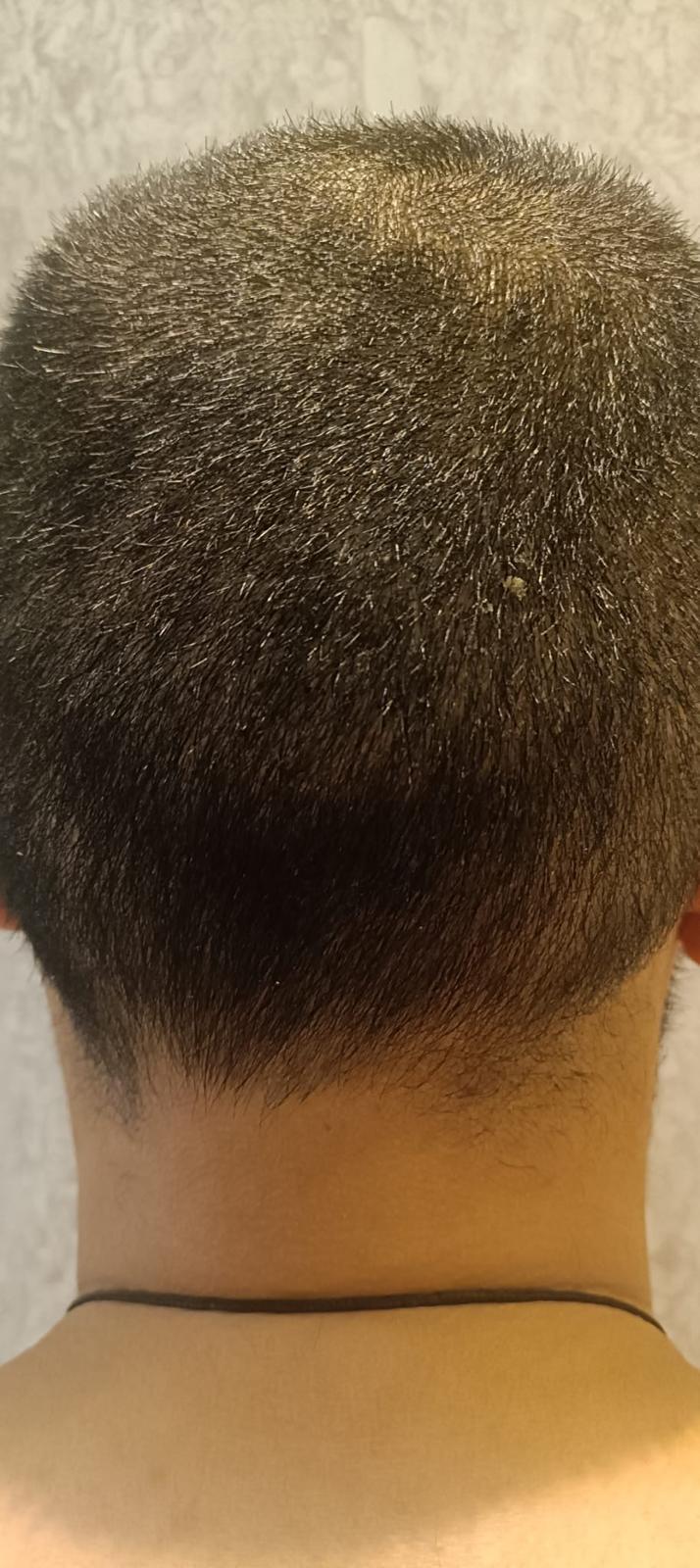 After 28 Days of Surgery
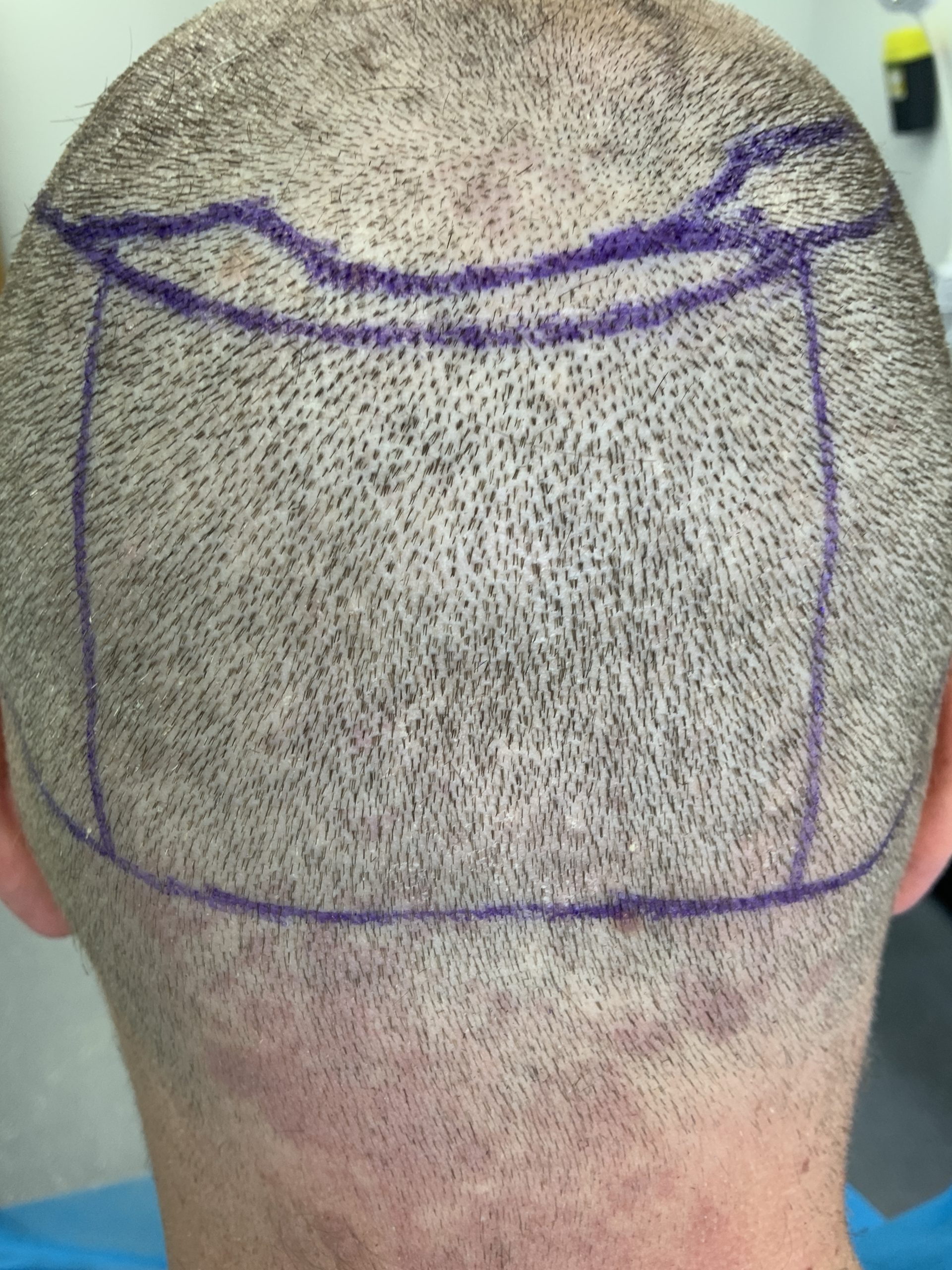 Before the surgery
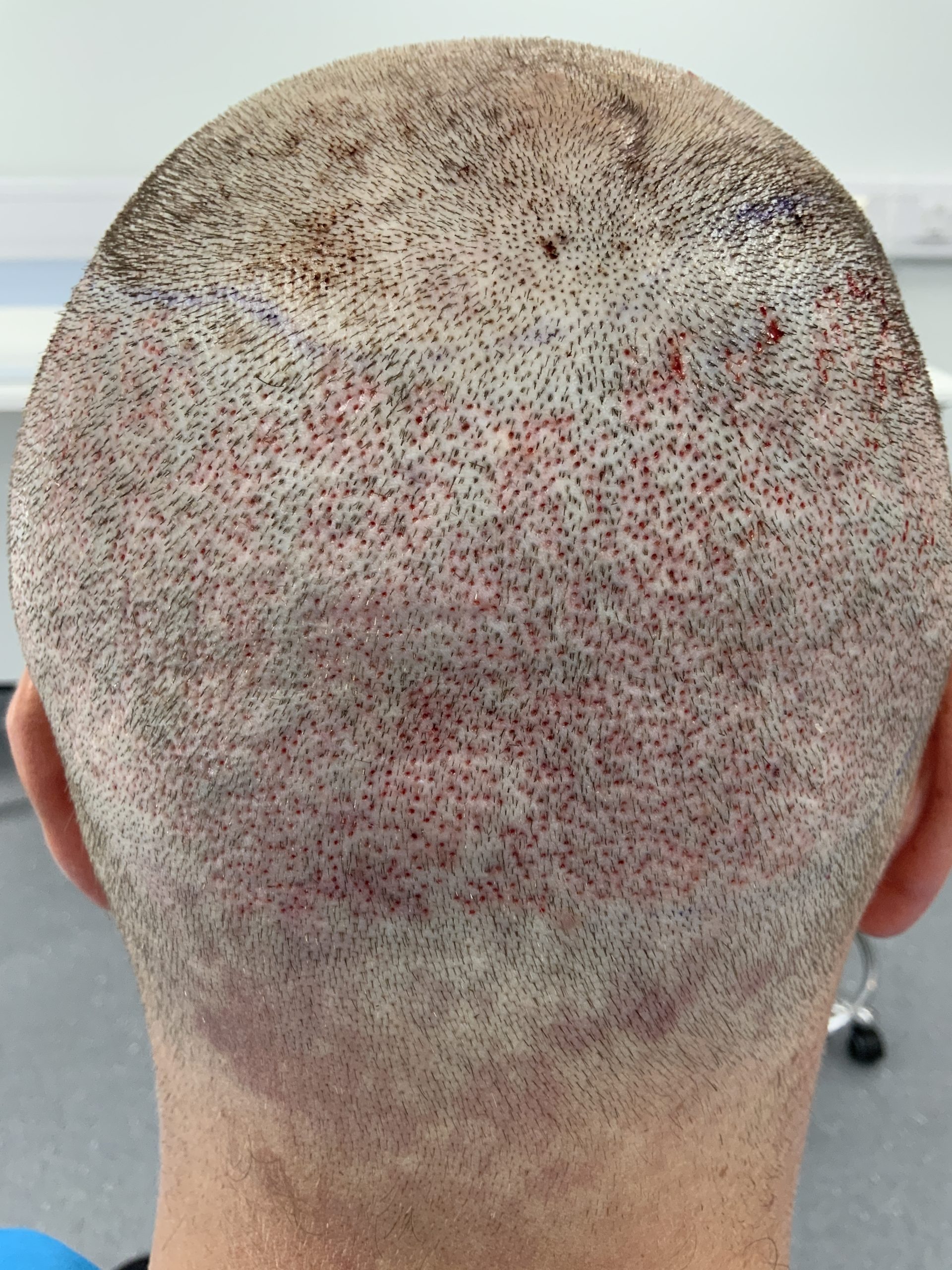 Day of the surgery 1
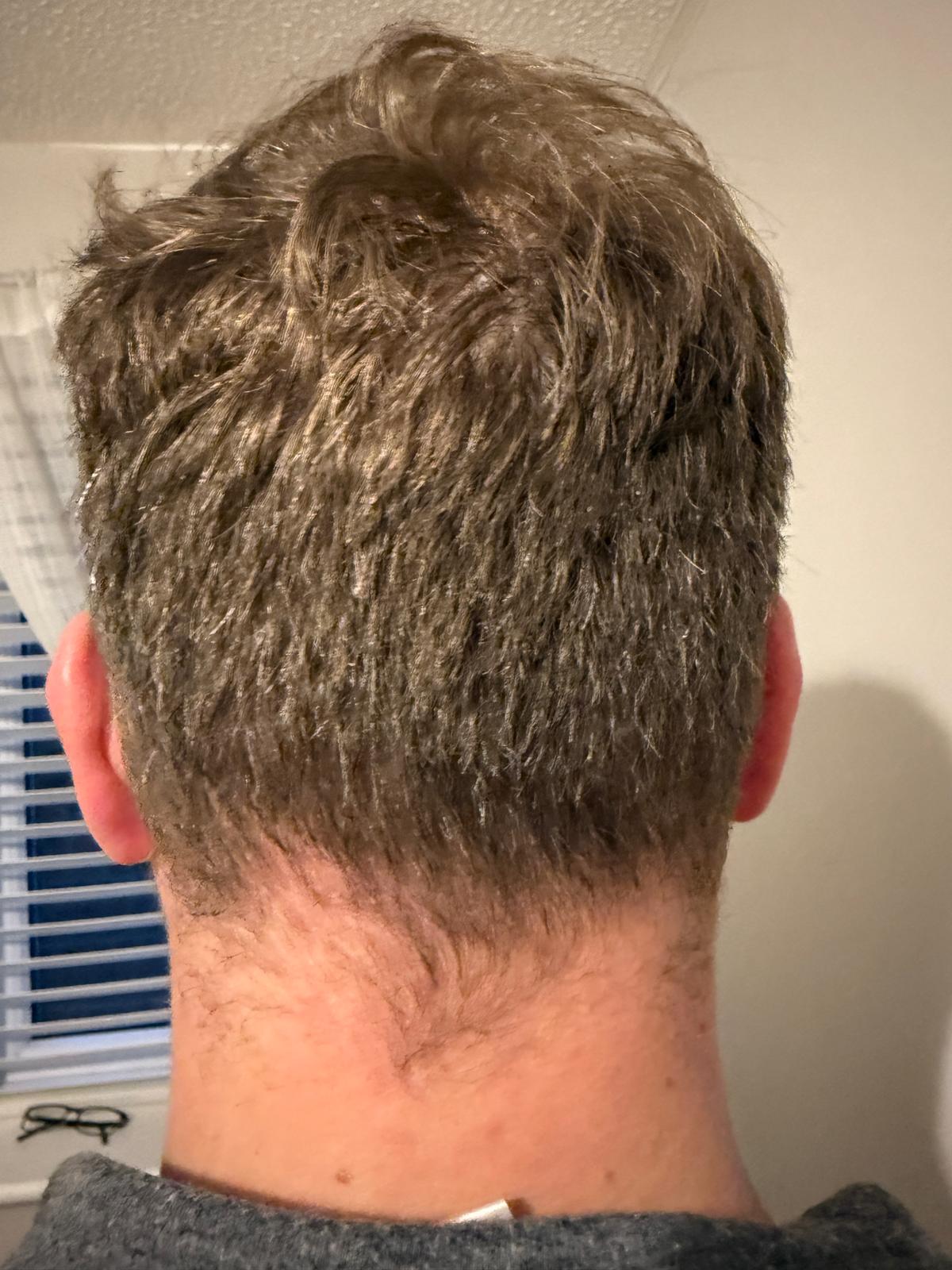 12 Months after the surgery
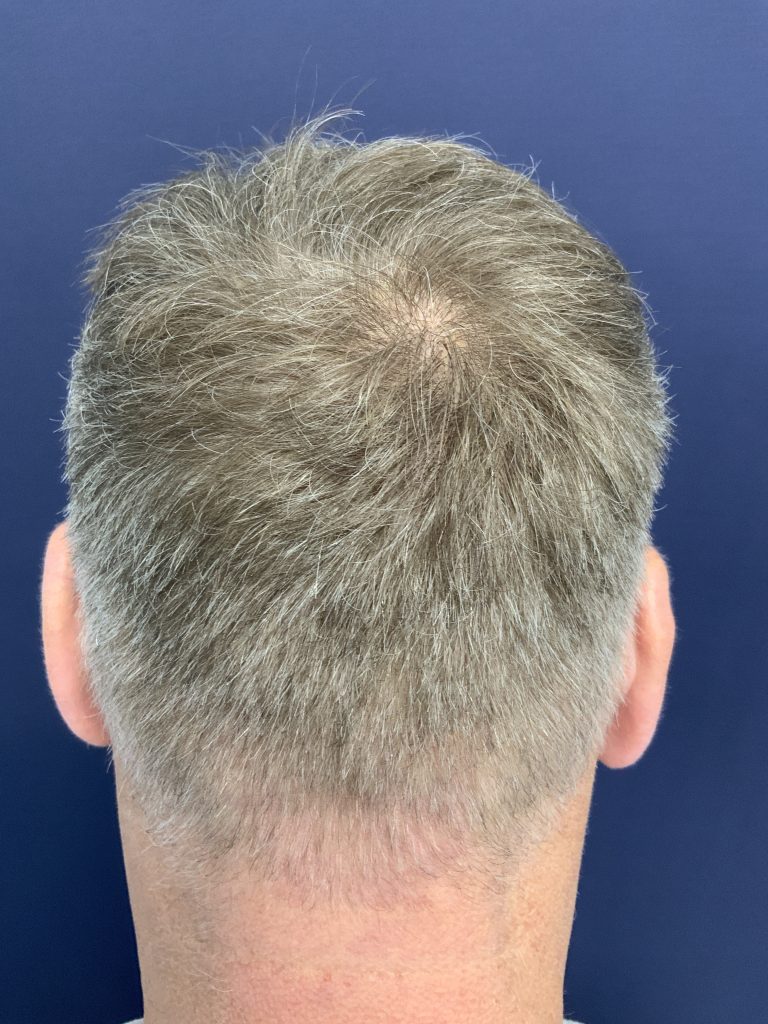 Before Donor
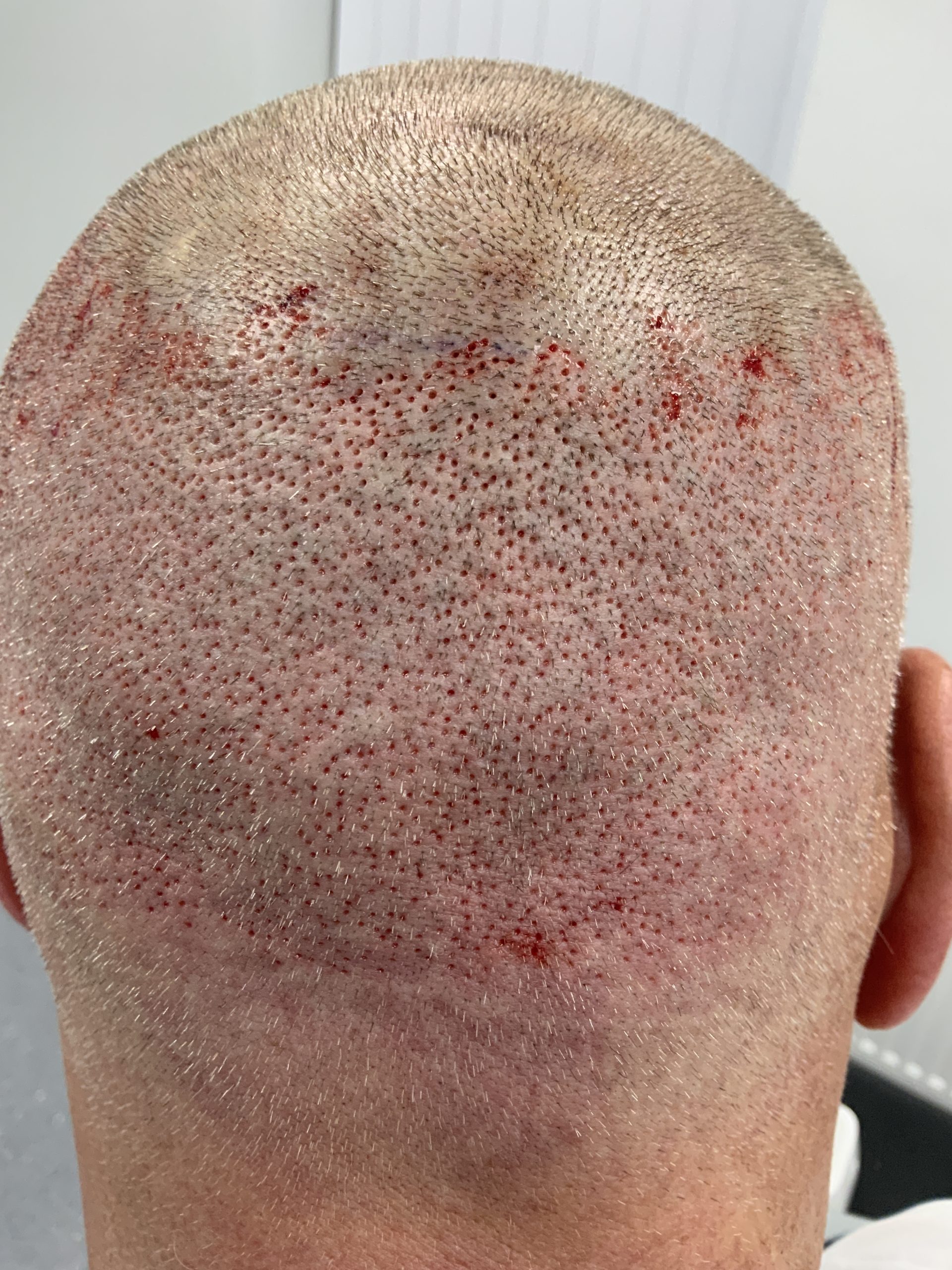 Day 1
Day 1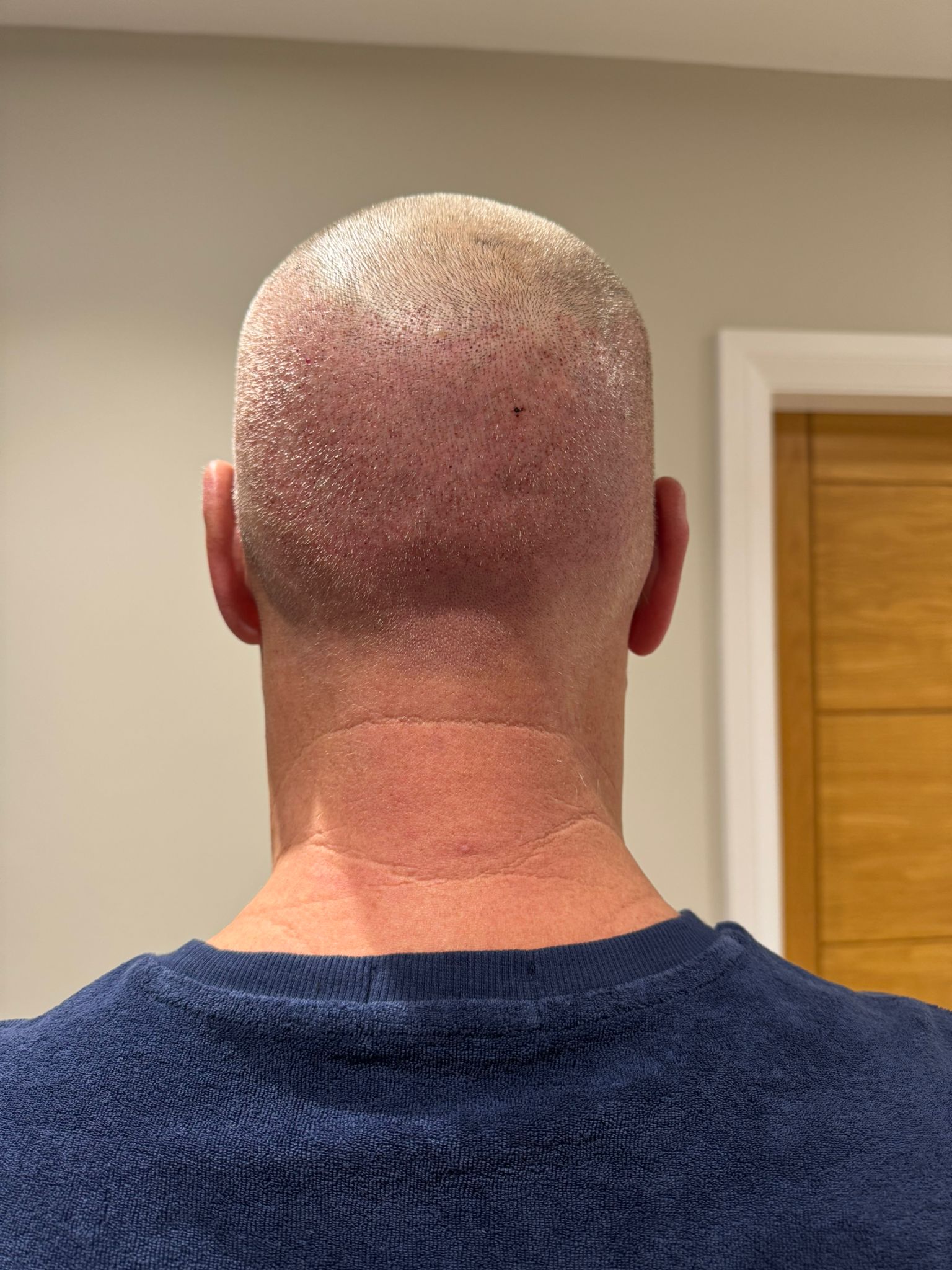 Day 7
Day 7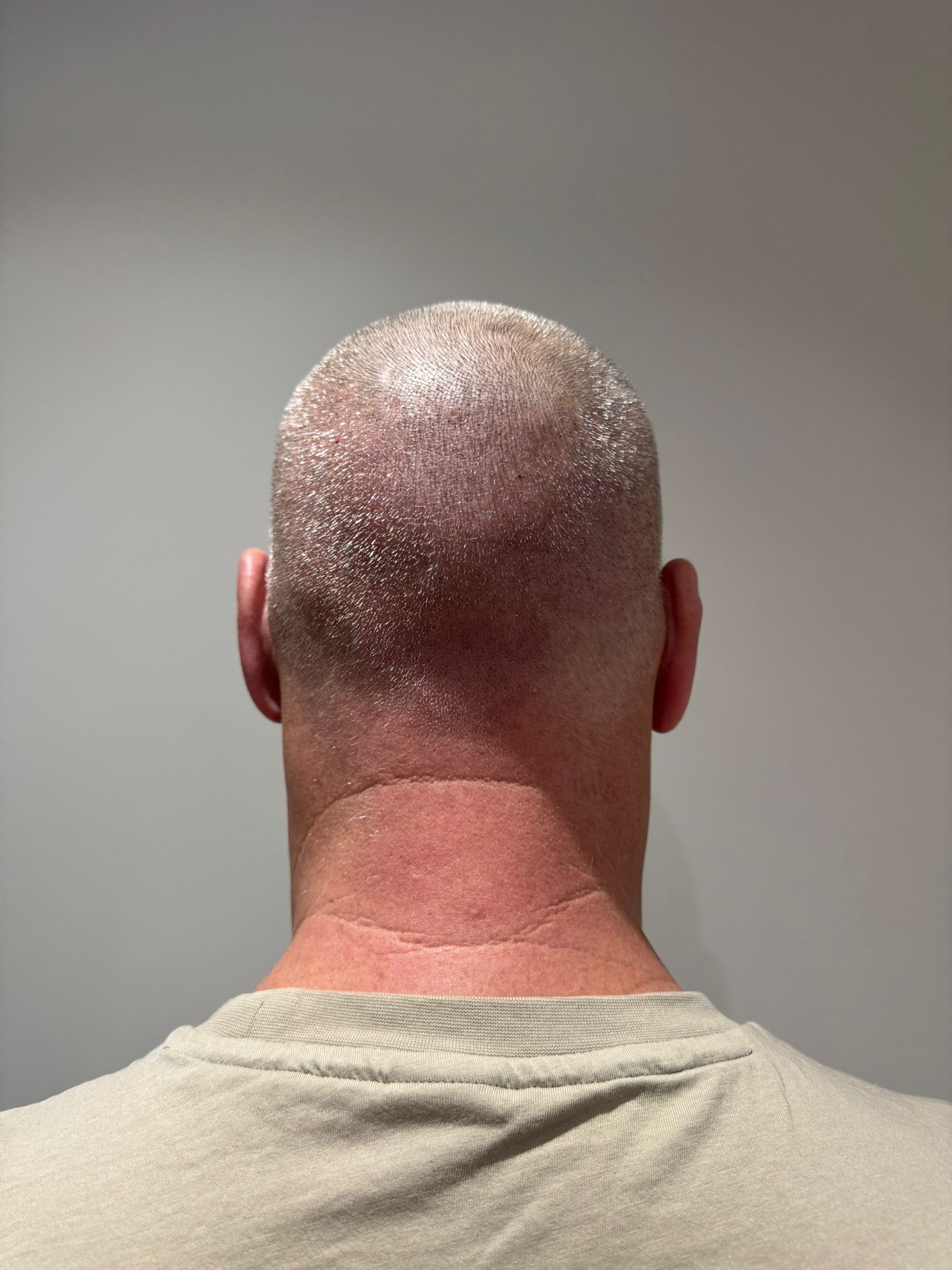 4 Weeks
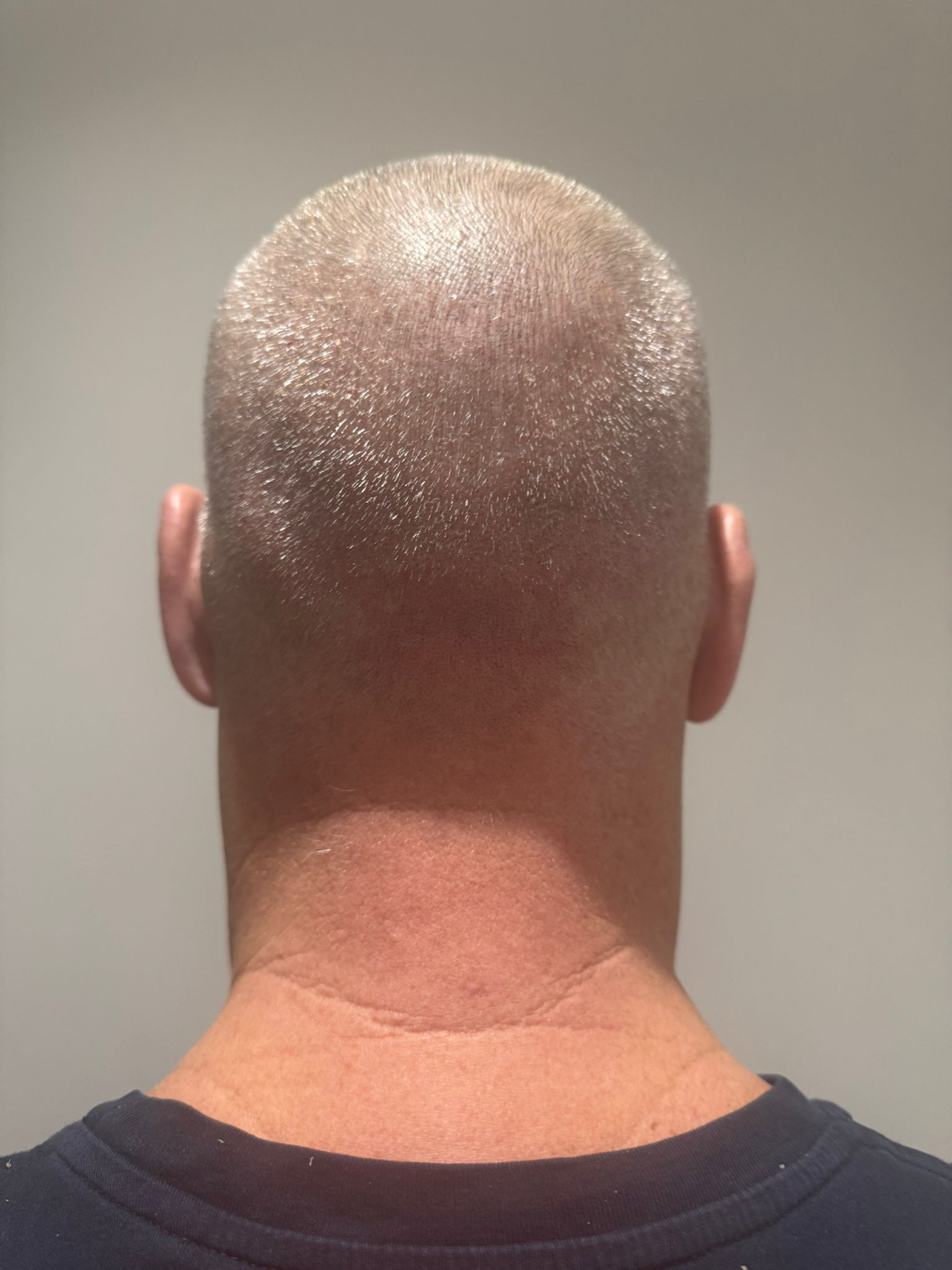 6 Weeks
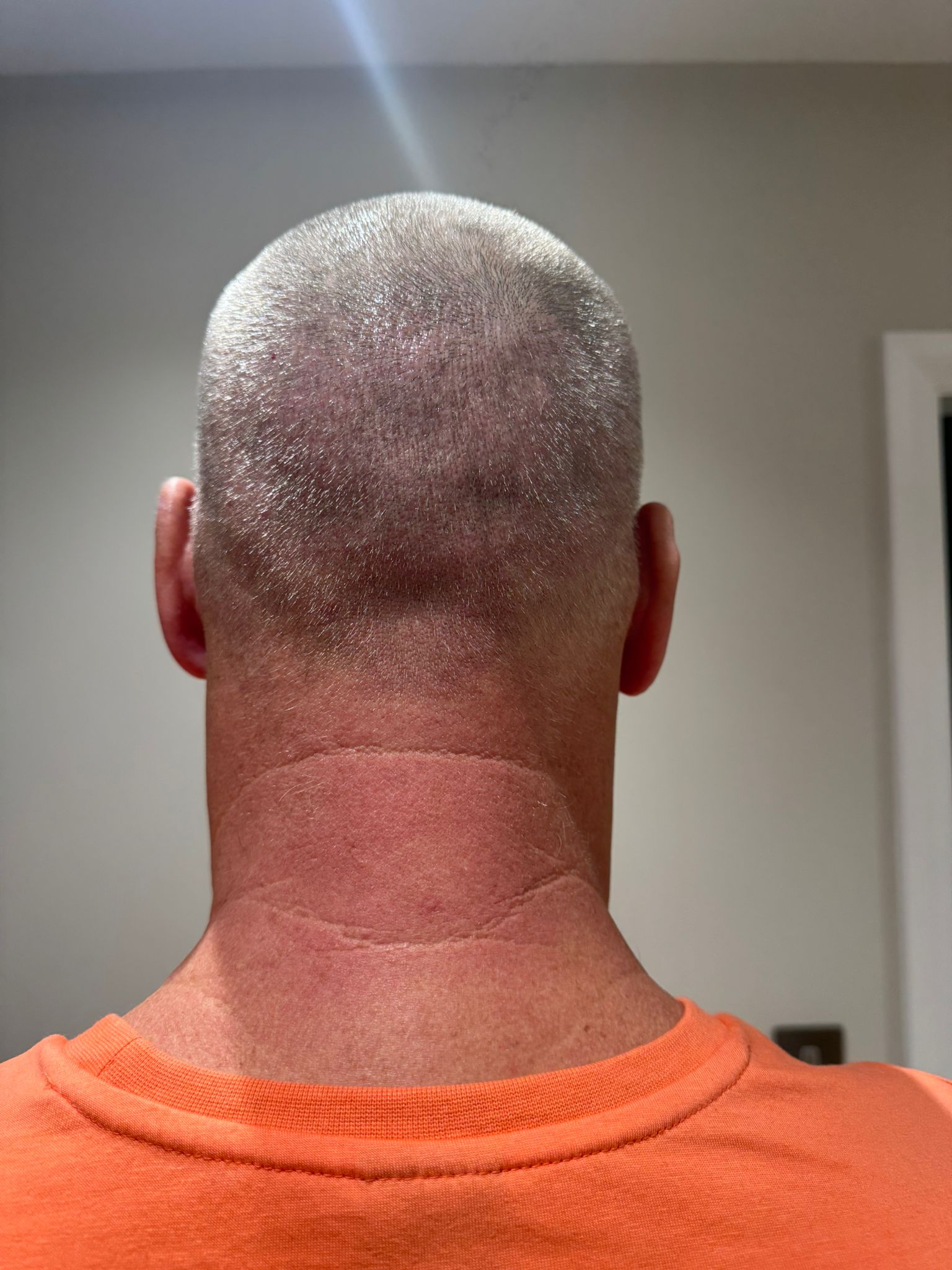 8 Weeks
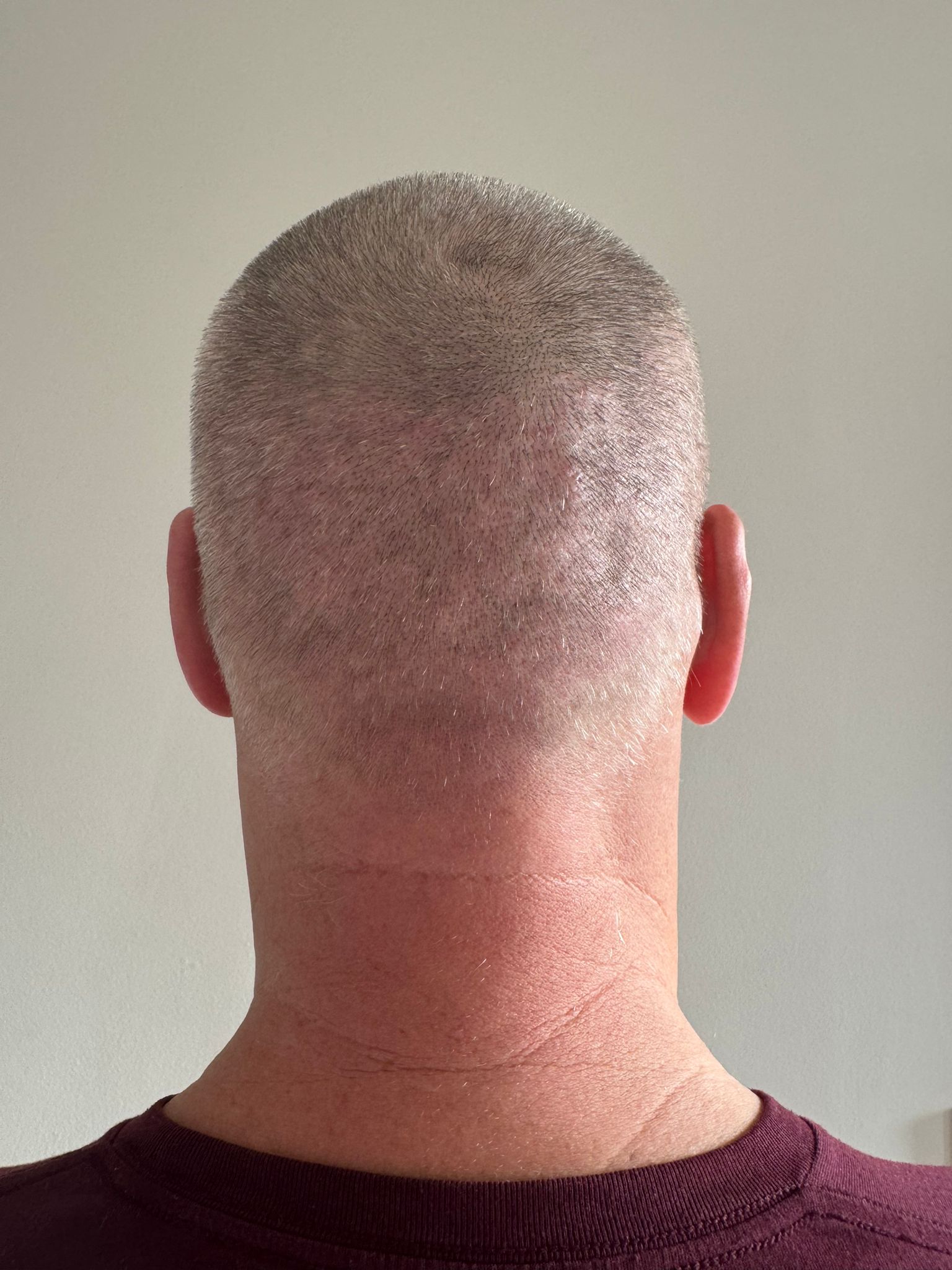 12 Weeks
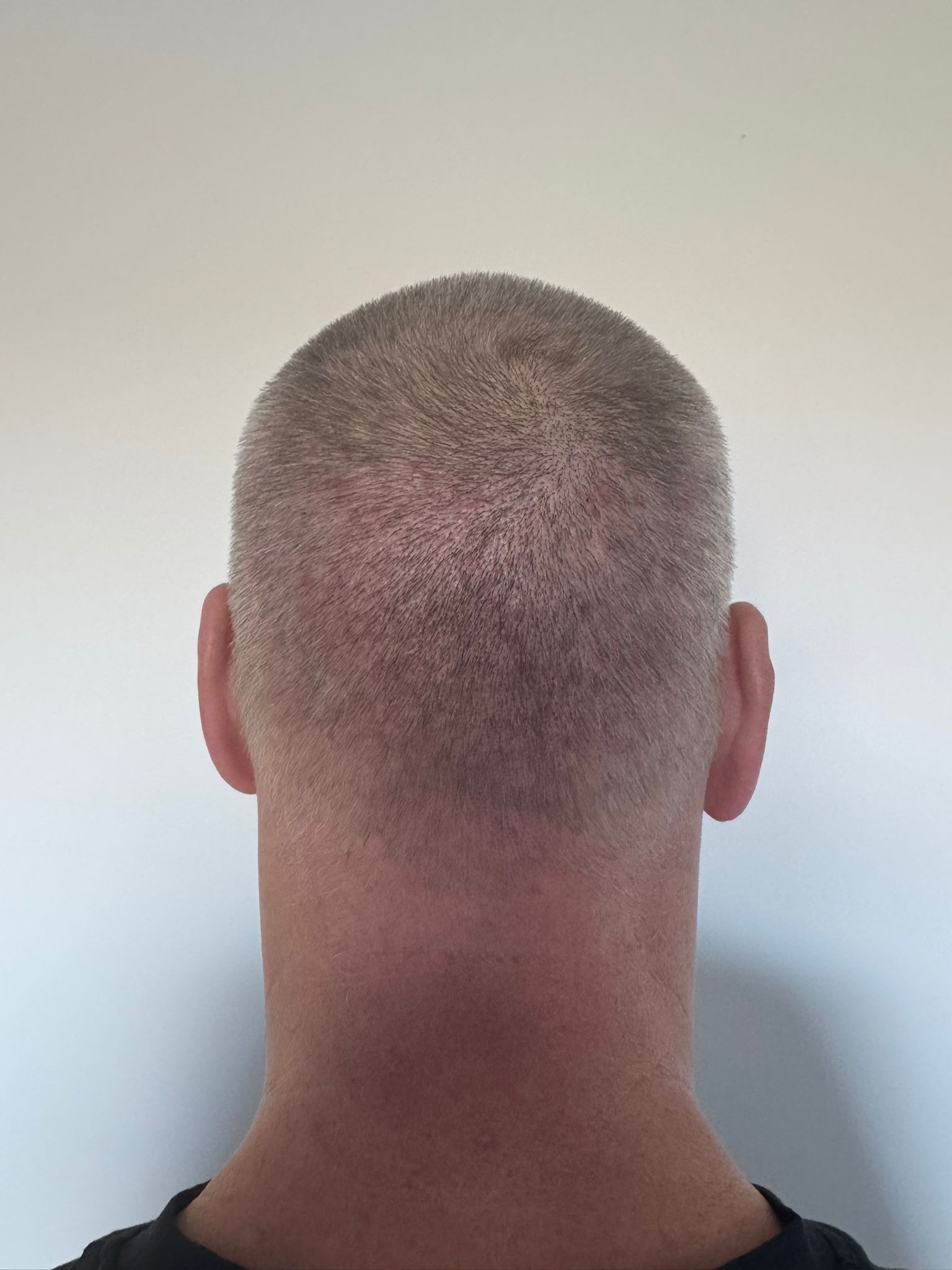 20 Weeks
 28 Weeks
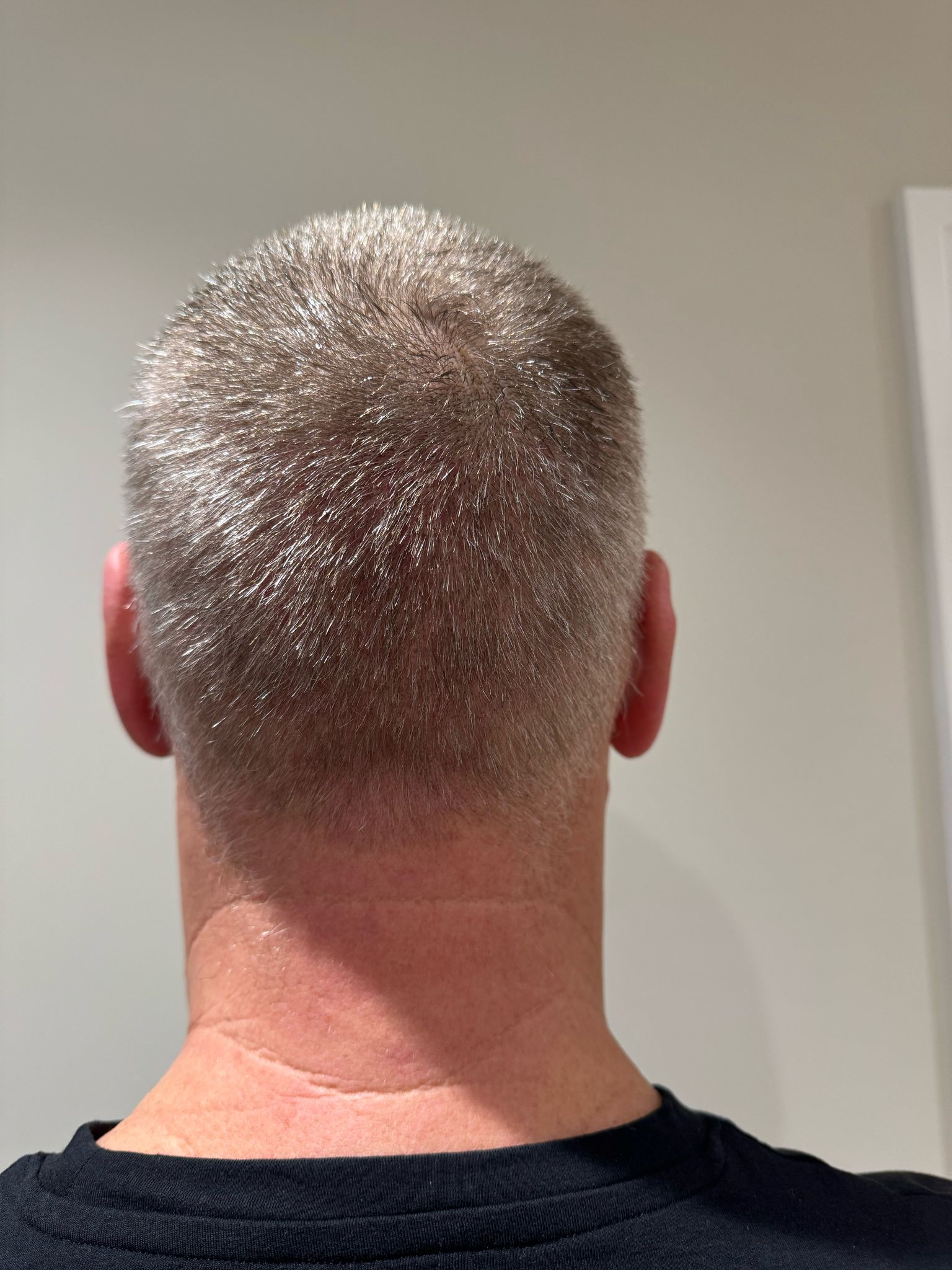
 Before the surgery
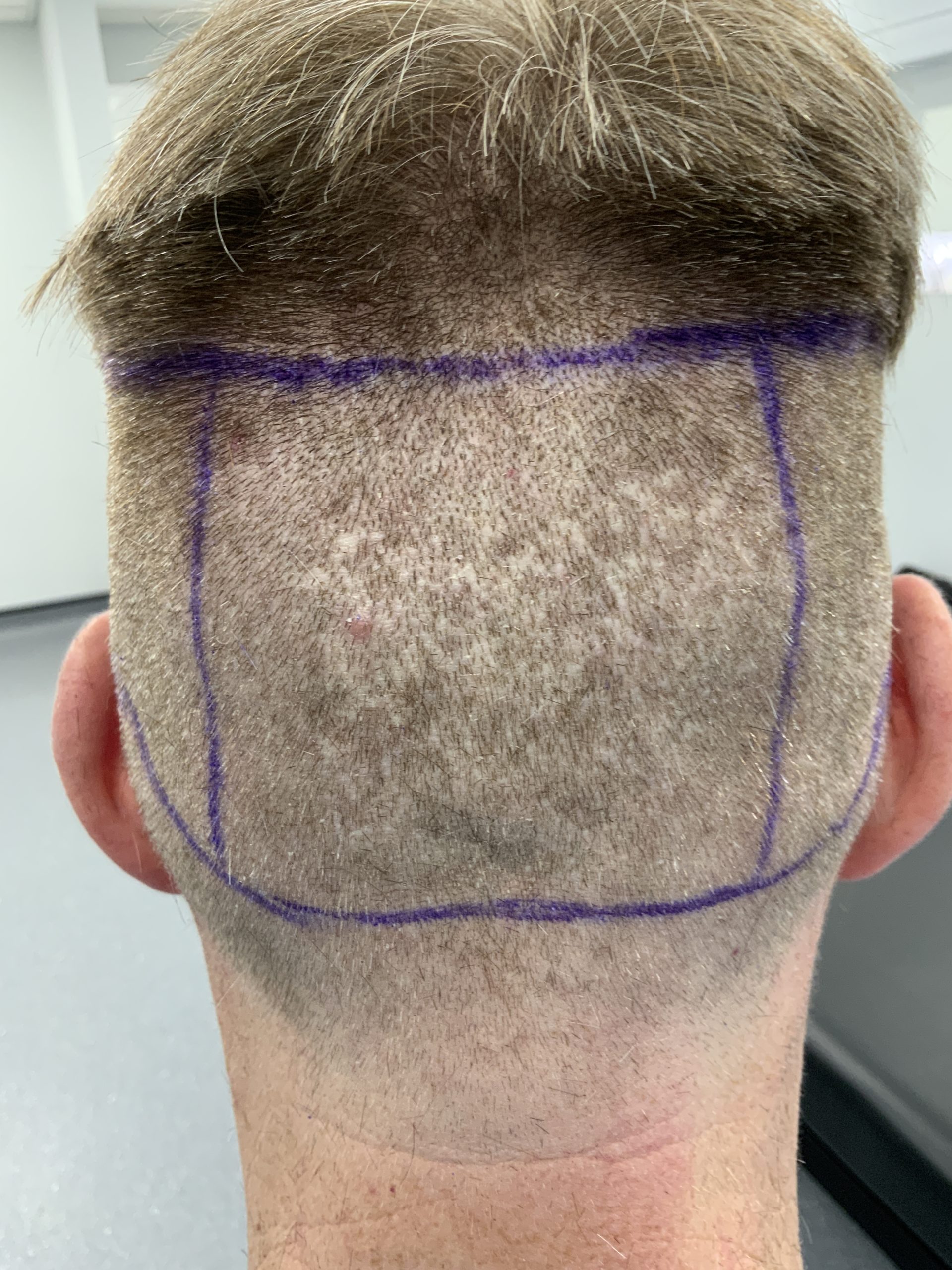
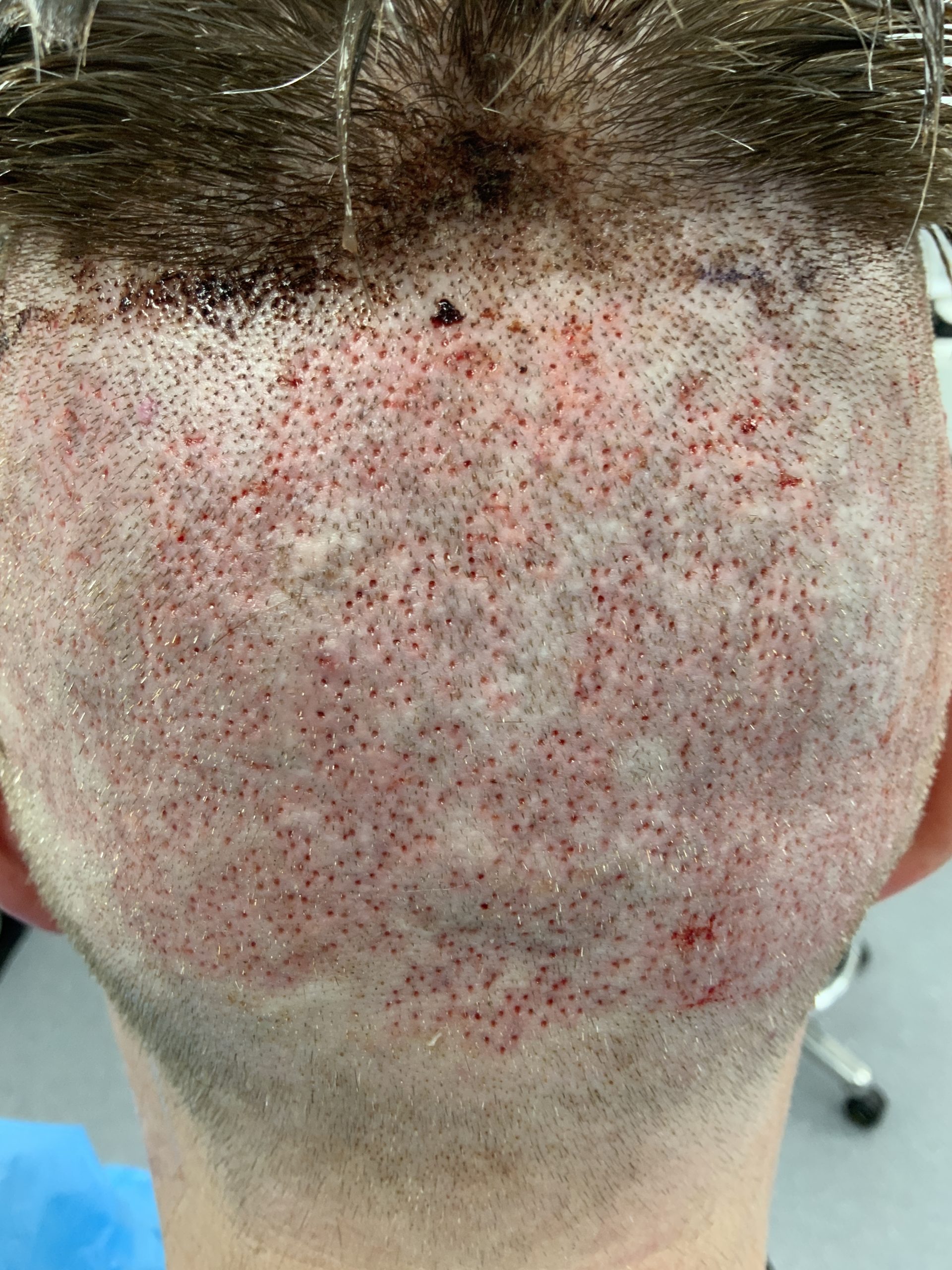 On the day of the surgery
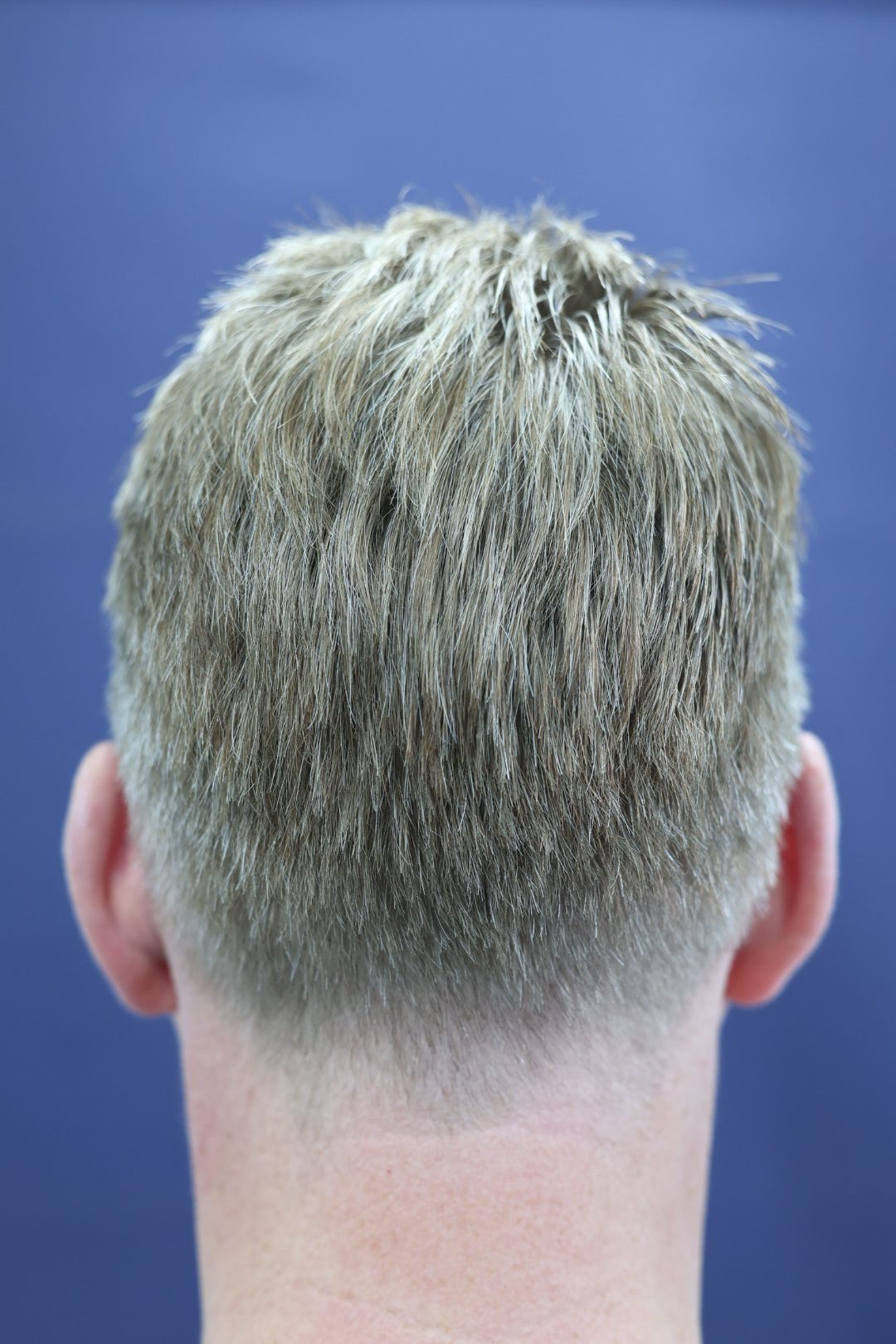 10 Months after the surgery
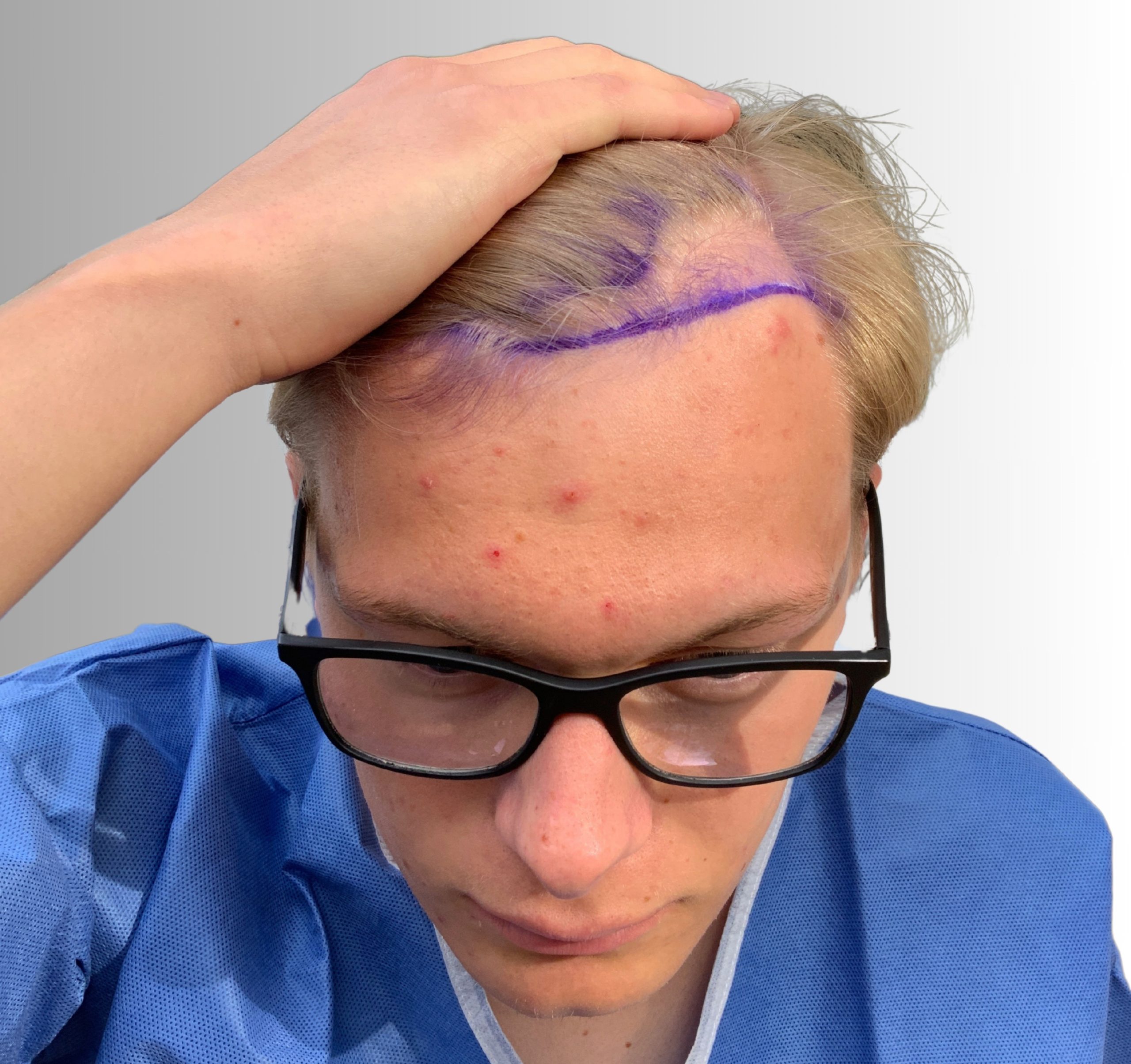 Before the surgery
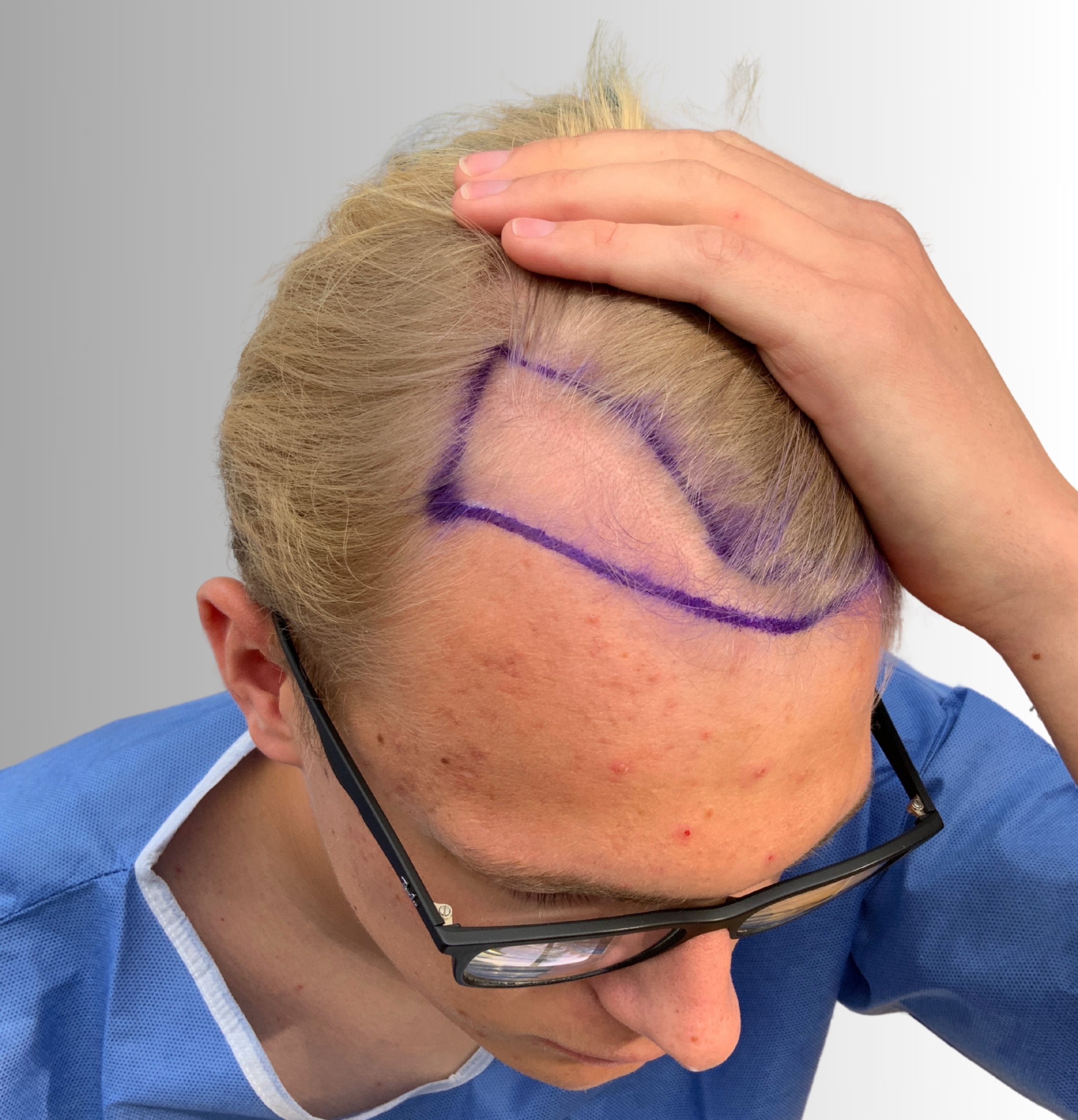 Before the surgery
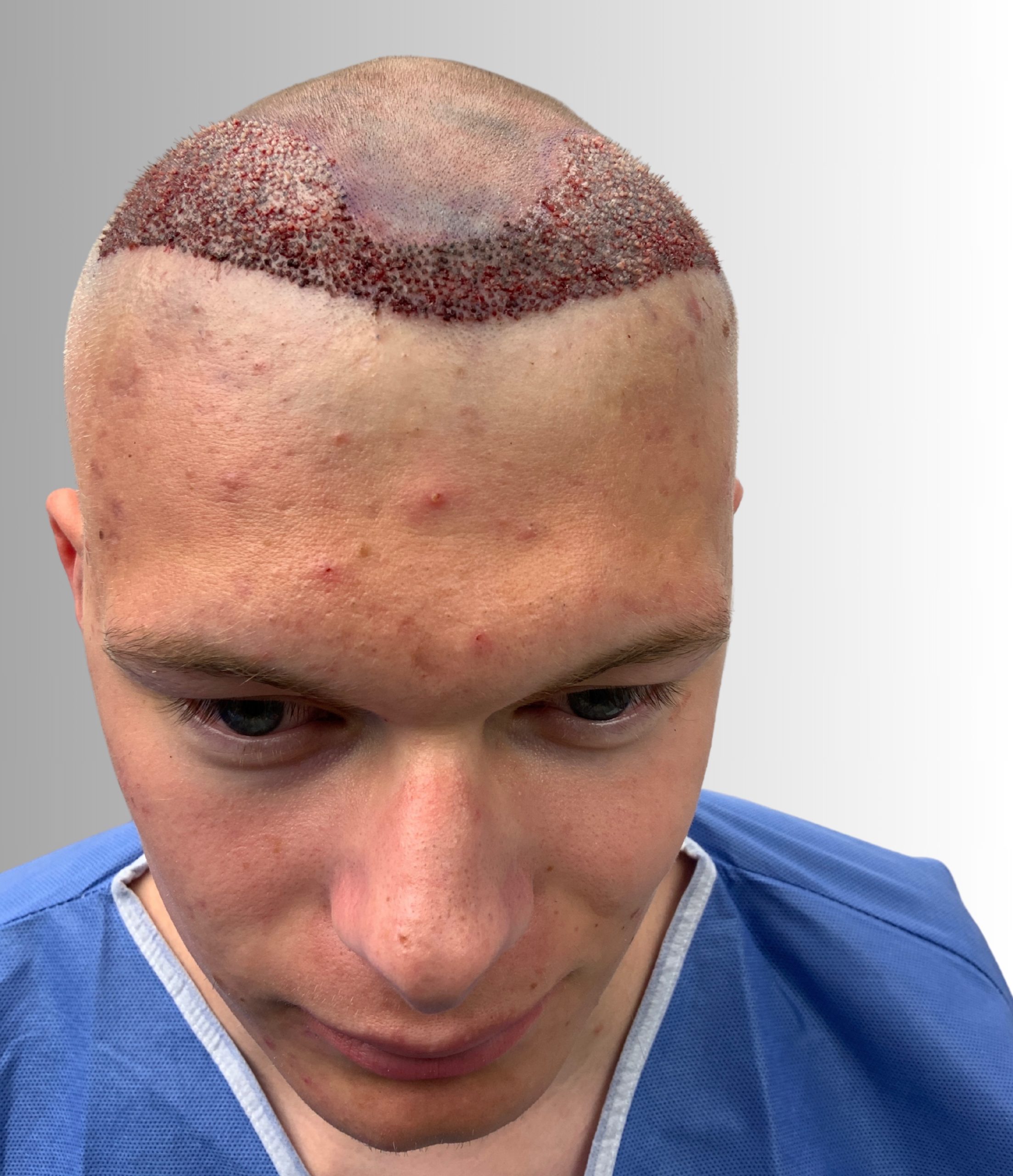 On the day of the surgery
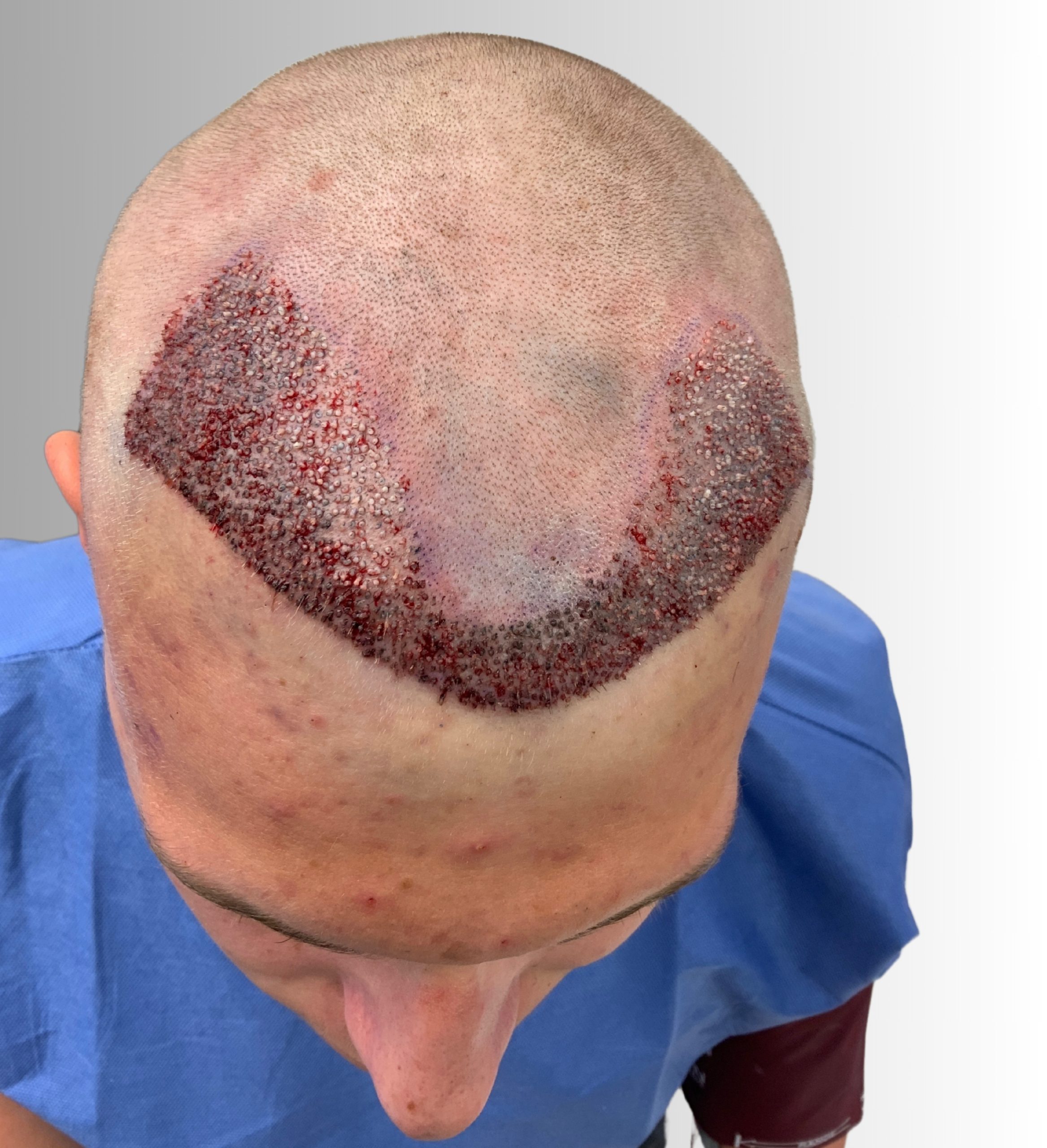 On the day of the surgery
 After 15 months
 After 15 months
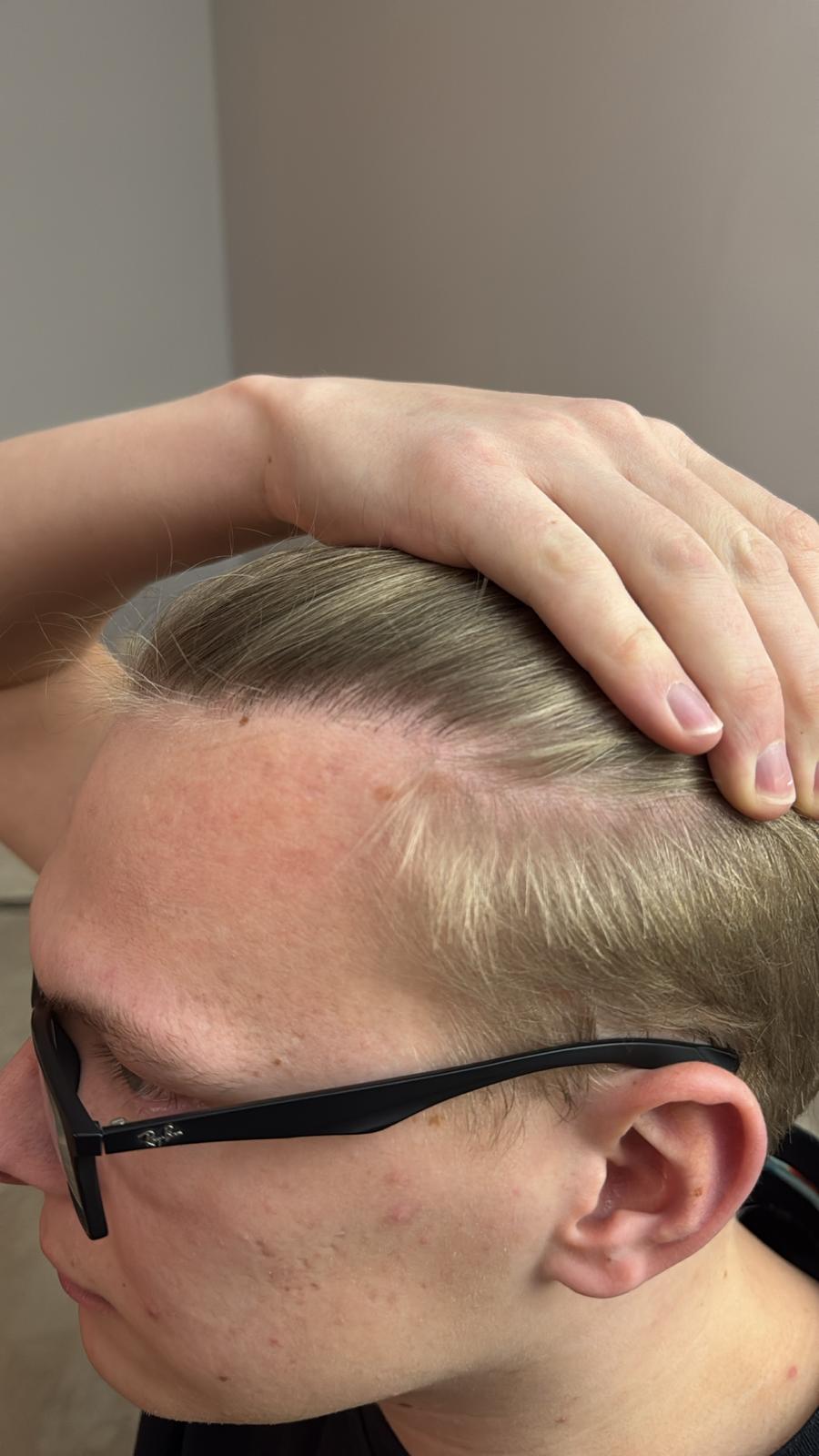 After 15 months
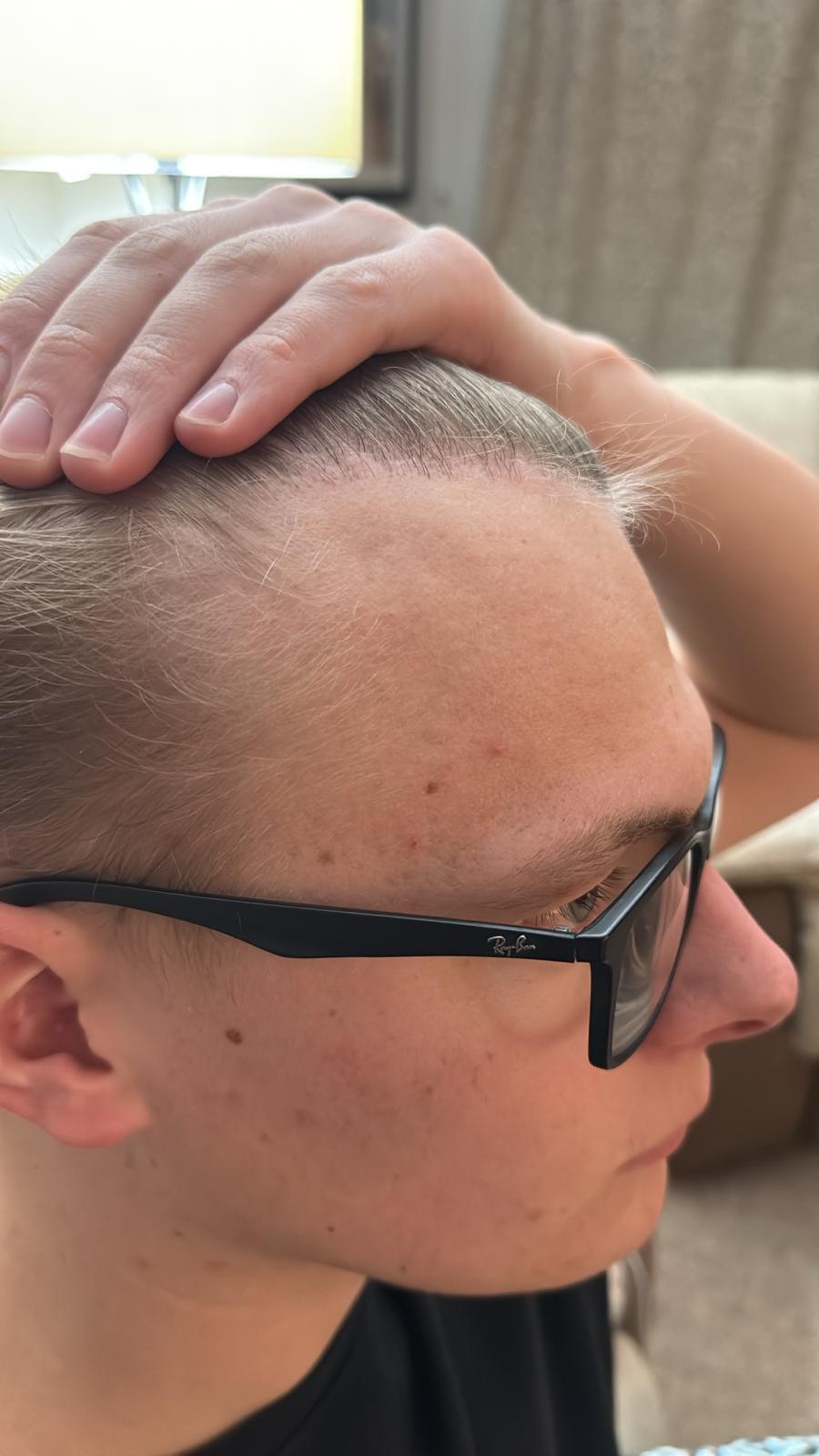 After 15 months
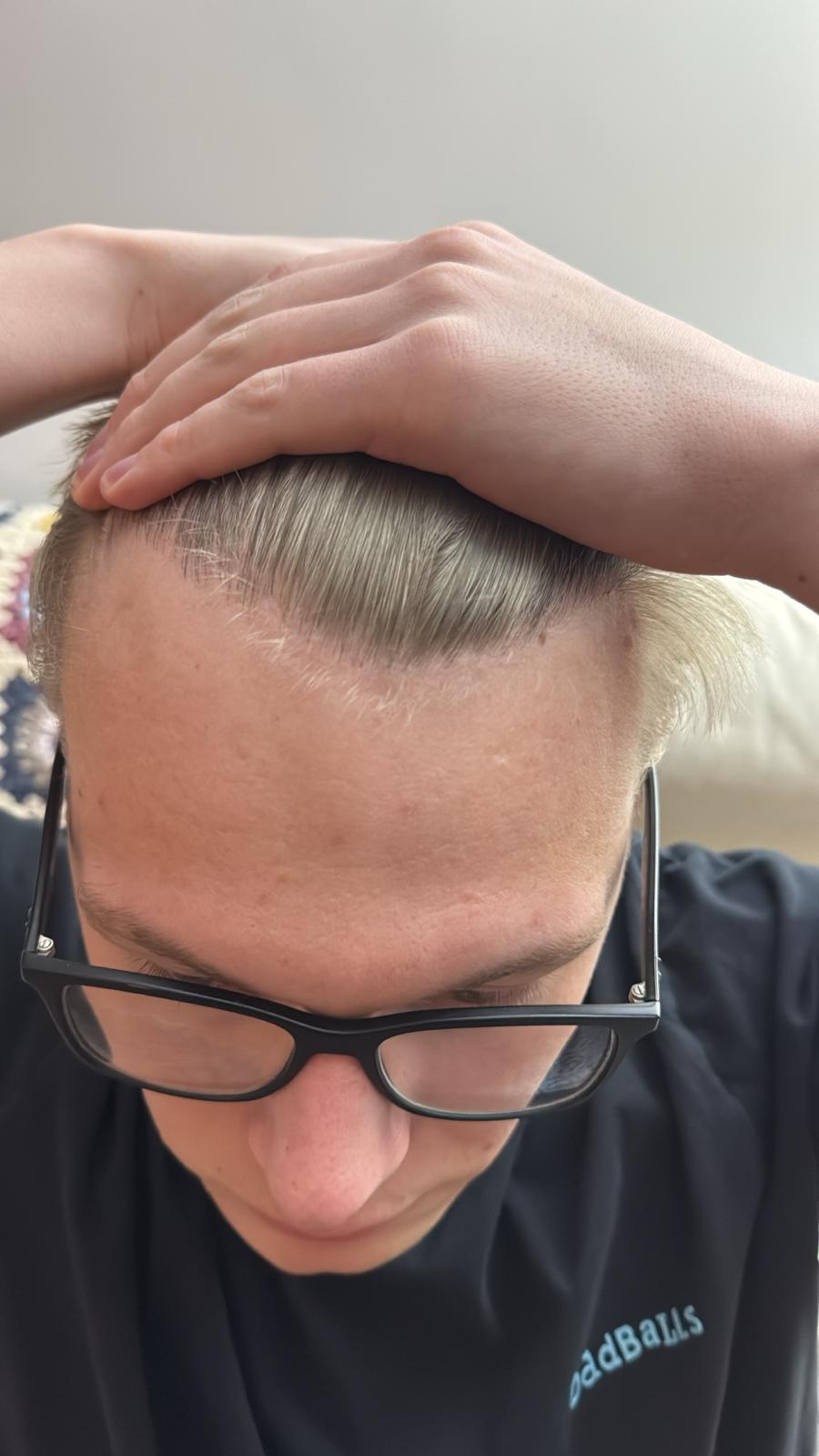 After 15 months
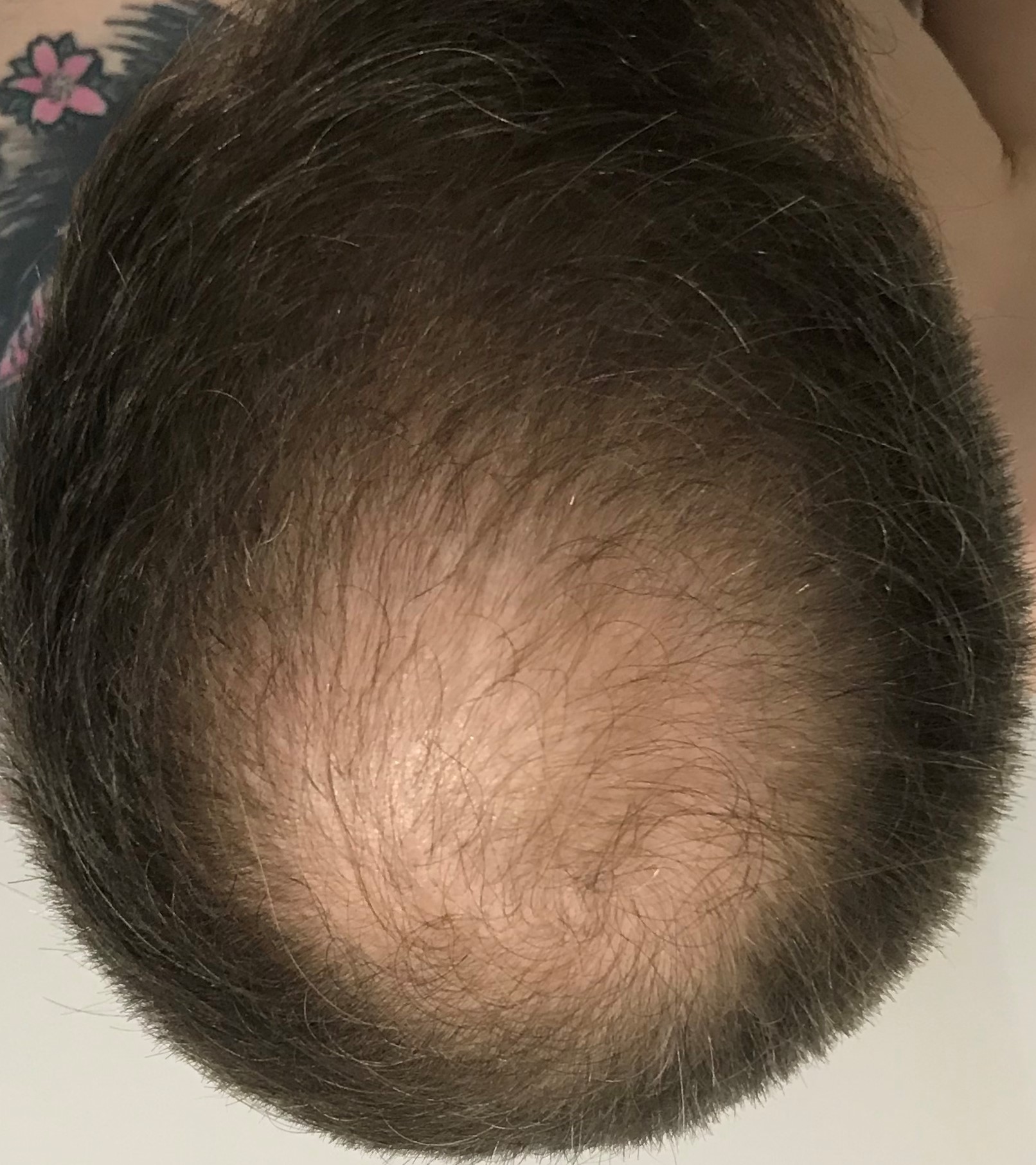 Before the surgery
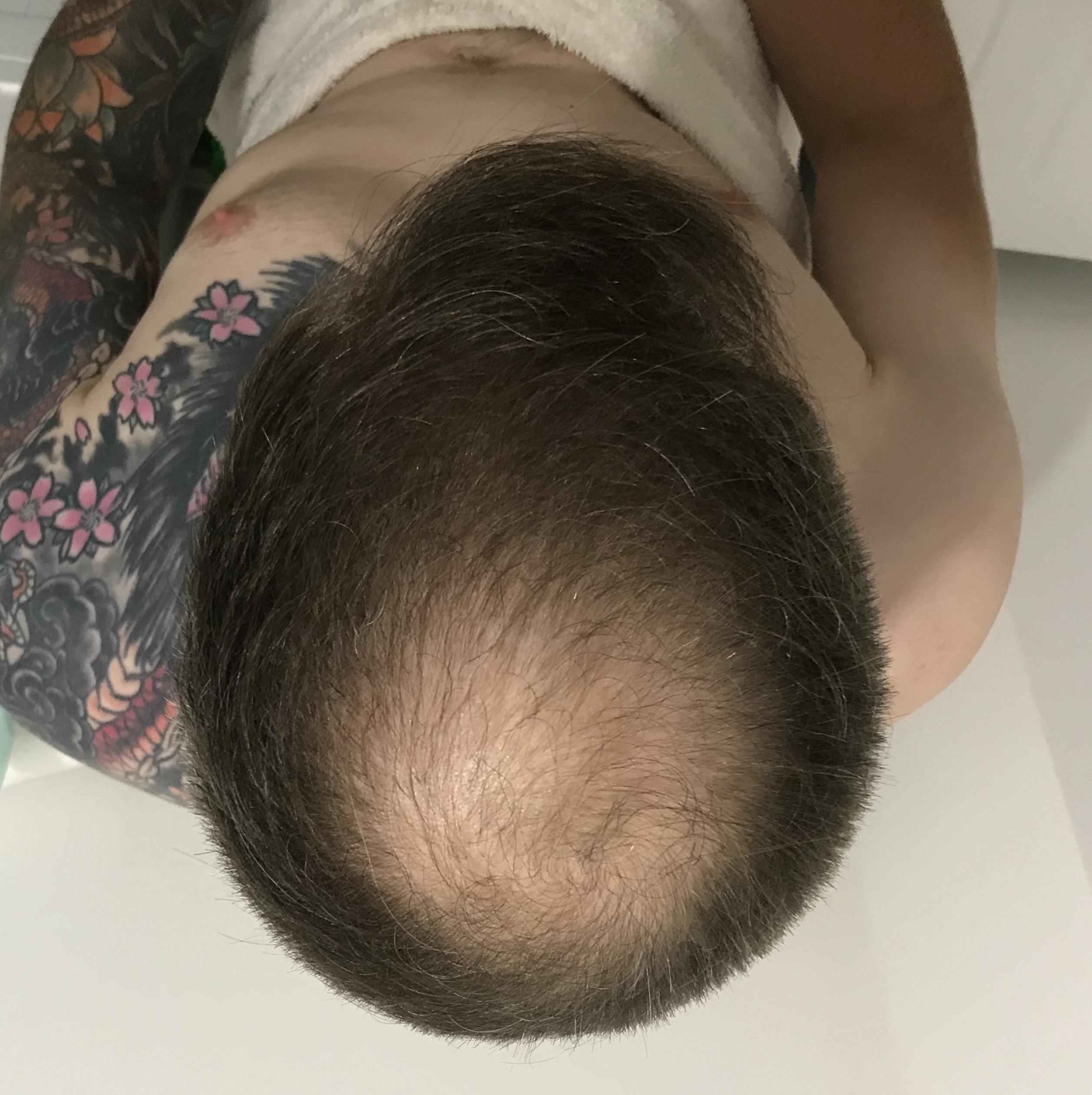 Before the surgery
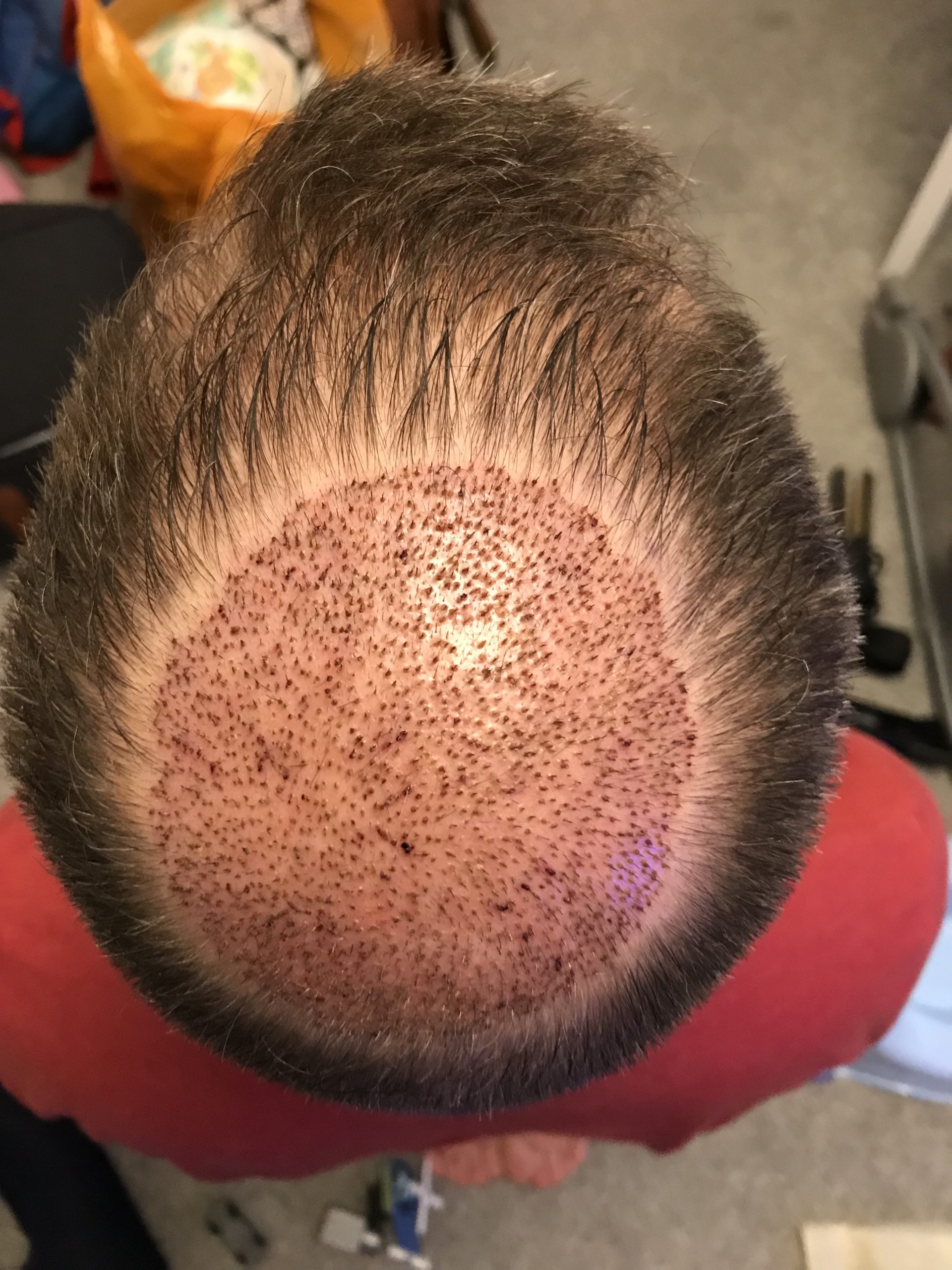 On the day of the surgery
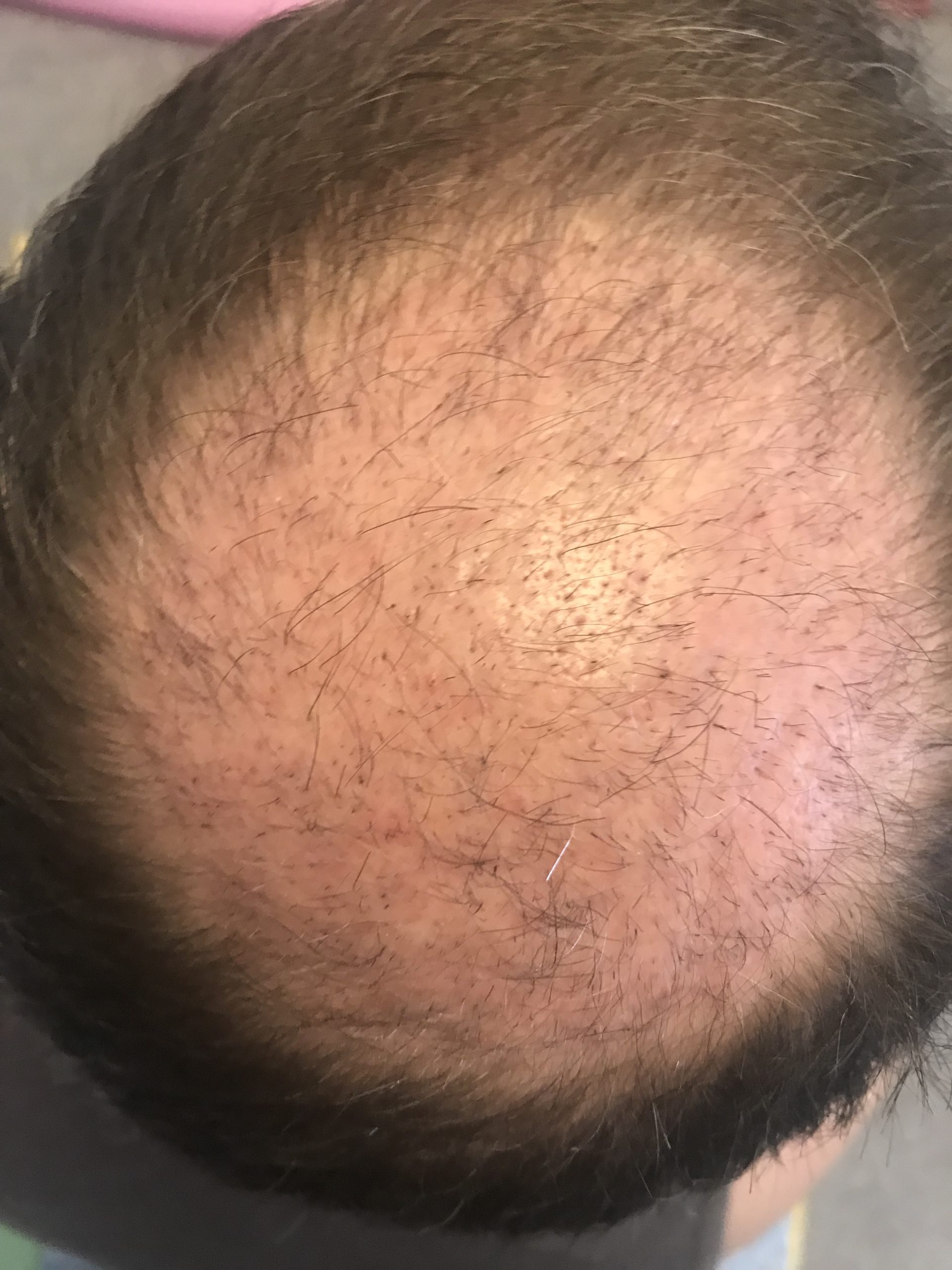 4 Months after the surgery.
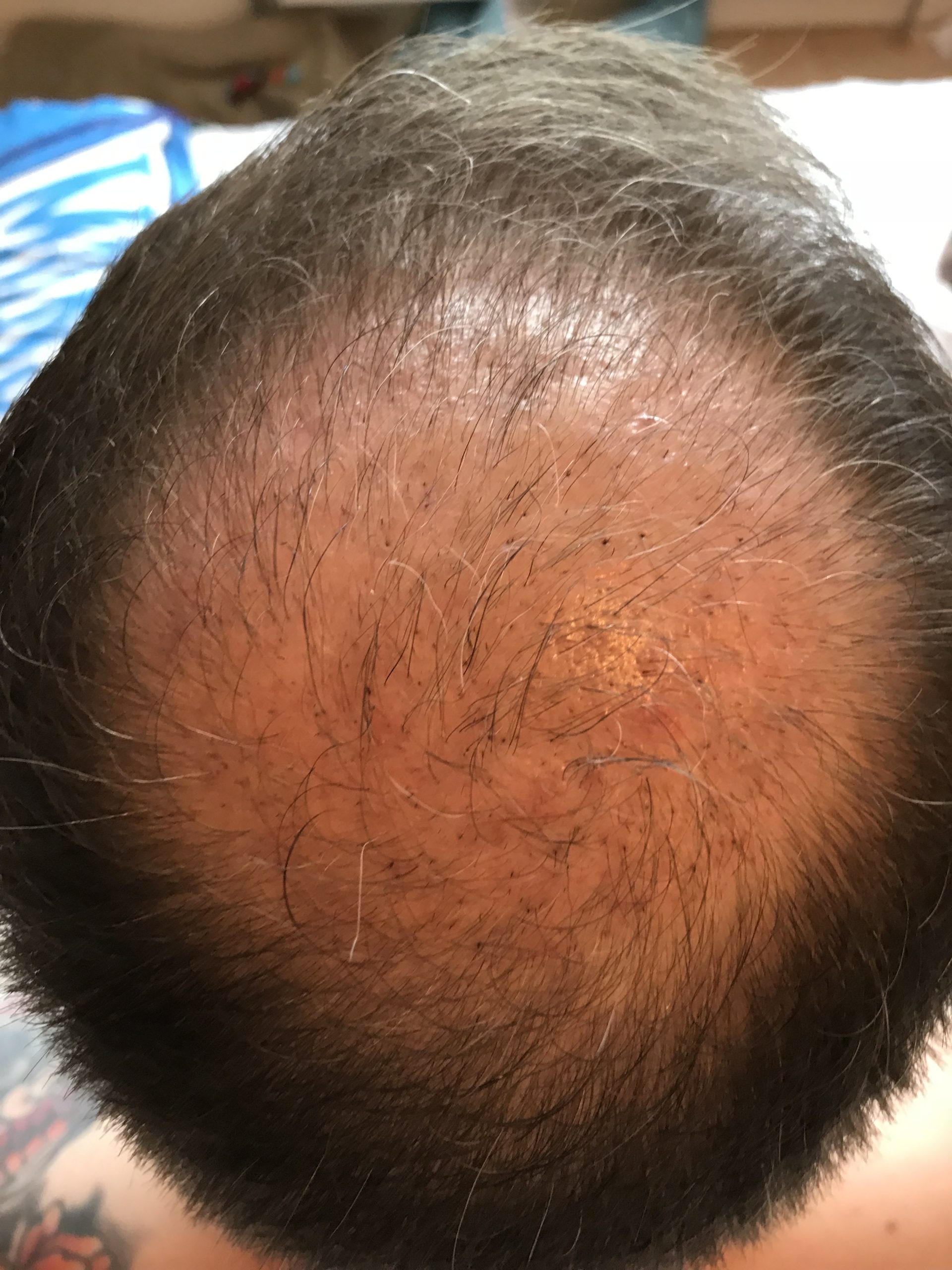 5 Months after the surgery.
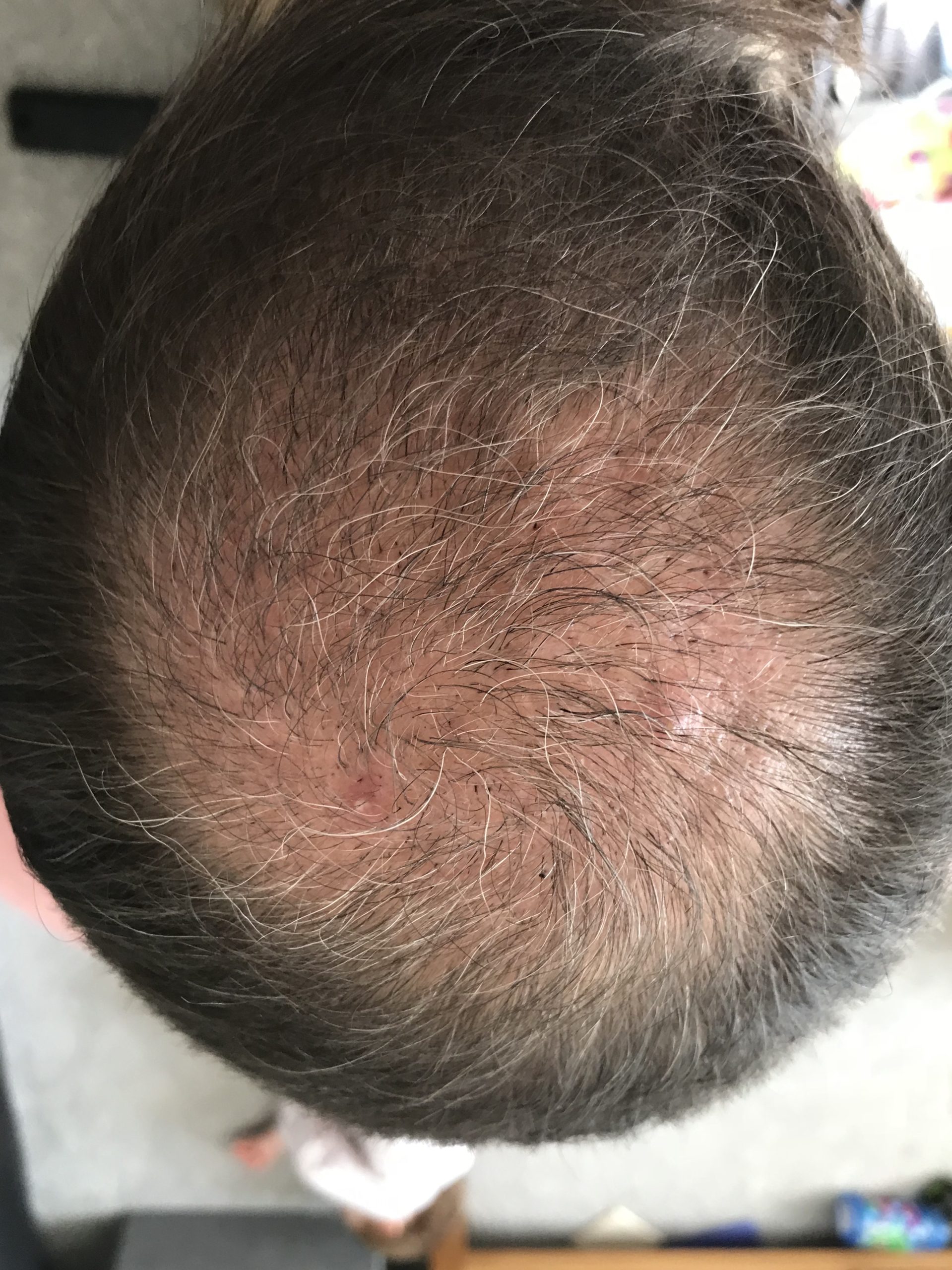 6 Months after the surgery.
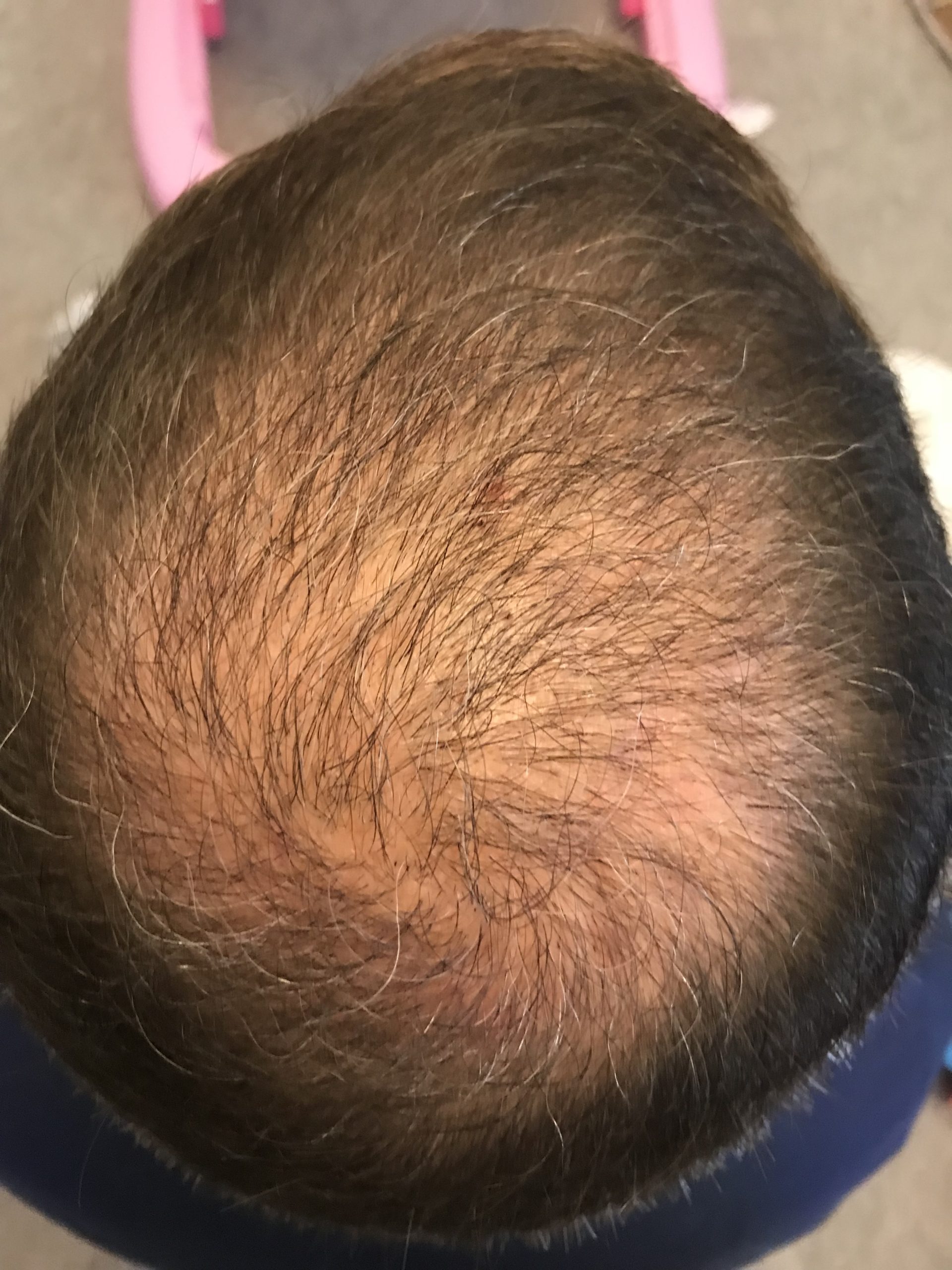 7 Months after the surgery.
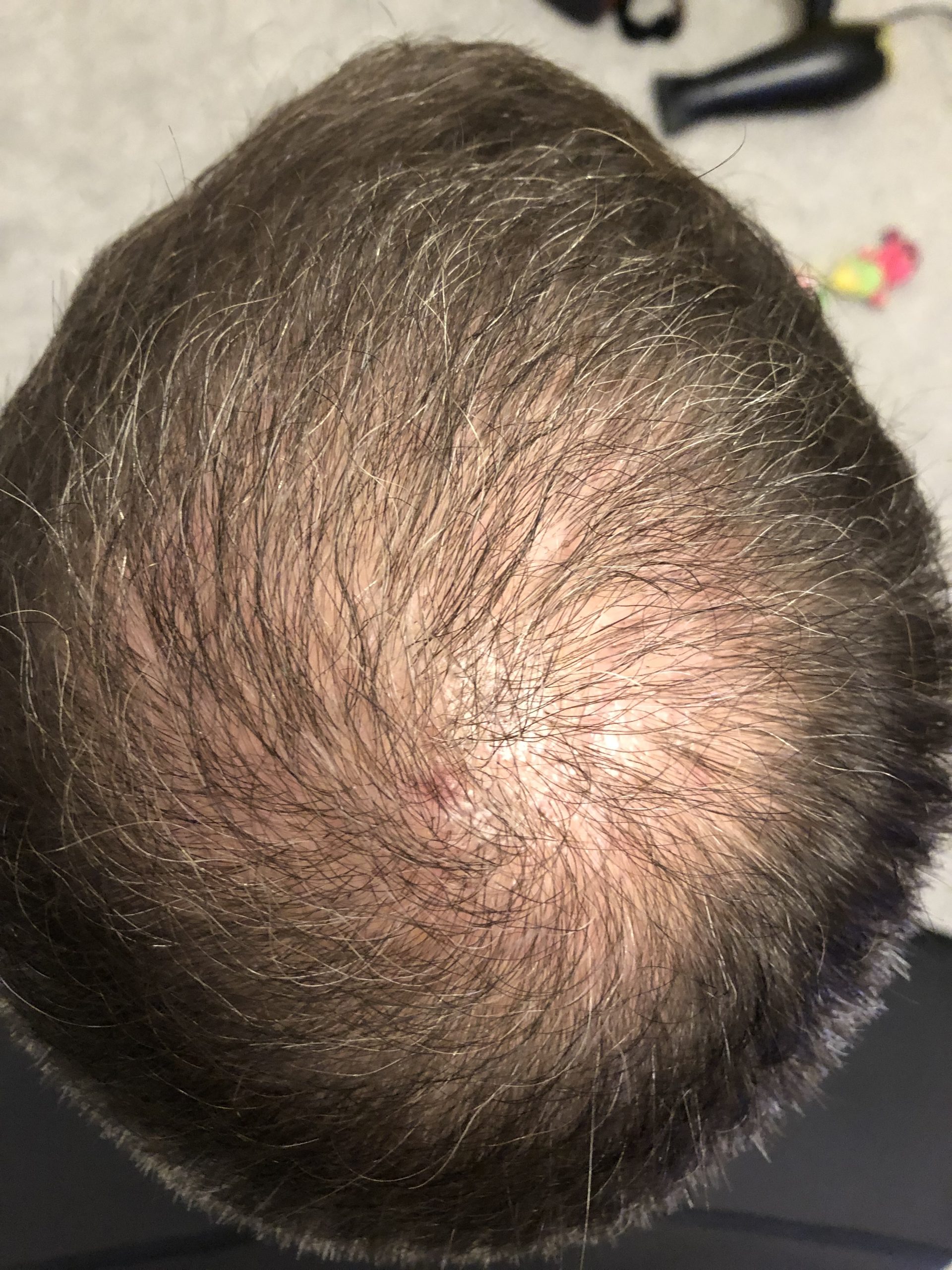 8 Months after the surgery.
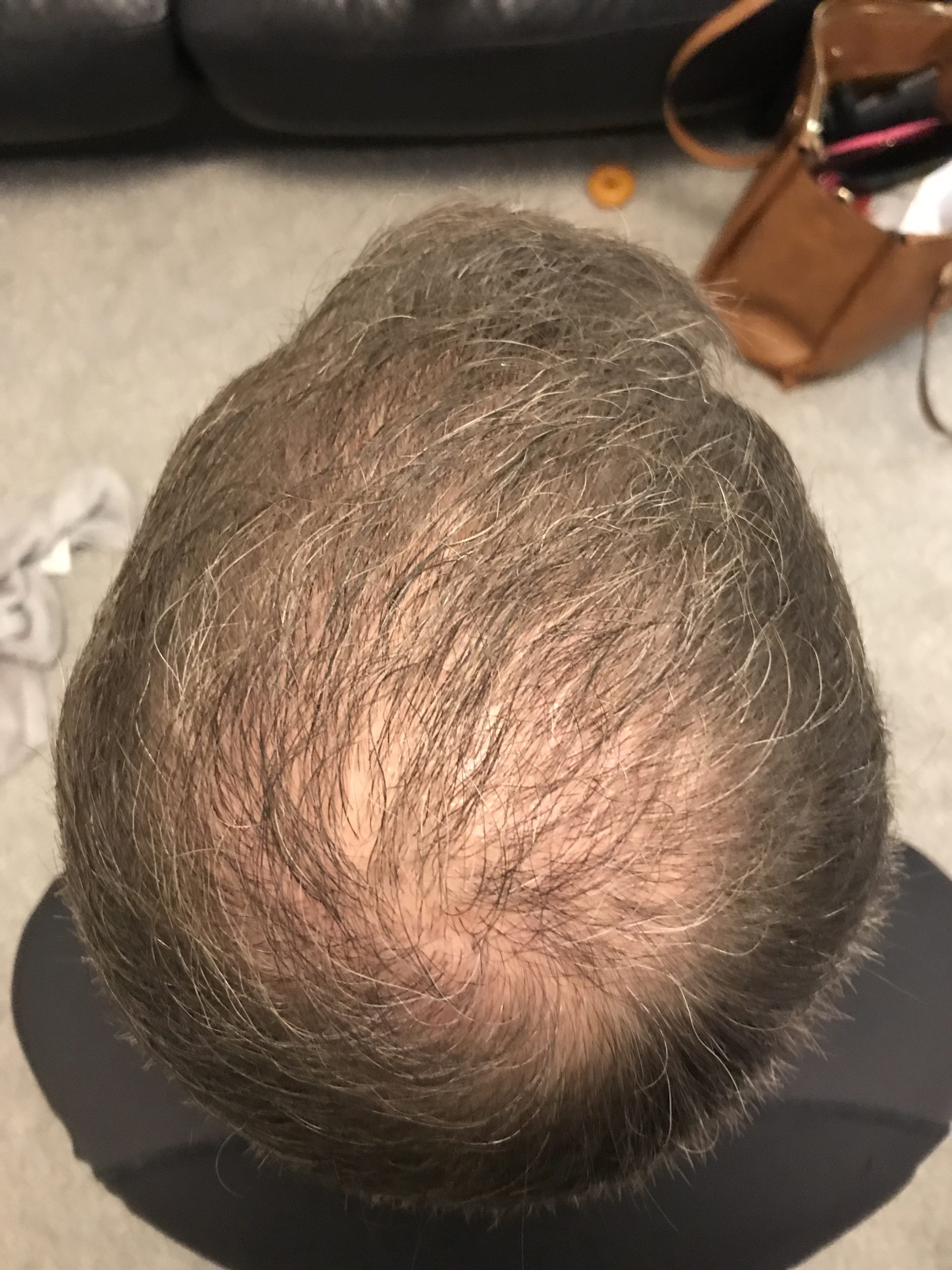 9 Months after the surgery.
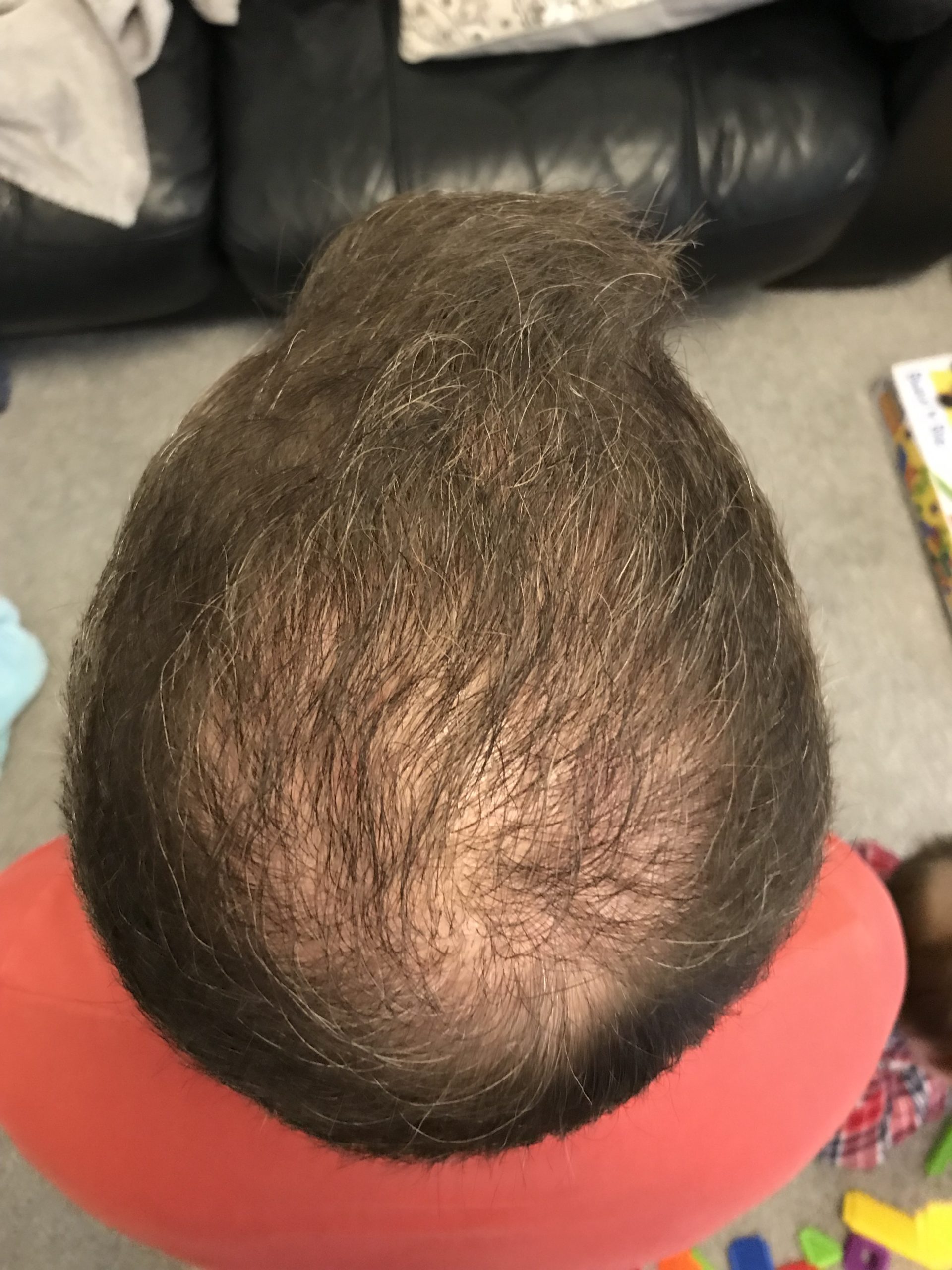 10 Months after the surgery.
 11 Months after the surgery.
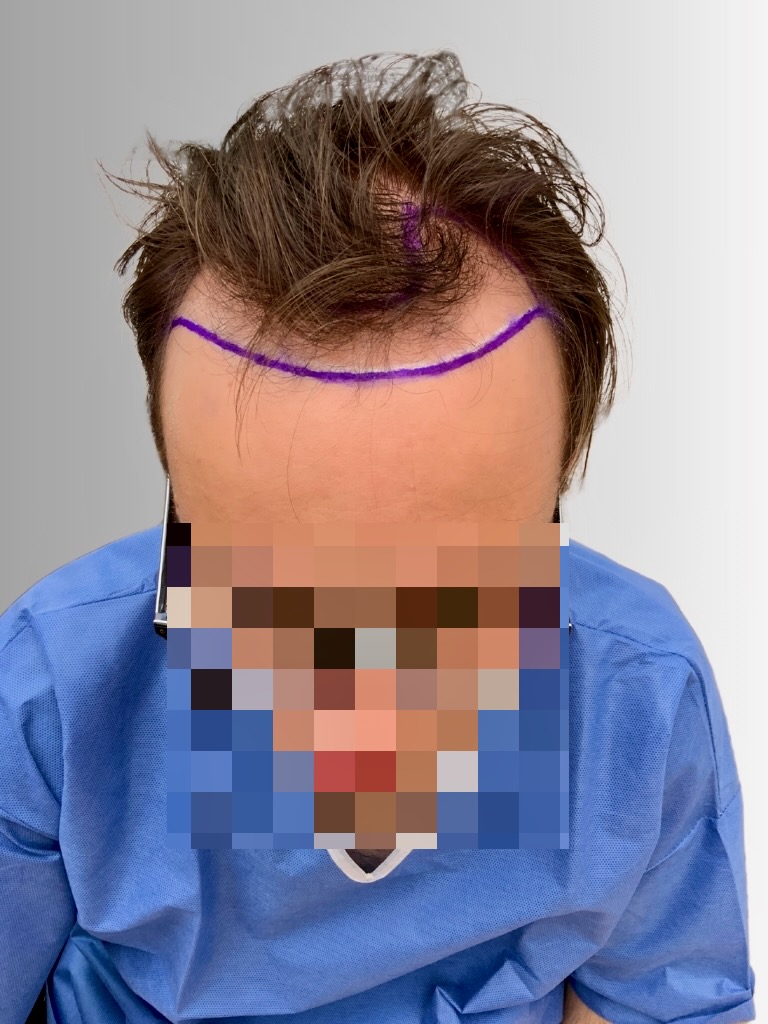 Before surgery
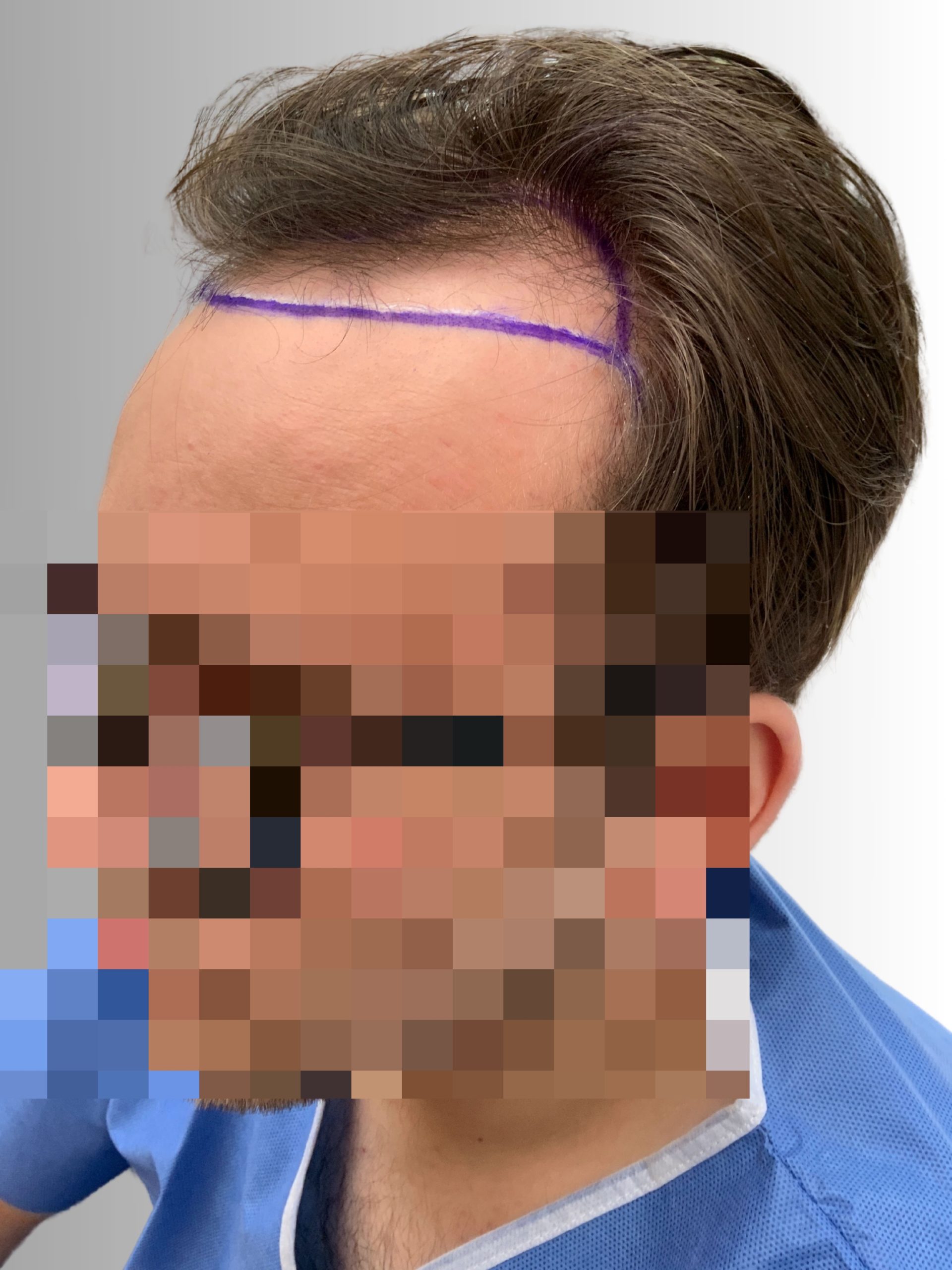 Before surgery
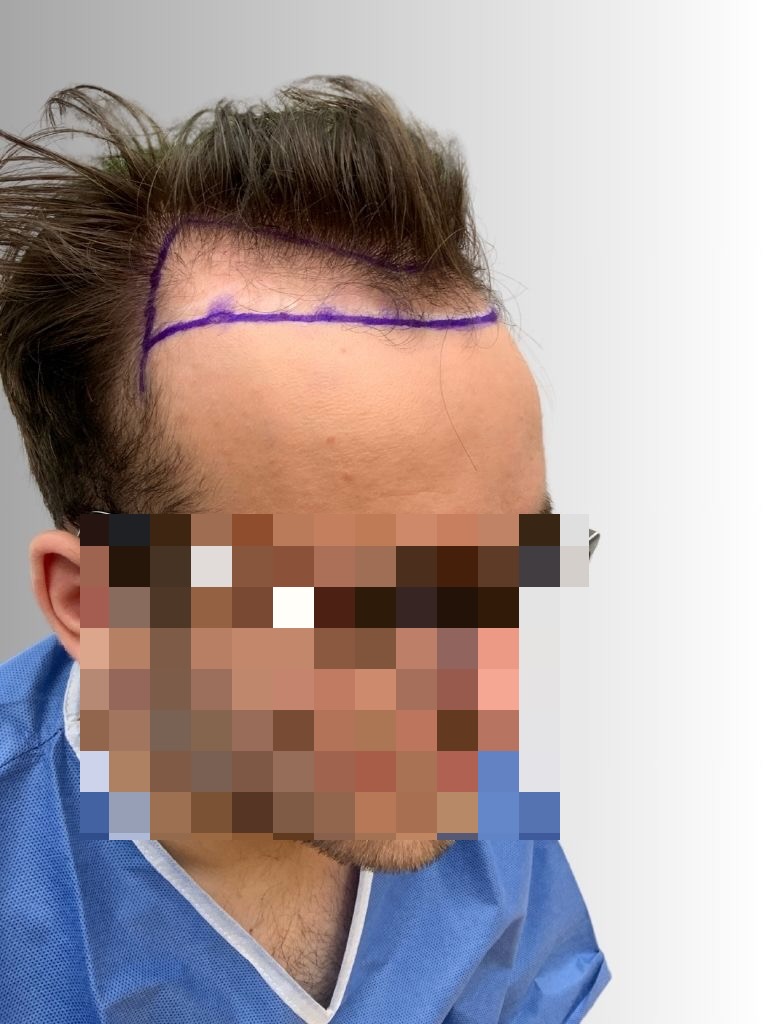 Before surgery
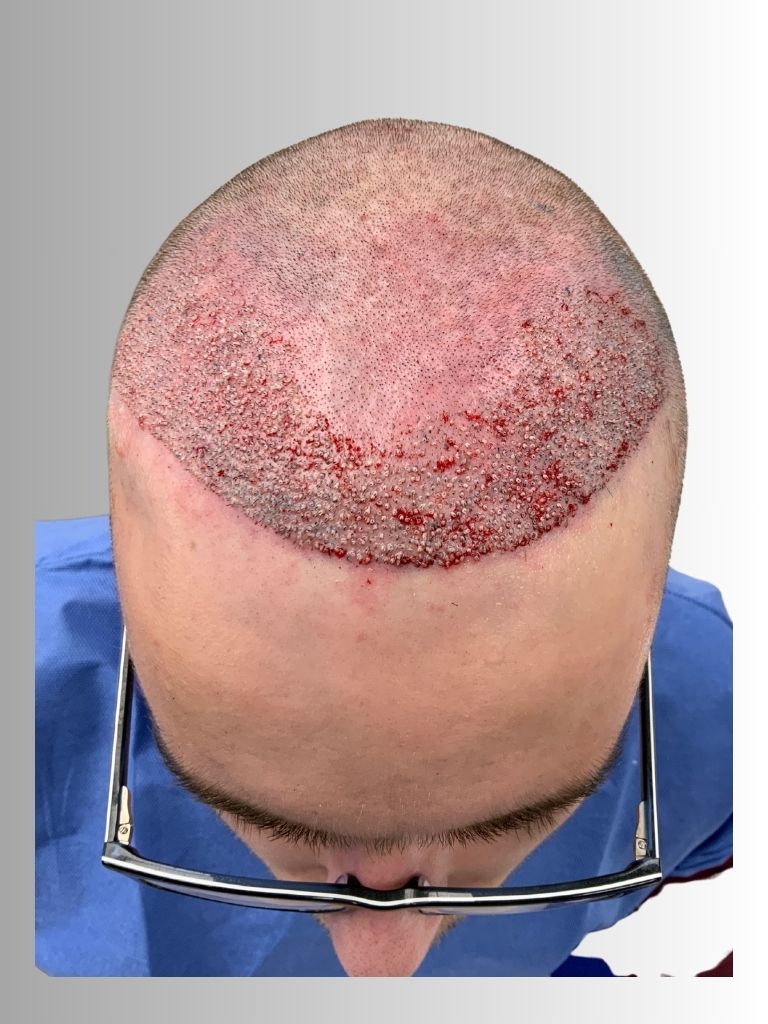 On the day of surgery
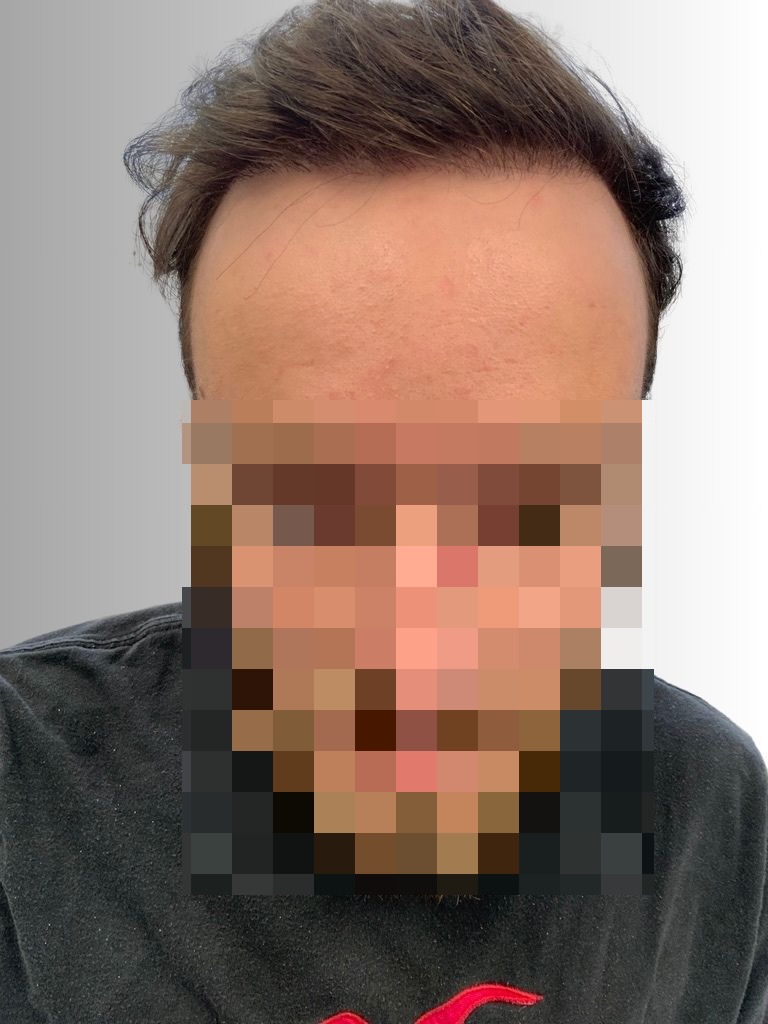 10 months after surgery.
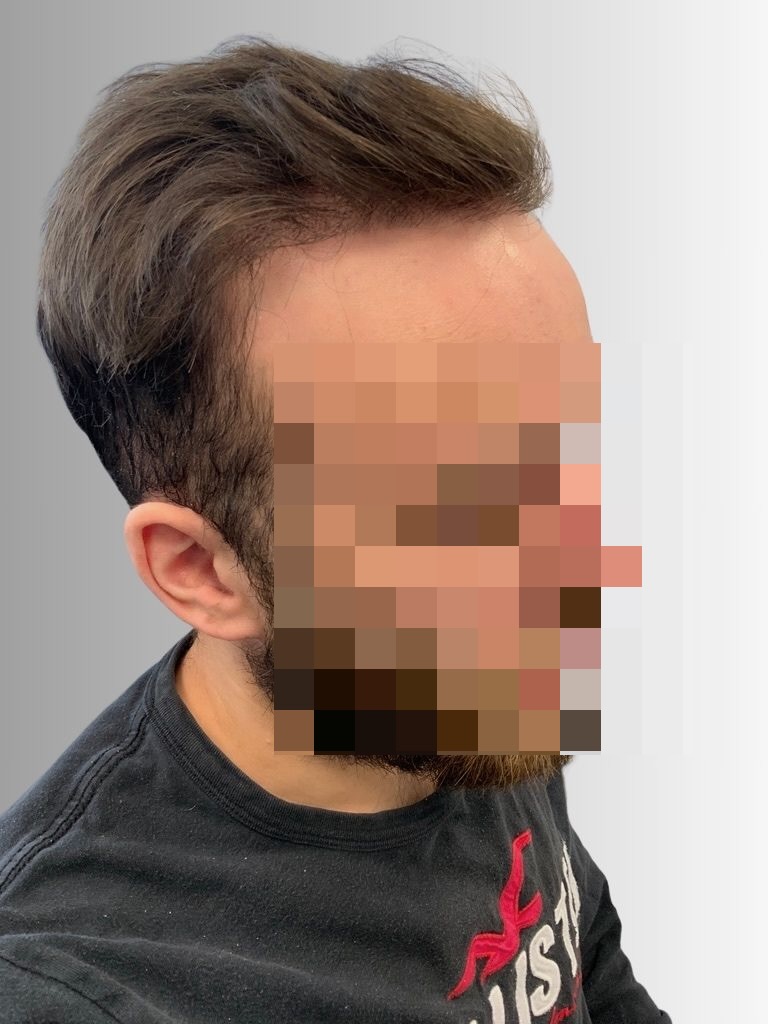 10 months after surgery.
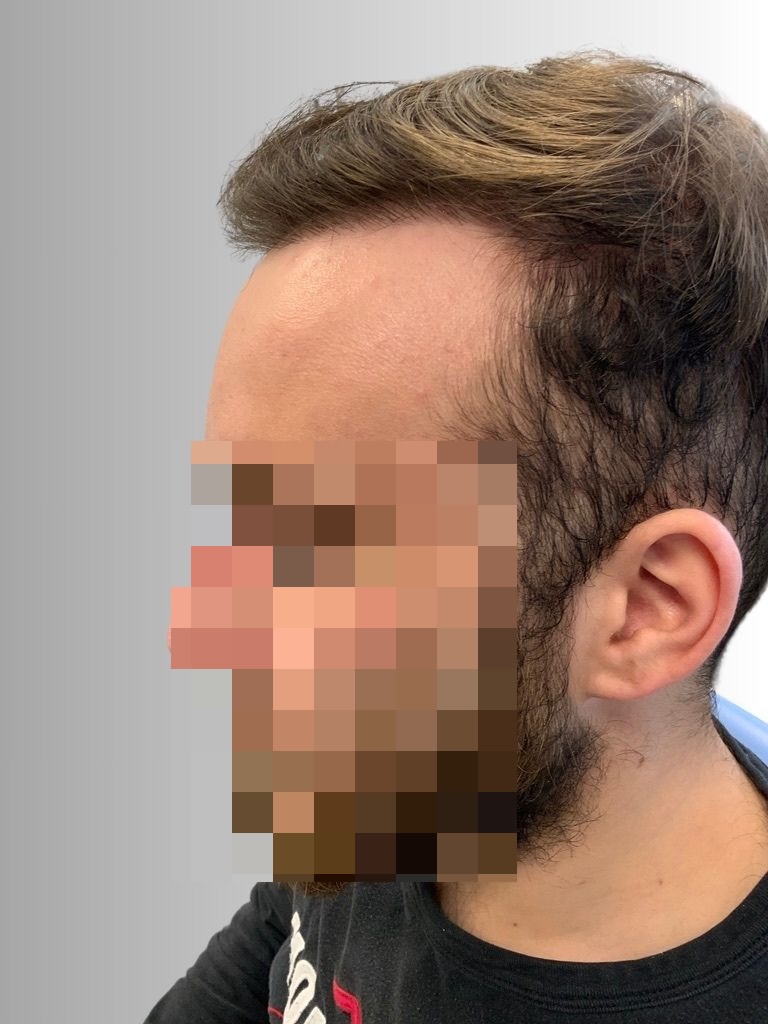 10 months after surgery.
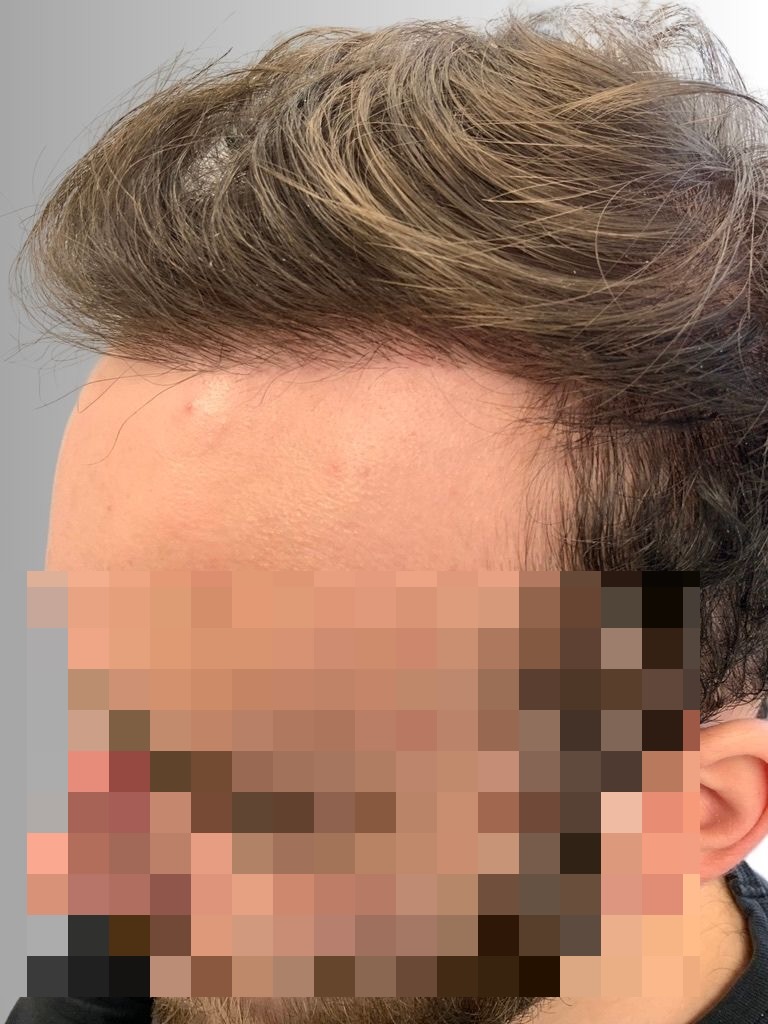 10 months after surgery.