

What is Selenium?
Selenium is an essential trace mineral that plays a significant role in protecting cells from damage, supporting thyroid metabolism, synthesizing proteins, and bolstering the immune system. The body cannot produce selenium, but it can store it when consumed as a supplement. Selenium is positioned at number 34 in the Periodic Table.

What is its function in the human body?
Selenium is a crucial component of various enzymes and proteins known as selenoproteins. It plays a vital role in metabolism by converting the inactive thyroid hormone (T4) into its active form (T3). Its antioxidant properties help protect against inflammation and cellular damage by neutralizing harmful reactive oxygen and nitrogen species. Additionally, selenium is necessary for testosterone production, sperm maturation, and motility. Through selenoproteins, it contributes to maintaining healthy skin and is important for mental health and cognitive well-being. Selenium also possesses anti-cancer properties. Low selenium levels may be linked to cardiac diseases, depression, anxiety, and particularly male infertility.
What role does Selenium play in hair loss and regrowth?
Selenium contributes to hair strength and colour and promotes healthier hair growth in multiple ways. As an antioxidant, it helps eliminate unhealthy cells and prevents cellular damage, thereby promoting hair repair and growth. A deficiency in selenium can cause mild telogen effluvium, whereas an excess can result in severe telogen effluvium. It specifically affects the hair cycle, potentially causing telogen effluvium or prolonging the telogen phase of the hair growth cycle. Lack of selenium damages mitochondria, leading to oxidative stress and disrupting the normal hair cycle, resulting in telogen effluvium. Both types are reversible with appropriate supplementation.
What is the daily requirement for Selenium?
The recommended daily intake is approximately 70 mcg for men and 55 mcg for women, with slightly higher amounts needed for pregnant and breastfeeding women. Consuming over 400 mcg daily can lead to selenium toxicity.
Why does Selenium deficiency occur?
Selenium is naturally present in the soil, and plant-based foods typically provide enough to meet daily requirements. However, deficiencies can arise from poor dietary intake and regions with selenium-deficient soil. Animal sources such as fish, chicken, and beef naturally contain selenium when these animals are raised on plants grown in selenium-rich soil. Additionally, foods like bread made with selenium yeast are good sources. Risk groups for selenium deficiency include individuals with medical conditions like phenylketonuria, severe nutritional deficiencies, long-term kidney dialysis patients, and those living with HIV. While the UK generally does not face this issue, certain areas in the United States, such as the Northwest, Northeast, Southeast, and parts of the Midwest near the Great Lakes, are at risk.
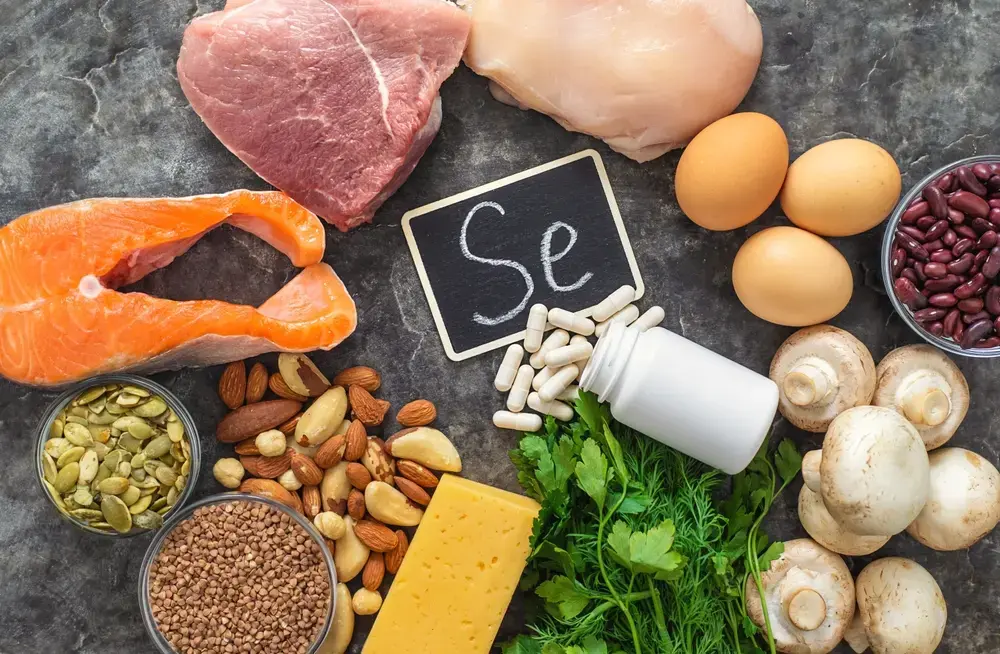
Which foods naturally contain Selenium?
Selenium is found in many common food items.
| Plant Sources | Animal Sources |
| Brazil Nuts | Chicken, Beef |
| Green Vegetables | Pork ,Eggs |
| Button mushrooms | Fish , Oysters |
| Sunflower Seeds | Tuna , Crab |
| Chia Seeds | Halibut fish |
What are the consequences of low or deficient Selenium levels?
Low selenium levels impair the protective mechanisms due to insufficient selenoproteins, which act as antioxidants to prevent cellular damage from free oxygen and nitrogen. This deficiency can also disrupt cell function because of selenium’s role in thyroid metabolism. As a vital trace element, selenium affects multiple bodily systems. Selenium deficiency can lead to:
– Mild deficiency, which may be imperceptible.
– Moderate deficiency, increasing the risk of male infertility, prostate cancer, neurological
symptoms and thyroid problems.
– Severe deficiency, causing heart and joint muscle issues
What is the recommended daily dosage for treatment?
Men: 70 mcg per day
Women: 55 mcg per day
These dosages can be taken orally and are often found in combination with other supplements.
Conclusion: Selenium plays a crucial role in cellular metabolism, and its deficiency can lead to various symptoms. Specifically, regarding hair loss, selenium is vital in maintaining the normal hair growth cycle, and addressing selenium deficiency could potentially reverse the adverse effects on hair health.

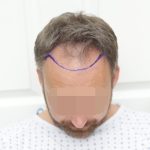


 Before the surgery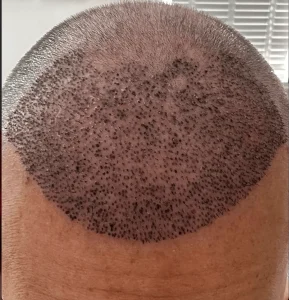

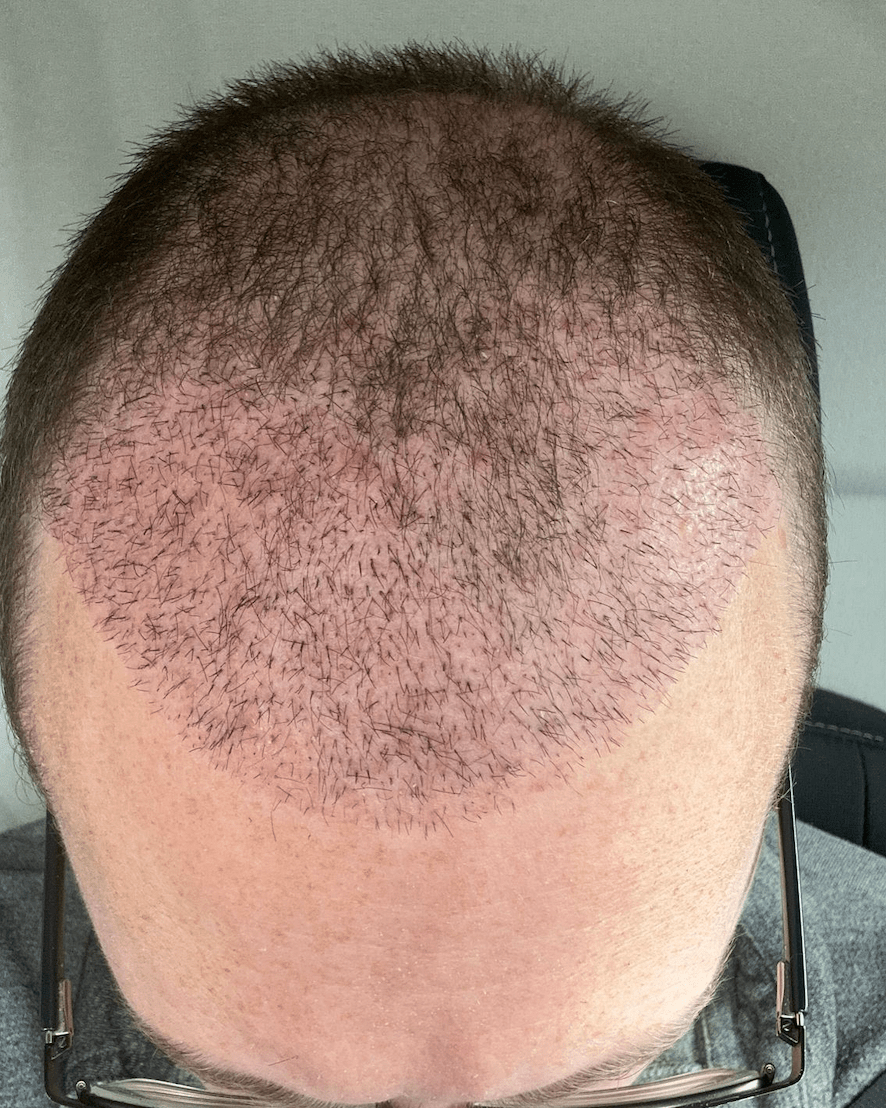 6 weeks after Surgery
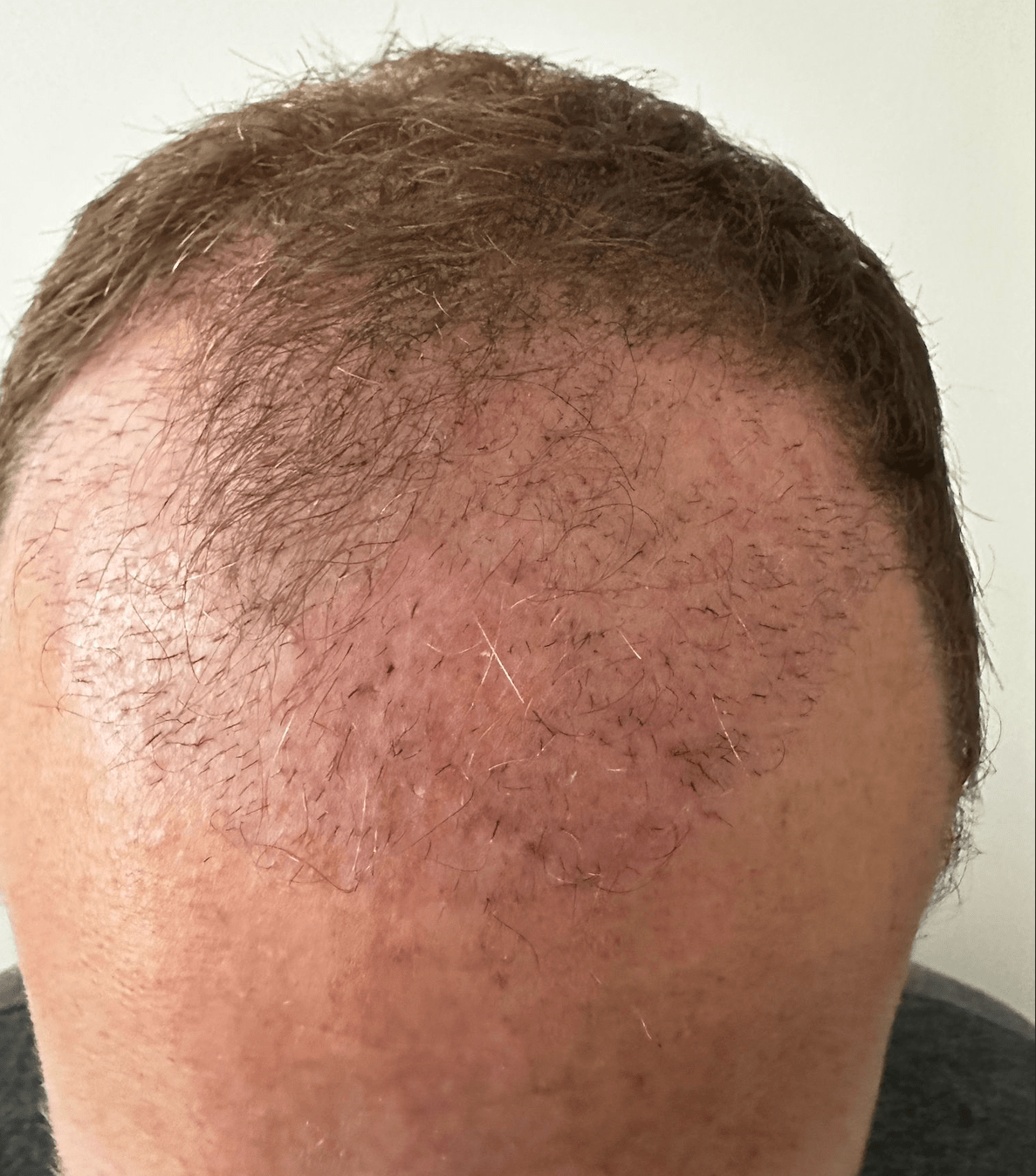 3 months after Surgery
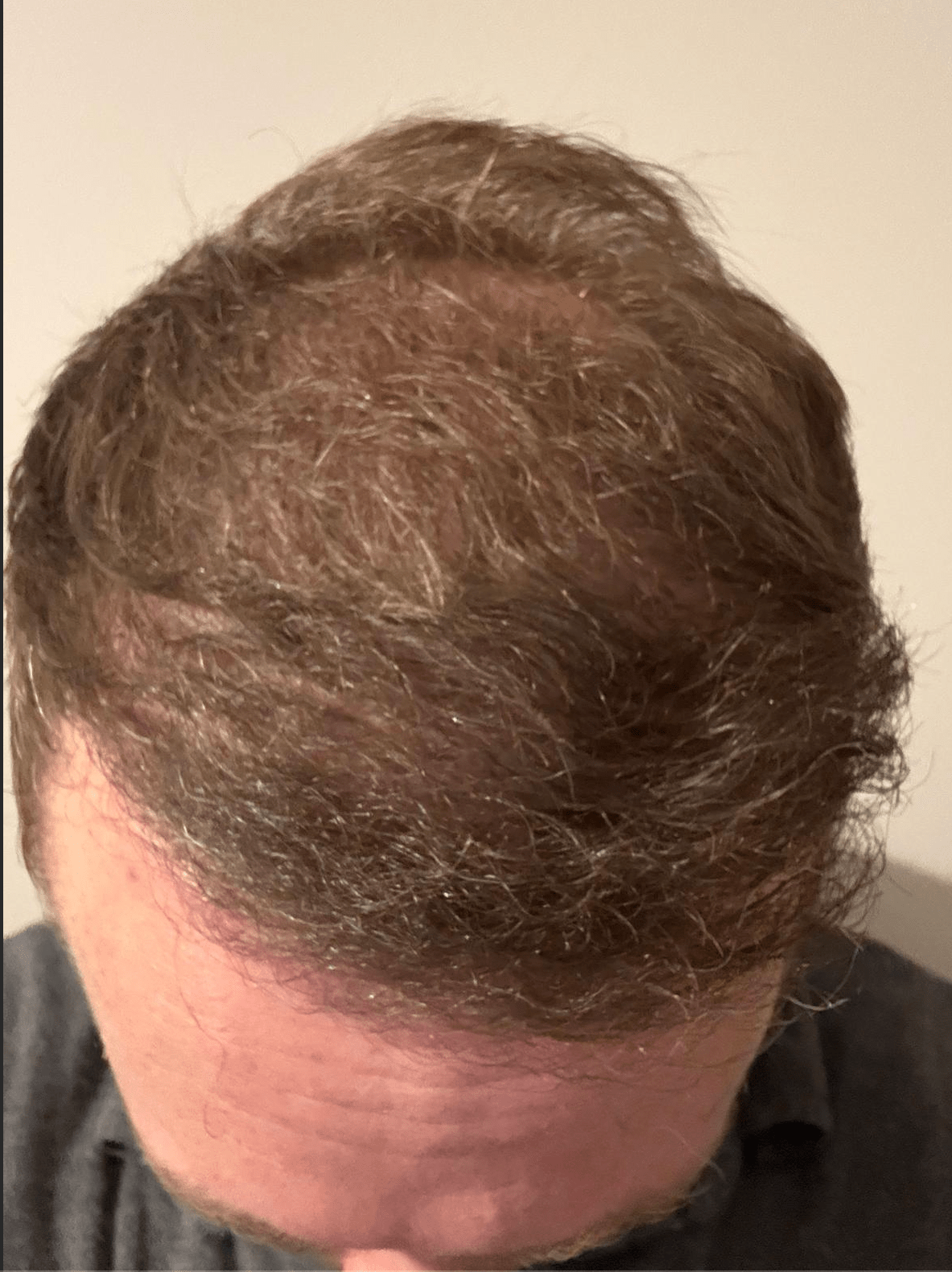 10 months after Surgery
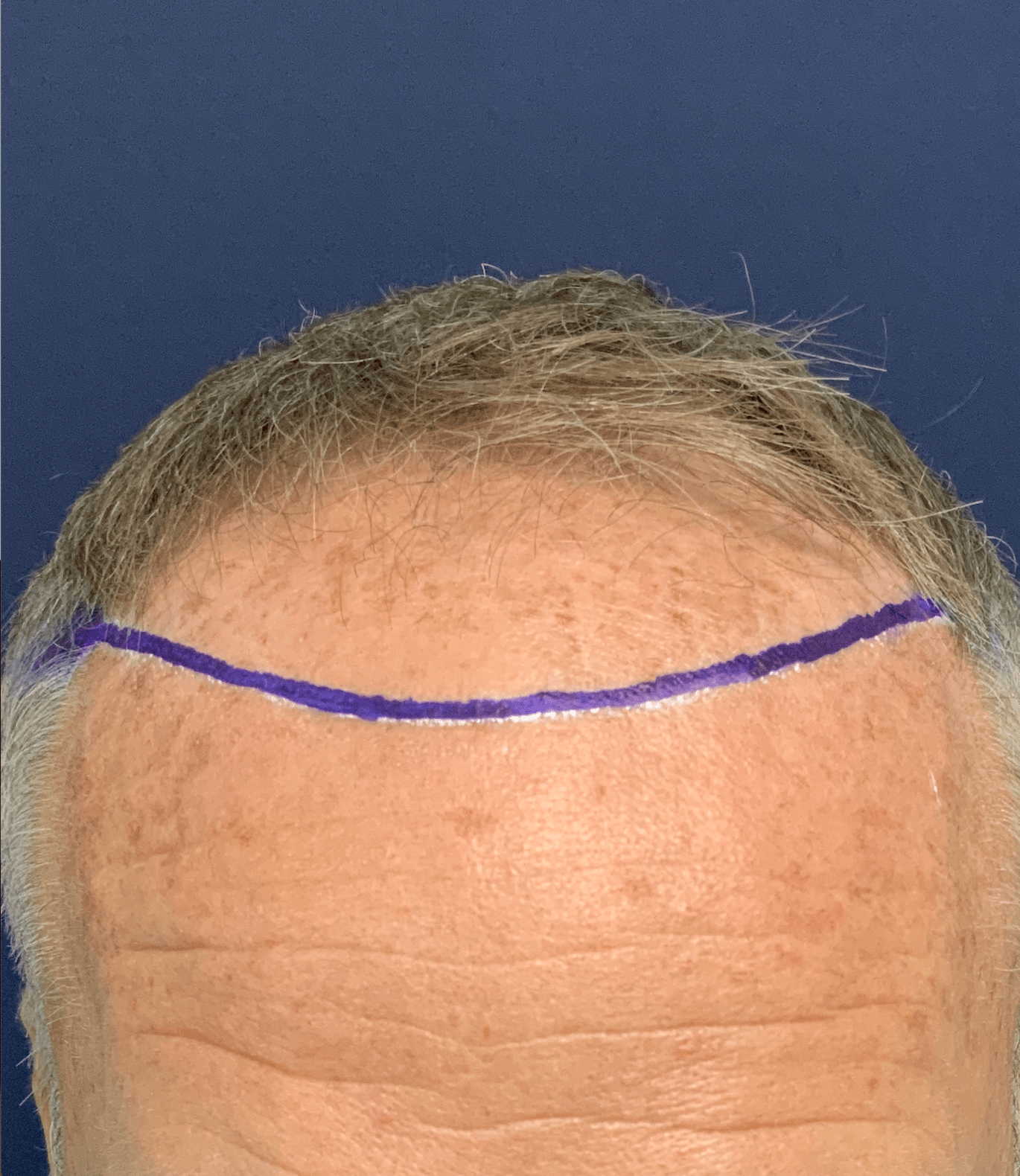 Before the surgery
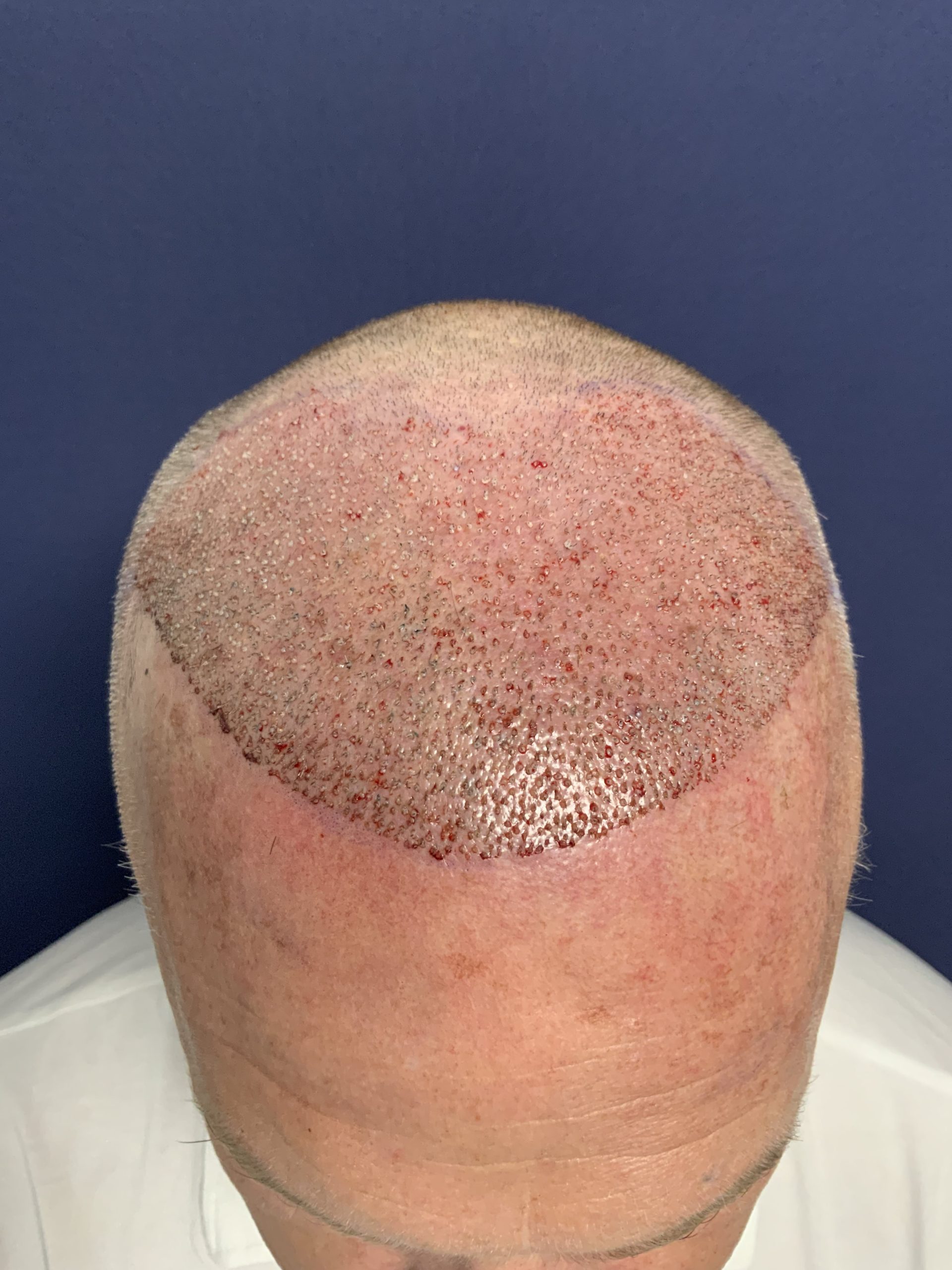 Day of the Surgery
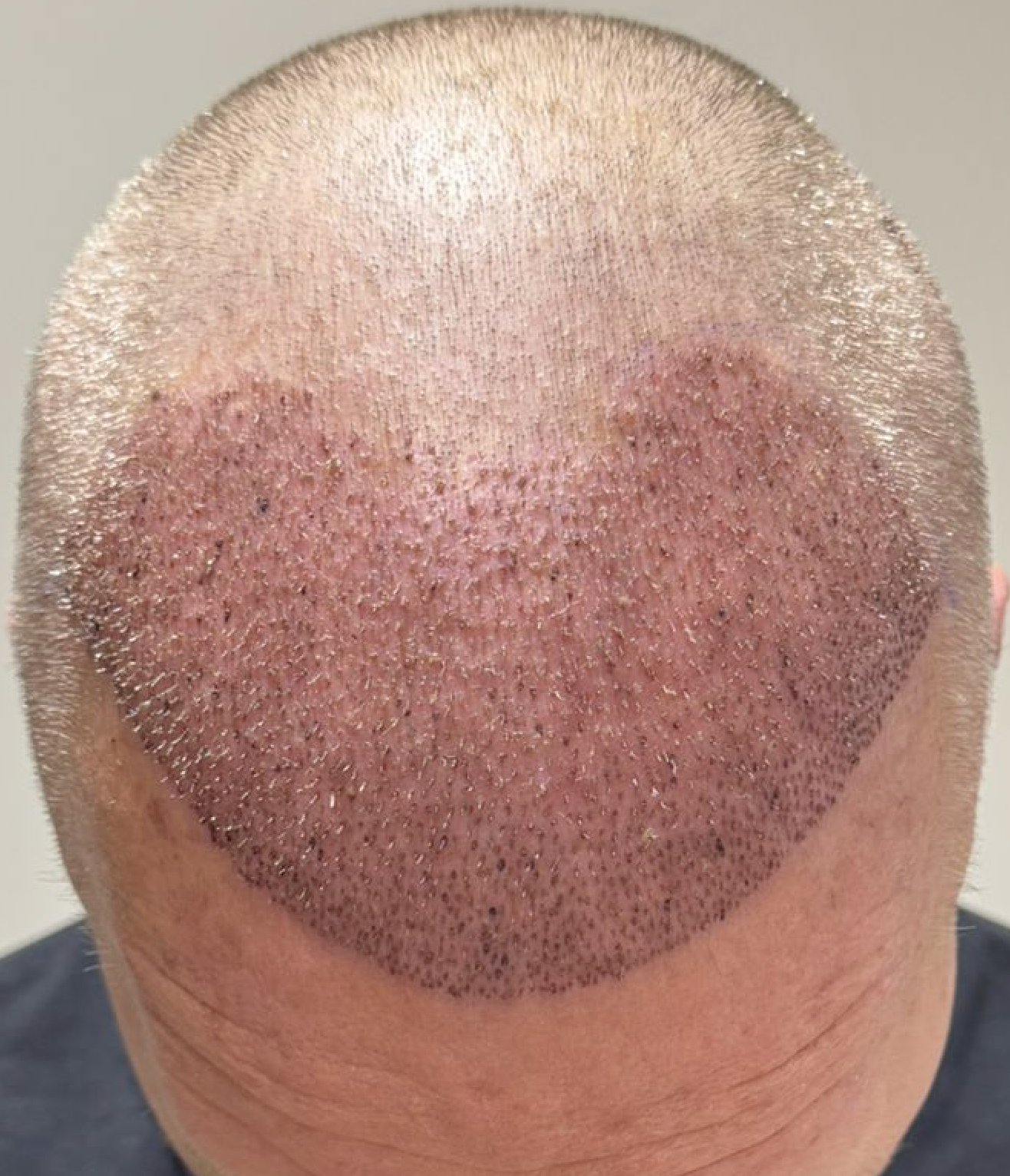 7 days After the Surgery
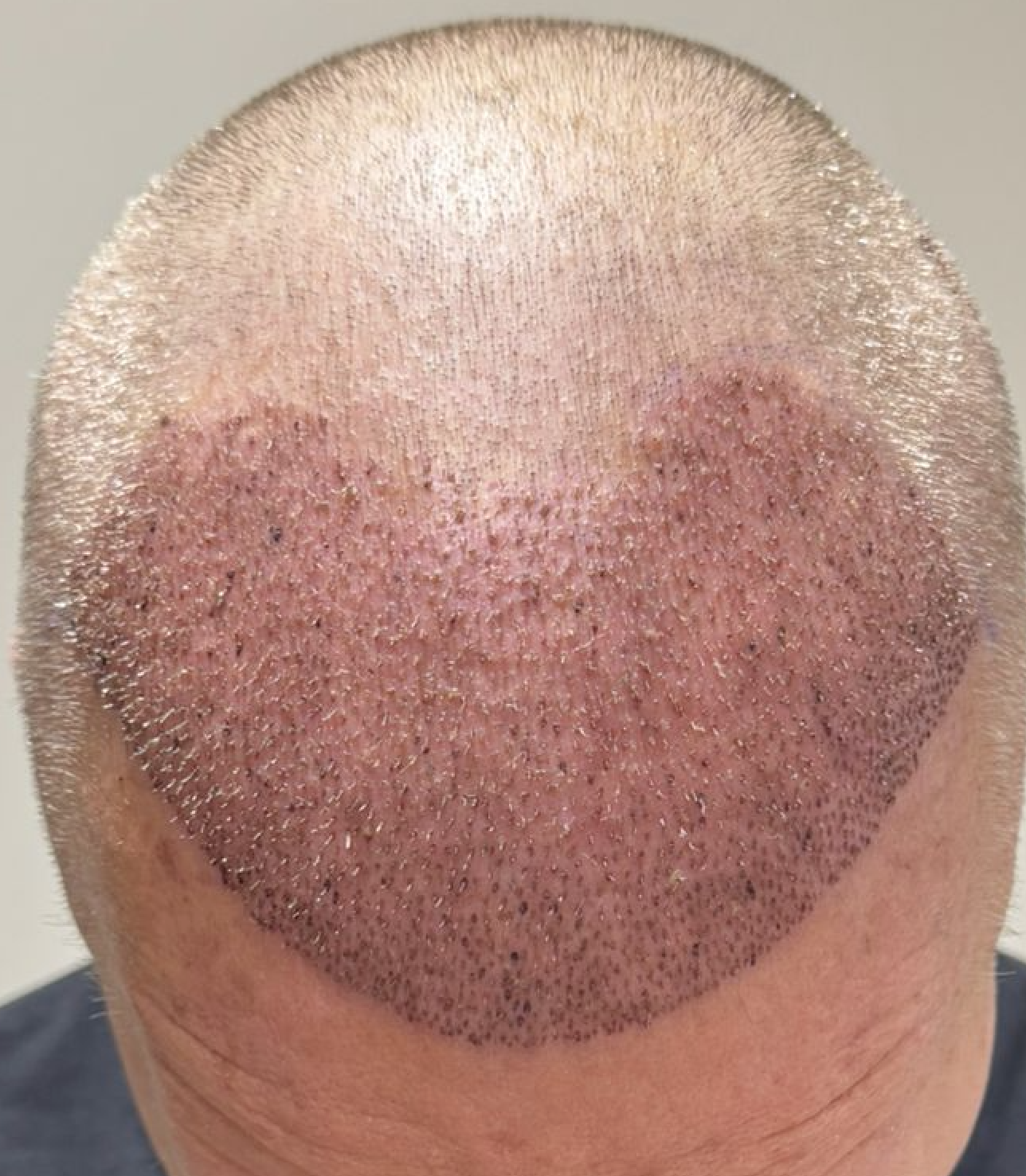 10 days After the Surgery
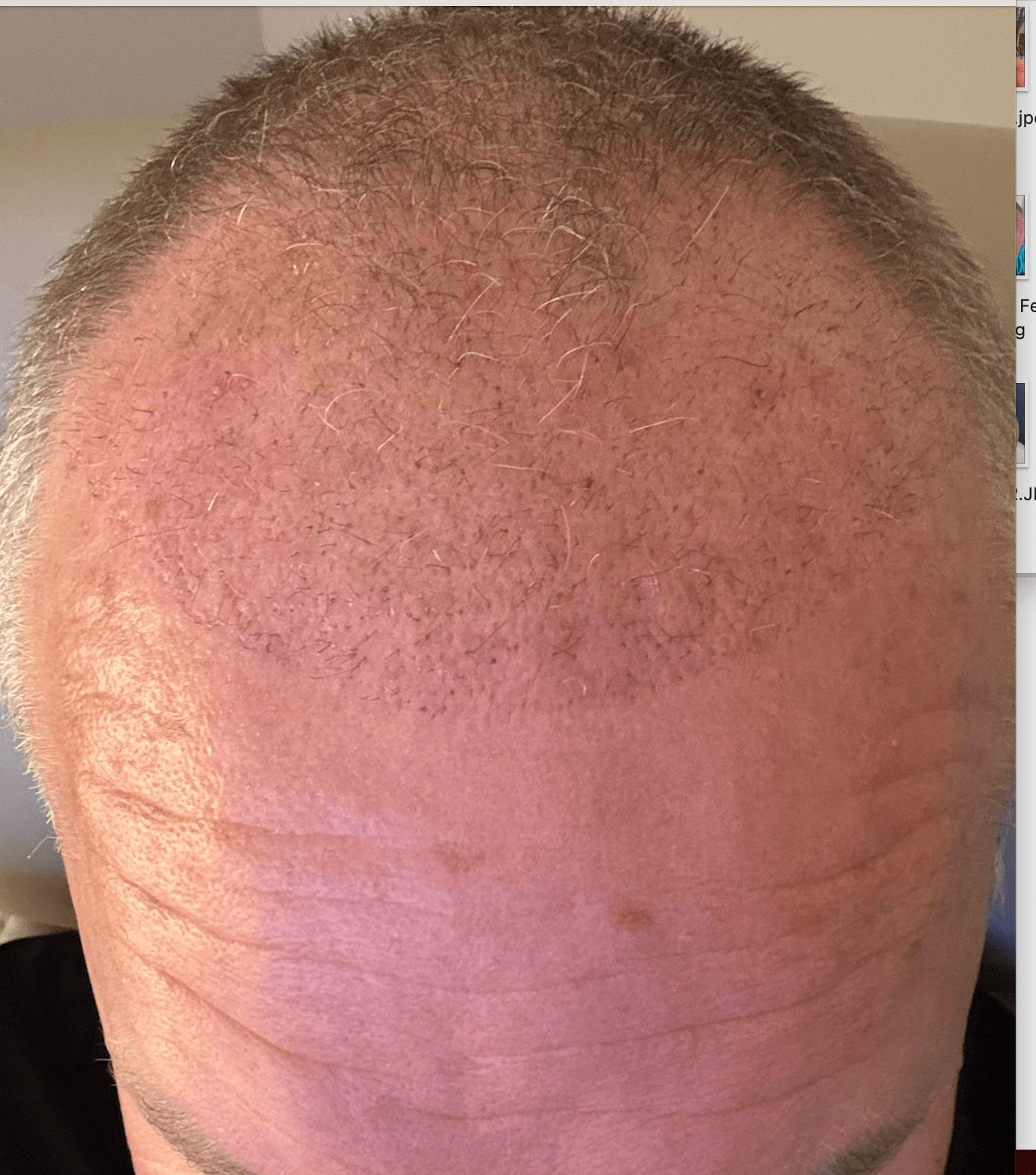 30 days After the Surgery
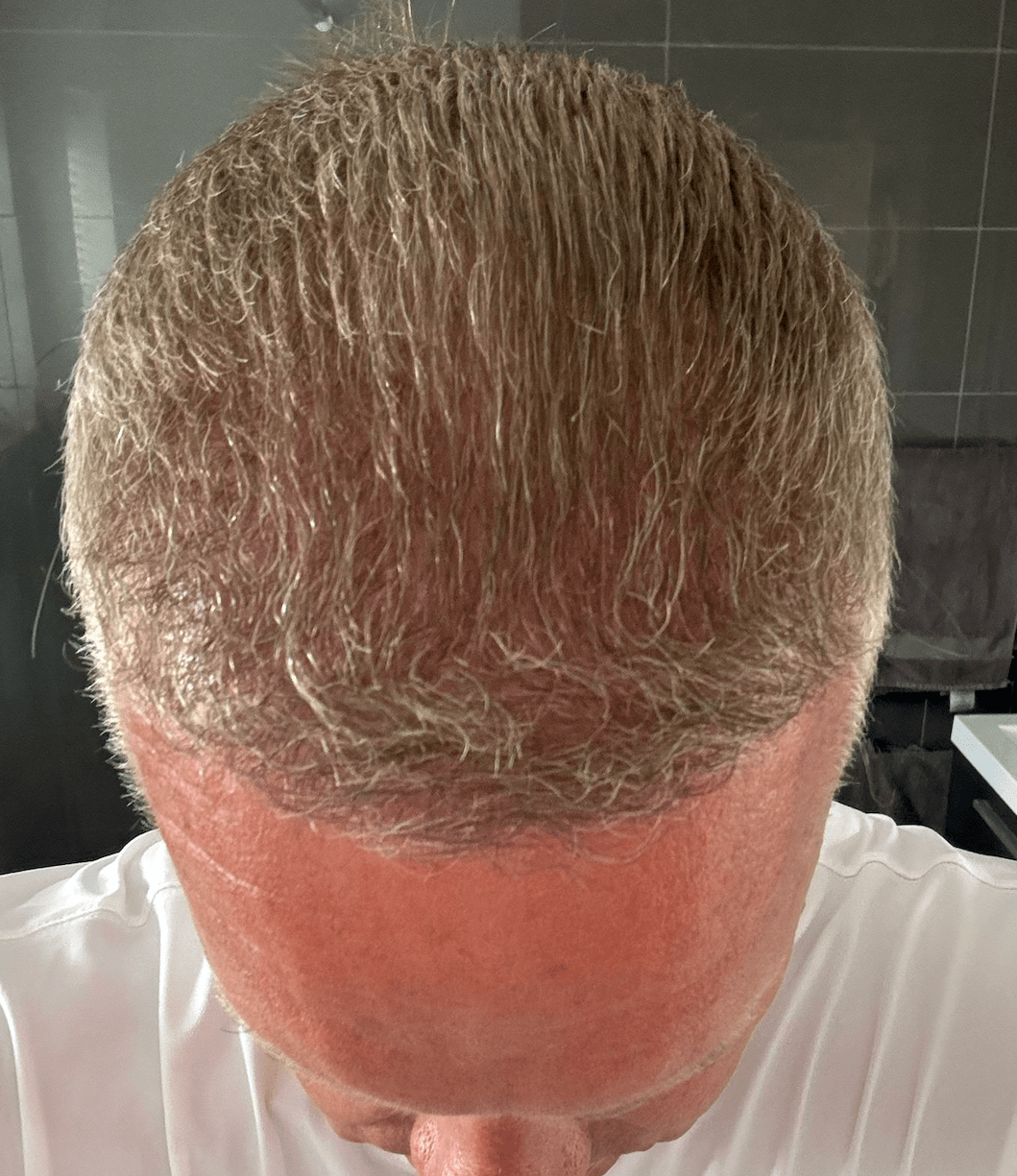 After 12 months
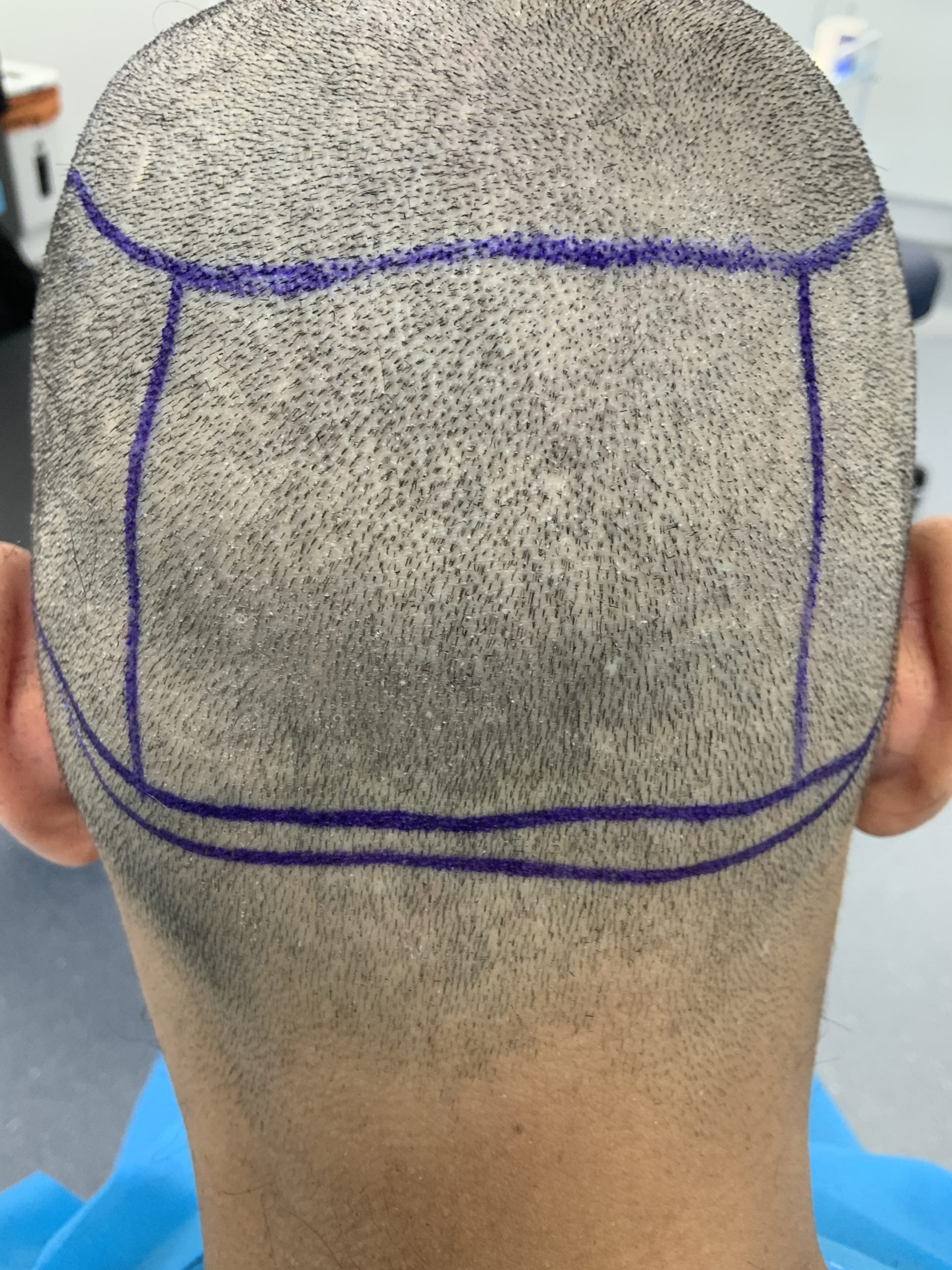 Before the surgery
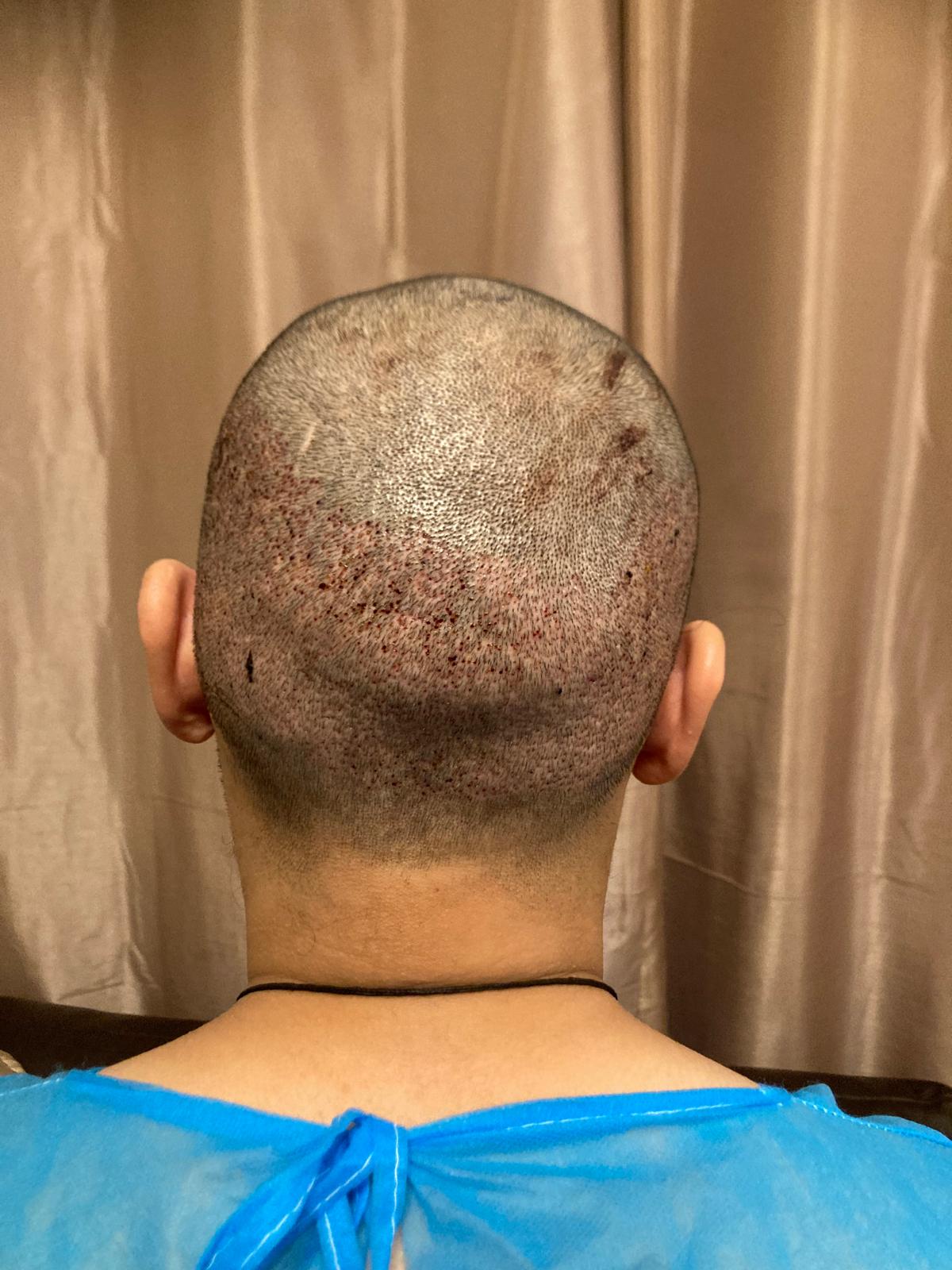 After 2 Days of Surgery
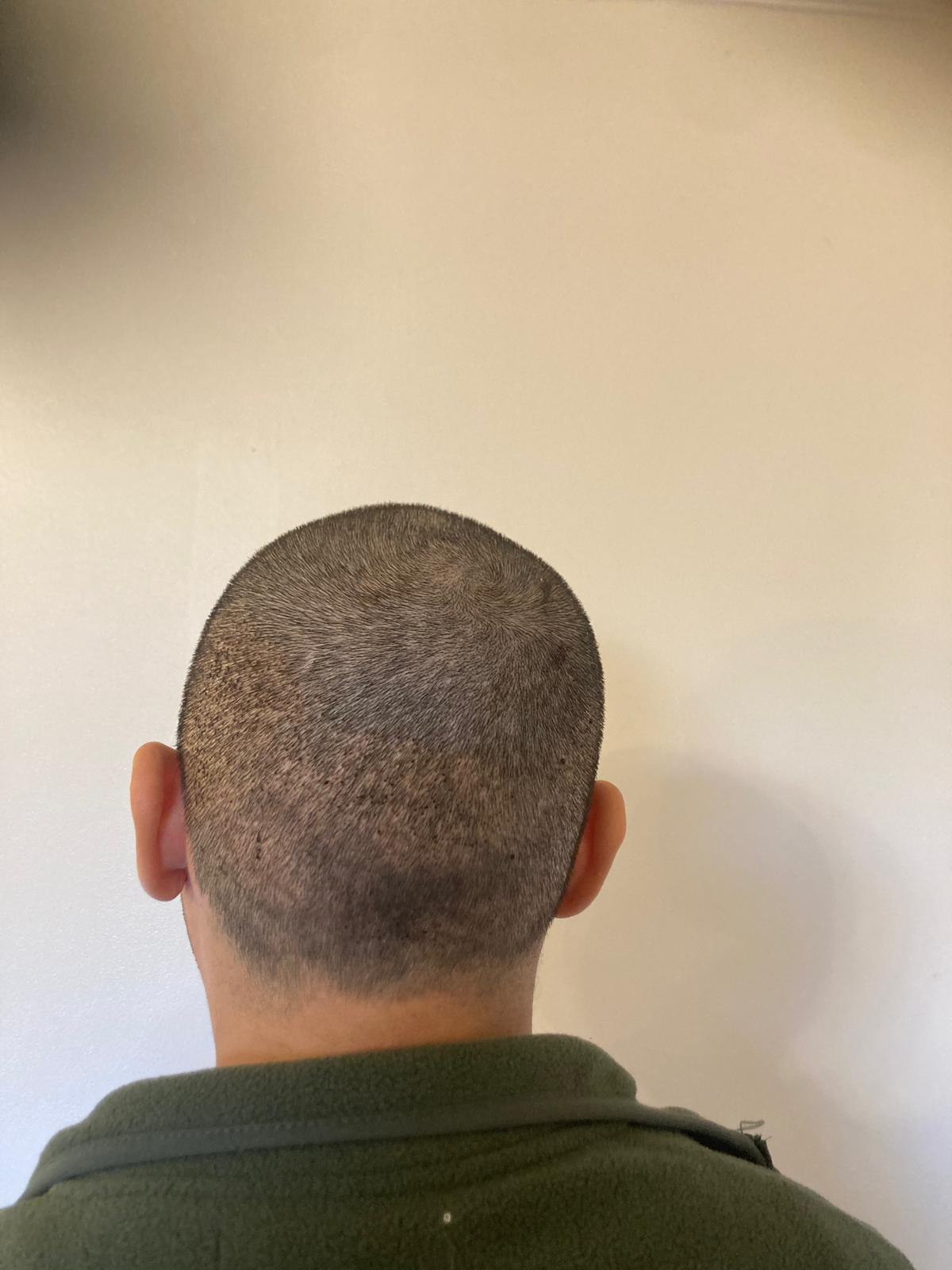 After 4 Days of Surgery
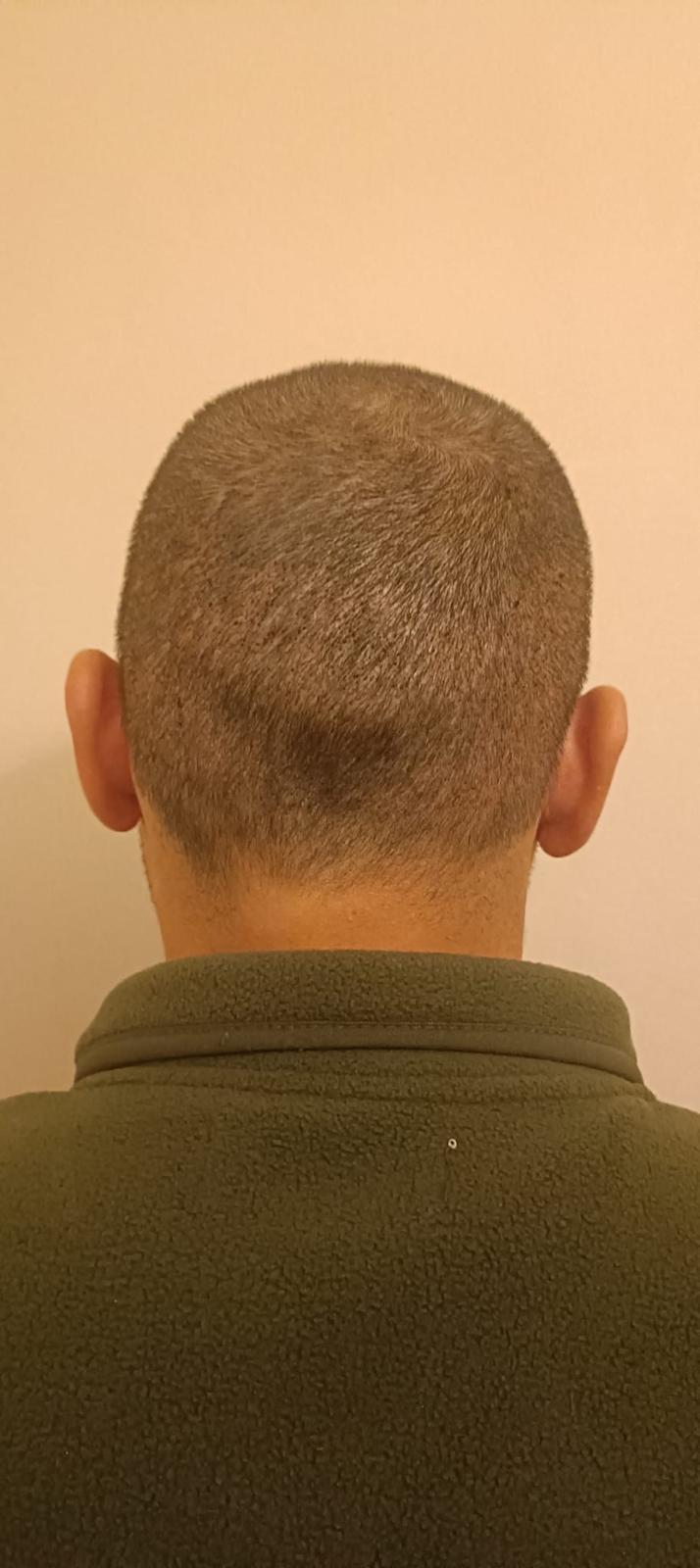 After 8 Days of Surgery
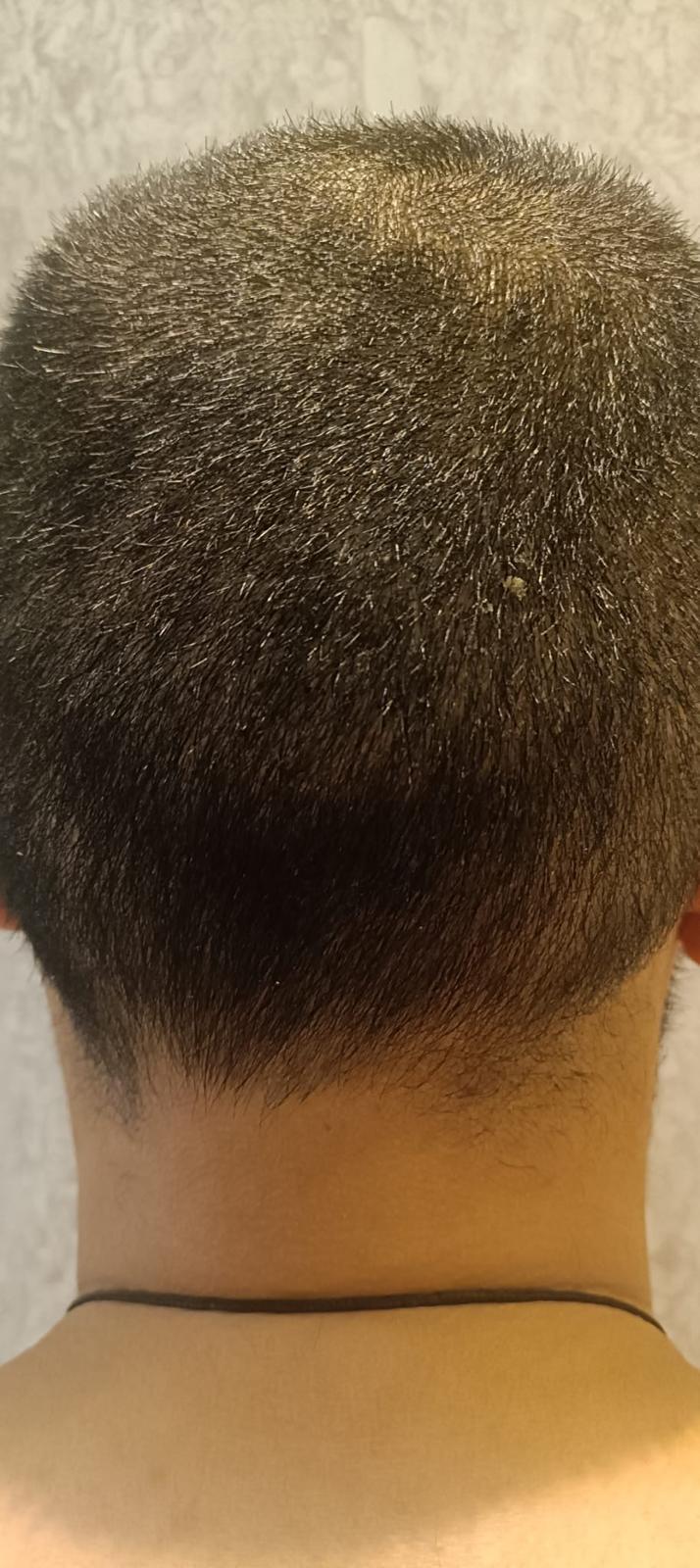 After 28 Days of Surgery
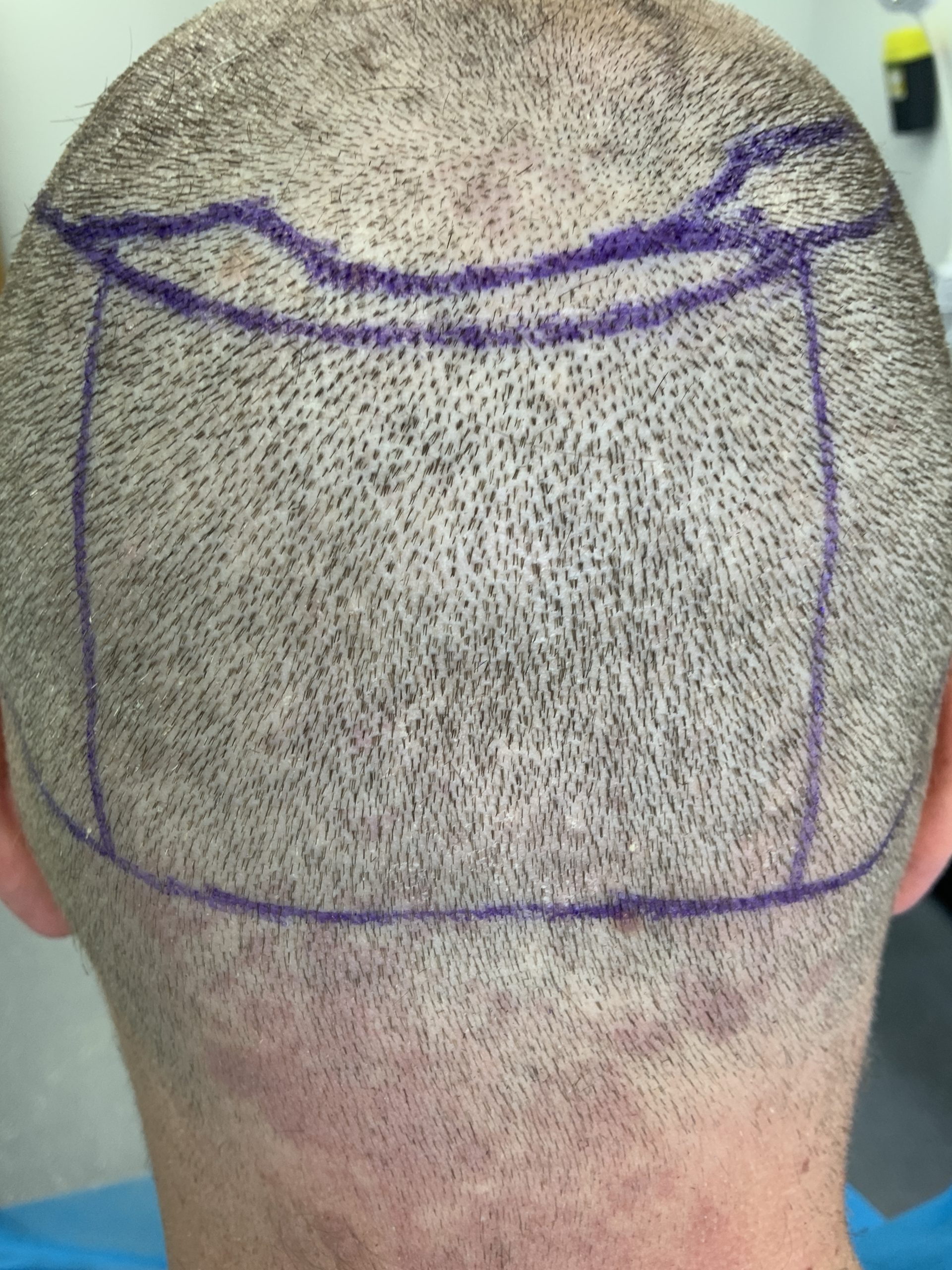 Before the surgery
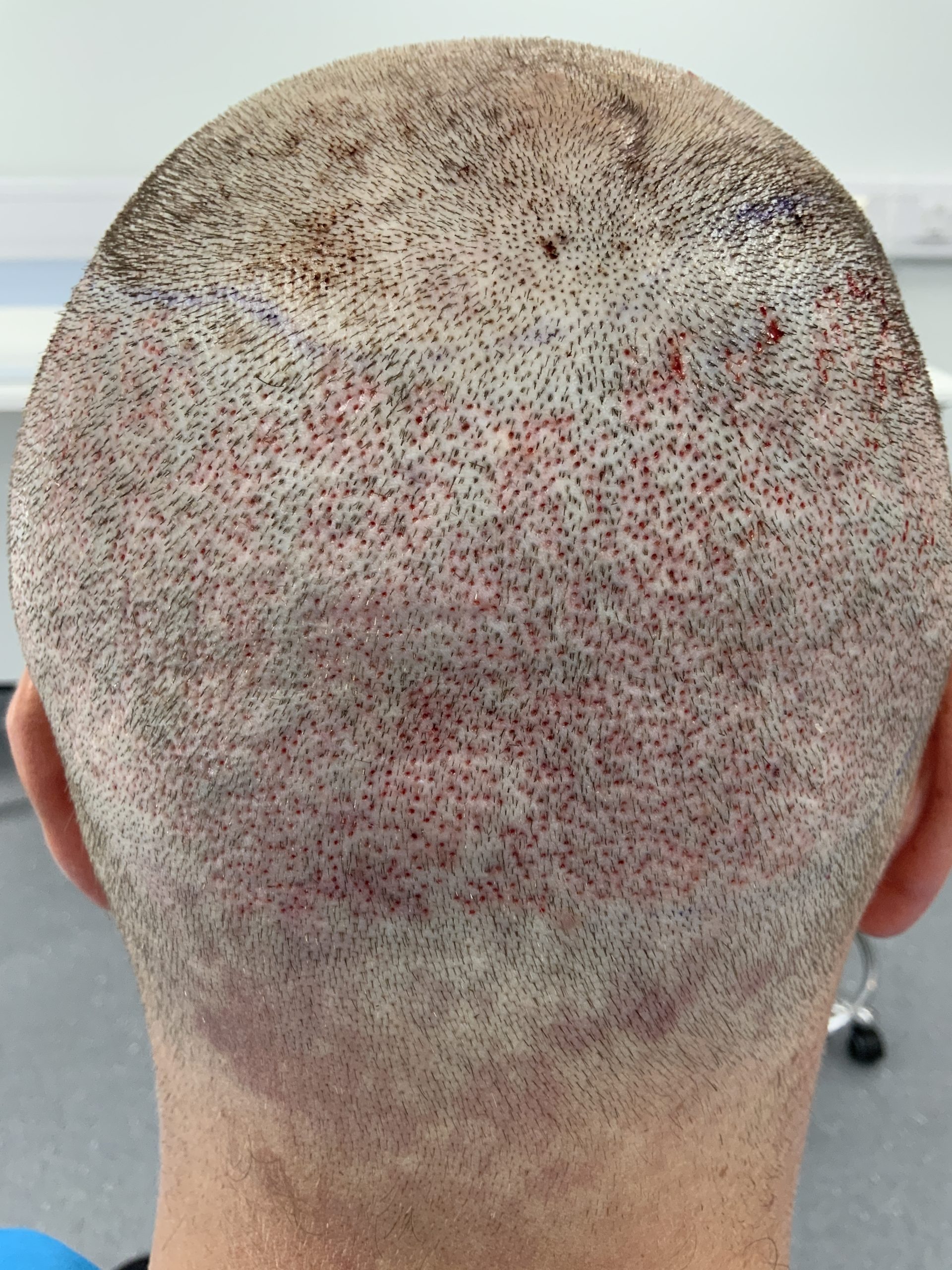 Day of the surgery 1
 12 Months after the surgery
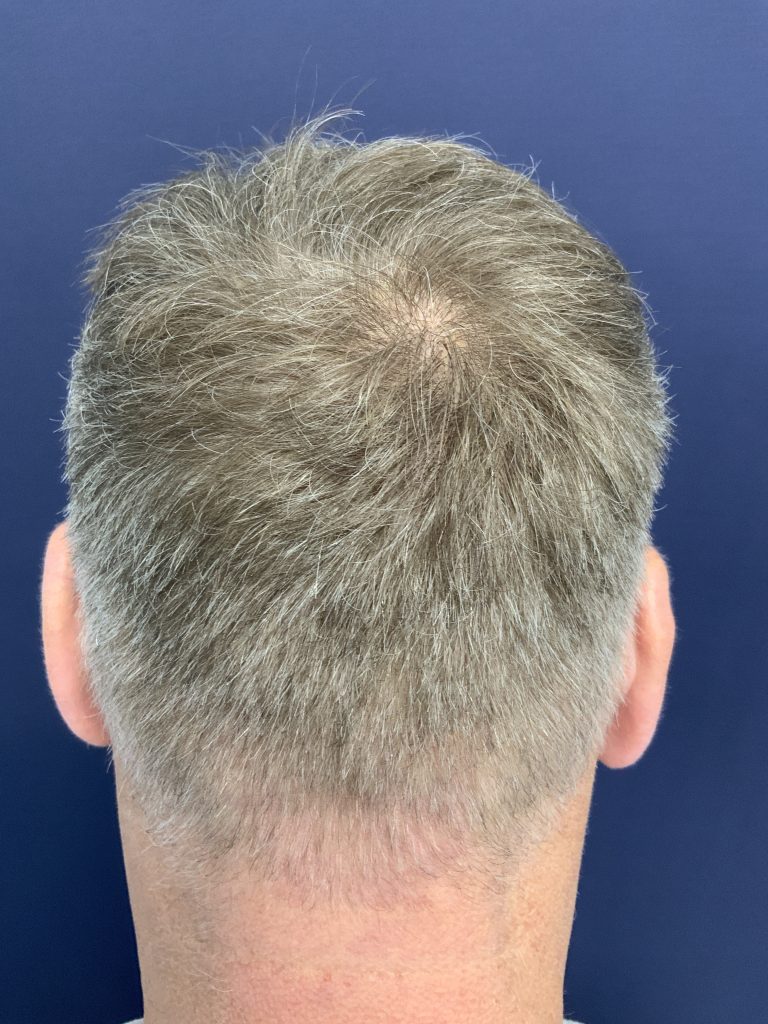 Before Donor
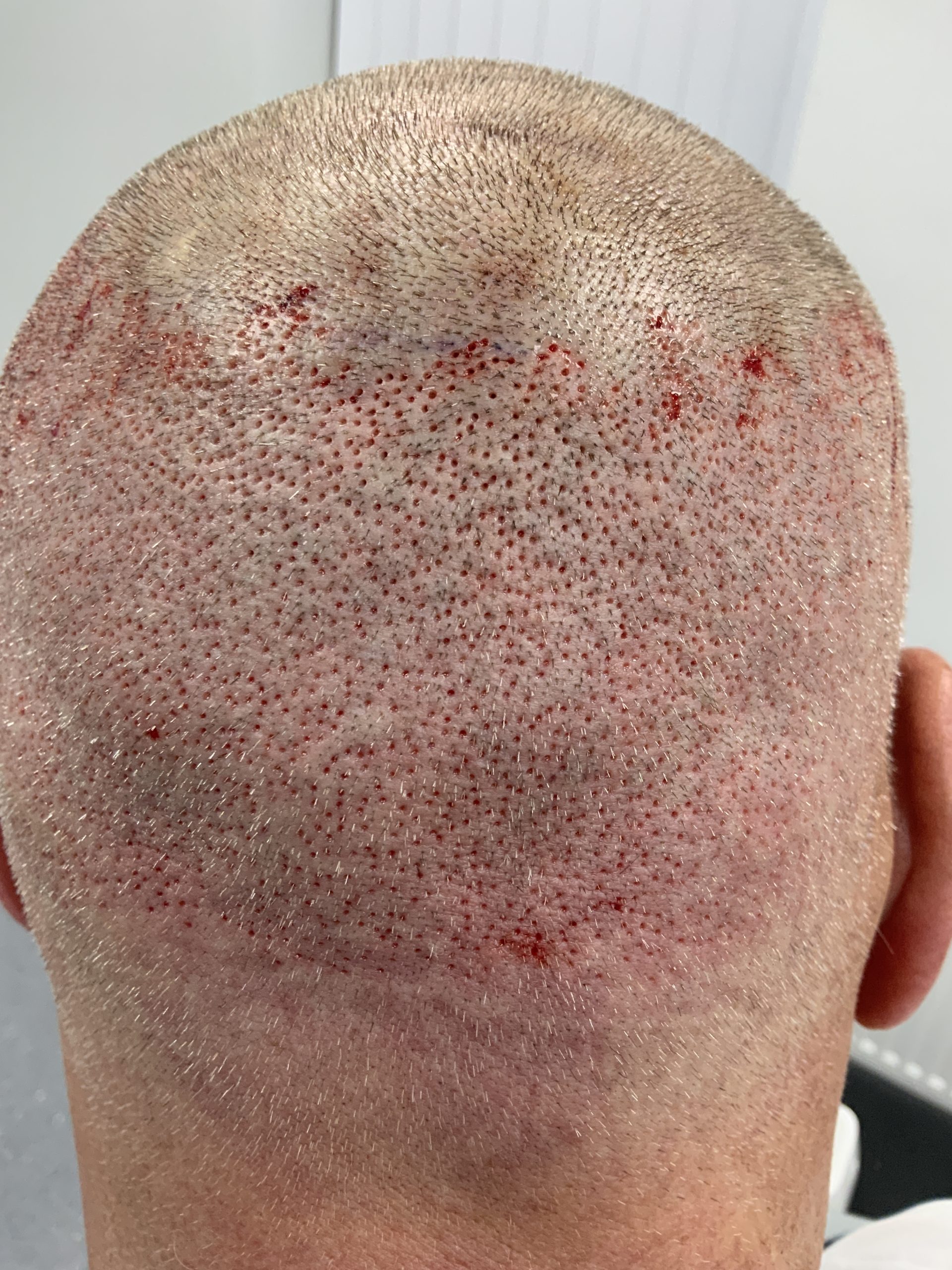 Day 1
Day 1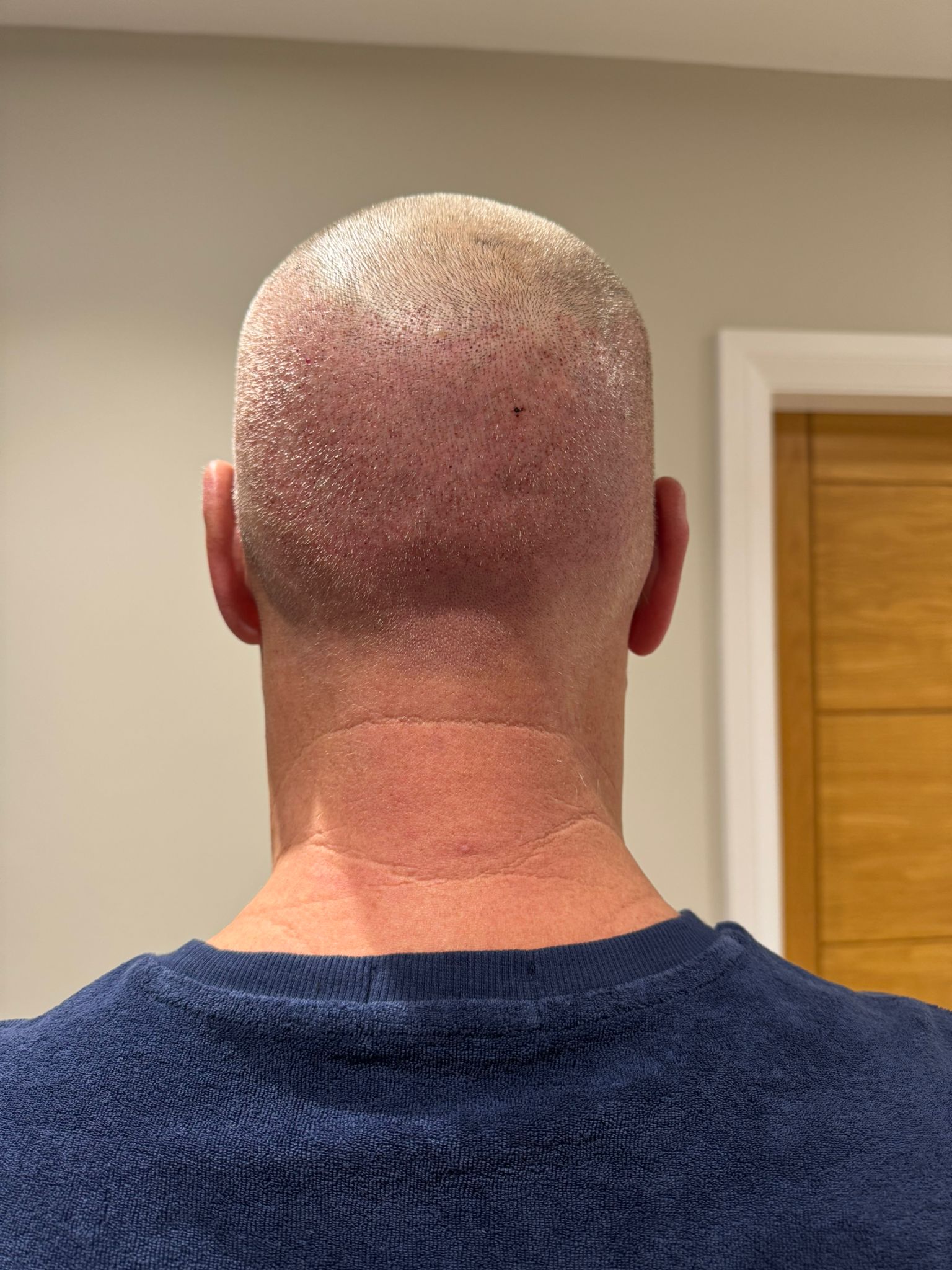 Day 7
Day 7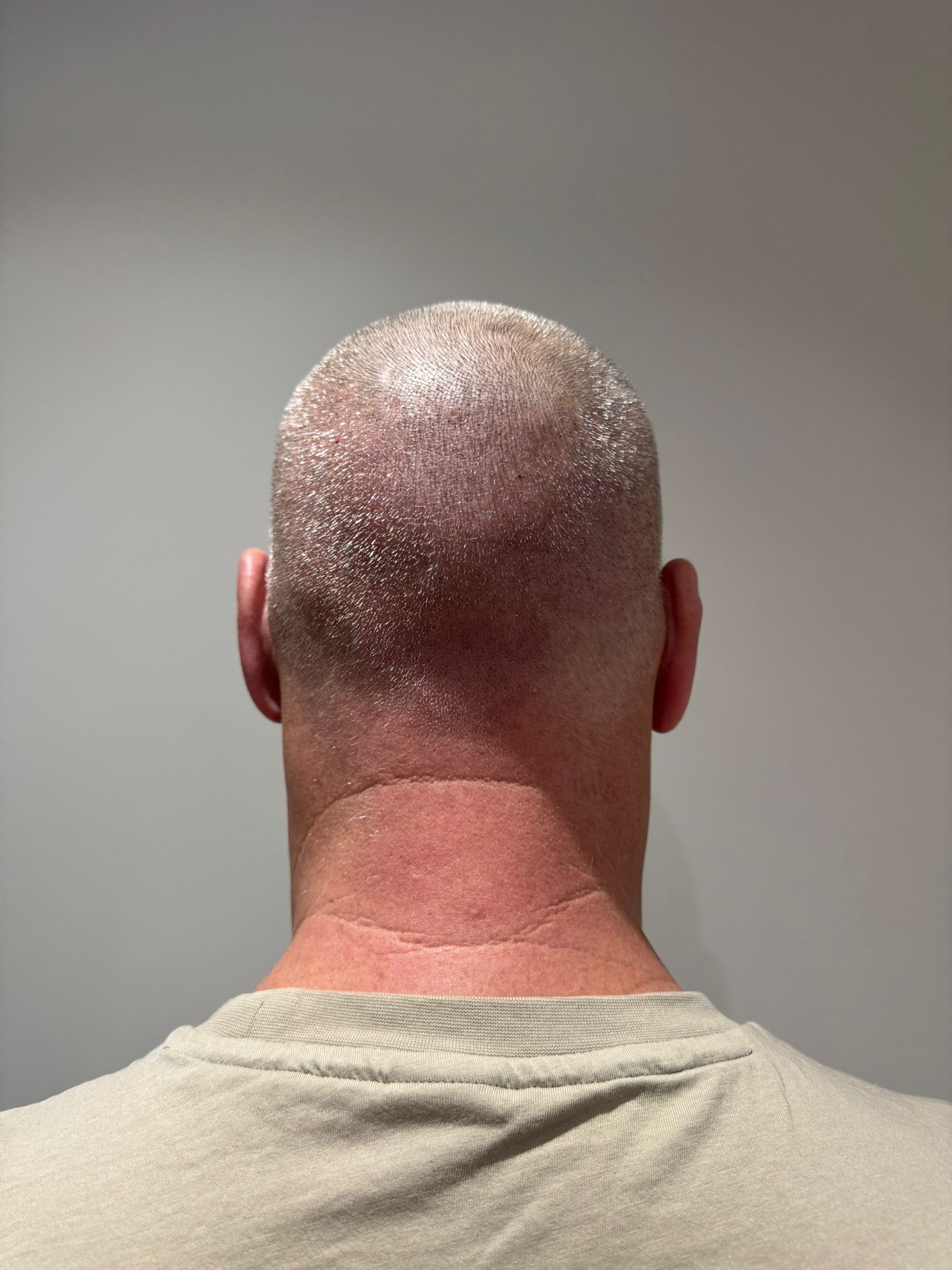 4 Weeks
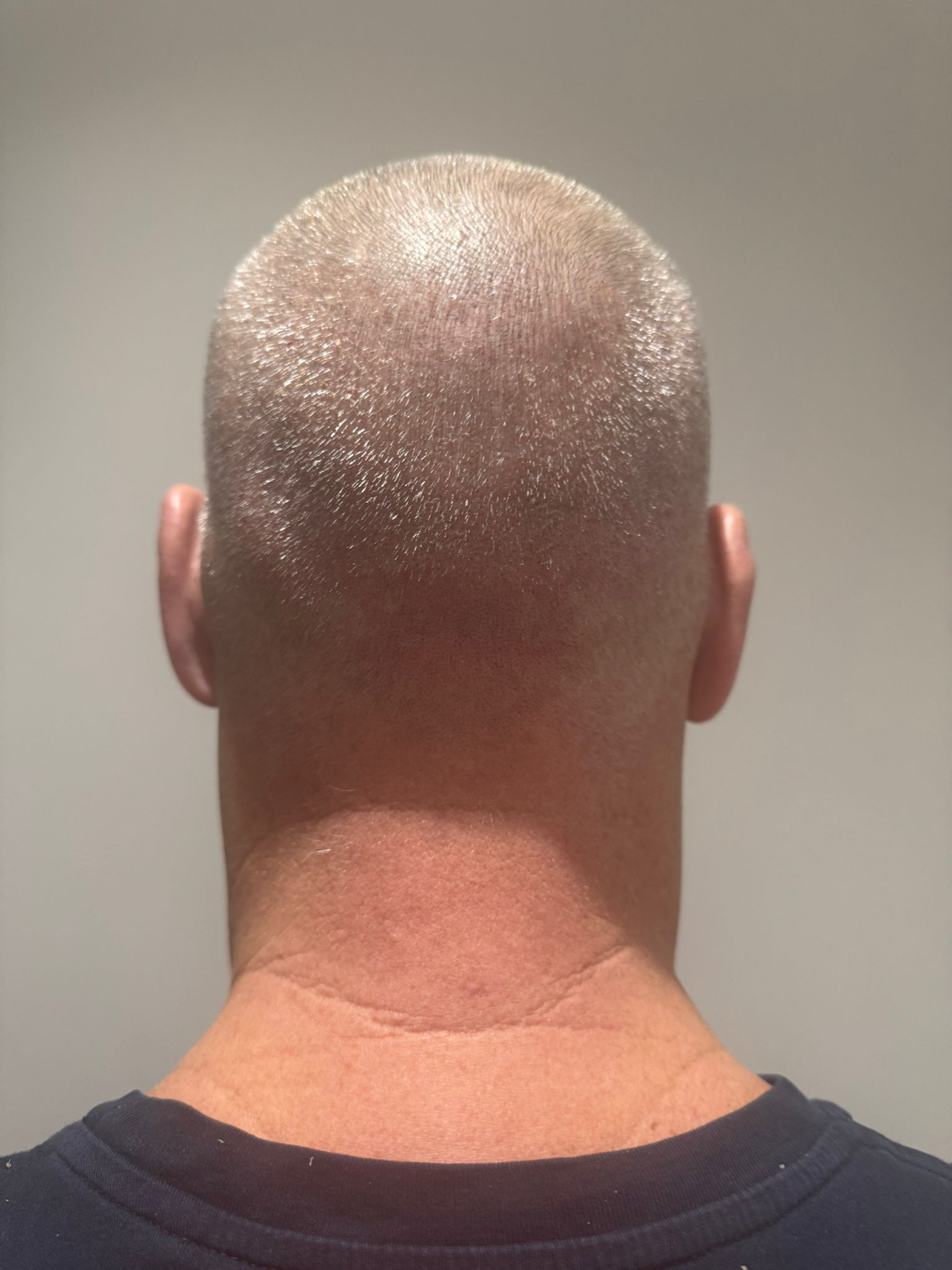 6 Weeks
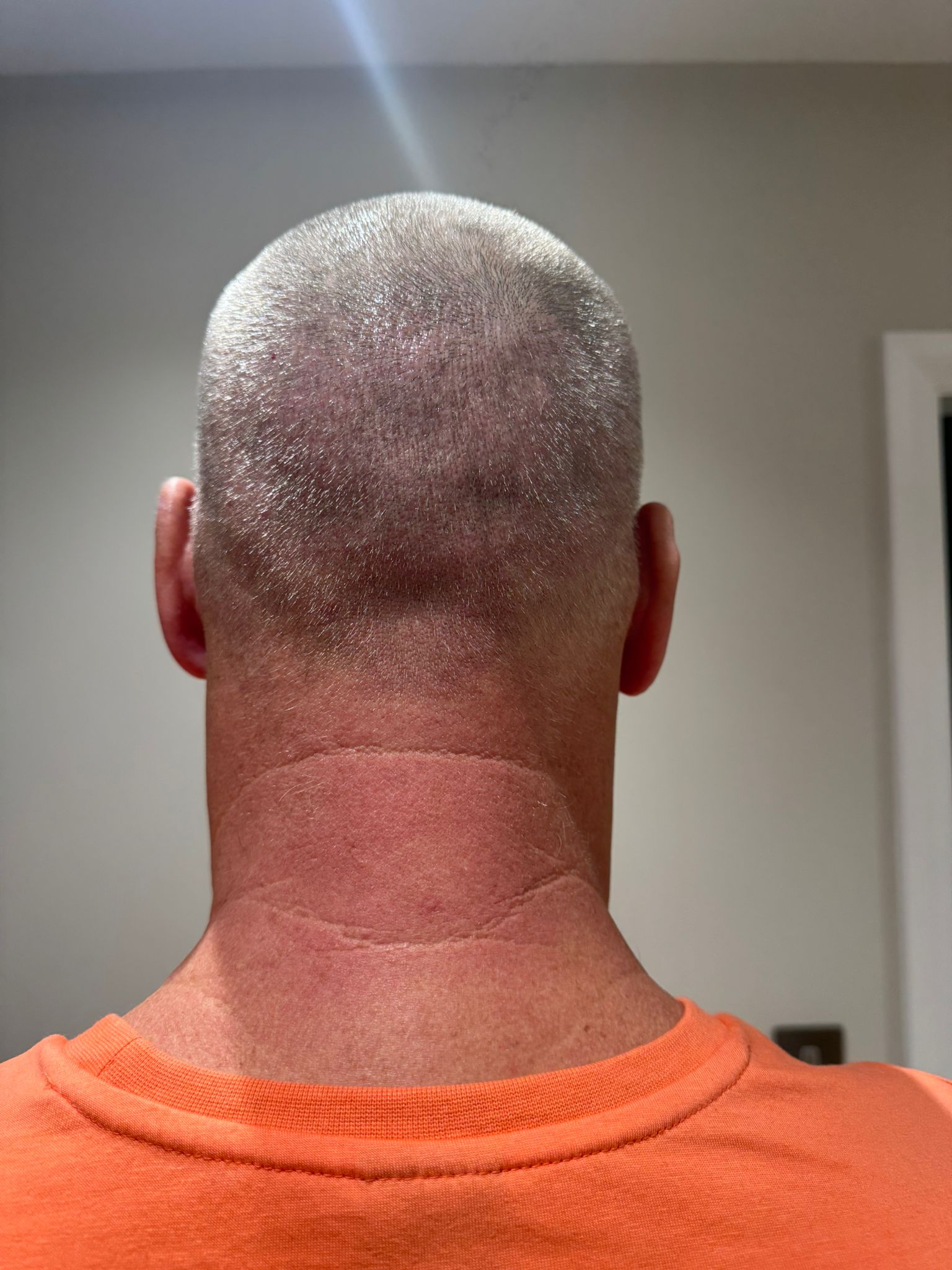 8 Weeks
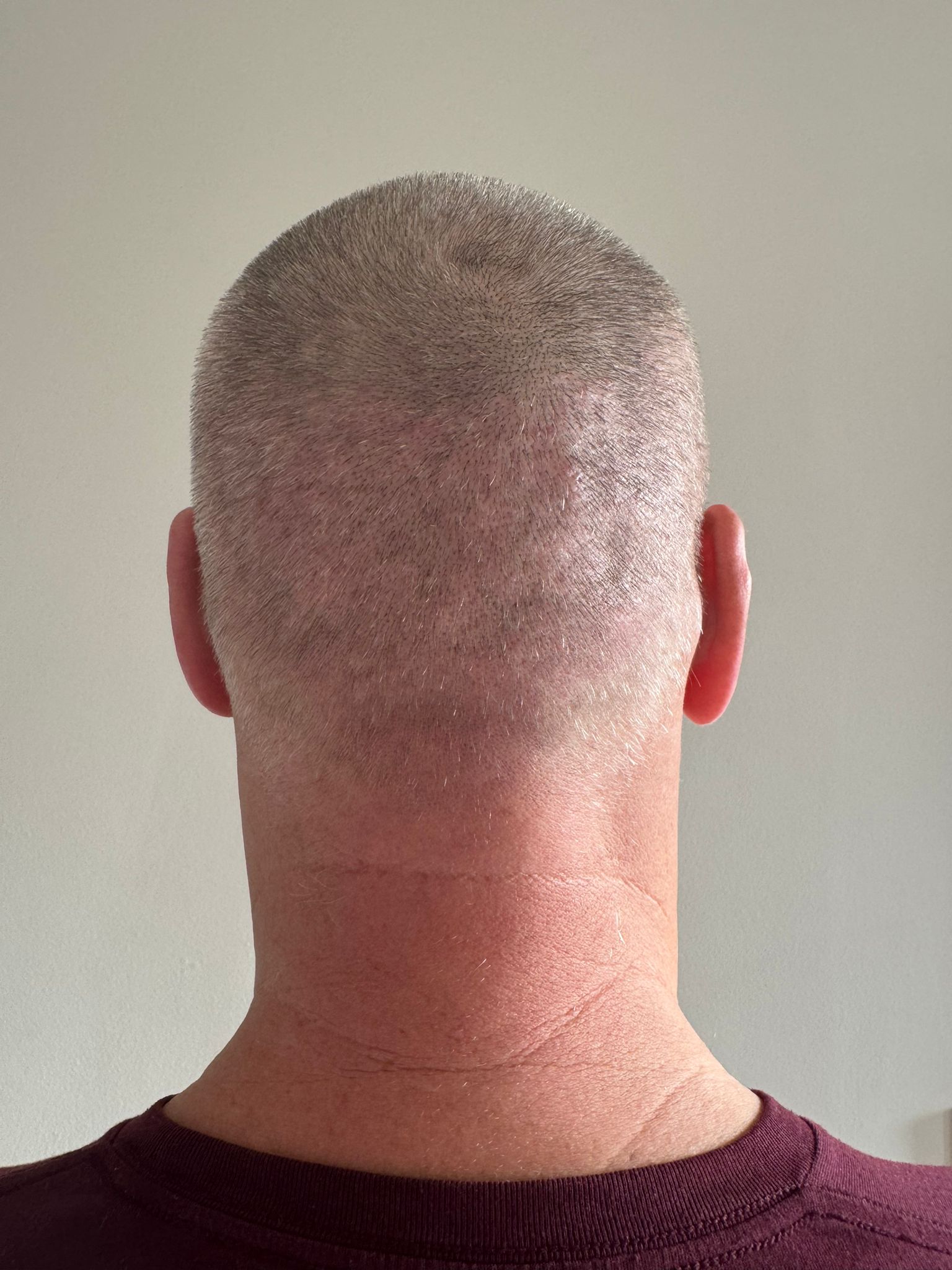 12 Weeks
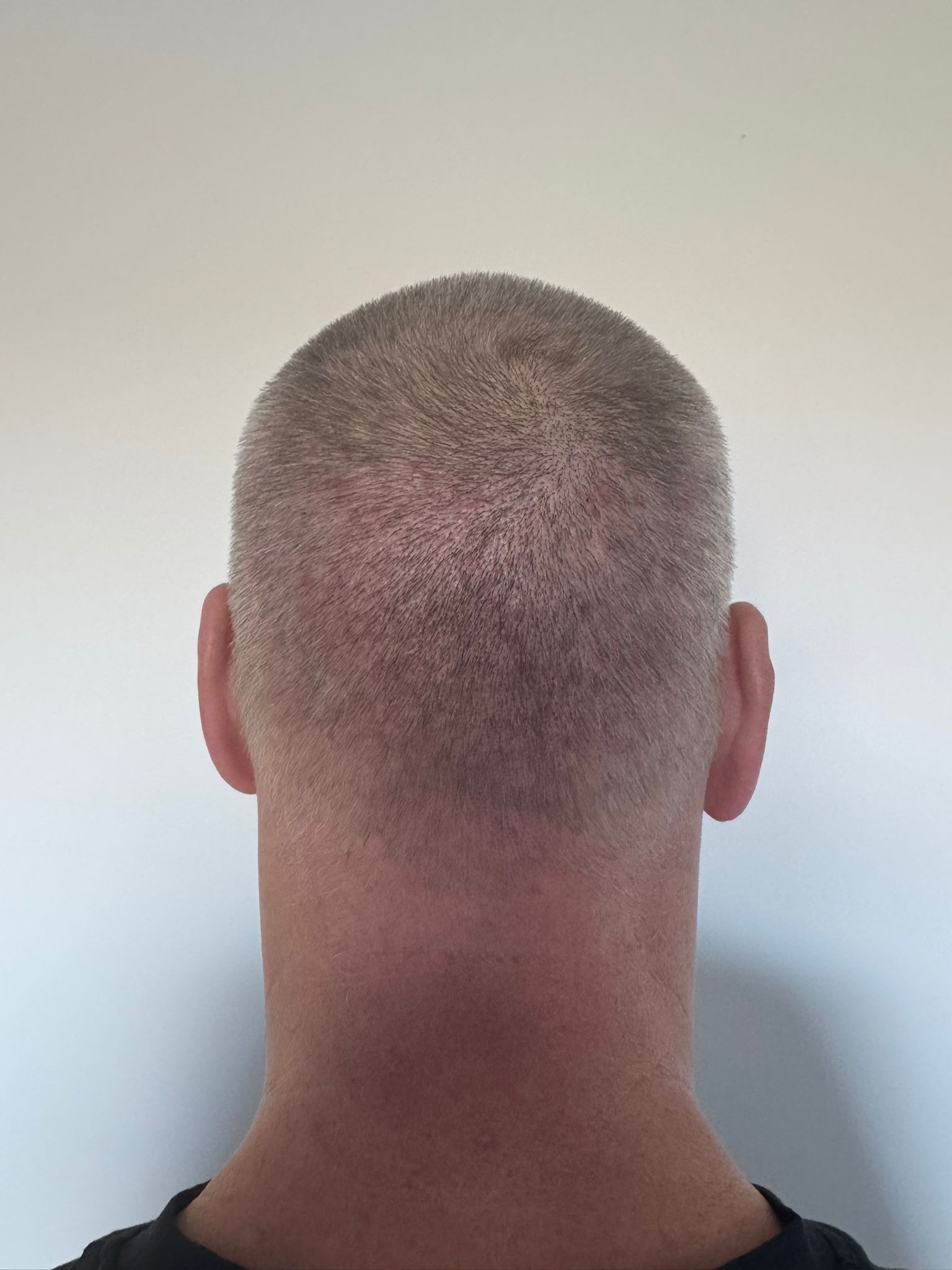 20 Weeks
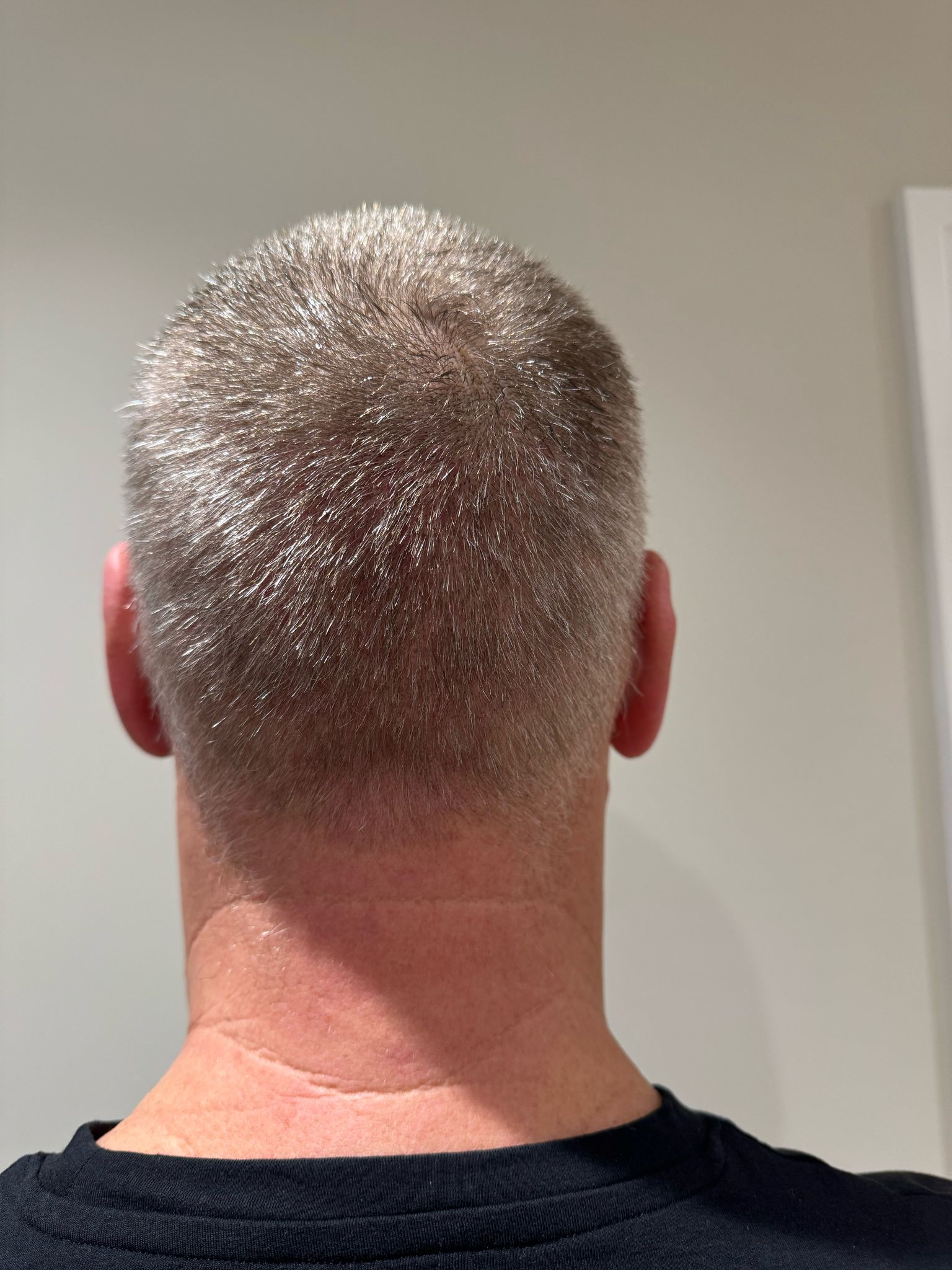 28 Weeks
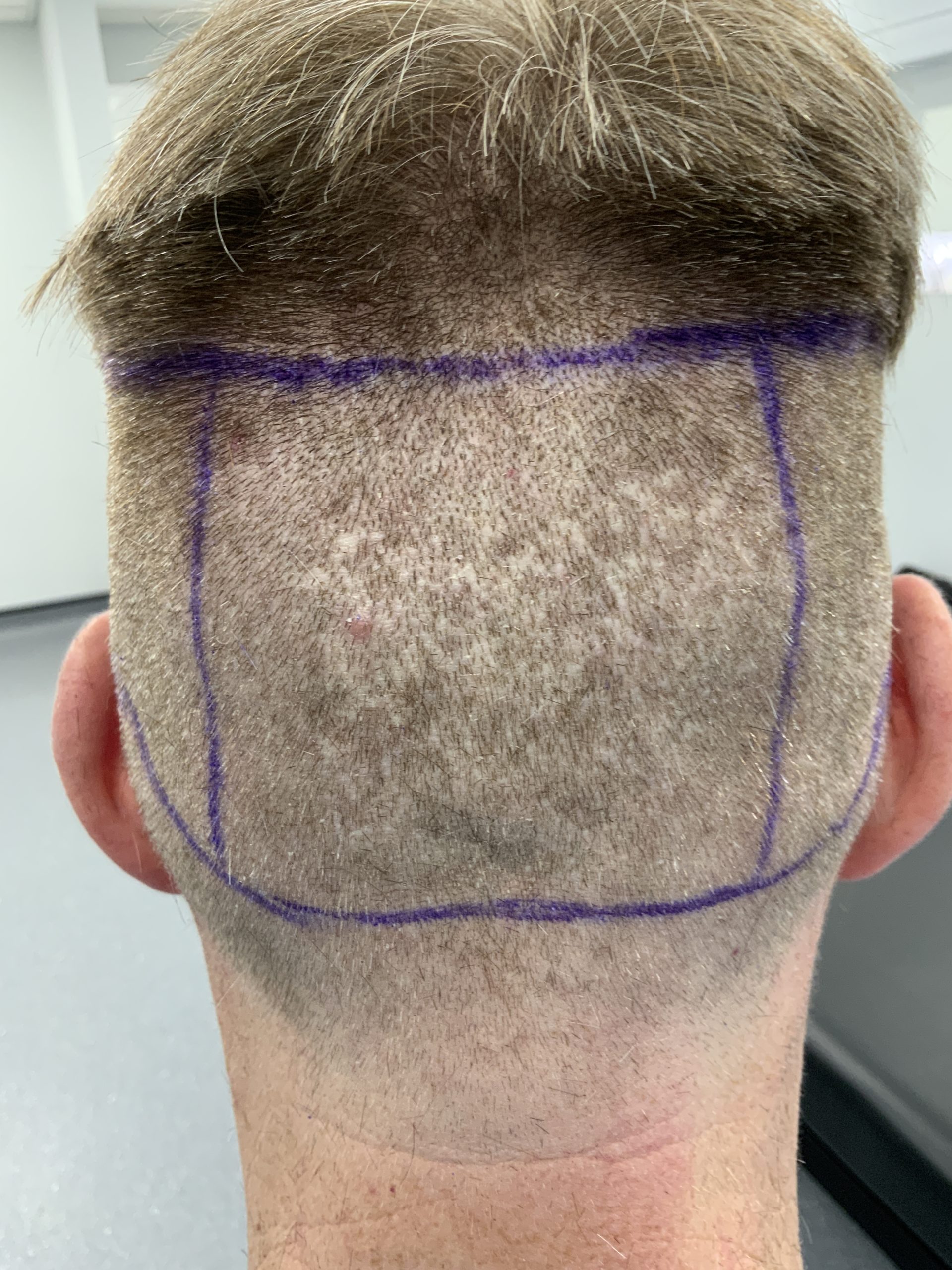 Before the surgery
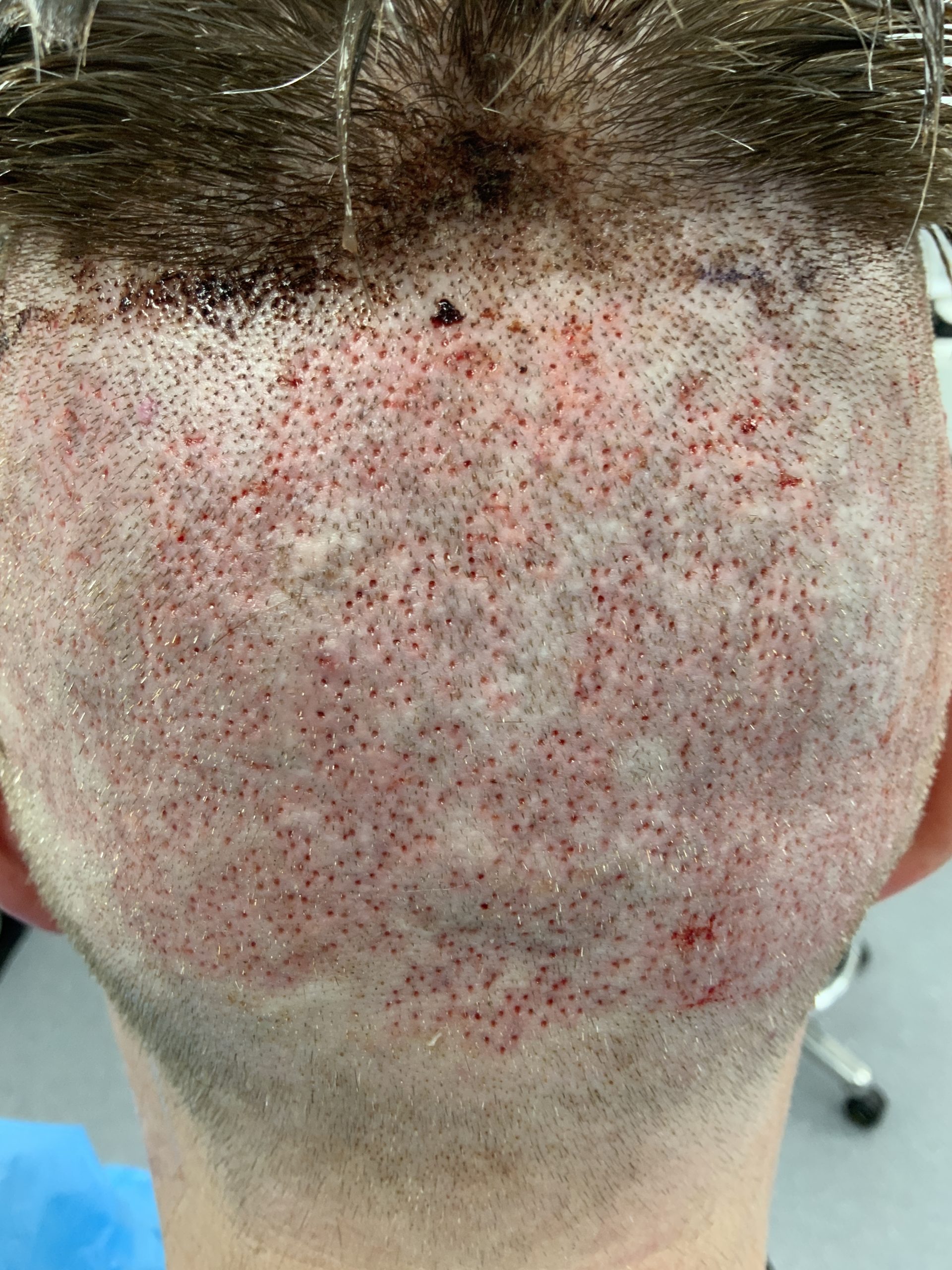 On the day of the surgery
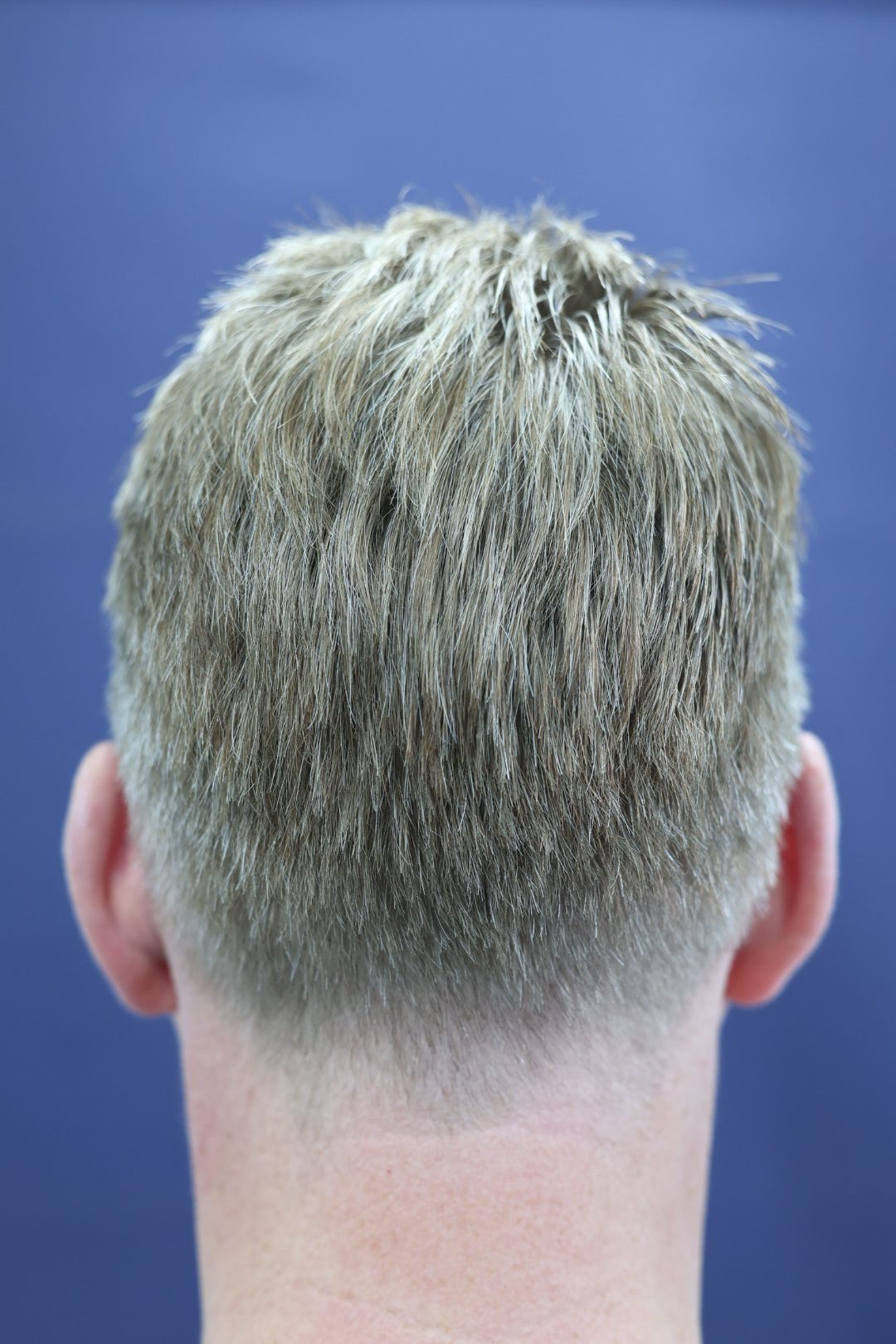 10 Months after the surgery
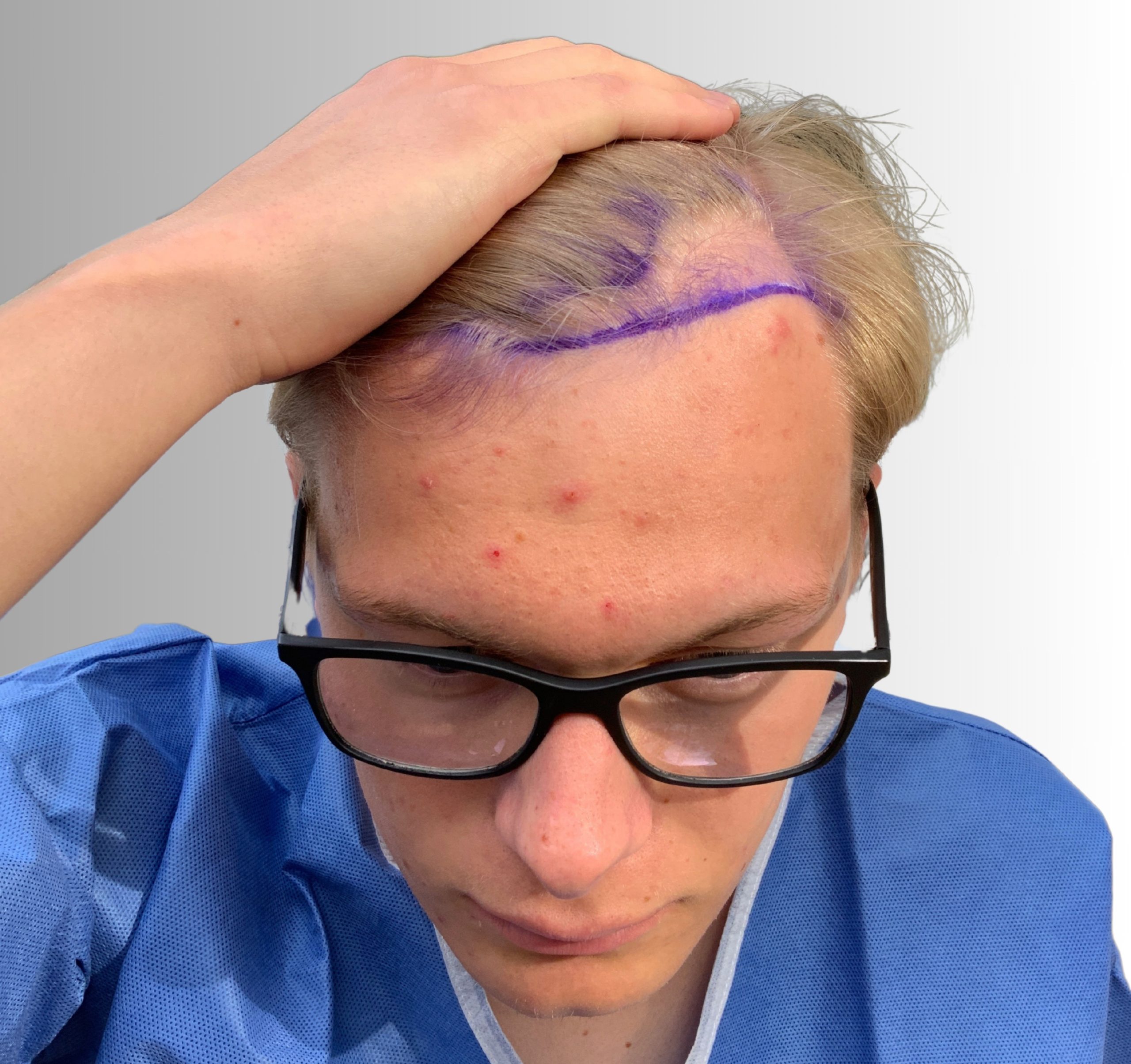 Before the surgery
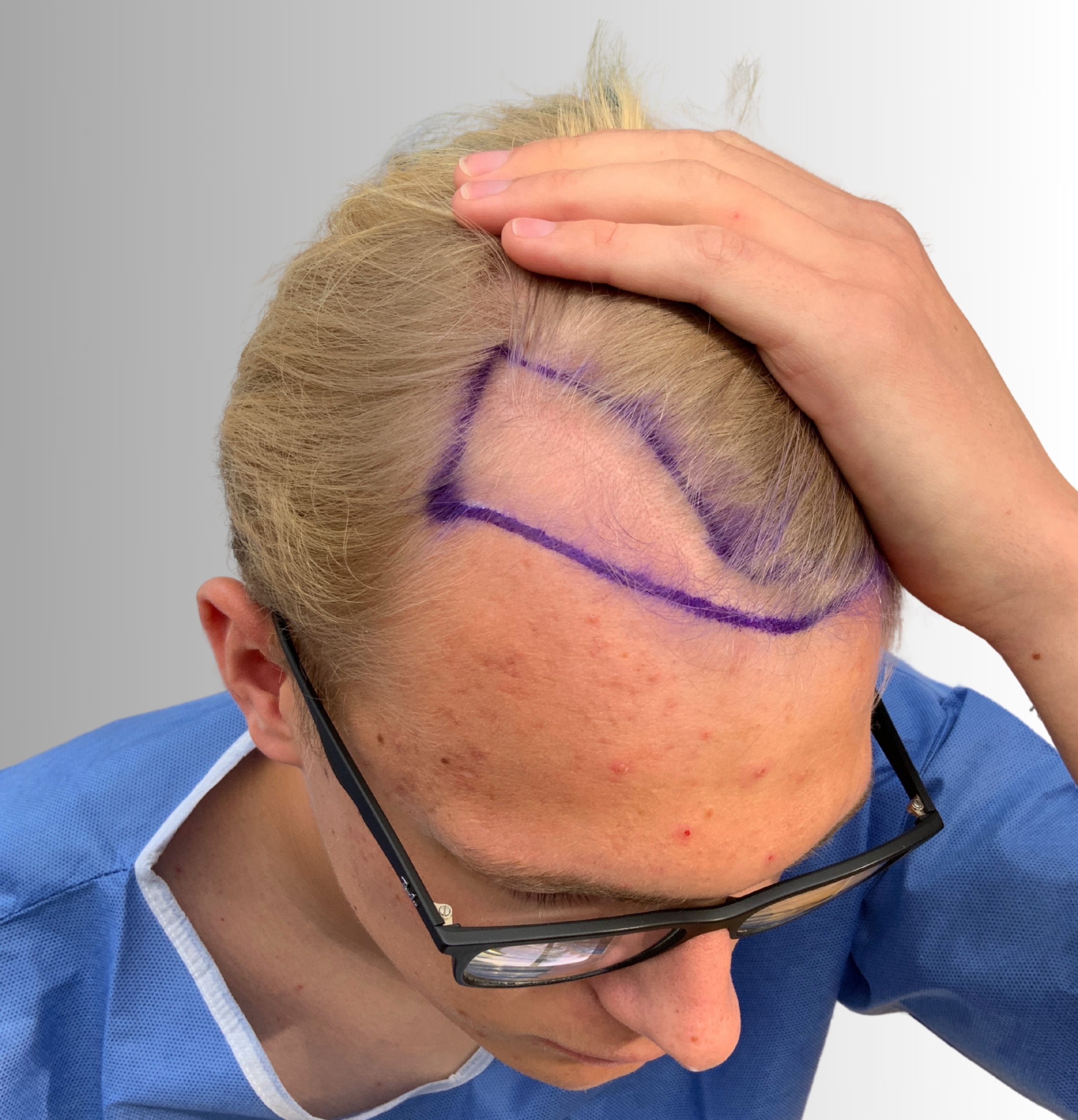 Before the surgery
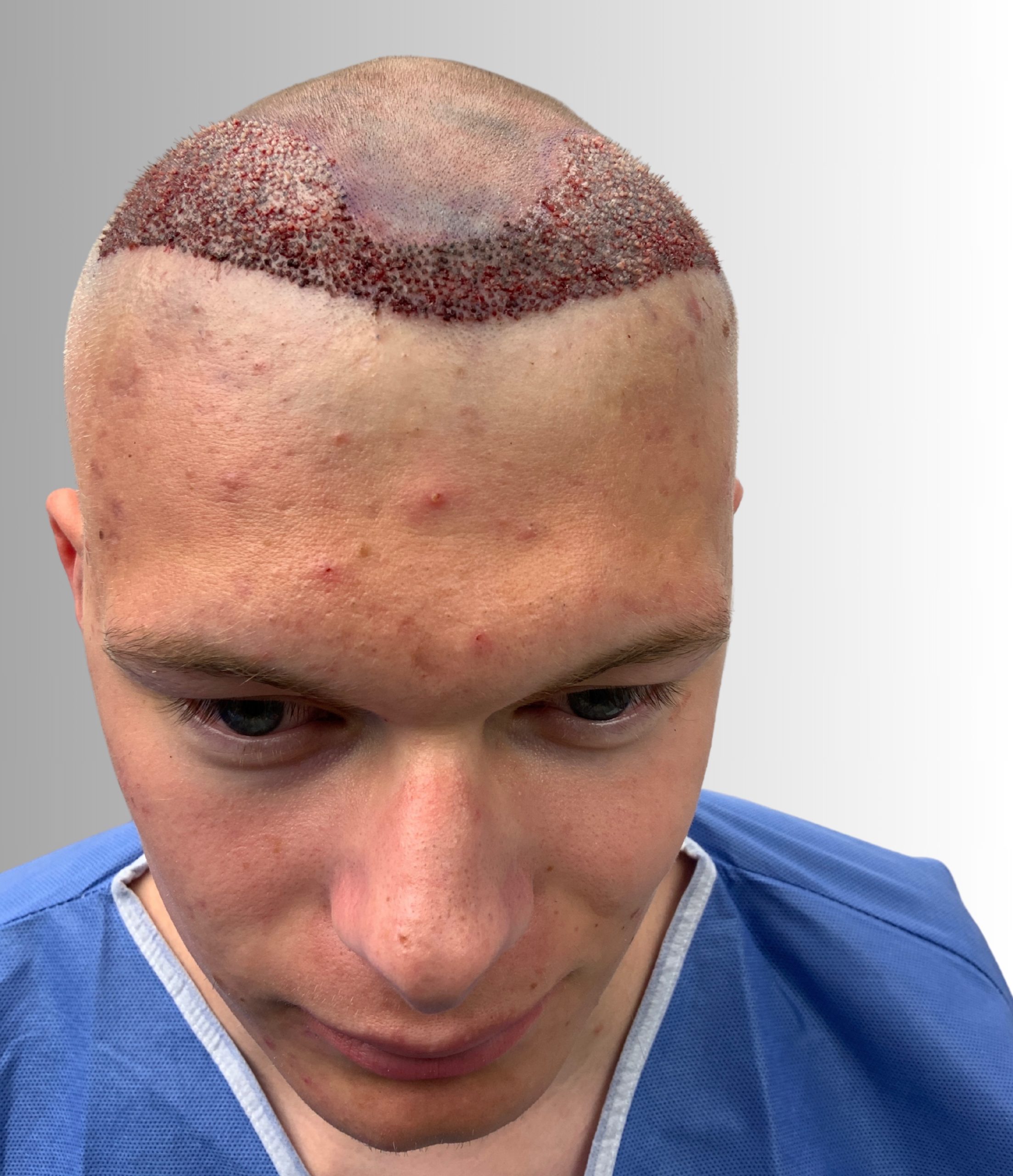 On the day of the surgery
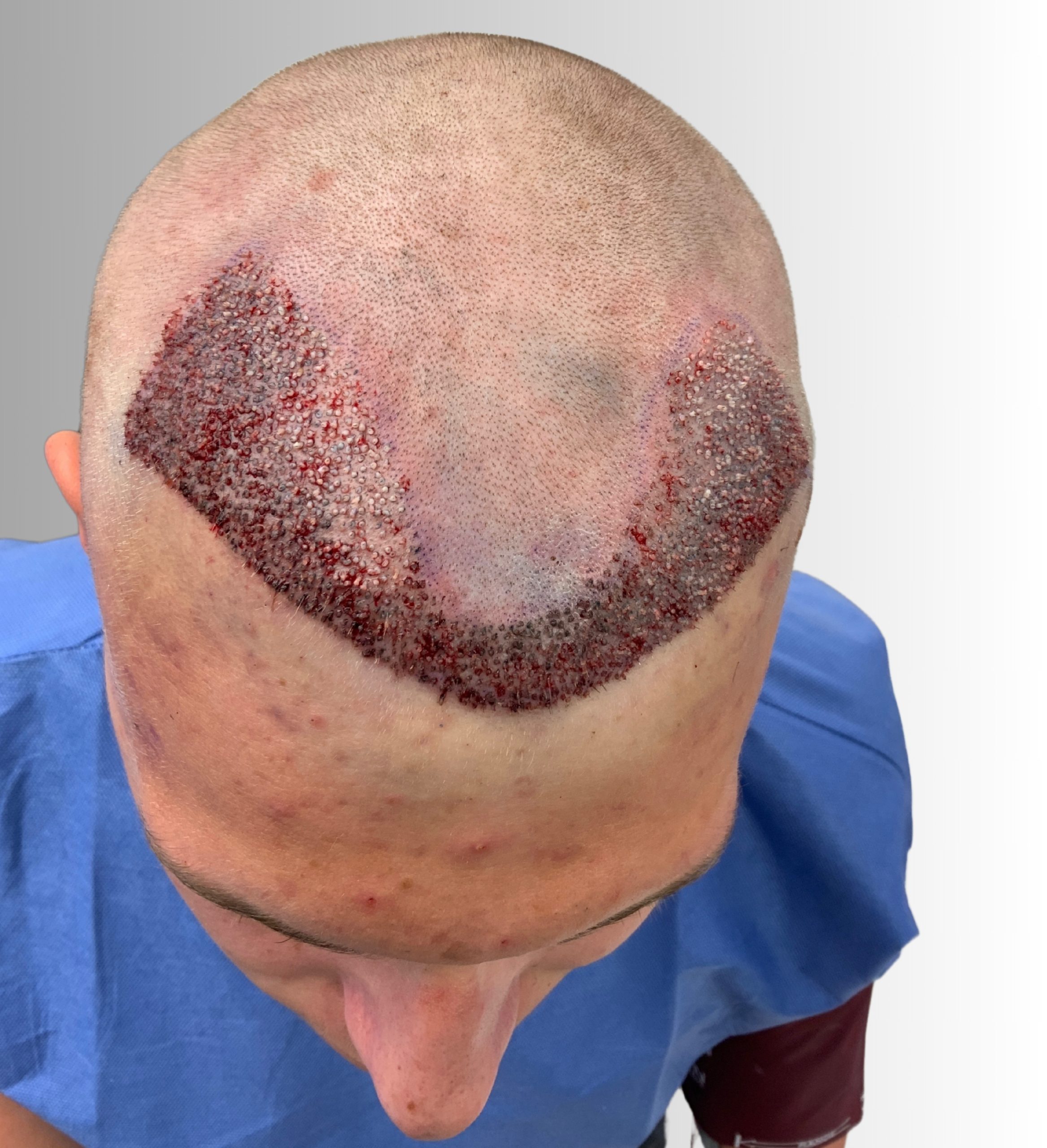 On the day of the surgery
 After 15 months
 After 15 months
 After 15 months
 After 15 months
 After 15 months
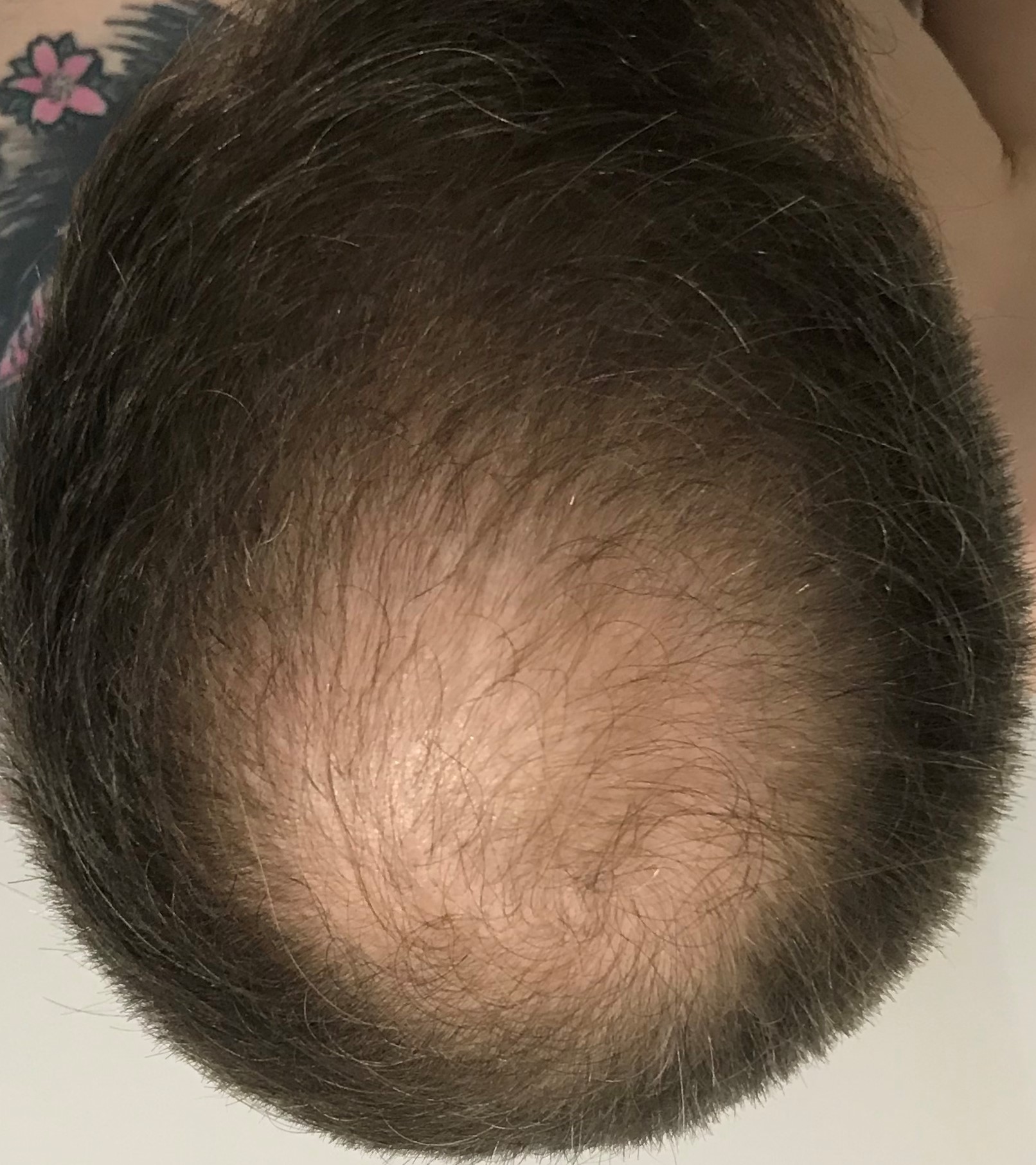 Before the surgery
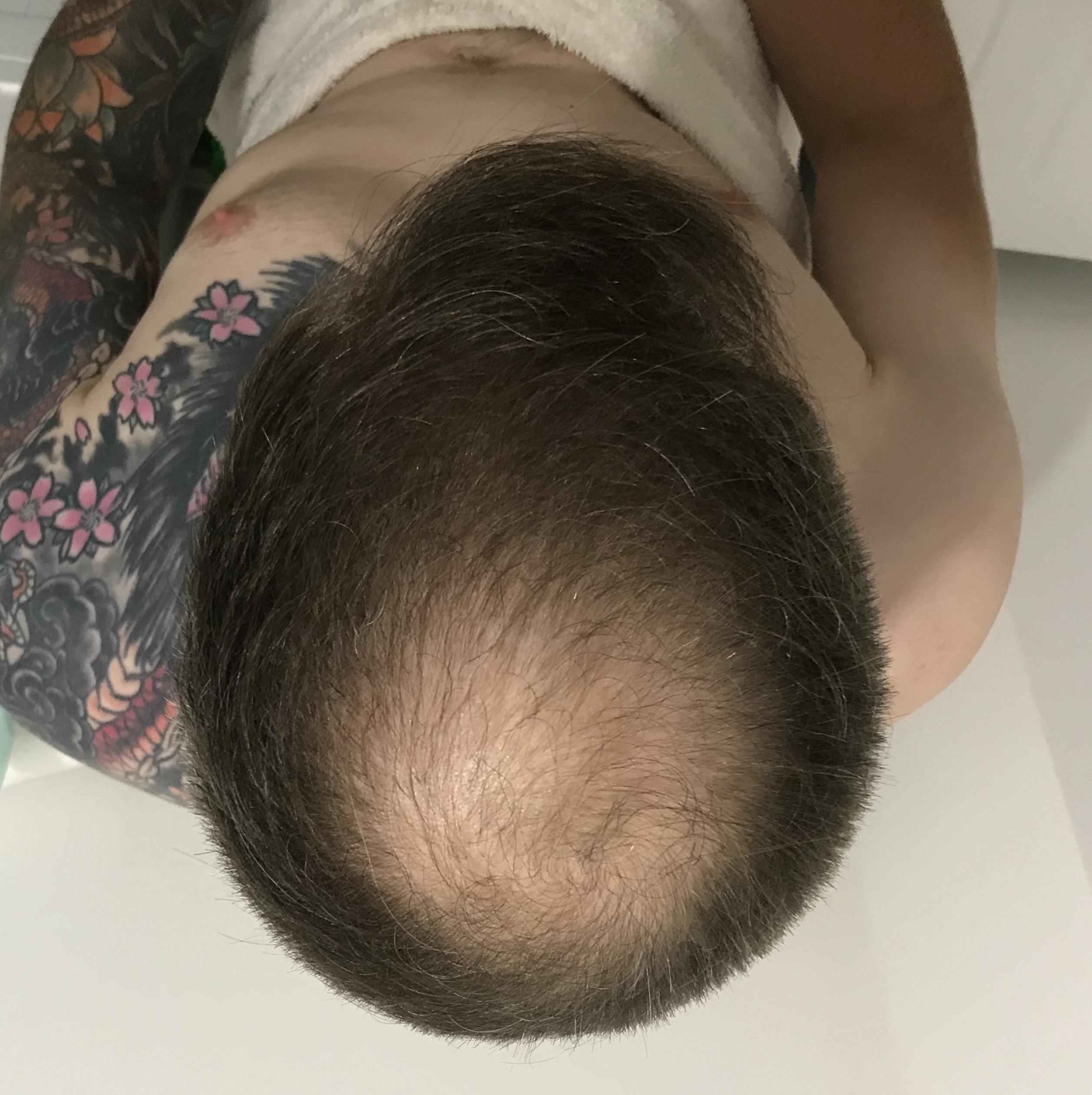 Before the surgery
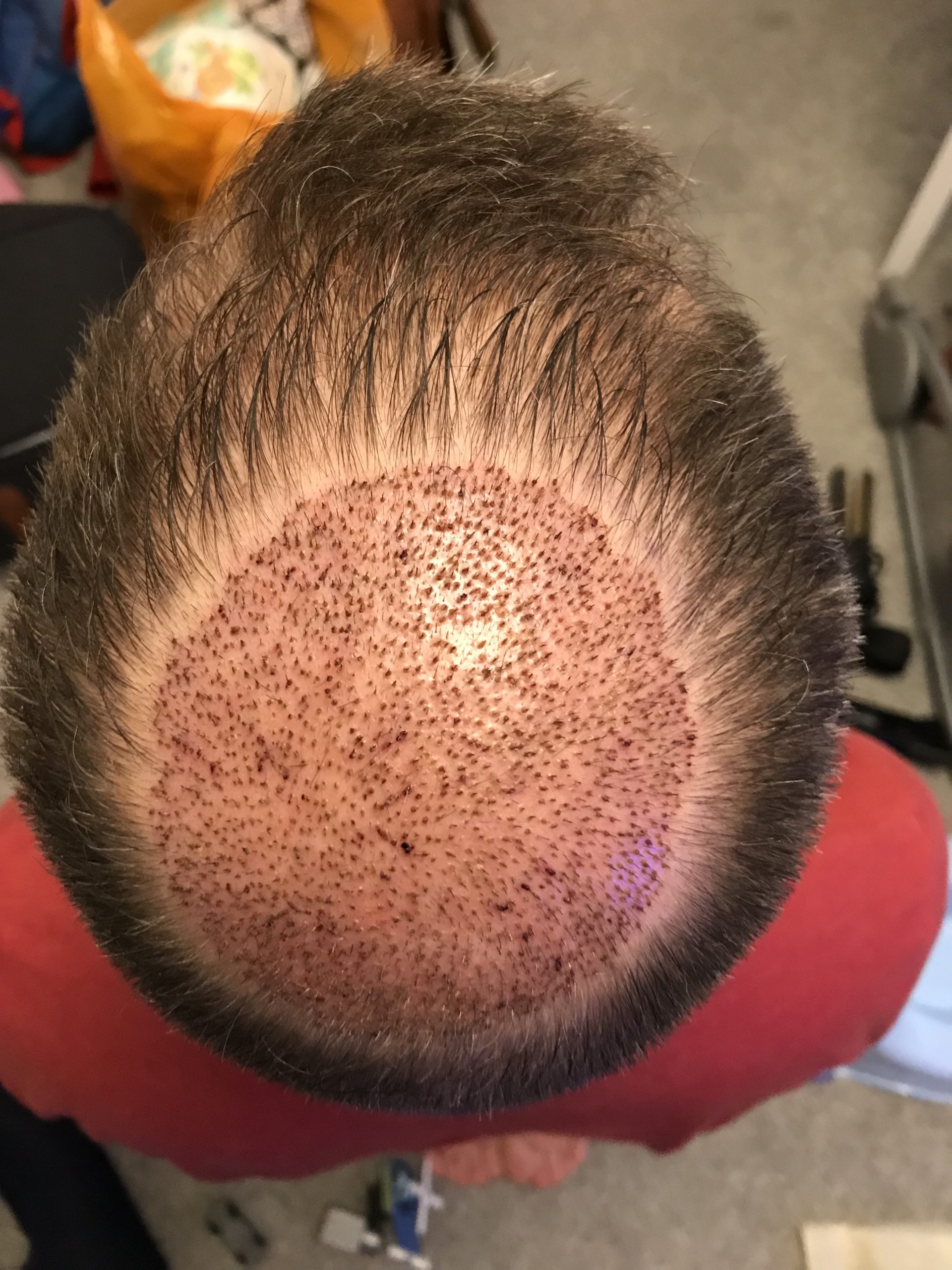 On the day of the surgery
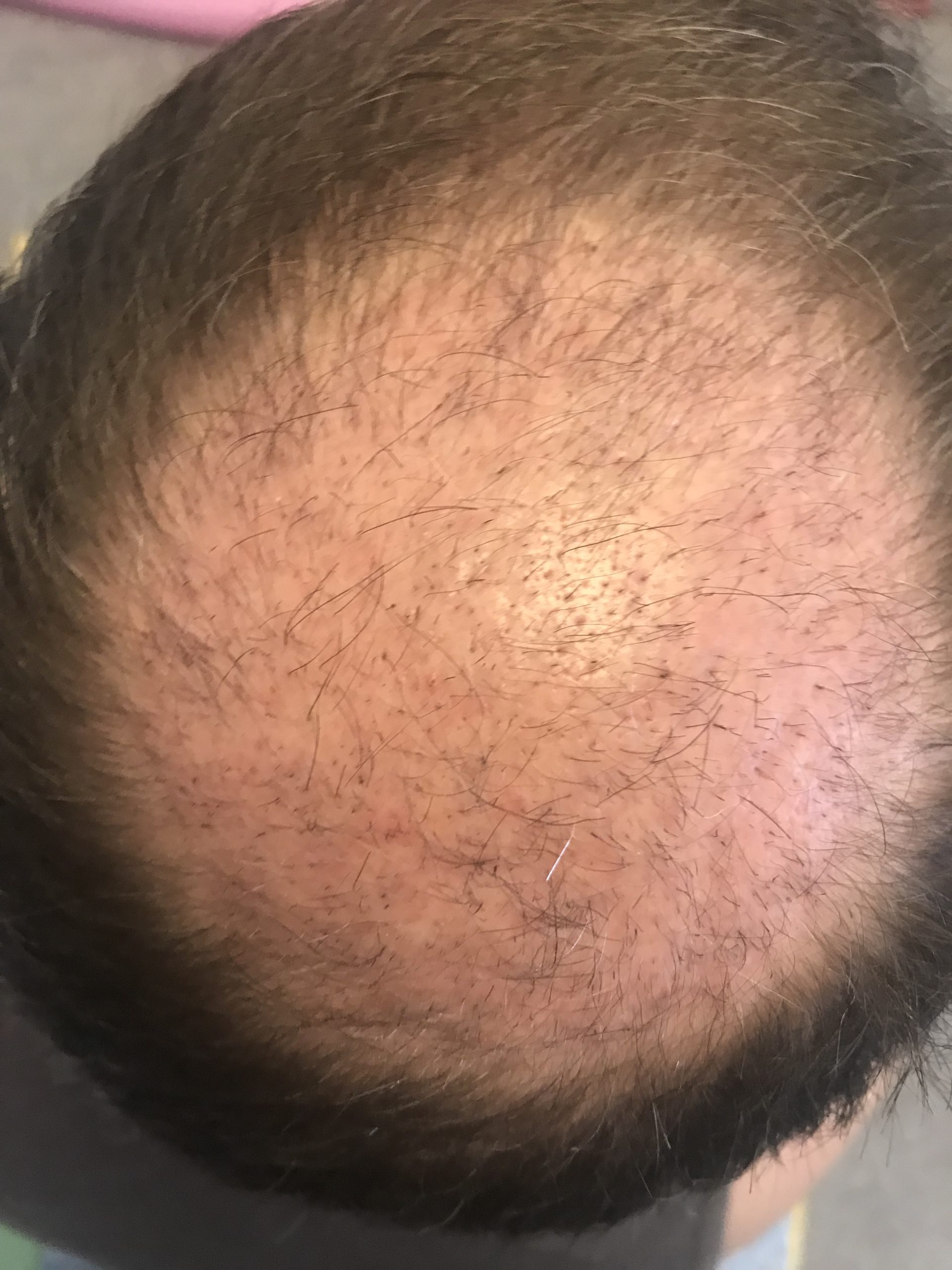 4 Months after the surgery.
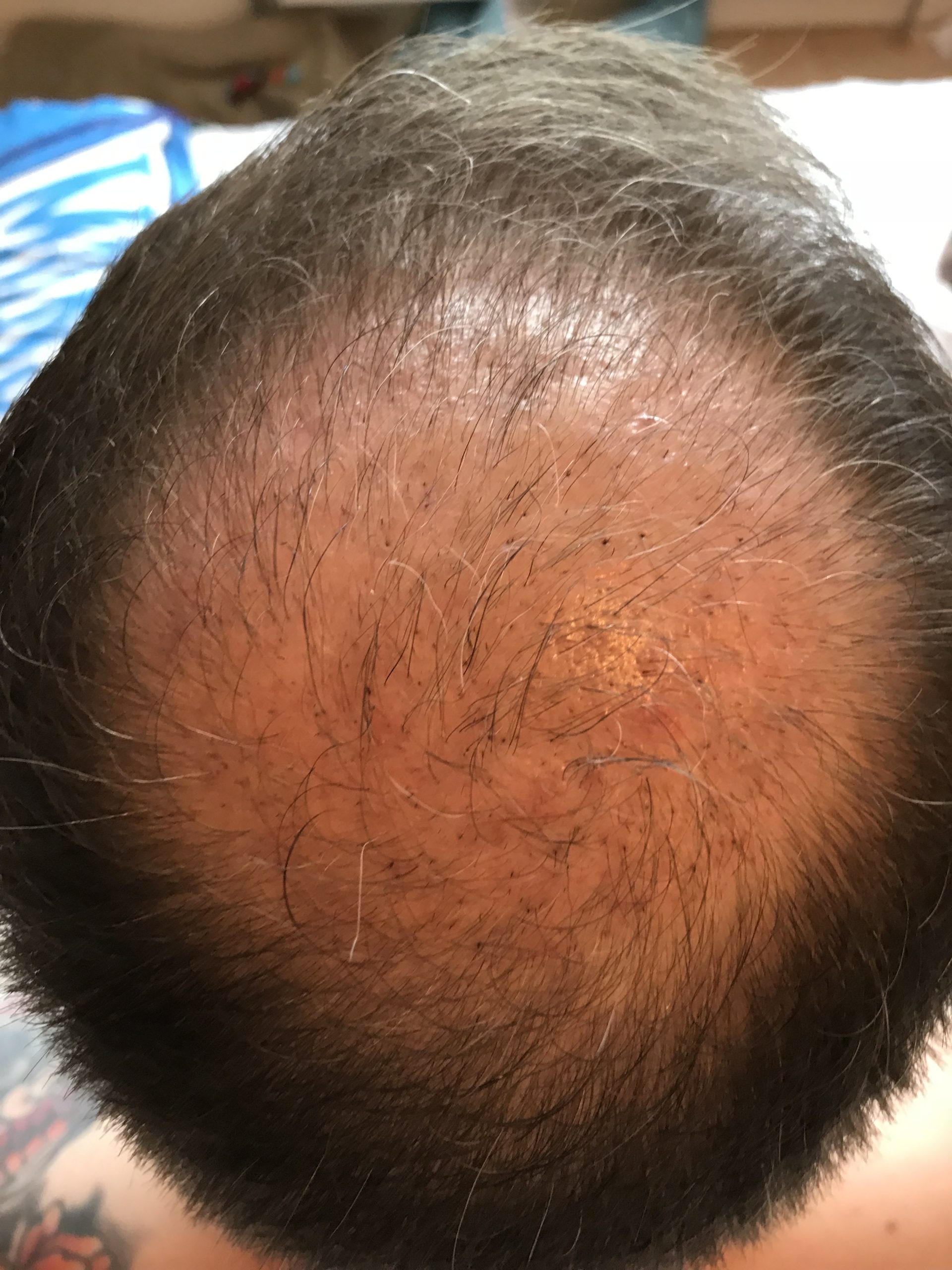 5 Months after the surgery.
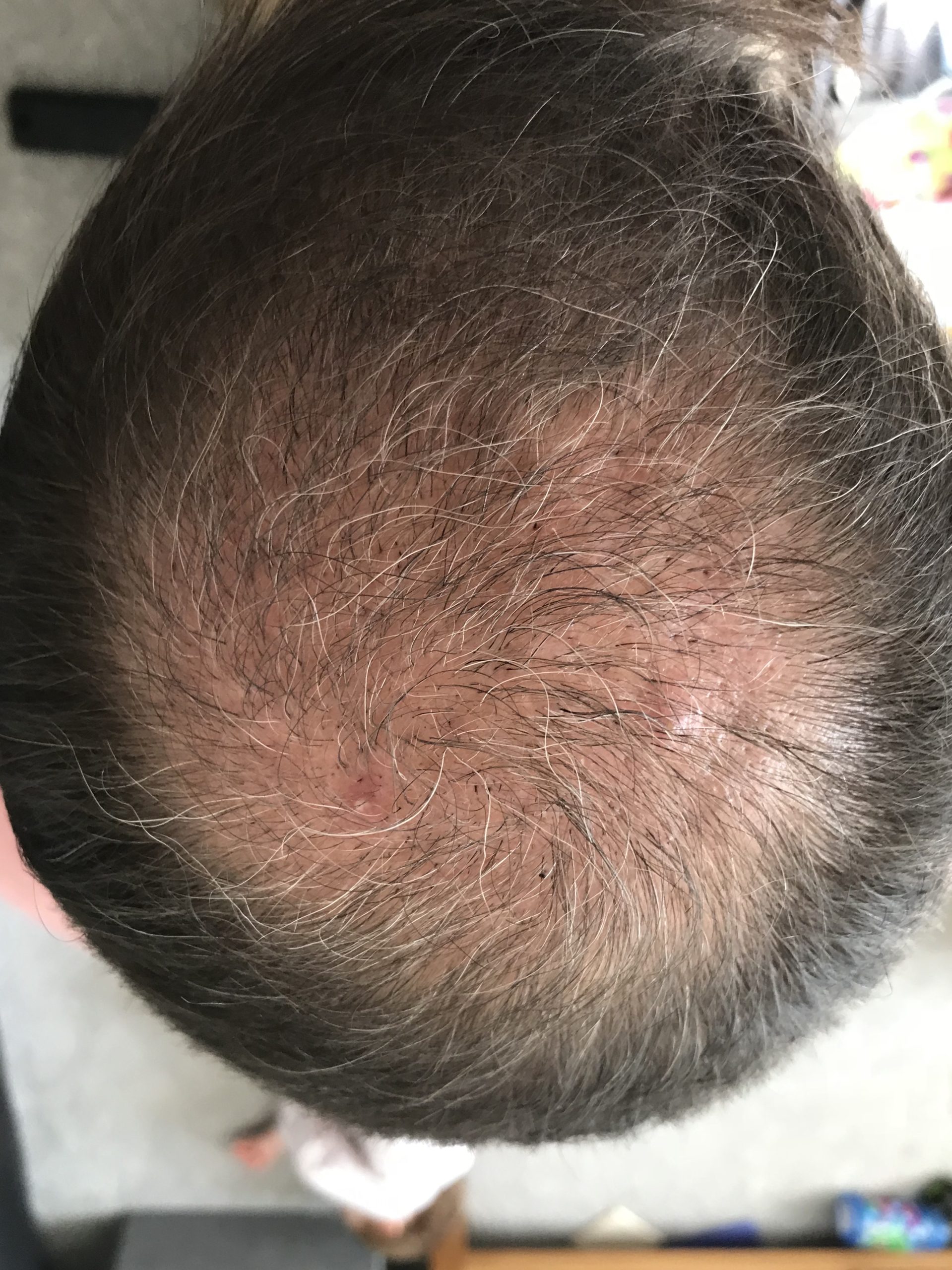 6 Months after the surgery.
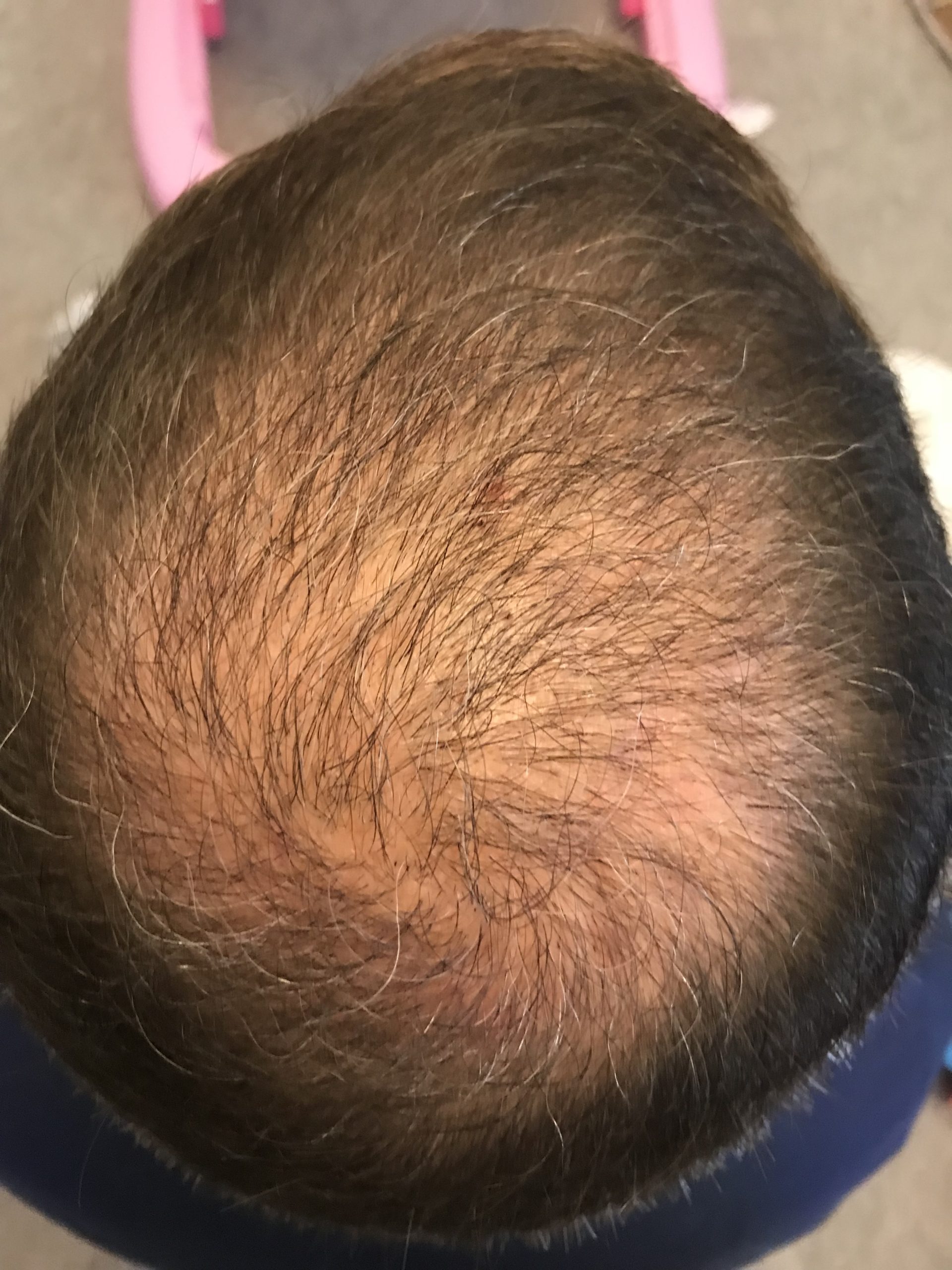 7 Months after the surgery.
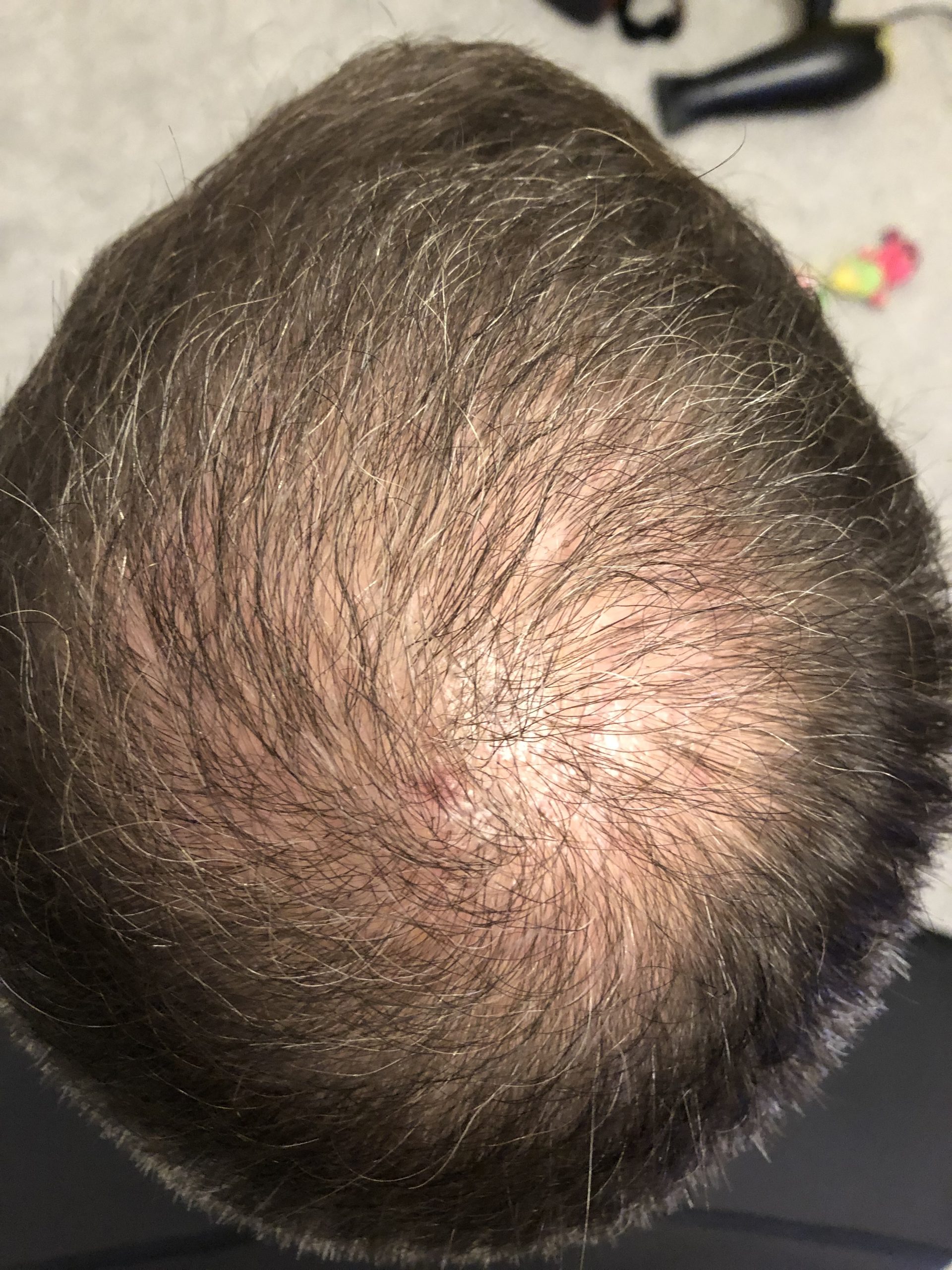 8 Months after the surgery.
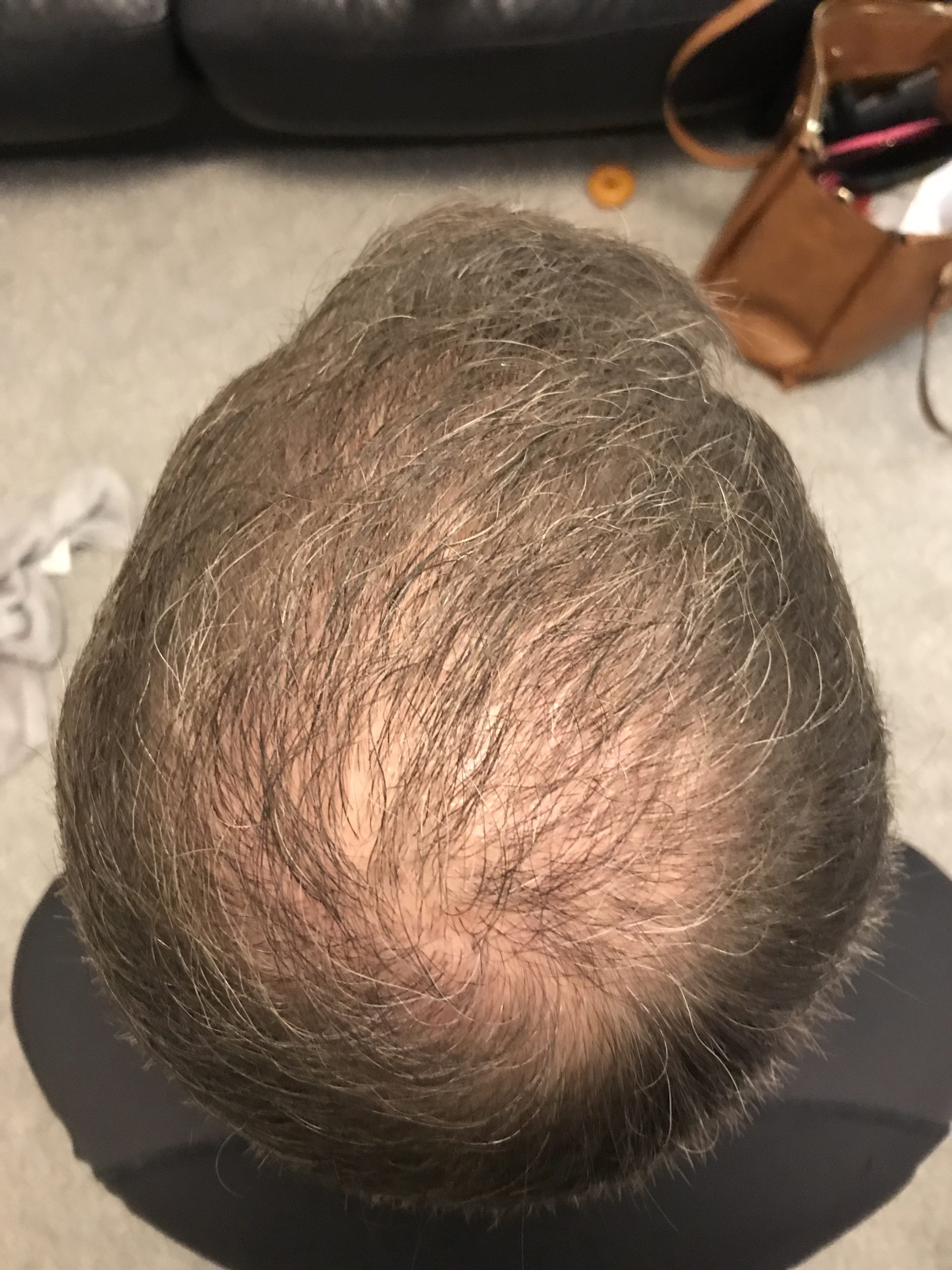 9 Months after the surgery.
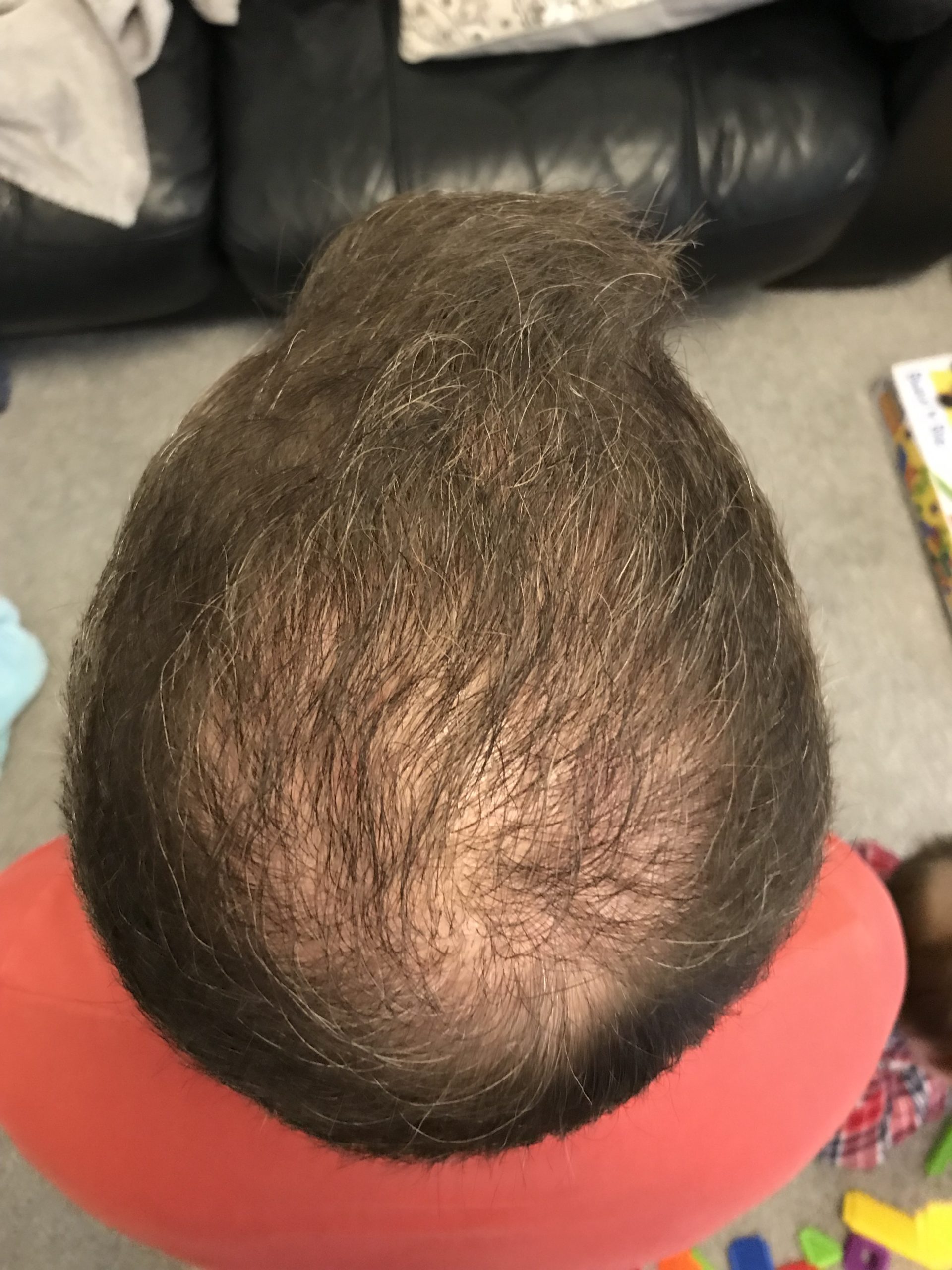 10 Months after the surgery.
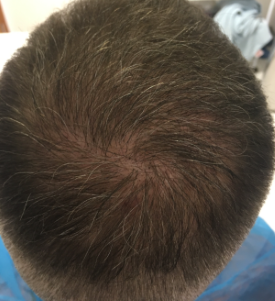 11 Months after the surgery.
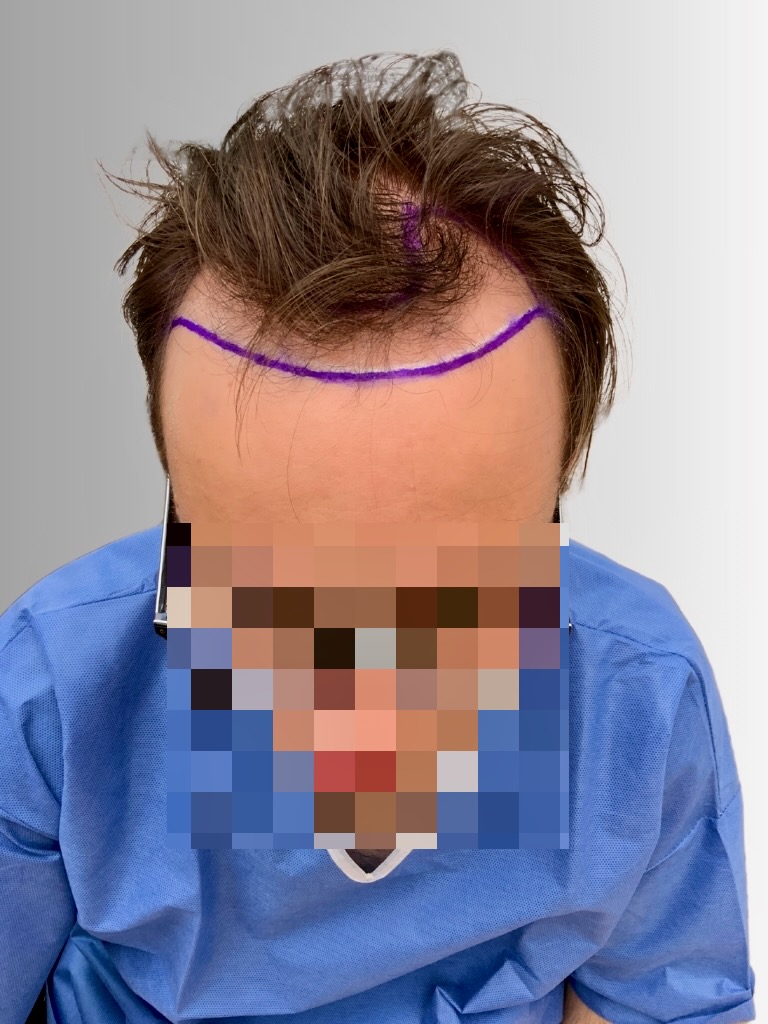 Before surgery
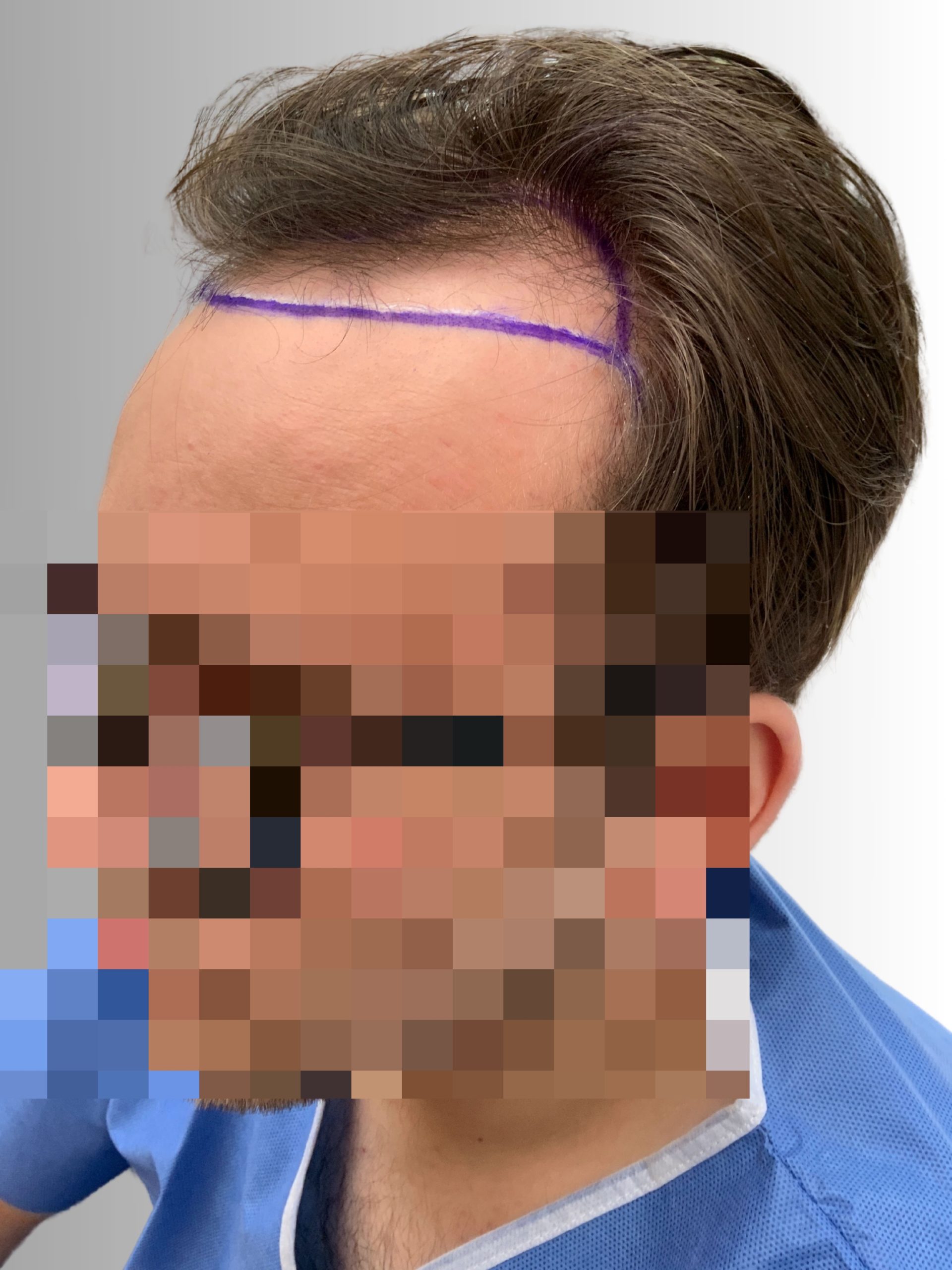 Before surgery
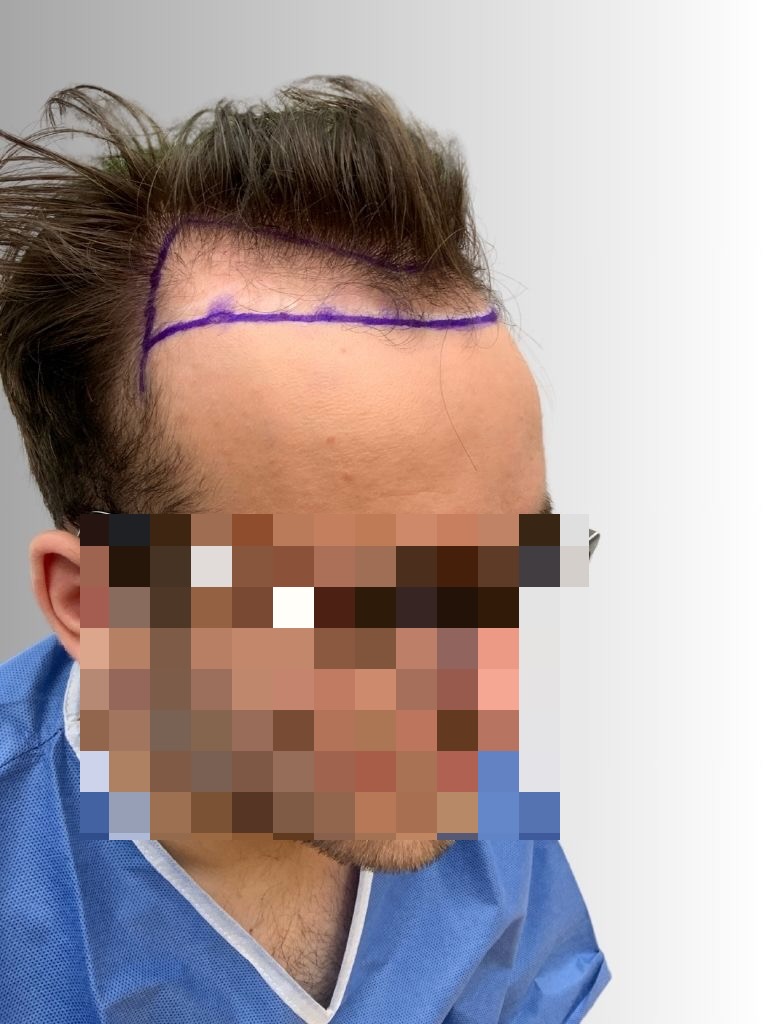 Before surgery
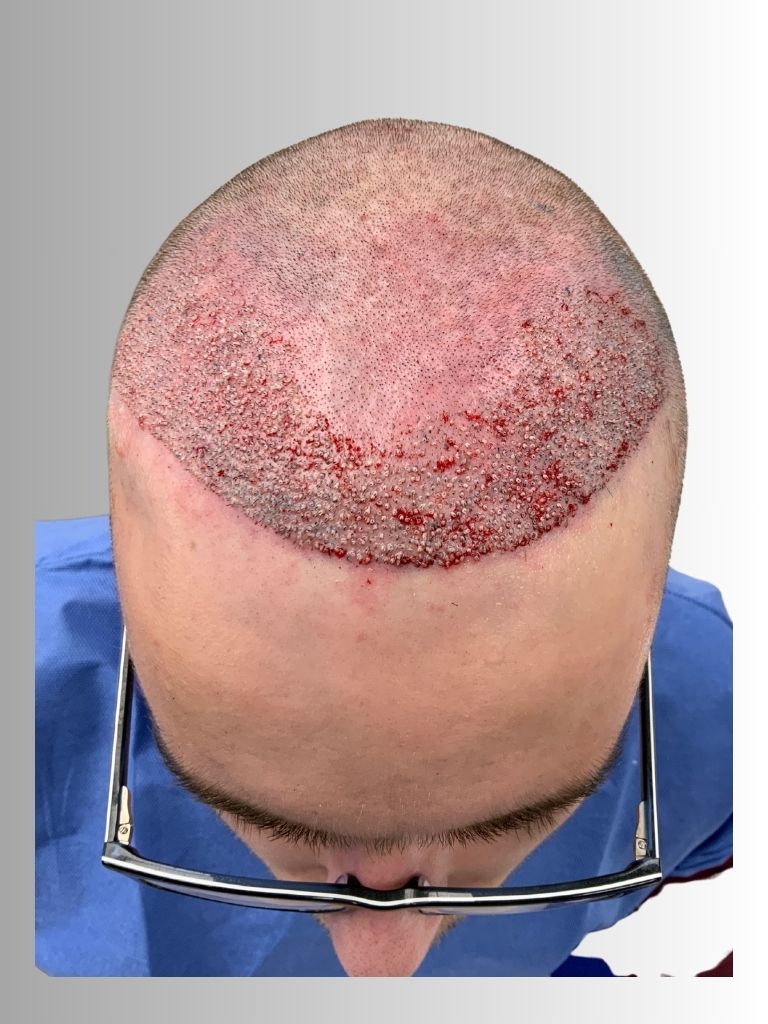 On the day of surgery
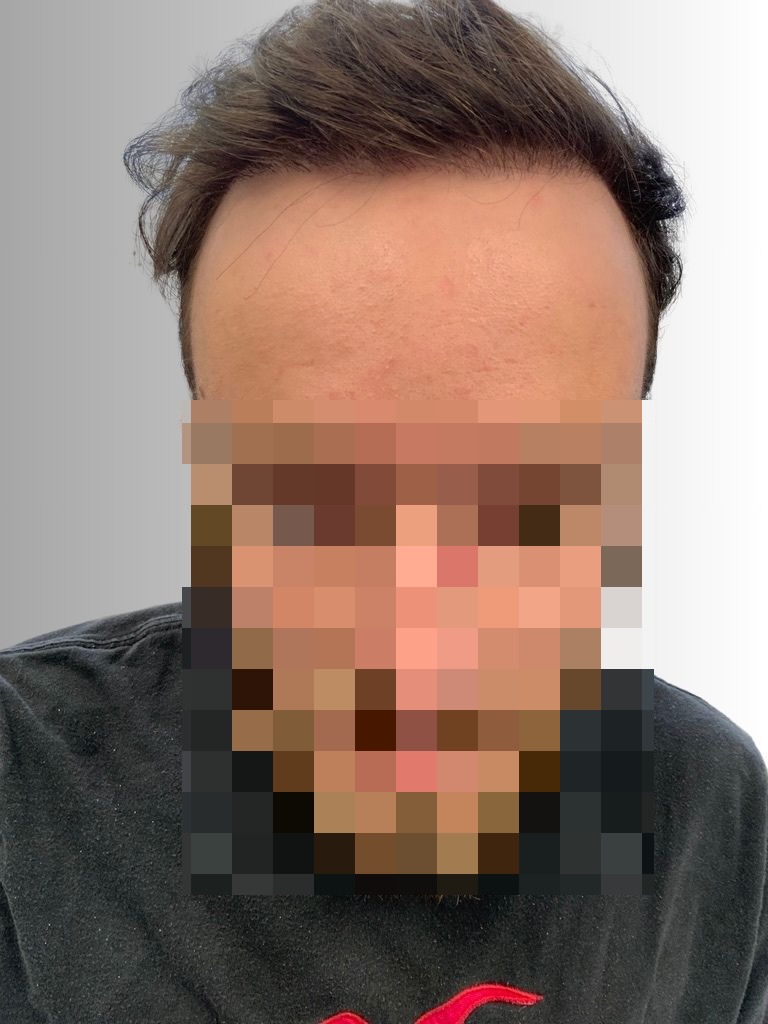 10 months after surgery.
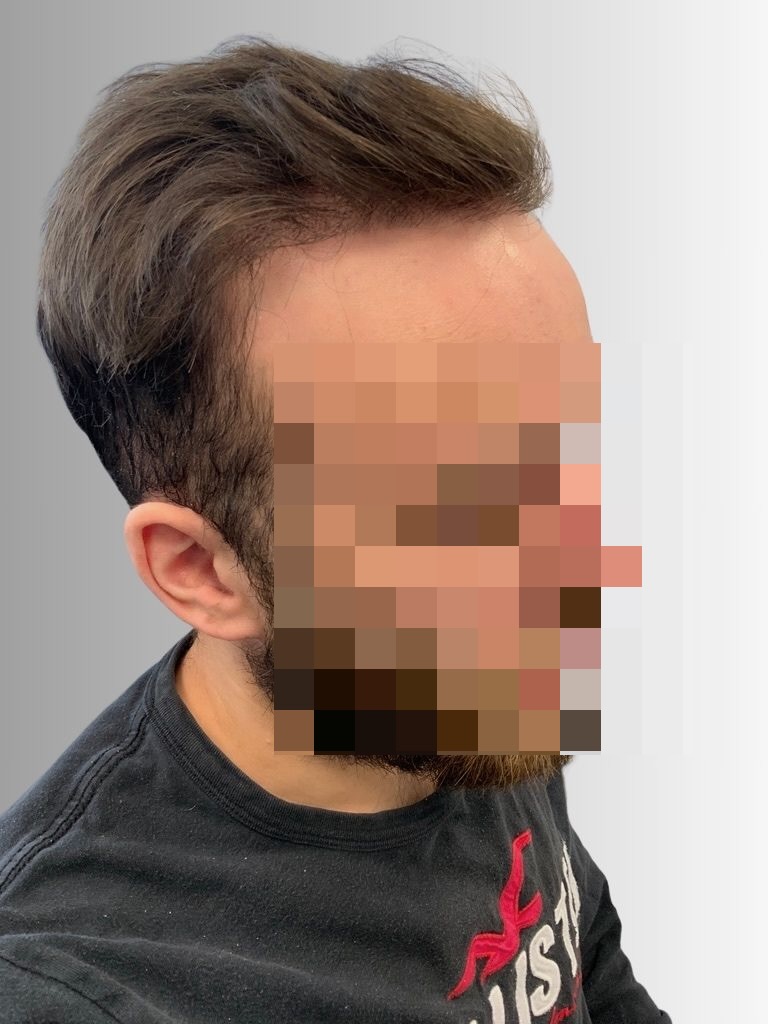 10 months after surgery.
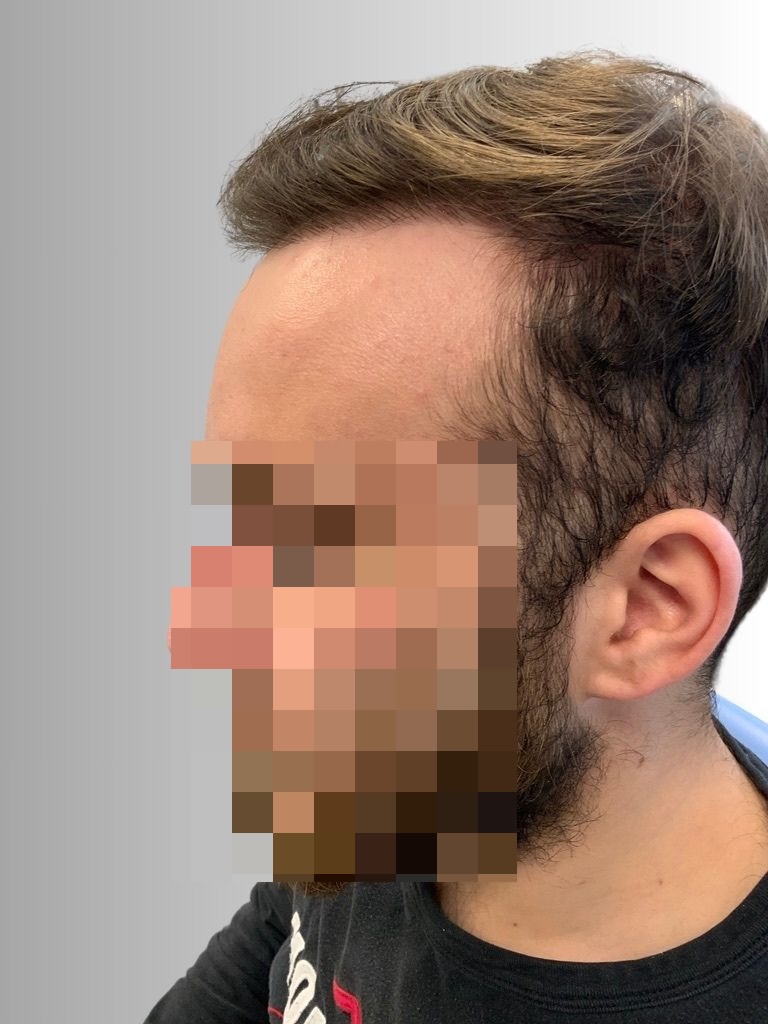 10 months after surgery.
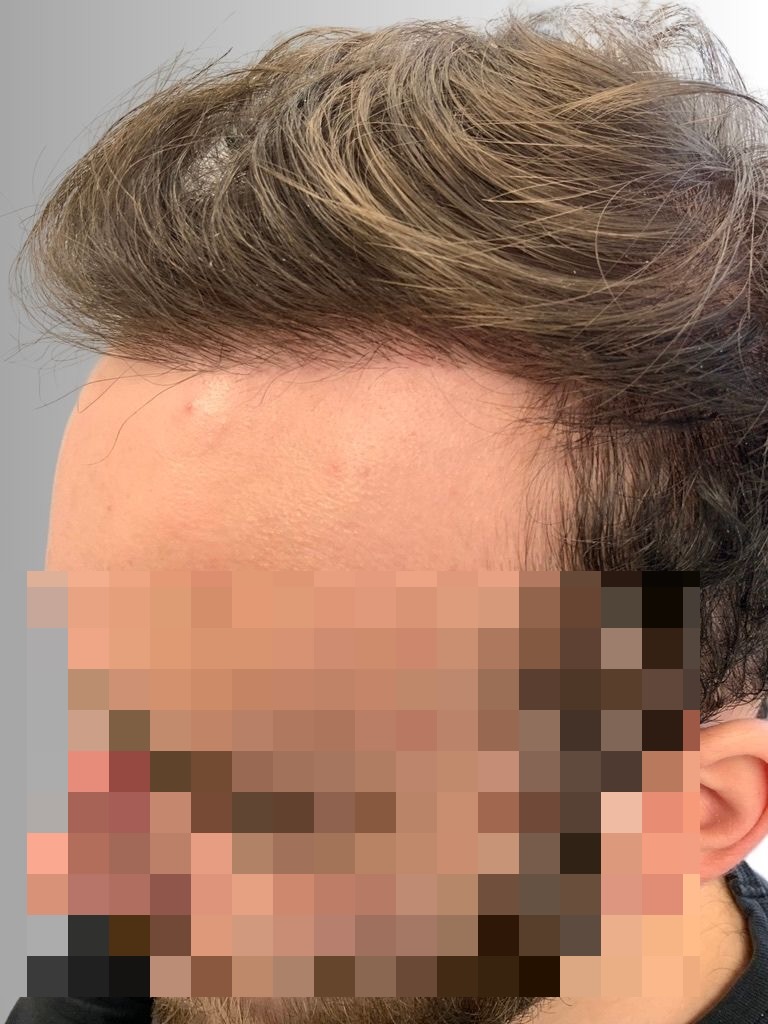 10 months after surgery.