
Before your procedure, you will have a comprehensive consultation with the operating surgeon. During this session, the surgeon will review your medical history, examine the donor area to assess hair density, and provide a treatment plan for the area of concern. These factors will determine your suitability for a hair transplant. Having fine hair does not necessarily disqualify you from undergoing the procedure.
The cost of a hair transplant depends on the treatment area and the number of grafts required. This number can vary based on hair thickness, donor density, and individual needs. The achieved density largely relies on hair thickness; the thicker the hair, the fewer grafts needed per square centimetre. The incisions also play a significant role in this process.
We offer finance through an independent provider, Chrysalis Finance. You can check your eligibility and apply directly from our website.
The number of grafts needed depends on the area to be covered and the density of your existing hair. The density in the recipient area should match that of the existing hair and blend seamlessly to avoid future gaps. Each individual will require a different number of grafts to cover the area of concern.
Typically, about 30 grafts per square centimetre provide reasonable and undetectable density. However, patients with thin hair may require more grafts to achieve satisfactory density. At Dr. Kunnure Clinic, we generally implant at a density of 45-50 grafts per square centimetres, and more if needed and patient has good donor availability.
For patients with two areas of concern, it is generally recommended to address the hairline first, wait at least 12 months to review the results, and then plan a second surgery for the other areas, if needed. Any additional surgeries and achievable density depend on the donor density available before the second surgery and the areas that need coverage.
During your consultation, a comprehensive medical history review and relevant examinations will be conducted, along with a scalp and hair assessment. If your medical history necessitates any changes in medication, such as adjustments or temporary cessation, this will be communicated in writing. We will also consult with your specialist or GP for clarification and their opinion on any medications they have prescribed. Our instructions will clearly outline any modifications in medication and when you can resume your regular doses. We advise discontinuing over-the-counter medications and supplements like creatine, proteins, and vitamins unless prescribed. We will confirm this once we have a complete list of all medications you are taking, both prescribed and non-prescribed.
We recommend continuing oral forms of Finasteride and Minoxidil, even on the day of surgery. However, any topical sprays should be discontinued two weeks before the procedure.
Follicular Unit Excision (formerly known as extraction) is a technique for extracting individual grafts under local anaesthesia from clearly defined donor areas. A graft can contain between one to four hairs, and in some cases, up to six or seven hairs.
A full head shave is ideal as it provides a clean operating area for extraction, incisions, and implantation. It also simplifies post-operative care and ensures uniform hair growth of your current hairs. However, the decision to shave the entire head or only the areas of concern and the donor site is ultimately yours.
Transplanted hairs from donor areas do not possess DHT receptors and are, therefore, expected to last a lifetime. However, some changes, such as thinning or, rarely, complete loss, may occur over many years. Generally, this type of hair loss is uncommon.
The most common reason is insufficient donor density or the extent and severity of hair loss. Certain medical conditions also contraindicate hair transplant surgery.
We ask that you arrive at the clinic by 8:15 a.m. on the day of the surgery. If traveling a long distance, it might be wise to come the night before and stay in a nearby hotel. We can provide information on hotels in the vicinity.
Ideally, we prefer to shave all hairs for the procedure due to its advantages during surgery and aftercare. However, the choice is yours, though we will need to shave hair in the donor and recipient areas where the procedure takes place. We would recommend keeping hairs at least 1 cm long for the Surgery. We will trim them further for the FUE surgery.
We recommend avoiding T-shirts or clothing that requires pulling over the head. A button-up shirt is appropriate.
We will provide meals, cold drinks, and water. If you have any specific dietary requirements or any allergies to any type of food, please let us know well in advance.
You may drive to the clinic, but it is advised not to drive home following the surgery. Parking is free.
Most patients settle without issue, but, if necessary, a single dose of Diazepam can be considered. In such cases, driving home is not recommended.
You will have adequate breaks between procedure stages. If additional breaks are needed, please inform us.
You may experience some pain during the initial administration of local anaesthesia. Once it takes effect, you should not feel pain. If more pain relief is needed during the procedure, it will be provided.
The surgeon is responsible for preparing and injecting the anaesthetic, as well as the punching and excision of the grafts and subsequent incisions in the recipient areas.
Technicians assist by extracting the grafts after the surgeon has punched and excised them, and they later implant the grafts under the surgeon's supervision.
Once the surgery is concluded, the surgeon will review the detailed aftercare plan with you. You will receive a bag containing a spray bottle, shampoo, and other items for post-operative care, along with a written step-by-step aftercare guide. Dressings will be applied to donor areas, but not to recipient areas.
It is rare to experience pain requiring strong painkillers. You may feel discomfort due to swelling or a sensation similar to wearing a tight helmet. We will provide paracetamol, and if stronger pain relief is necessary, you will have direct access to the surgeon.
It is strongly advised not to drive after the surgery and for at least 24 hours after discharge.
We will arrange a follow-up visit at the clinic, or a video call if an in-person visit is not possible. You will have direct access to the surgeon during working hours.
You will initially experience a shedding phase in the first 3-4 months, followed by hair regrowth starting around that time. Full results typically take about 12 months to become visible, although in some cases, it may take longer.
We will attempt to arrange this, depending on the availability and willingness of past patients to communicate.

If you are experiencing hair loss due to genetics, stress, hormonal changes, or medical conditions, considering hair transplant surgery is a reliable and effective way to restore natural hair growth.
Copyright © 2026 Hair Transplantation DR. Kunnure . All Rights Reserved.
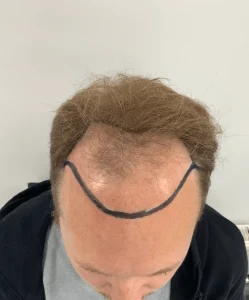 Before the surgery
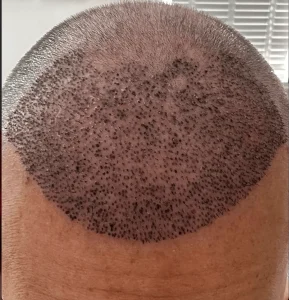
7 day after Surgery
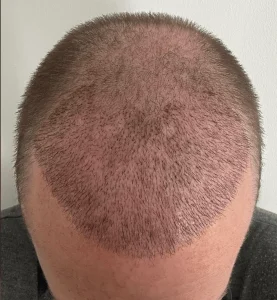
21 days after Surgery
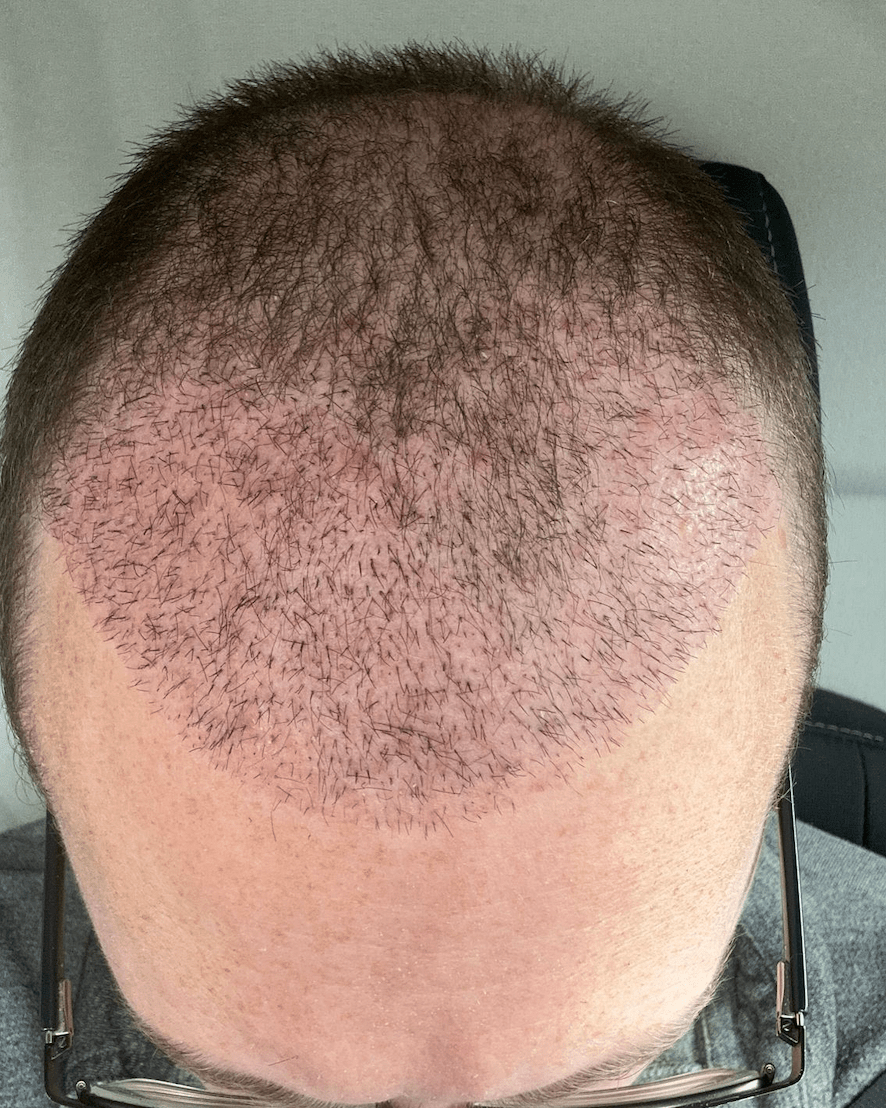 6 weeks after Surgery
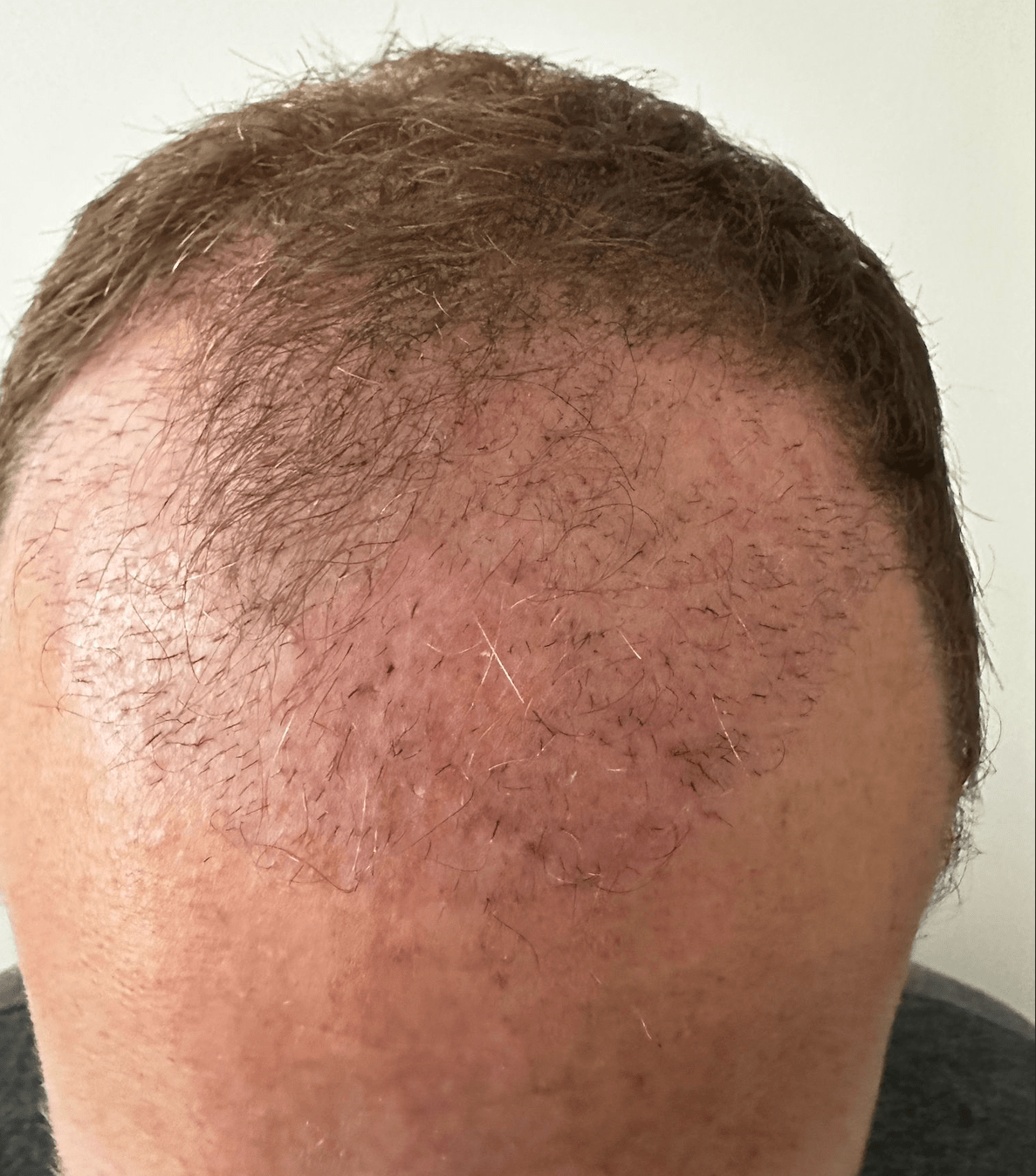 3 months after Surgery
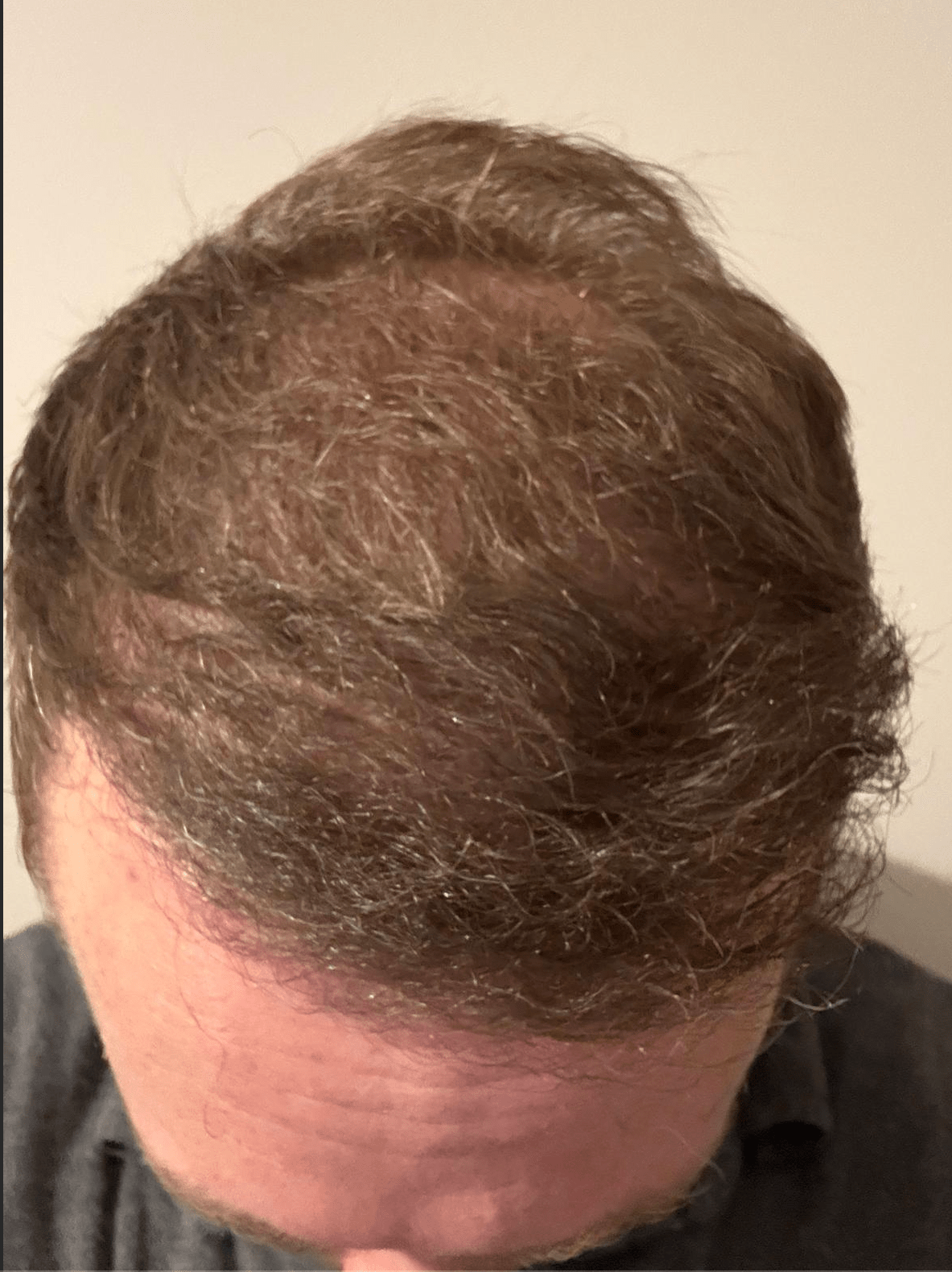 10 months after Surgery
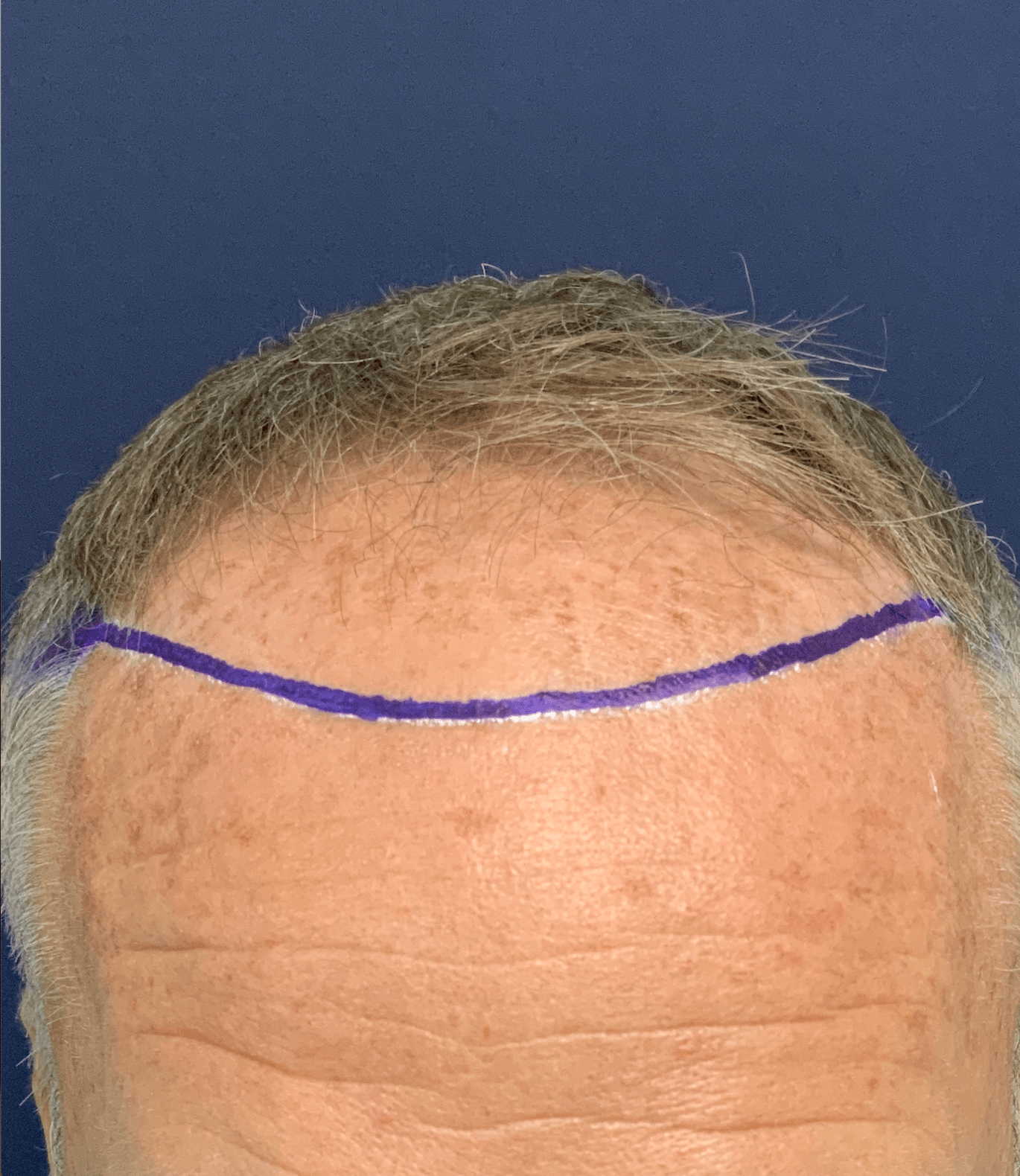 Before the surgery
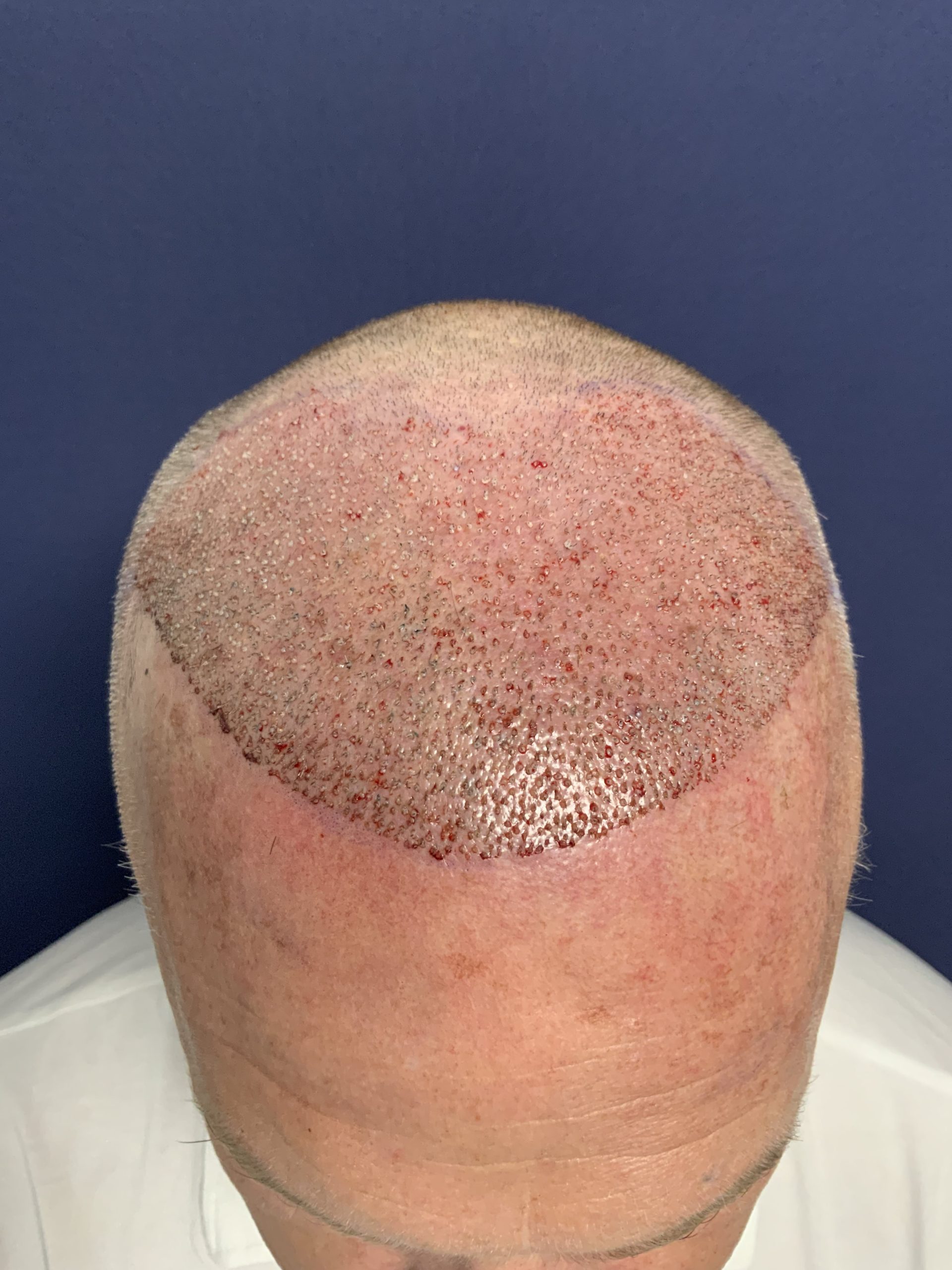 Day of the Surgery
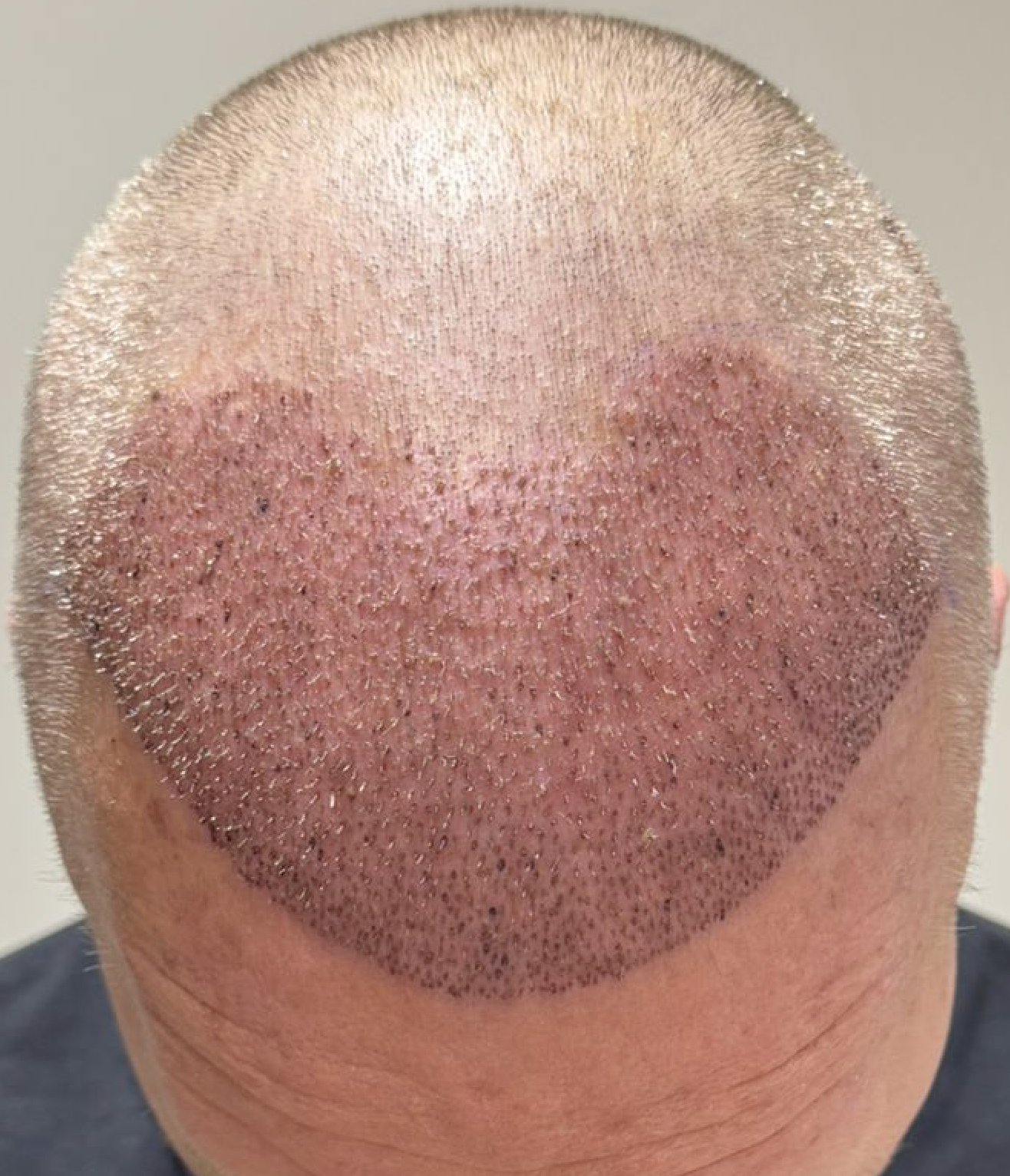 7 days After the Surgery
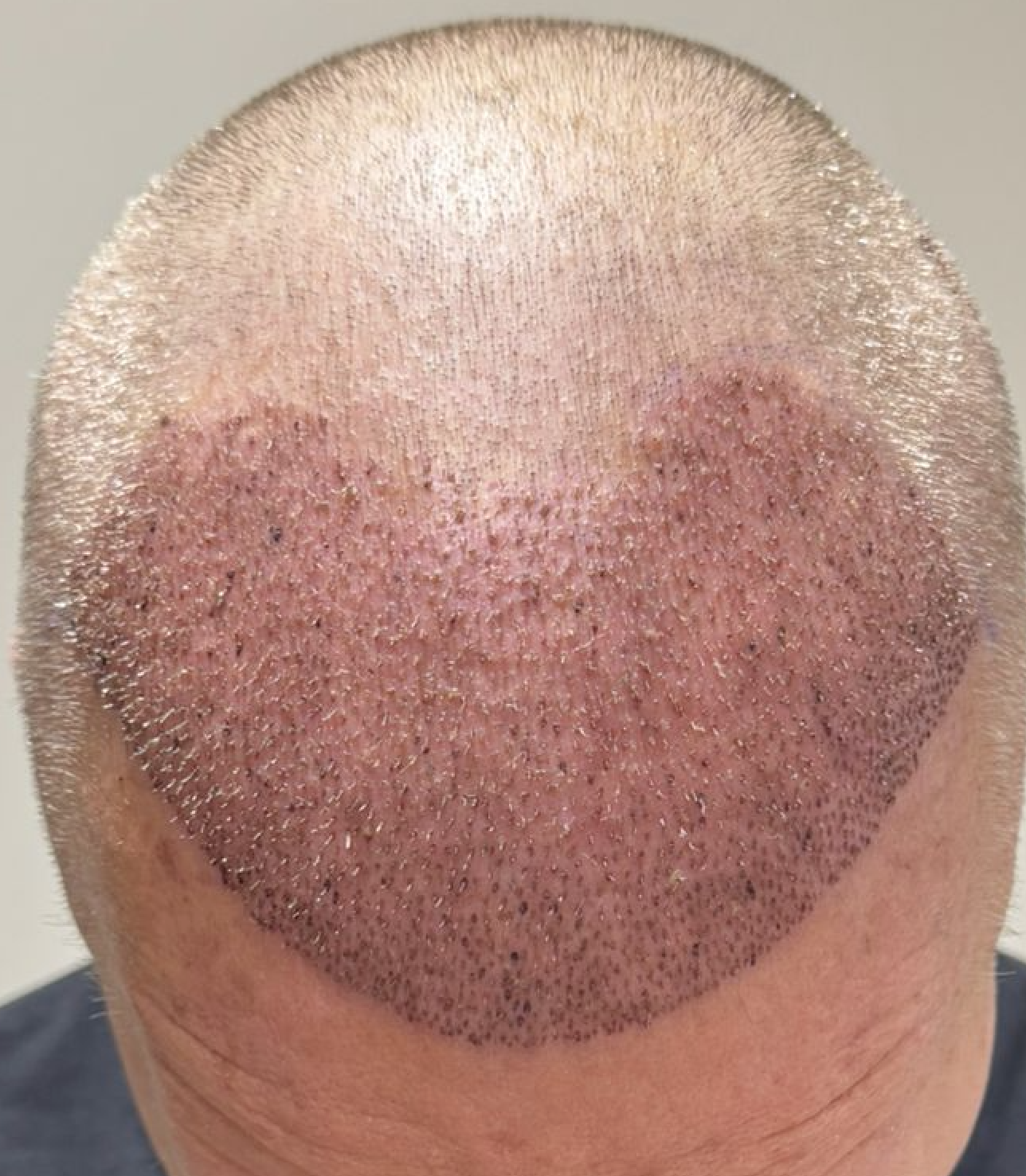 10 days After the Surgery
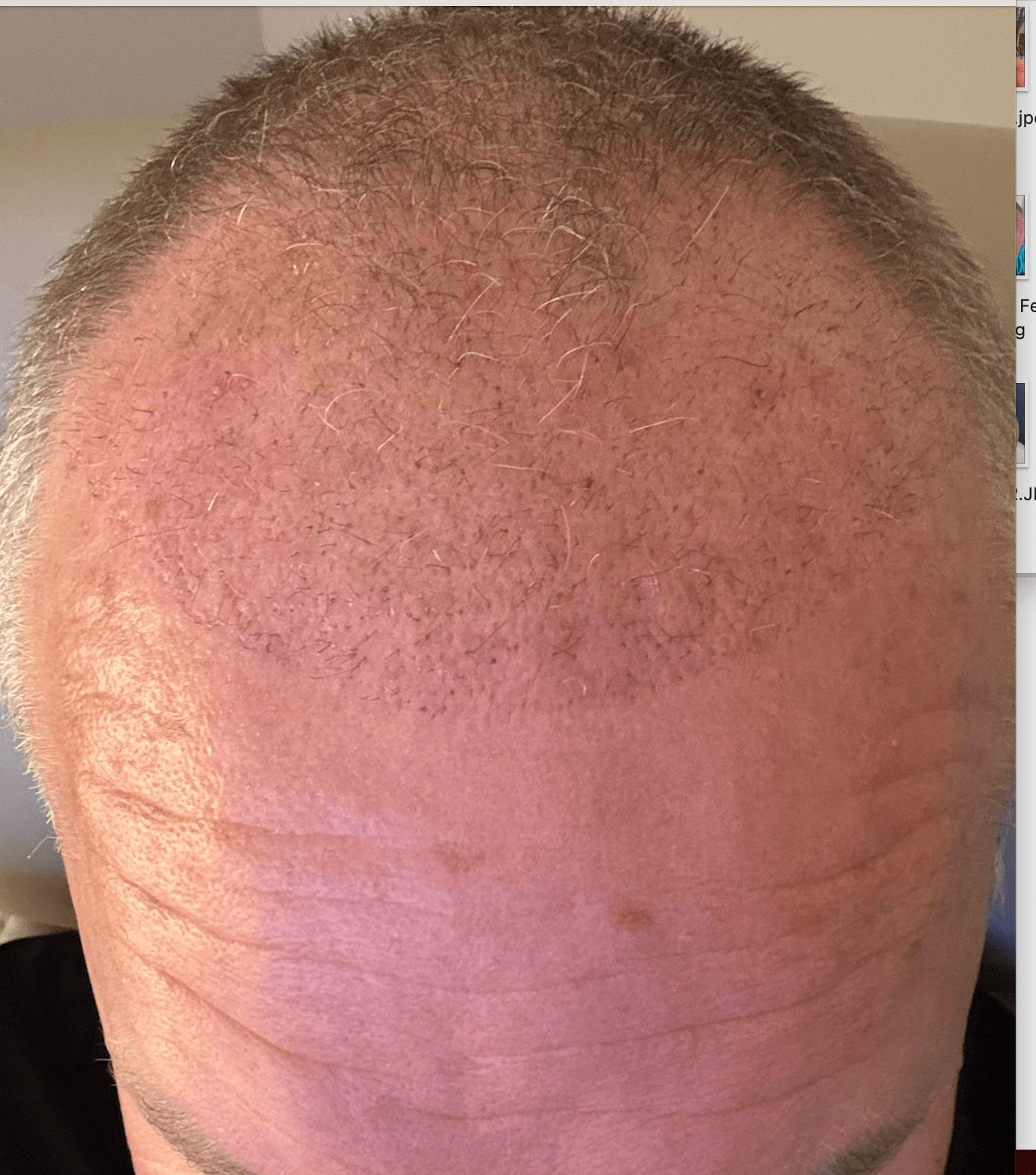 30 days After the Surgery
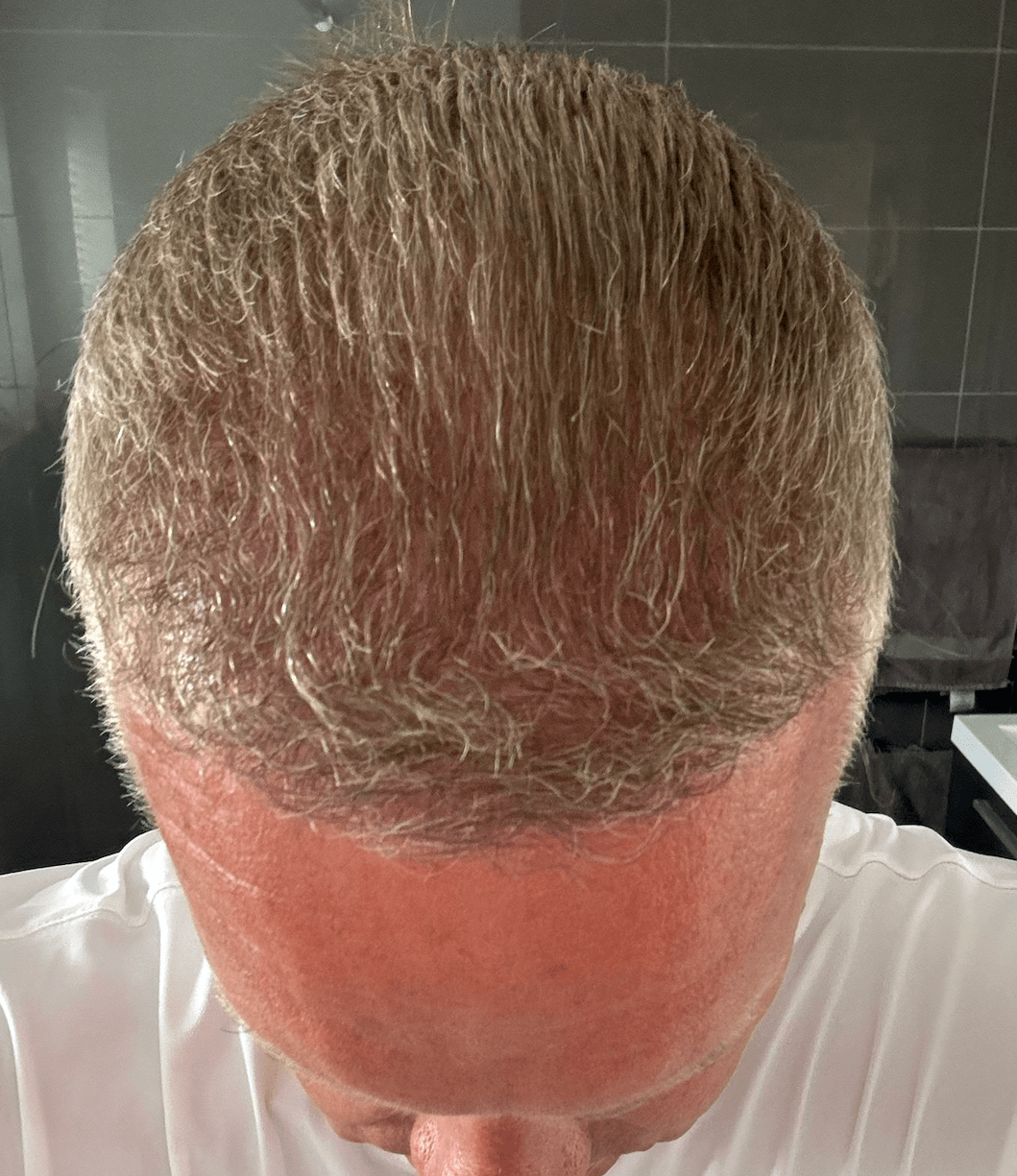 After 12 months
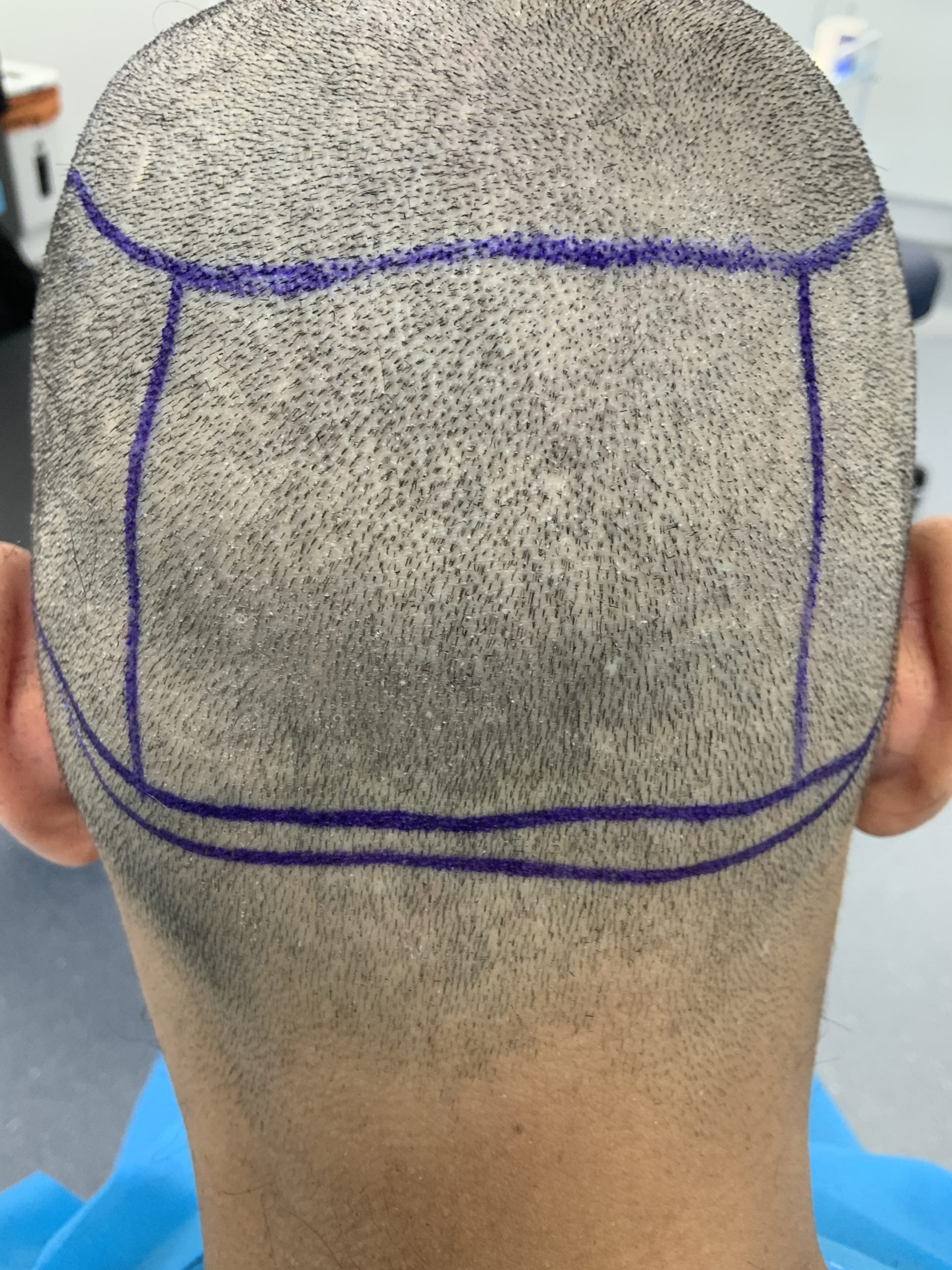 Before the surgery
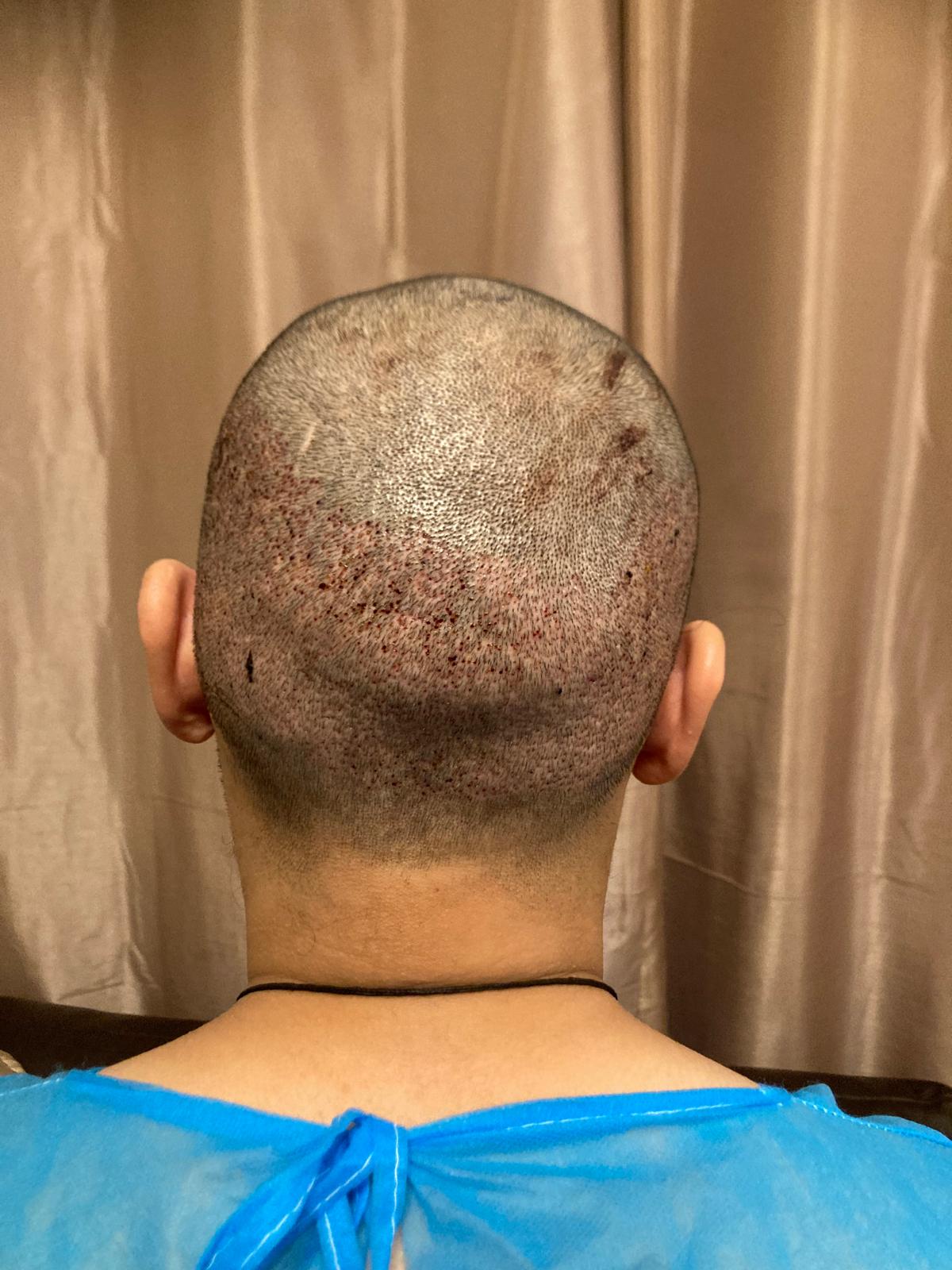 After 2 Days of Surgery
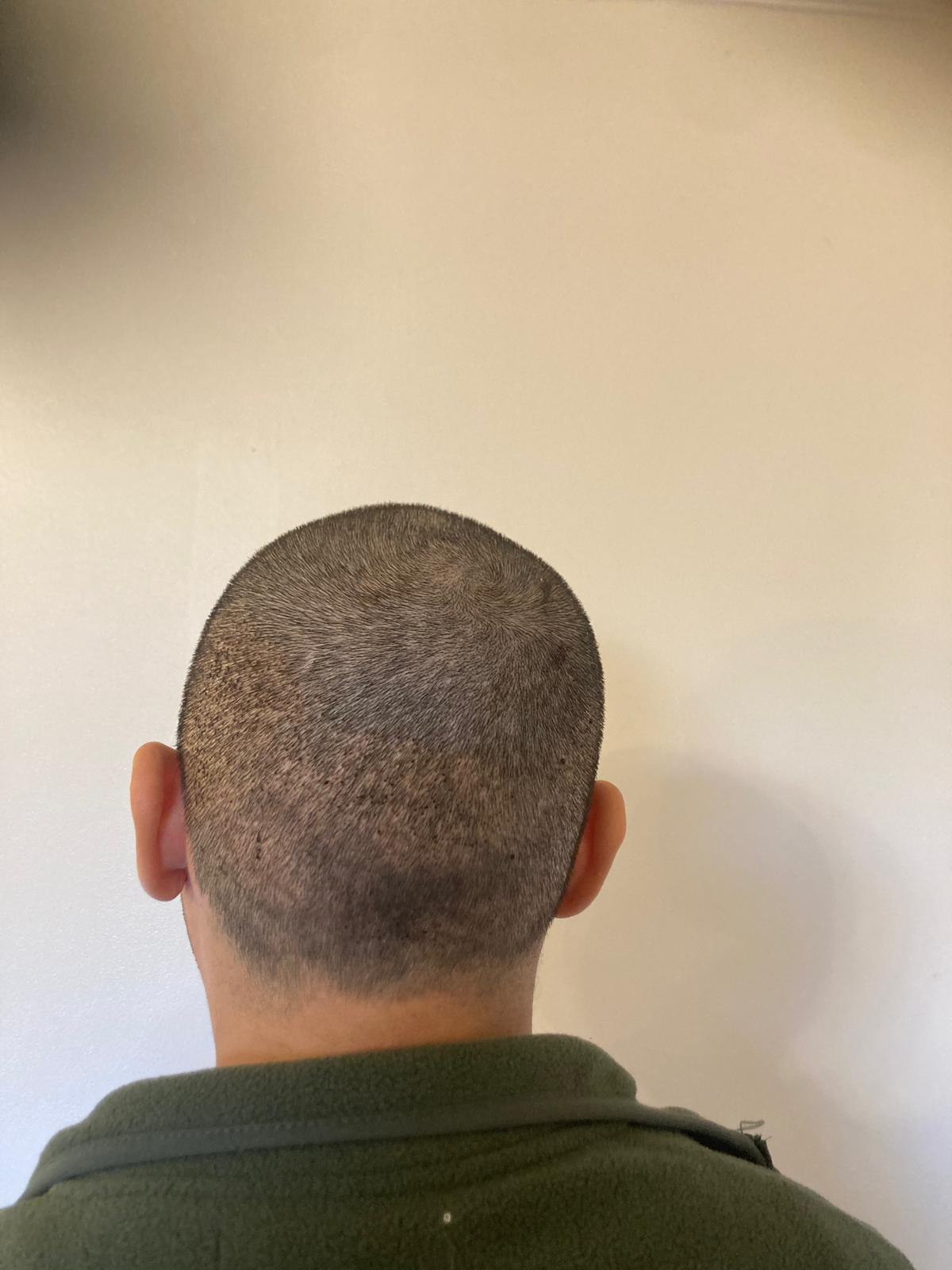 After 4 Days of Surgery
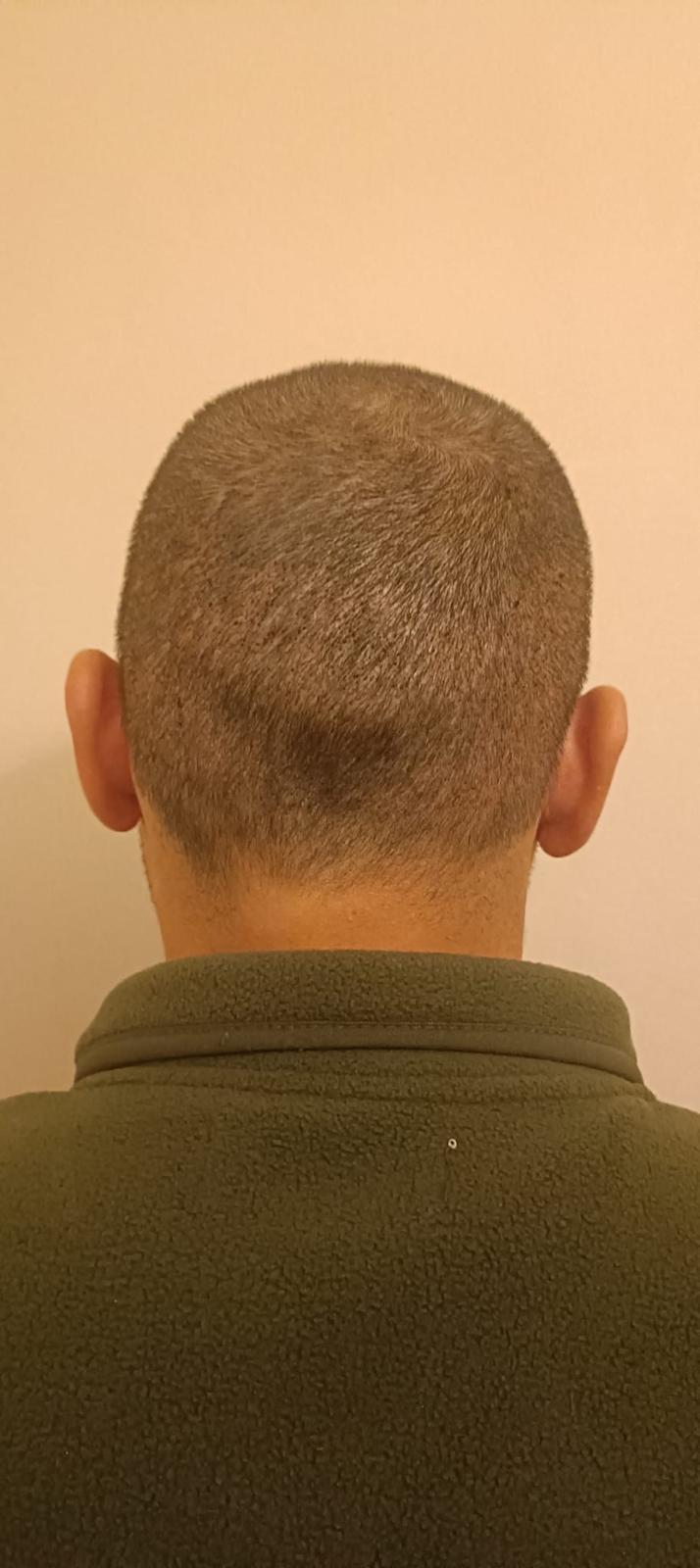 After 8 Days of Surgery
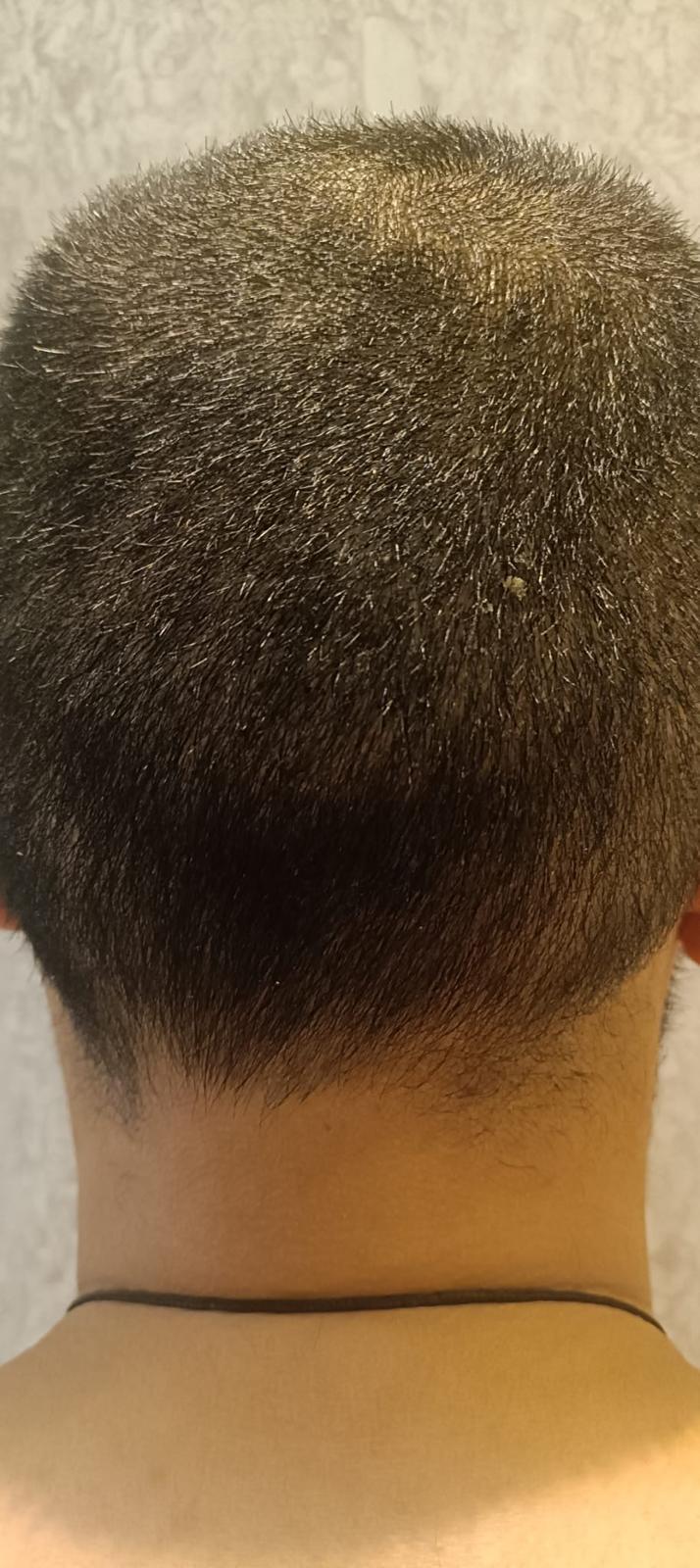 After 28 Days of Surgery
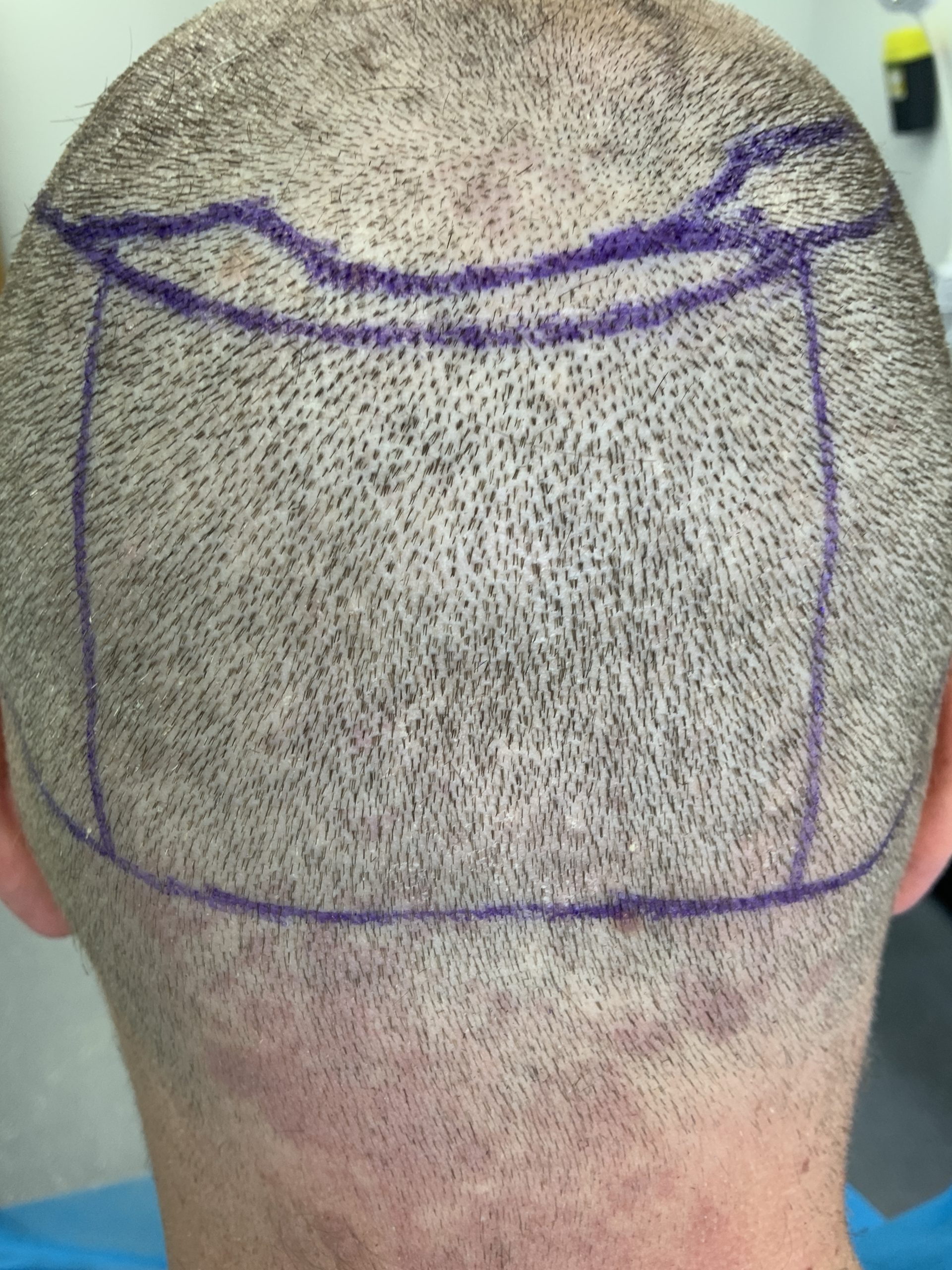 Before the surgery
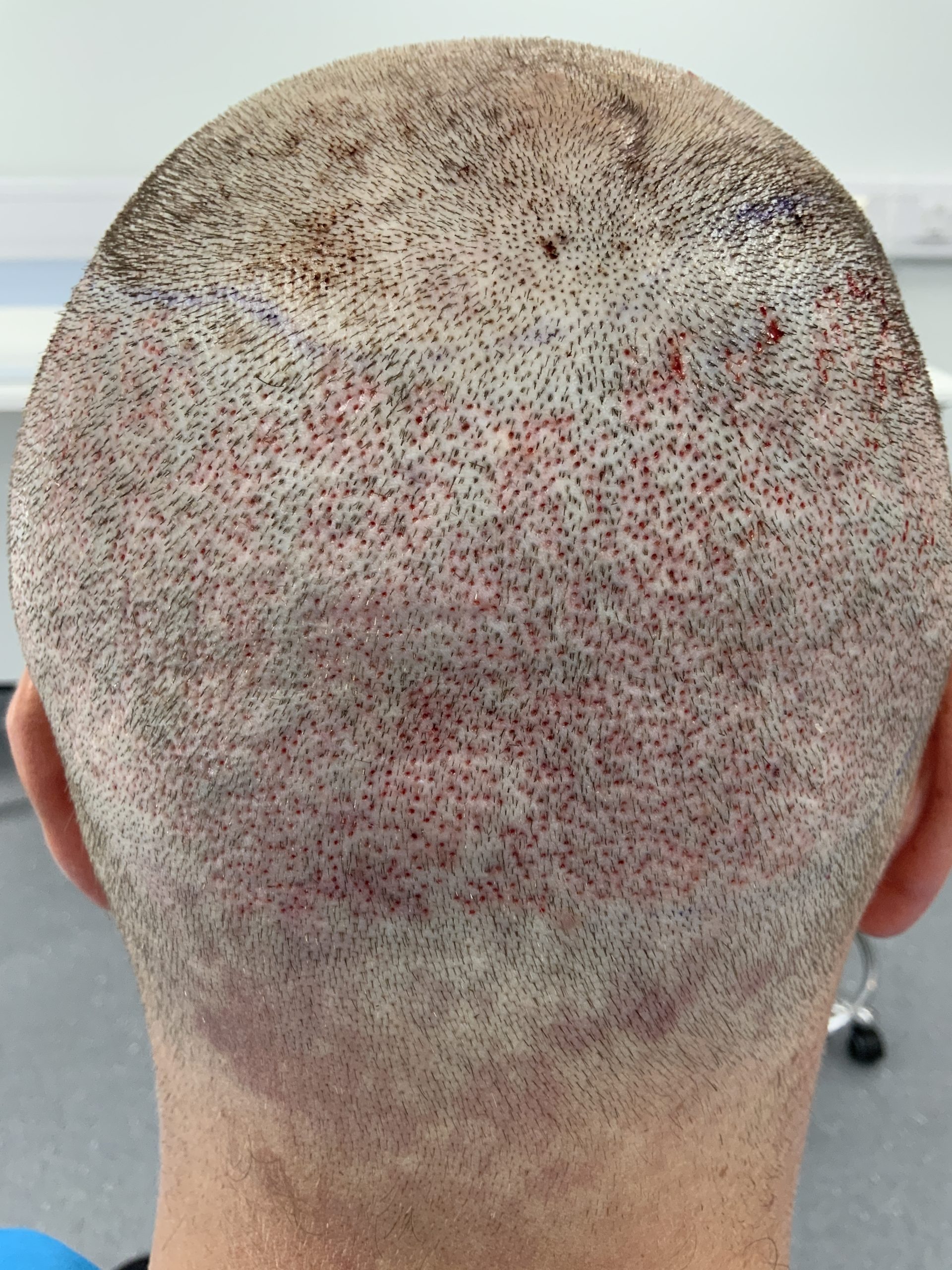 Day of the surgery 1
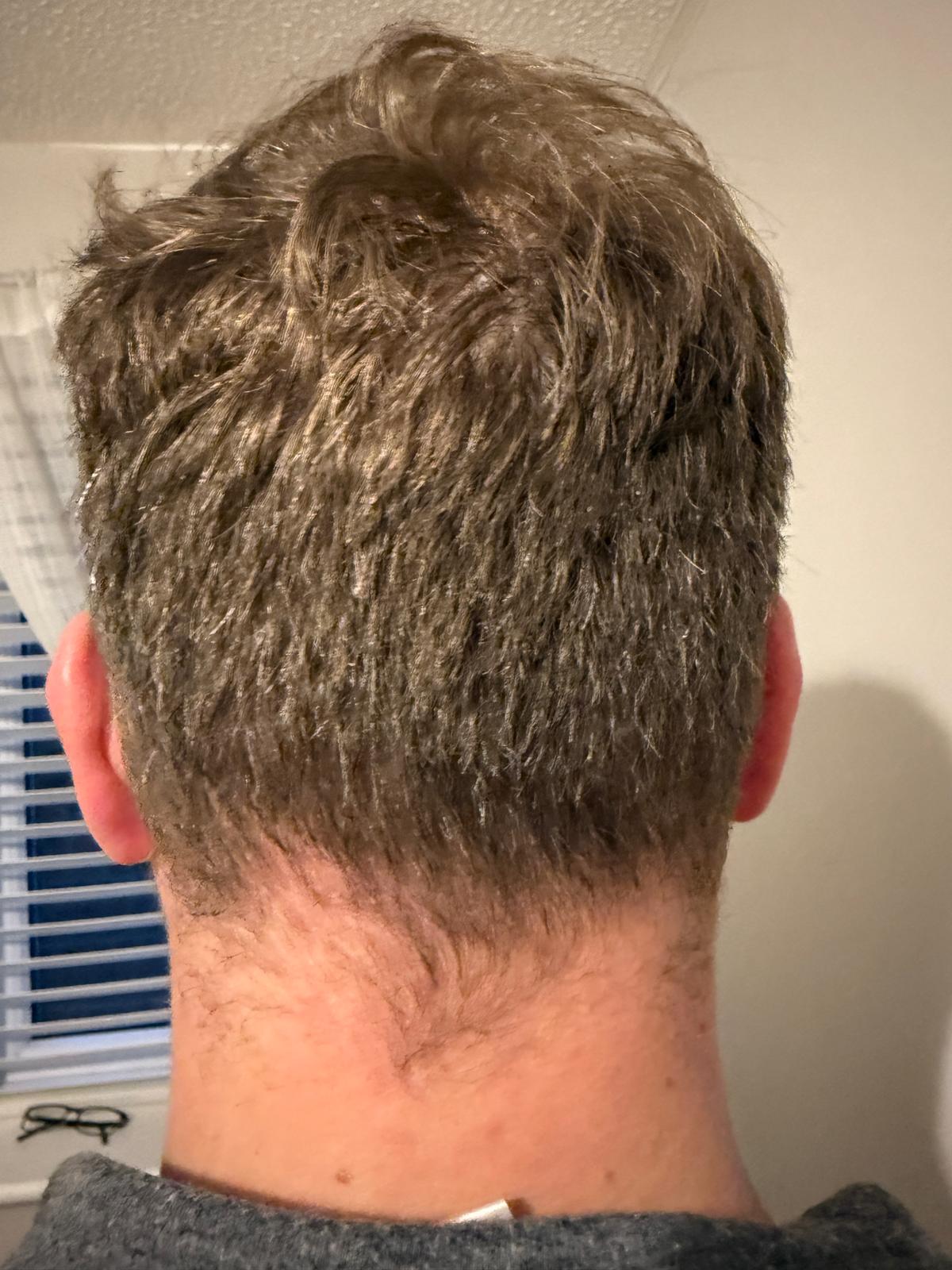 12 Months after the surgery
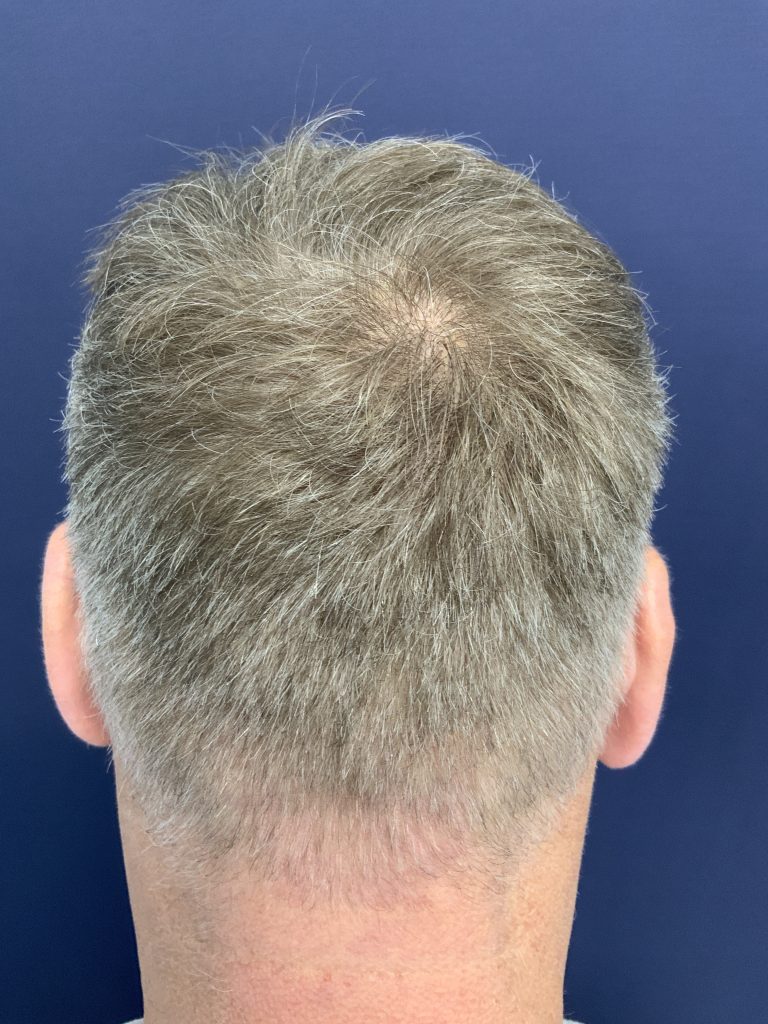 Before Donor
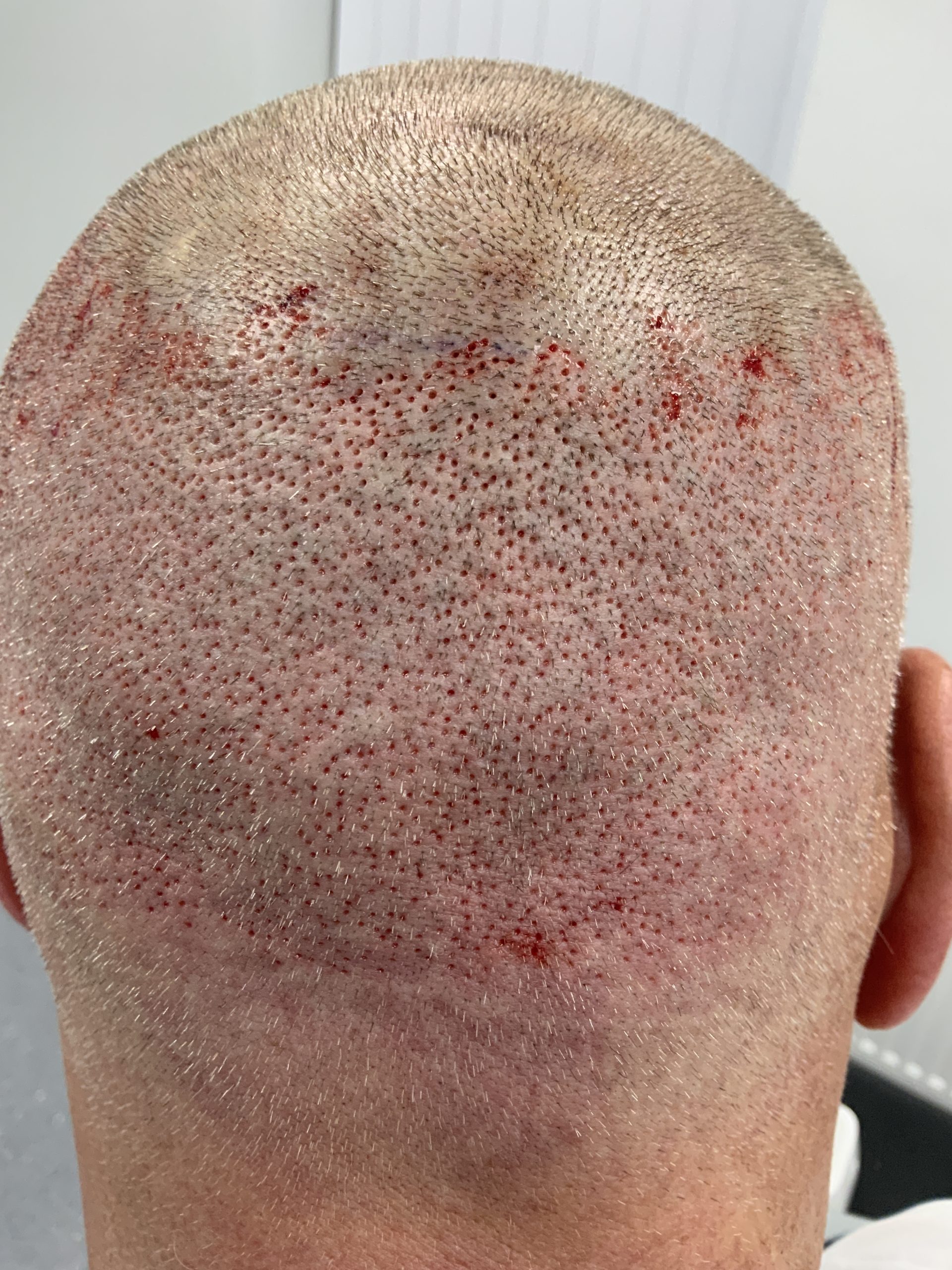 Day 1
Day 1
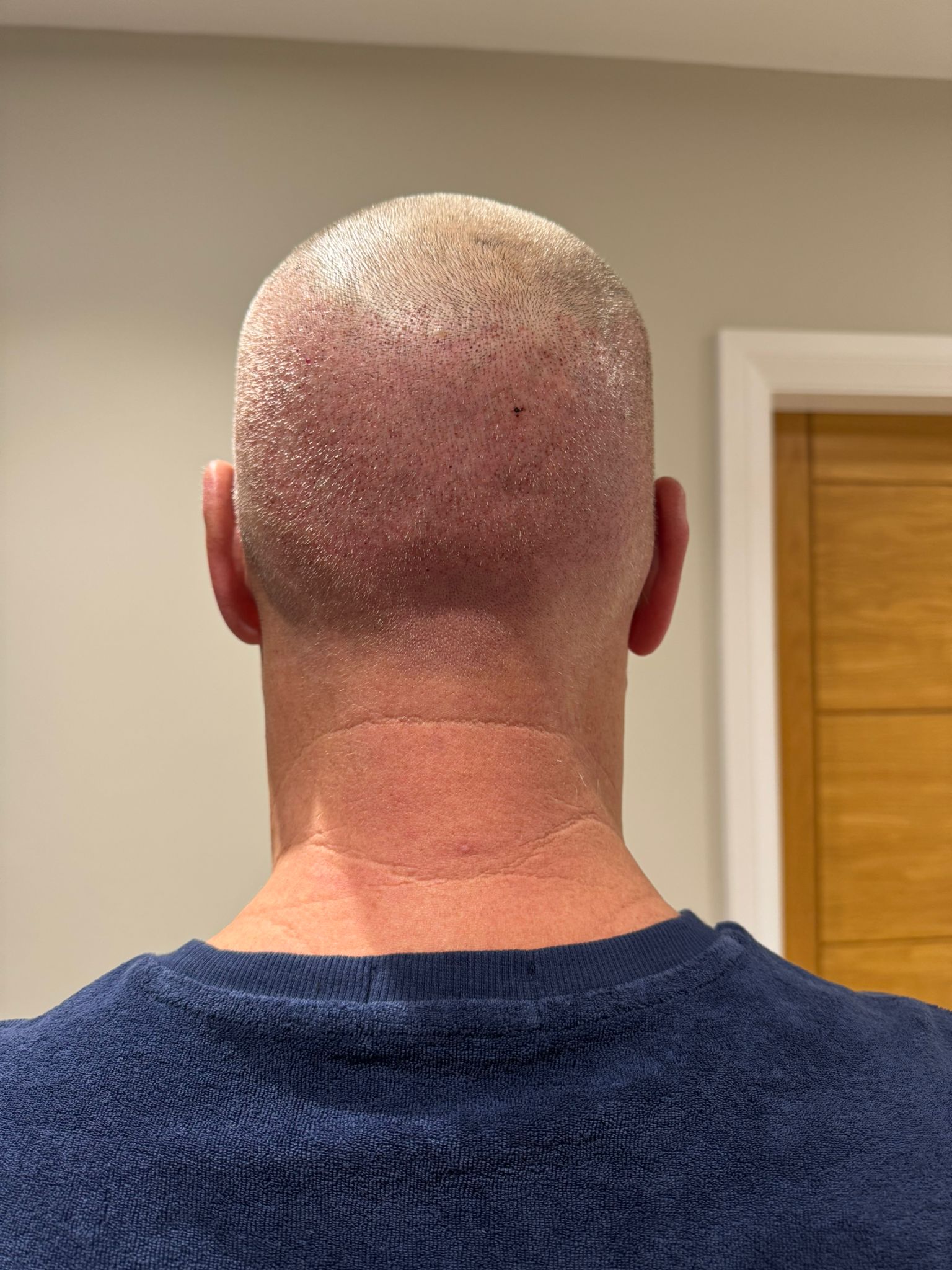 Day 7
Day 7
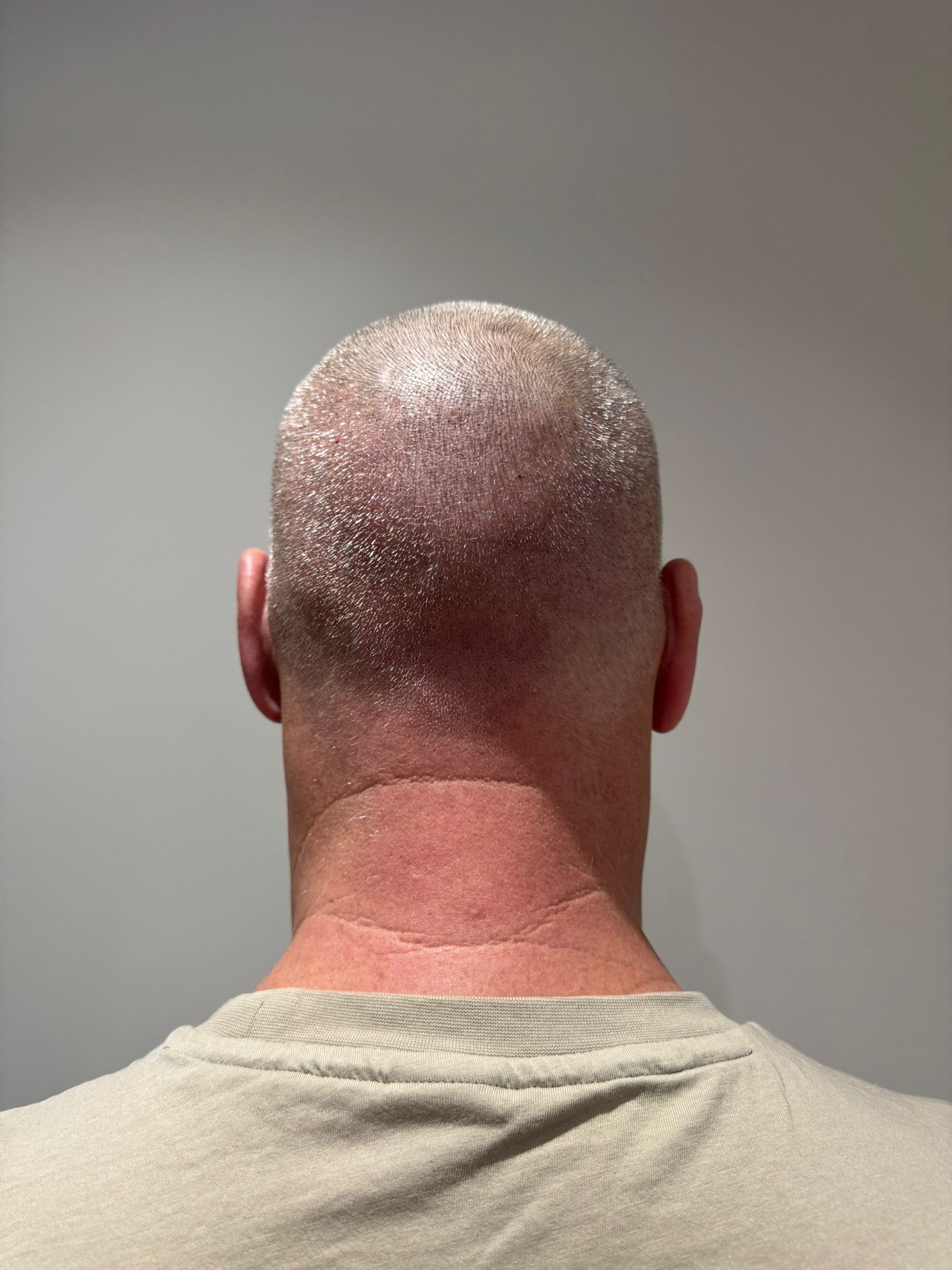 4 Weeks
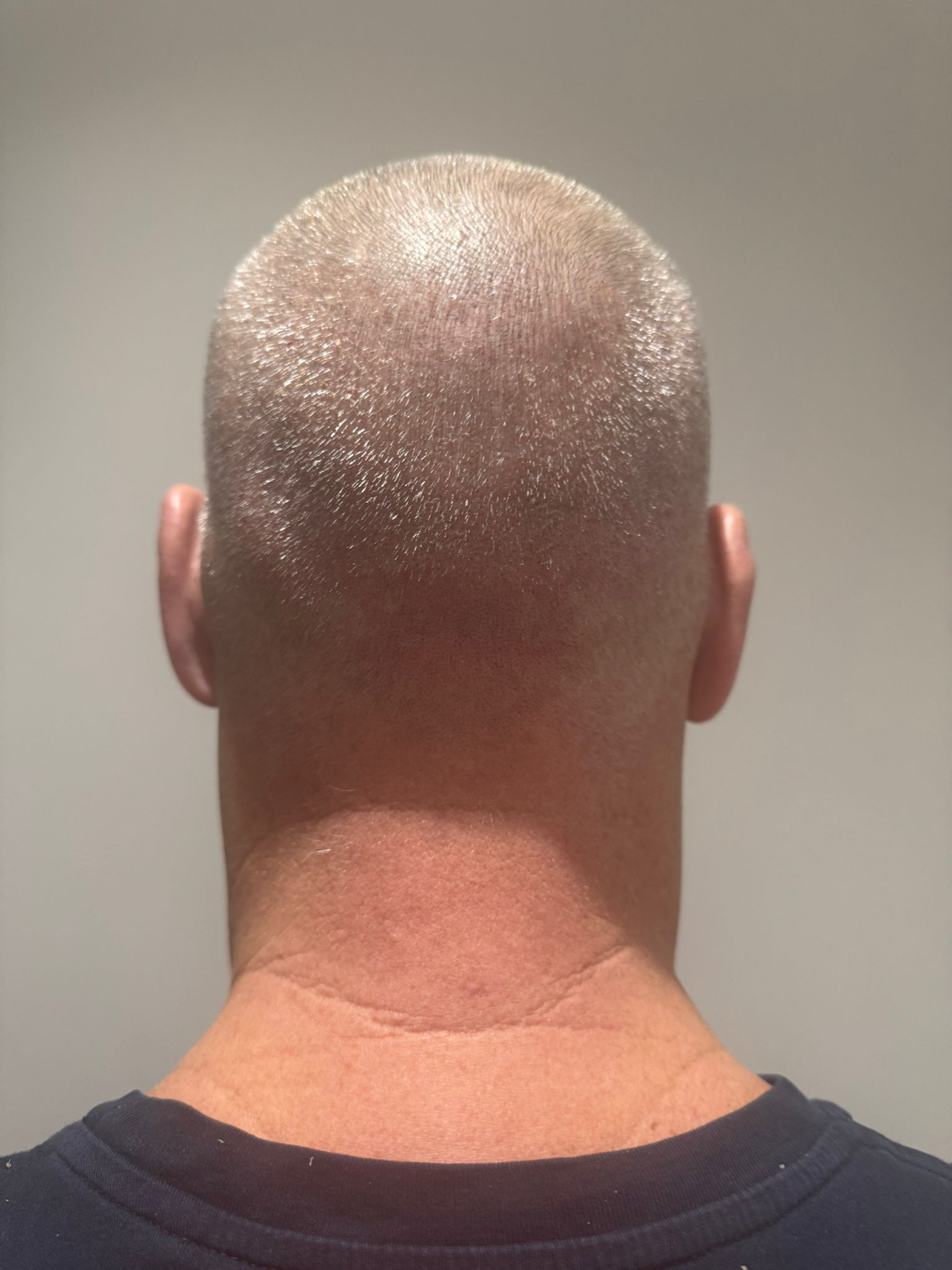 6 Weeks
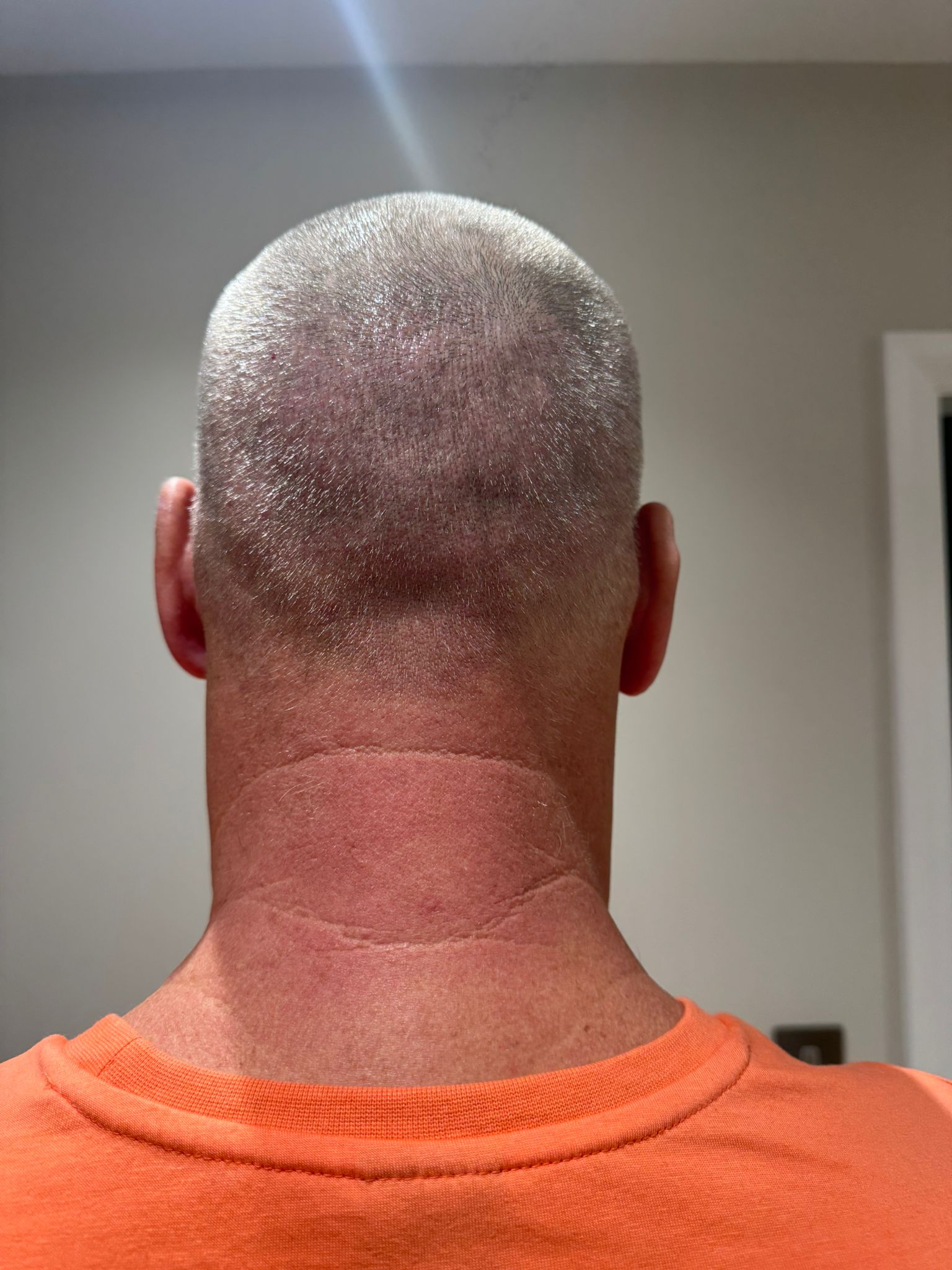 8 Weeks
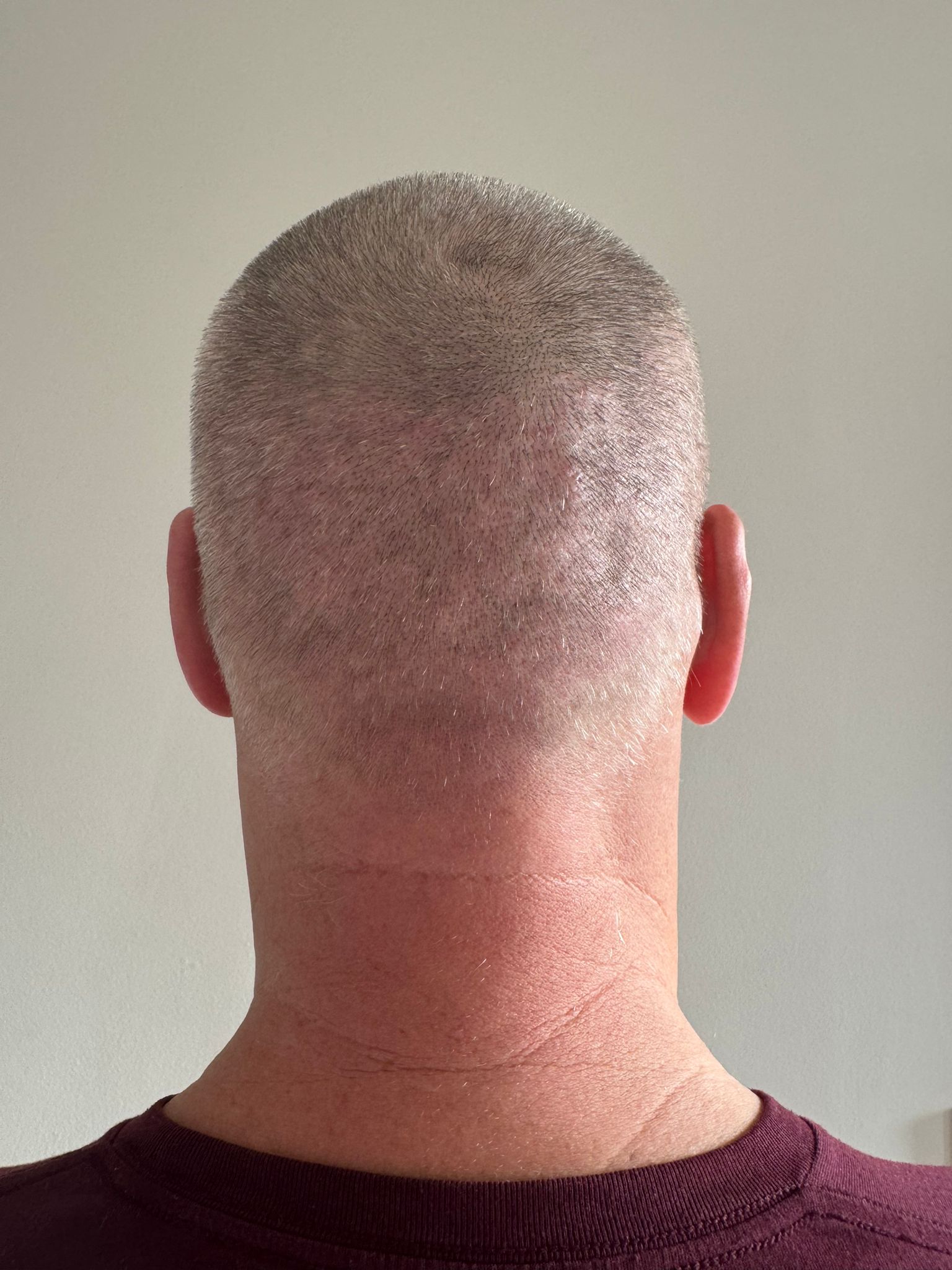 12 Weeks
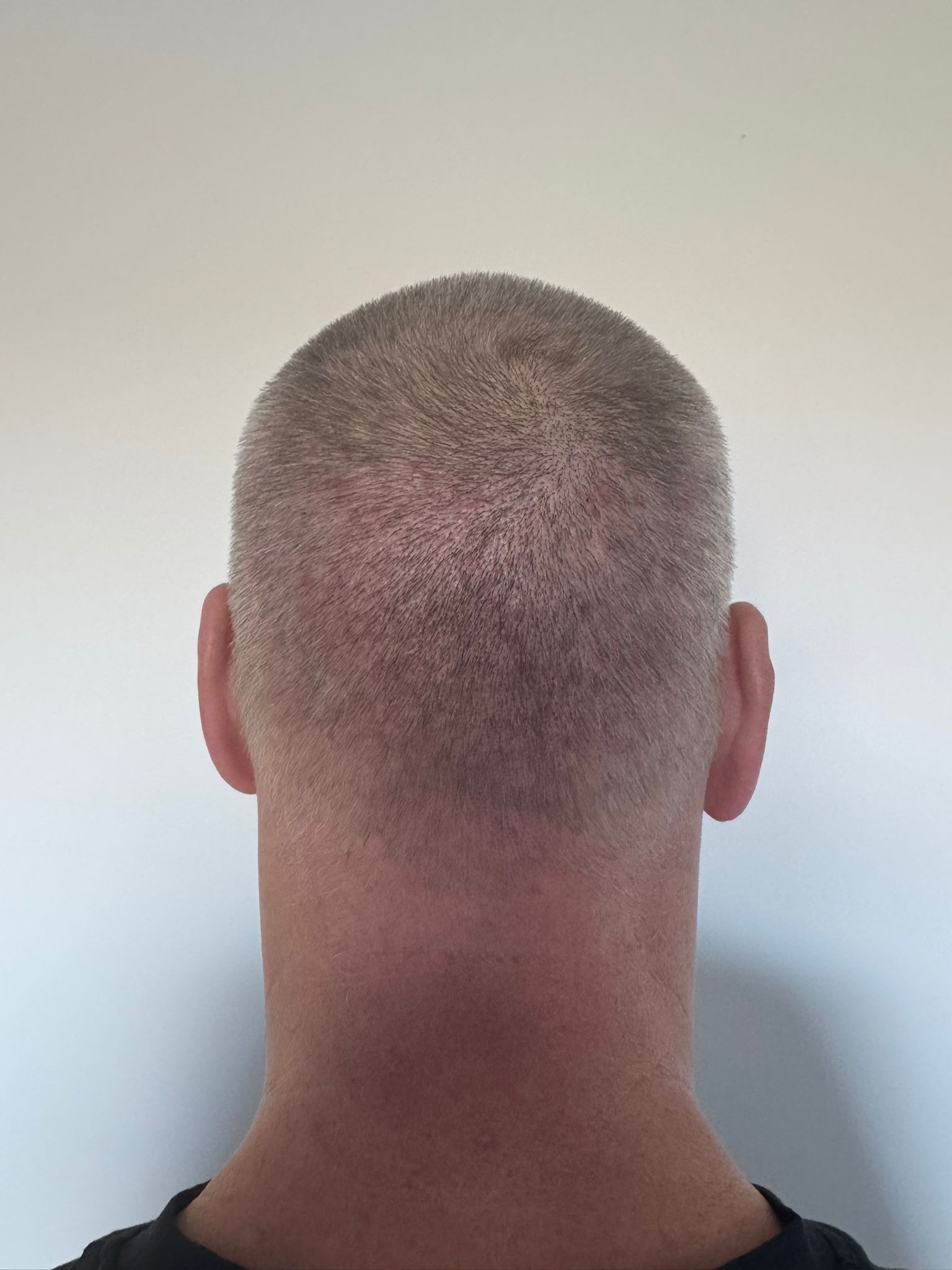 20 Weeks
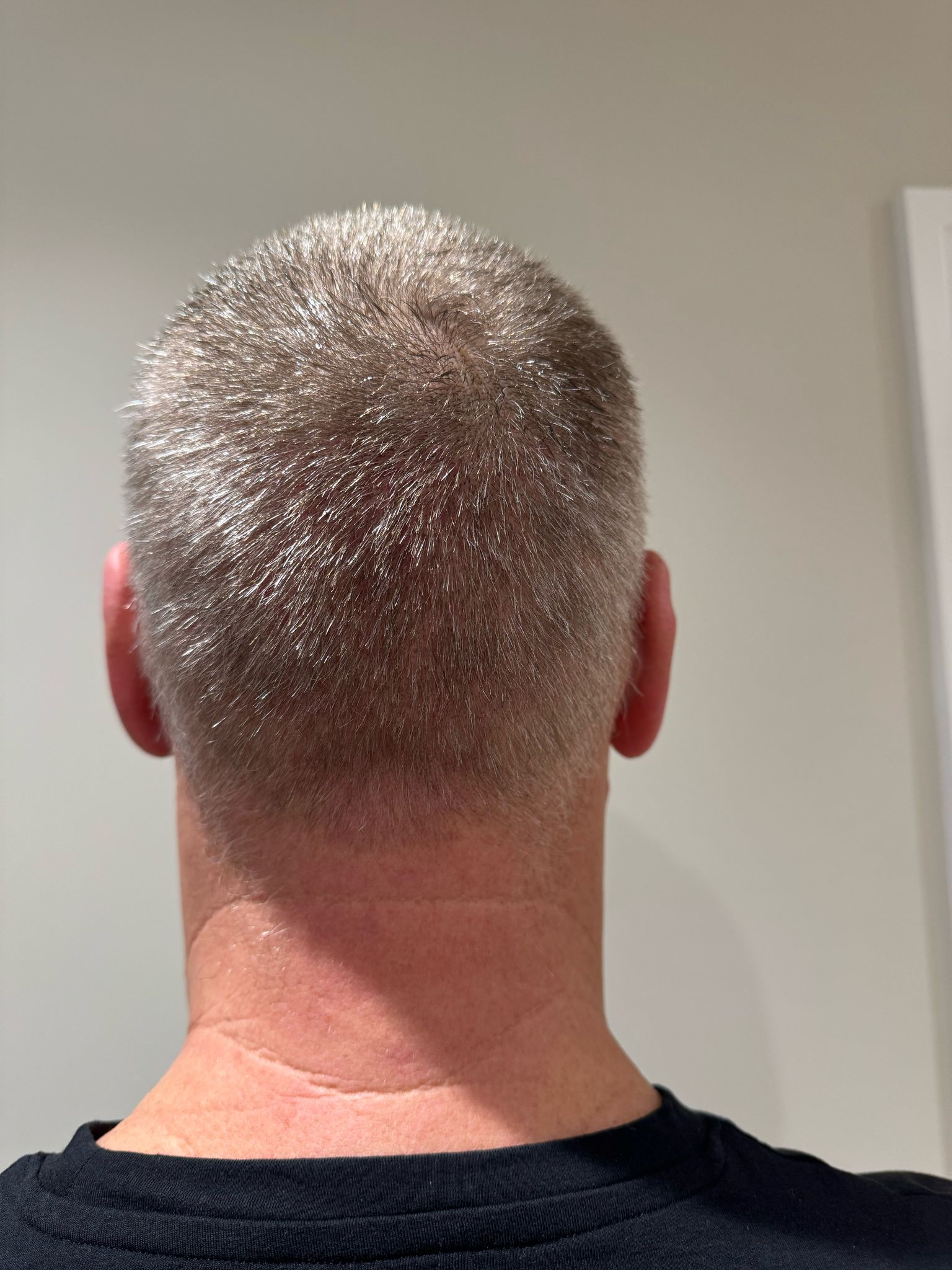 28 Weeks
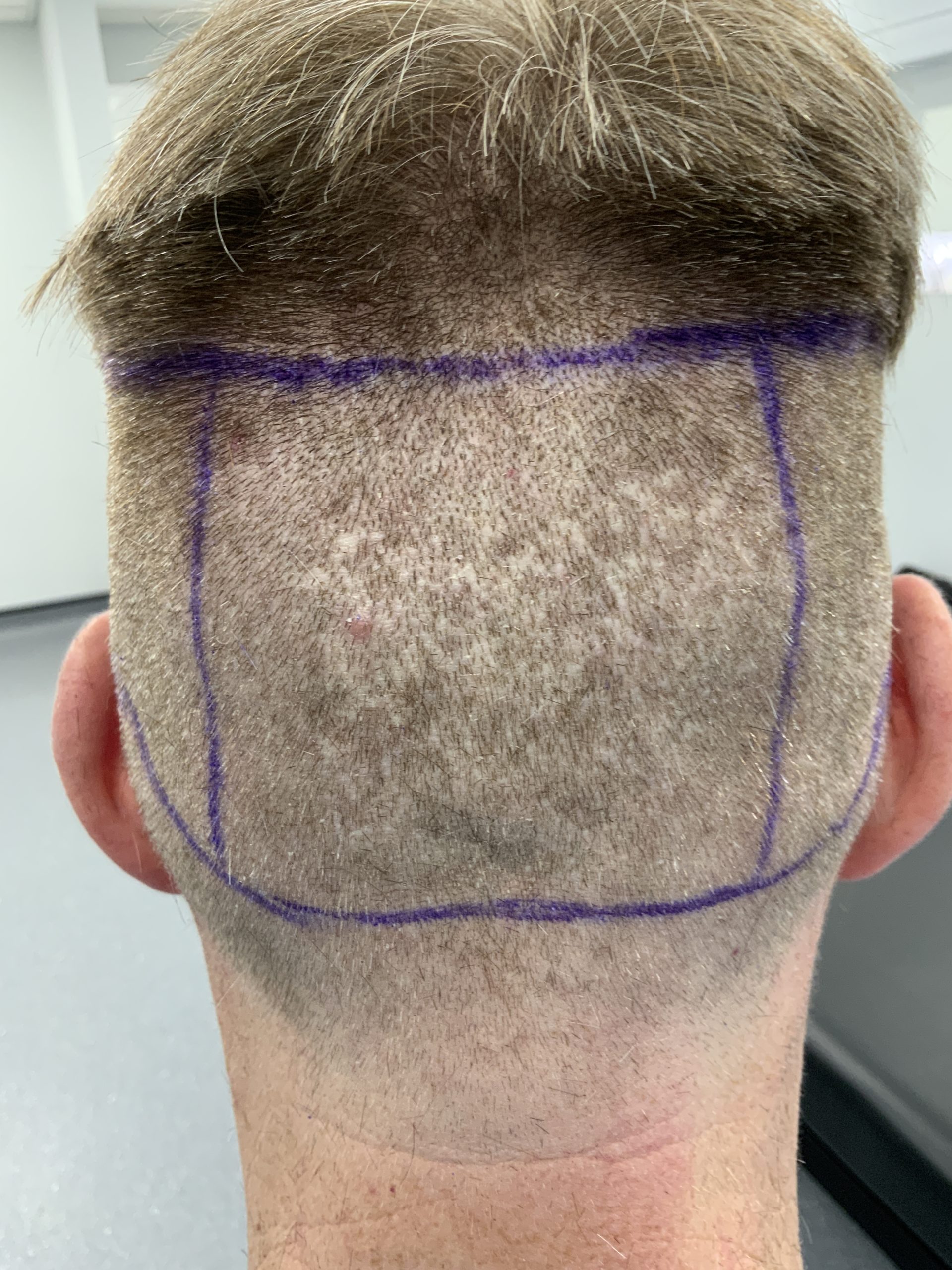 Before the surgery
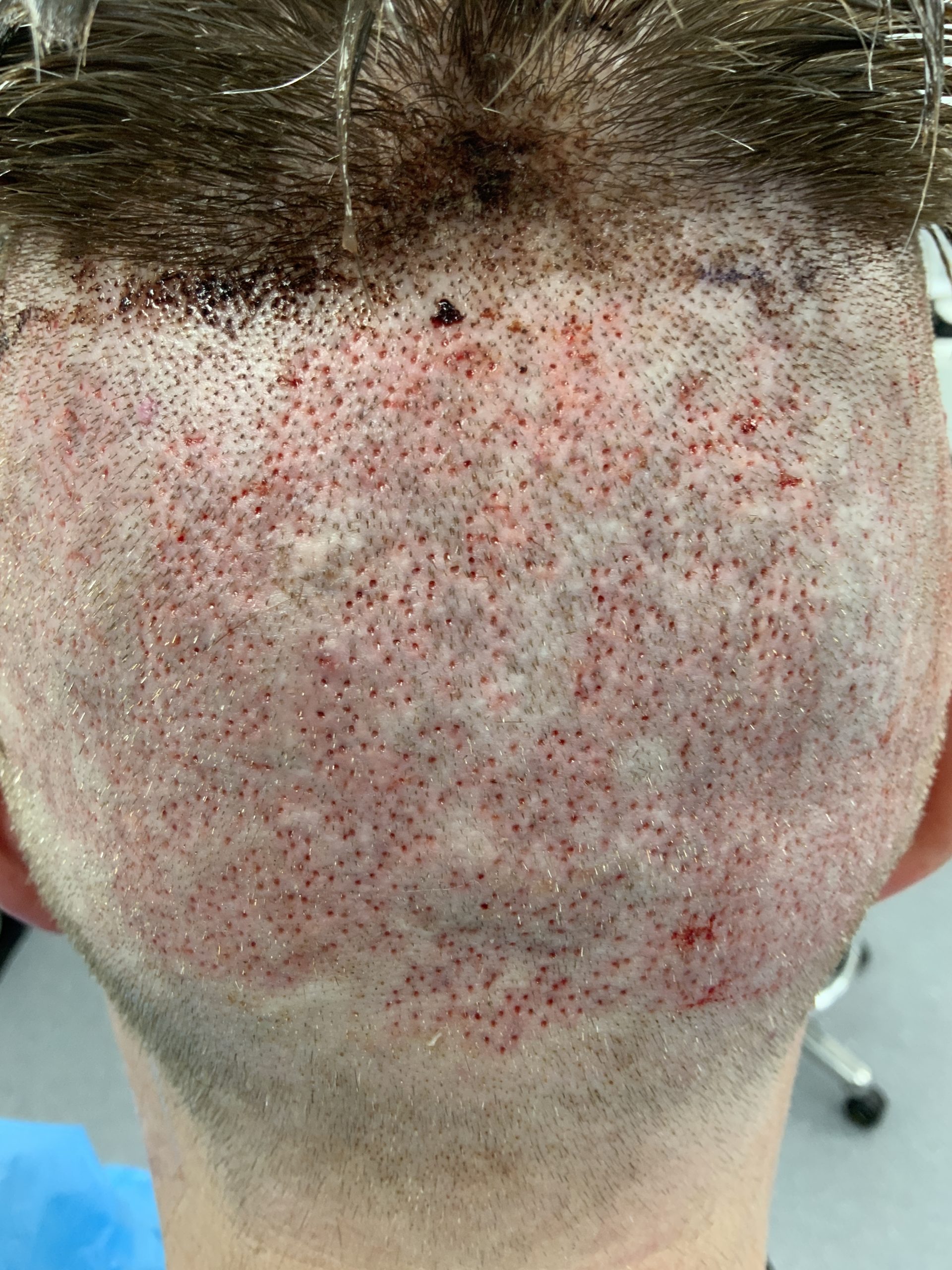 On the day of the surgery
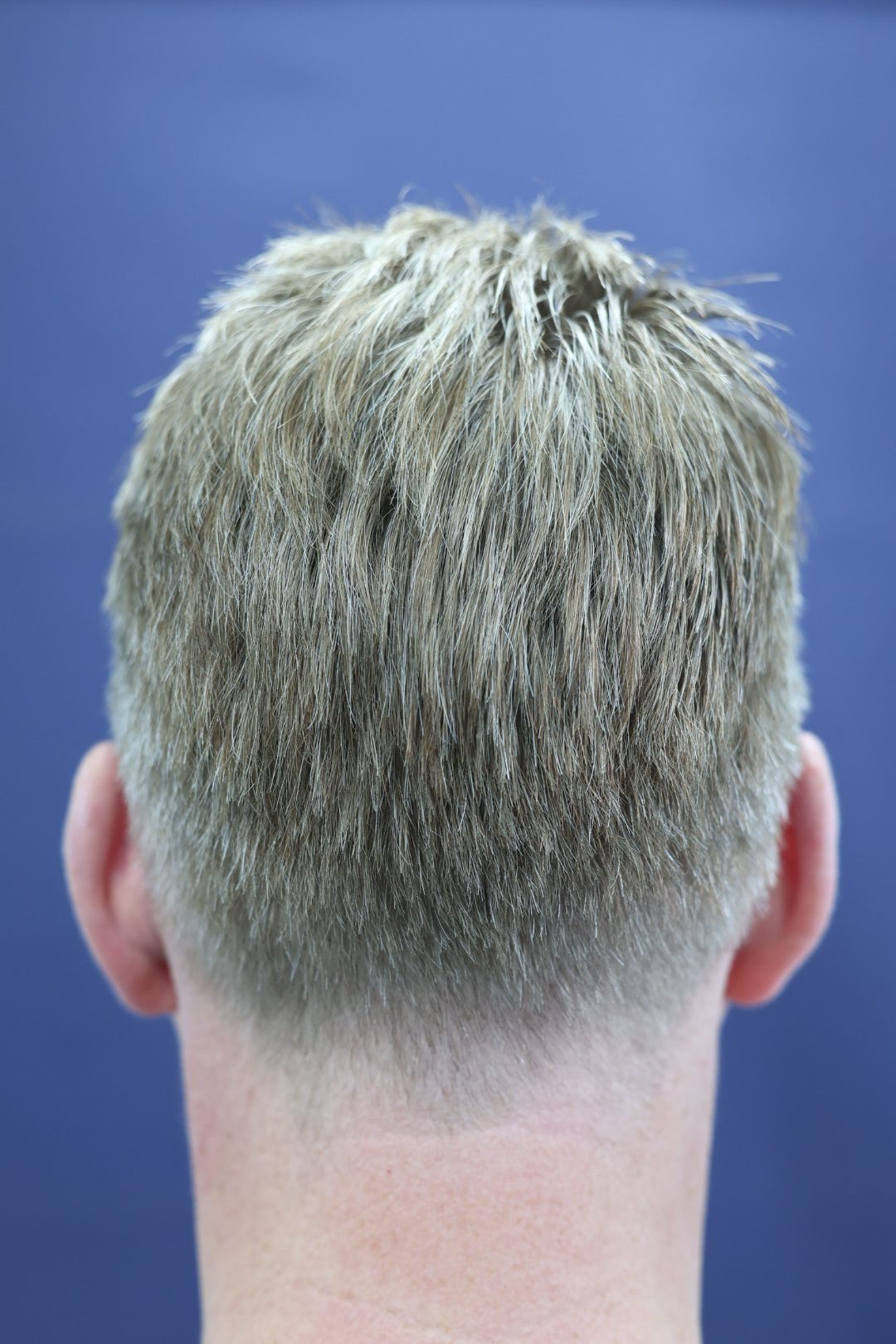 10 Months after the surgery
Dr. Kunnure Clinic is a trusted hair transplantation center led by Dr. Vikas Kunnure, a leading name in Hair Transplant and Aesthetic surgery in the UK. A GMC-registered practitioner and member of ISHRS, BAHRS, and BCAM, Dr. Kunnure brings global expertise and precision to every procedure. He has performed over 2,500 successful transplants ( over 6 million grafts ) combining technical skill with a compassionate approach that helps patients regain both hair and confidence. His commitment to natural-looking, long-lasting results and attentive aftercare has earned him the trust of clients across the country.
Dr. Kunnure consults privately at his clinics in London, Manchester, and Nottingham. Trained in the USA, UK, EU, and India, he holds an MBBS from the University of Mumbai and 11 years’ experience in hair restoration. His specialist focus spans male and female pattern baldness, hair loss treatment, and modern transplant techniques such as FUE and FUT.
Known for his patient-centered philosophy, Dr. Kunnure combines medical insight with personal understanding, having undergone a transplant himself. This experience shapes his empathetic approach and meticulous care, ensuring each patient feels supported throughout their journey.
Before establishing his private practice, Dr. Kunnure served in the NHS for more than two decades, including roles as Medical Registrar at St. George’s University Hospital NHT Trust , London, and as a General Practitioner. He also holds a Postgraduate Diploma in Diabetology and has received clinical performance awards for excellence in patient care.
Professional Experience
Professional Memberships
Education
Languages Spoken
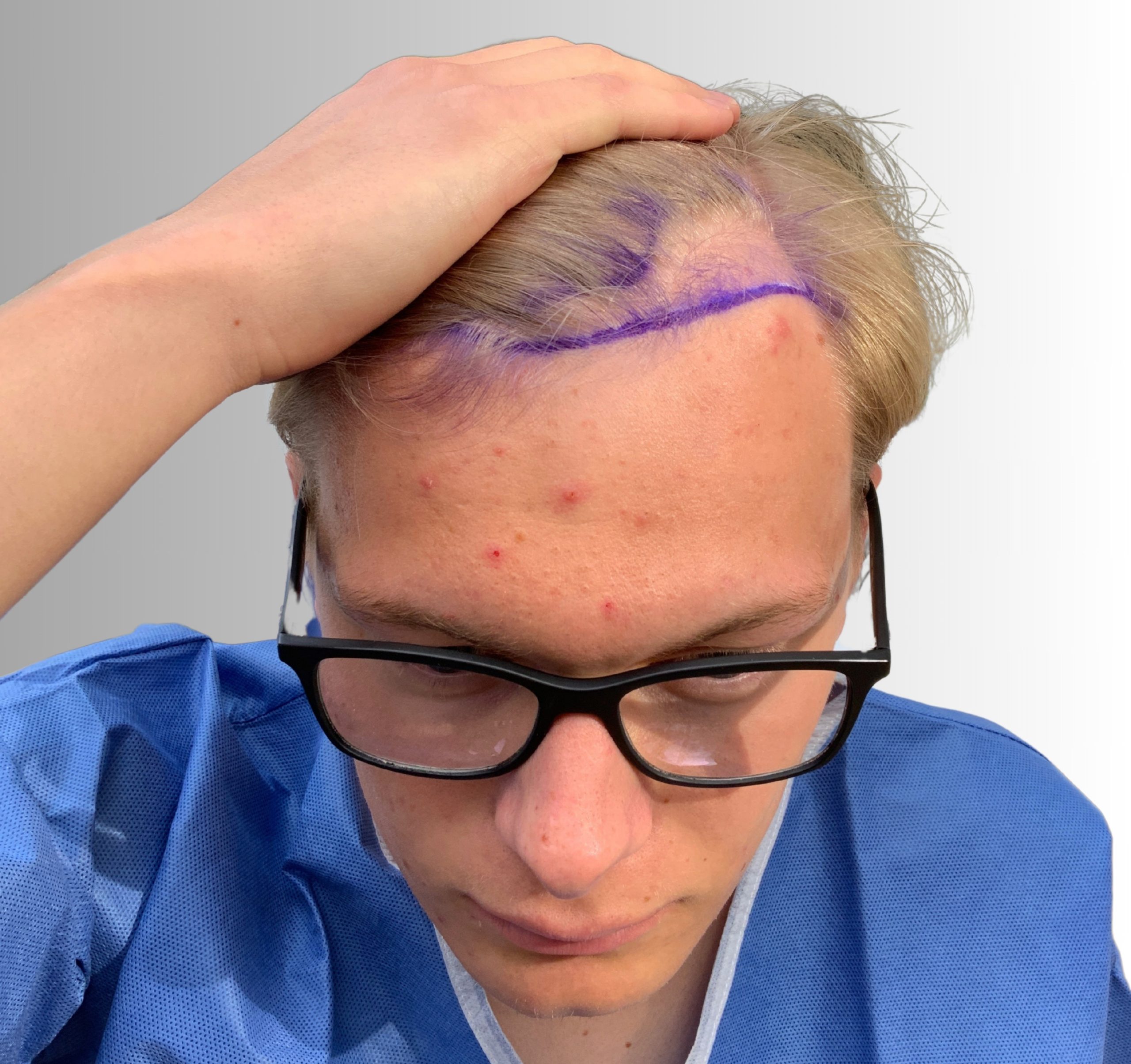 Before the surgery
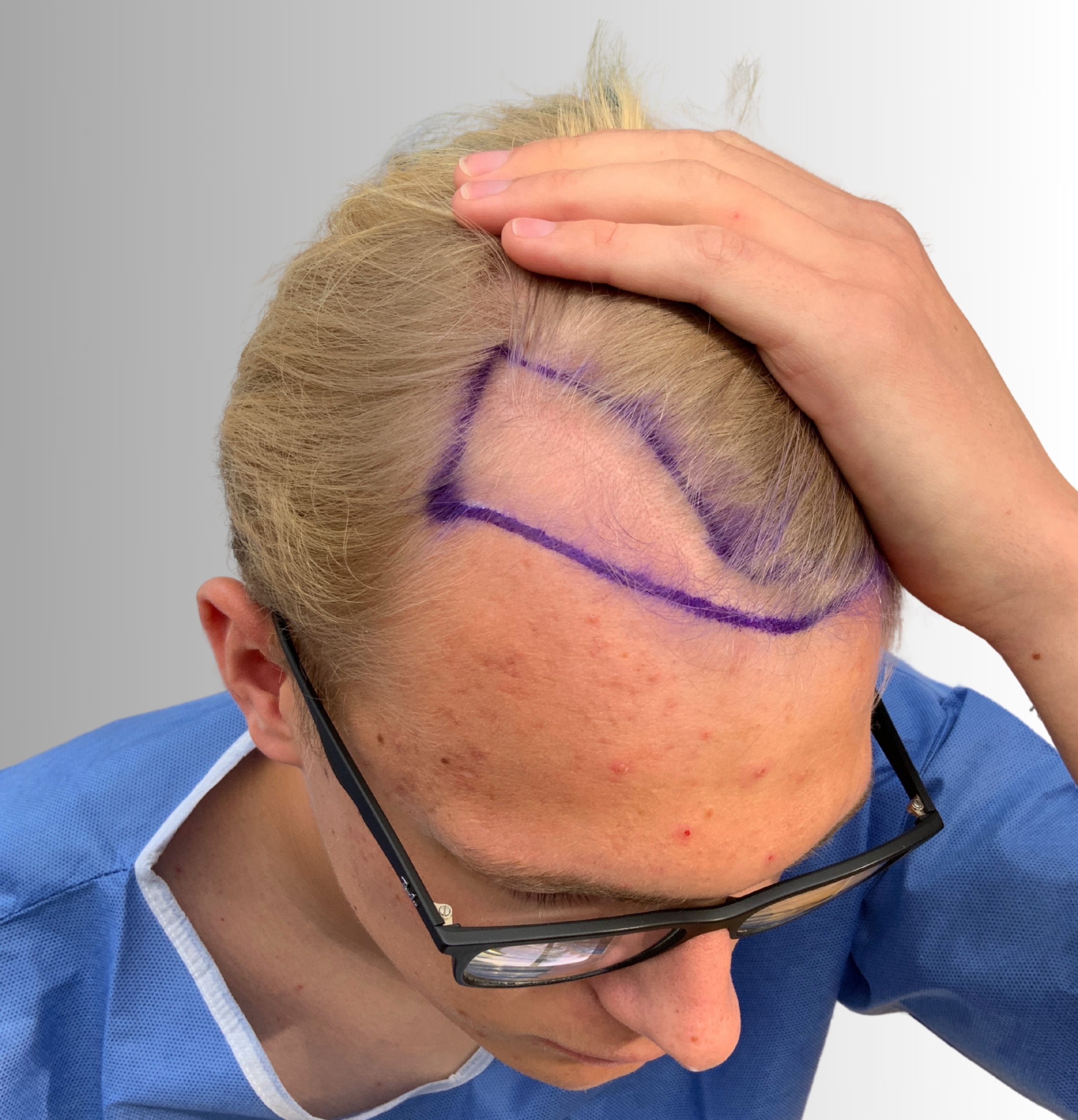 Before the surgery
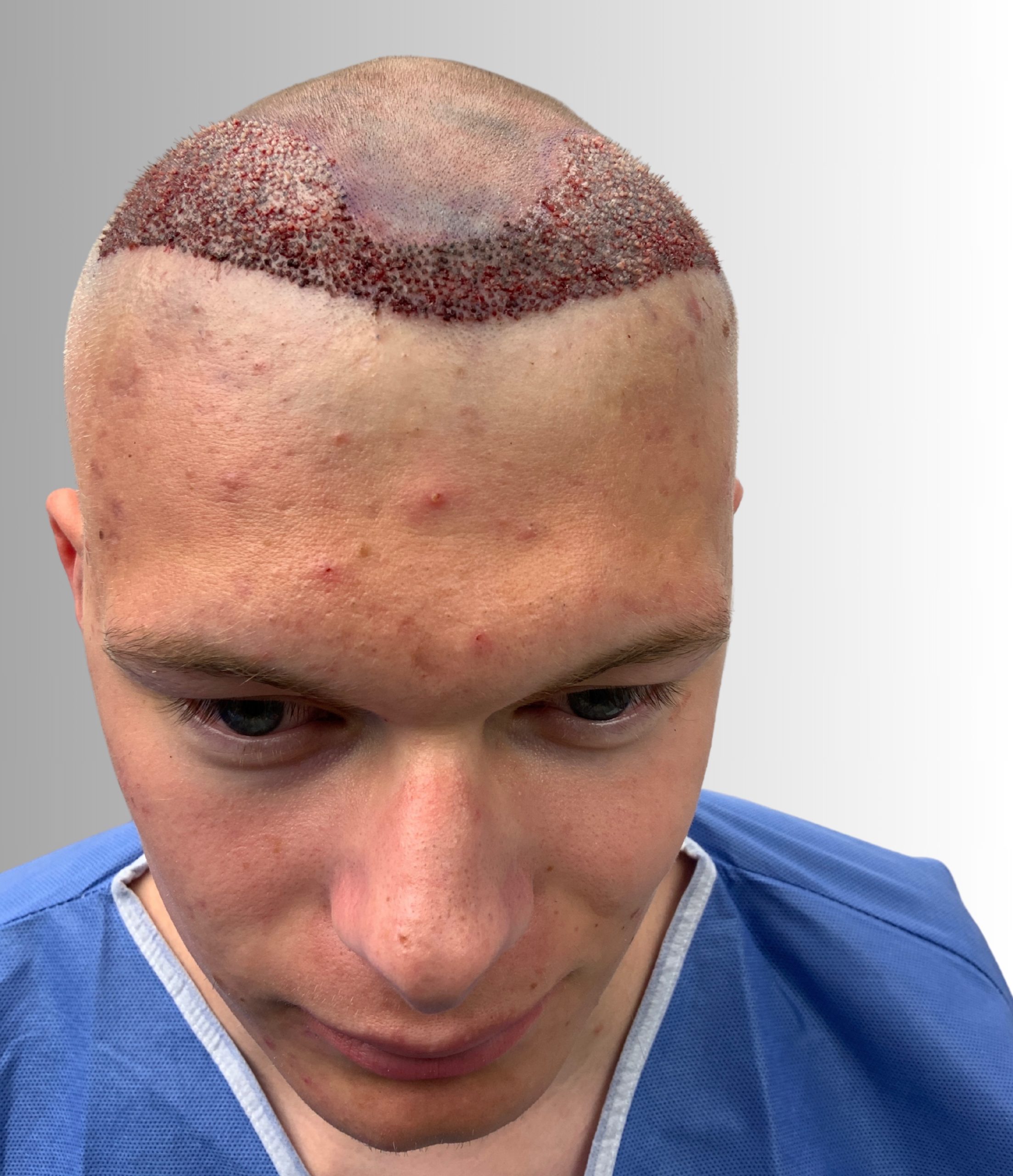 On the day of the surgery
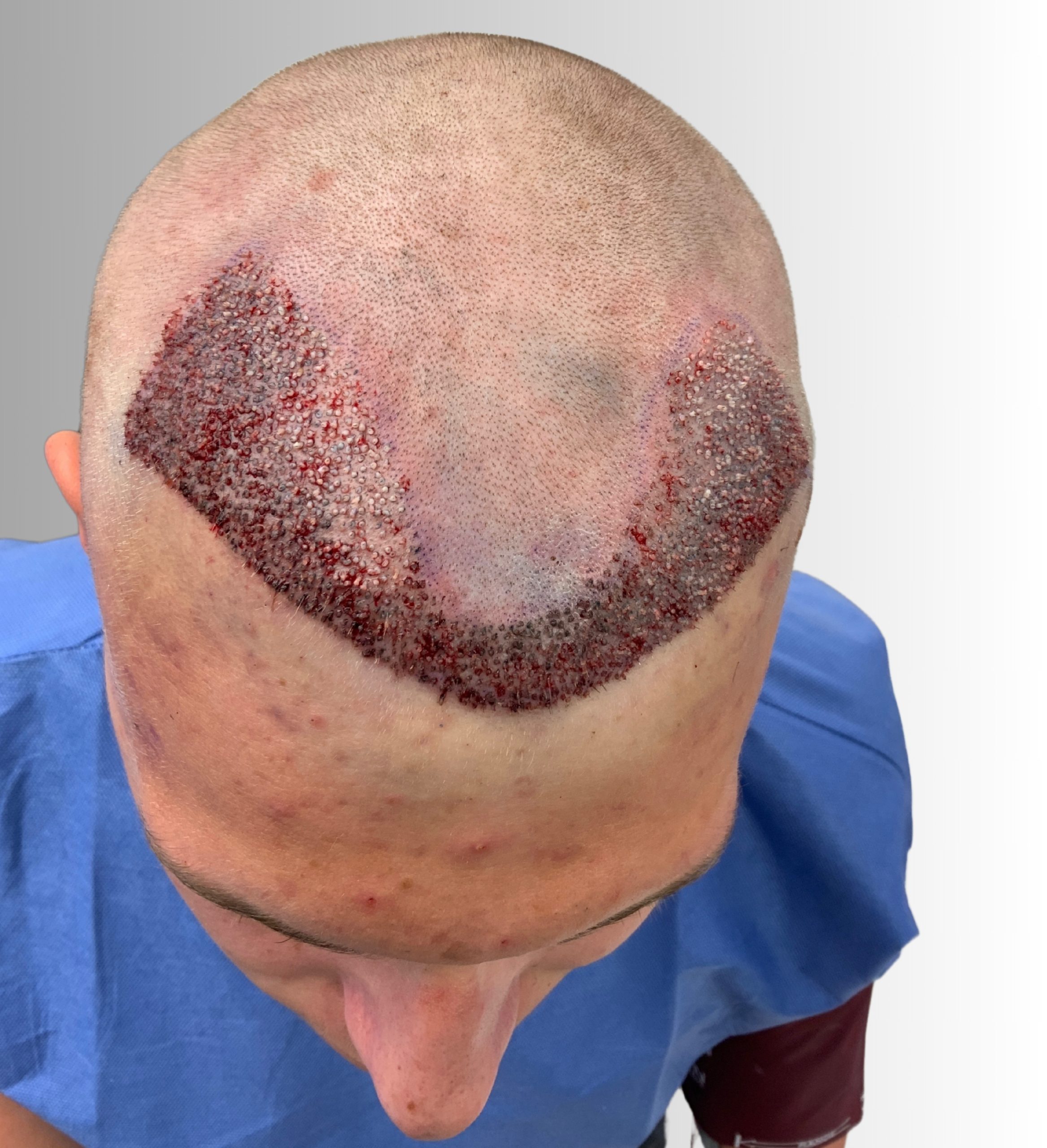 On the day of the surgery
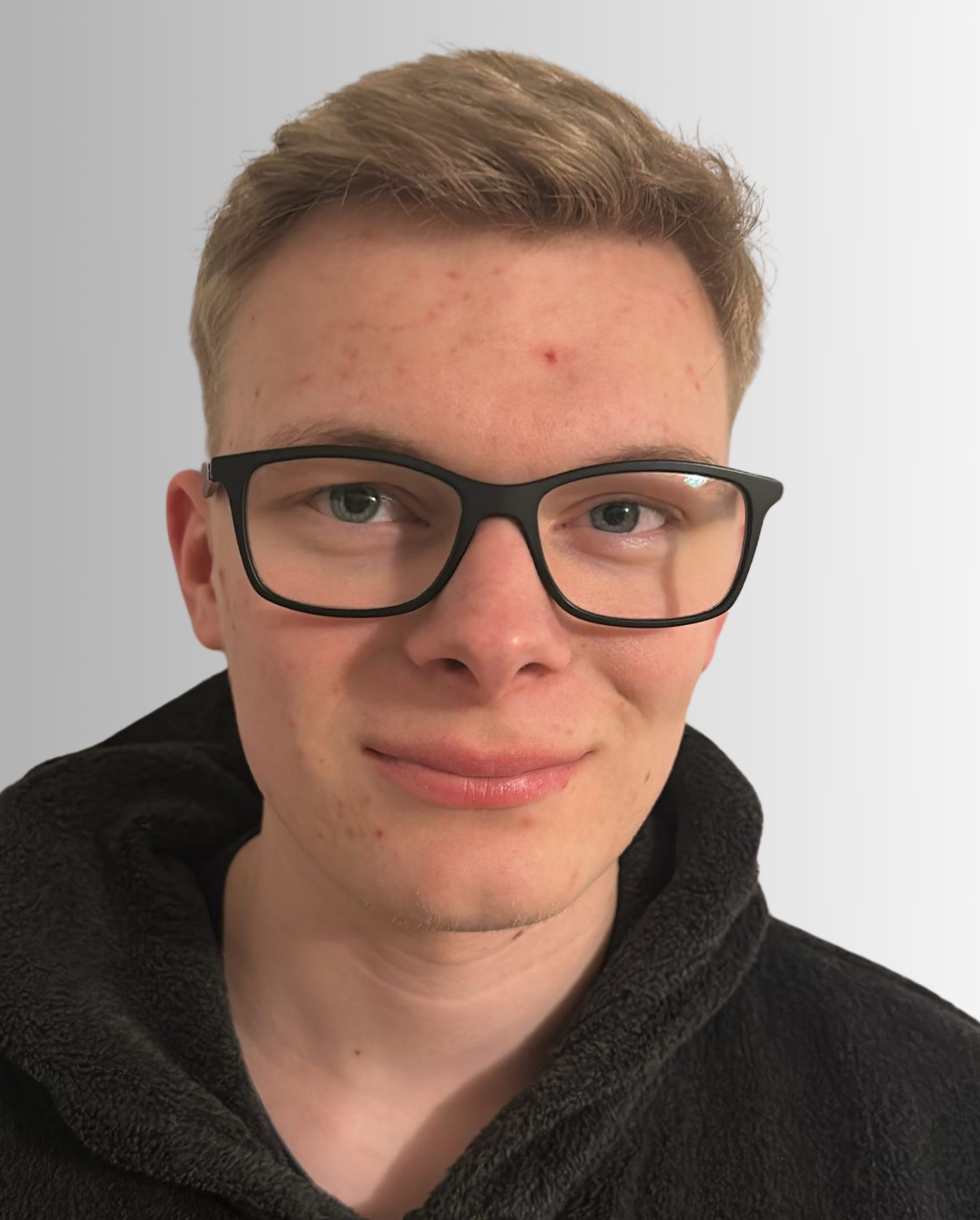 After 15 months
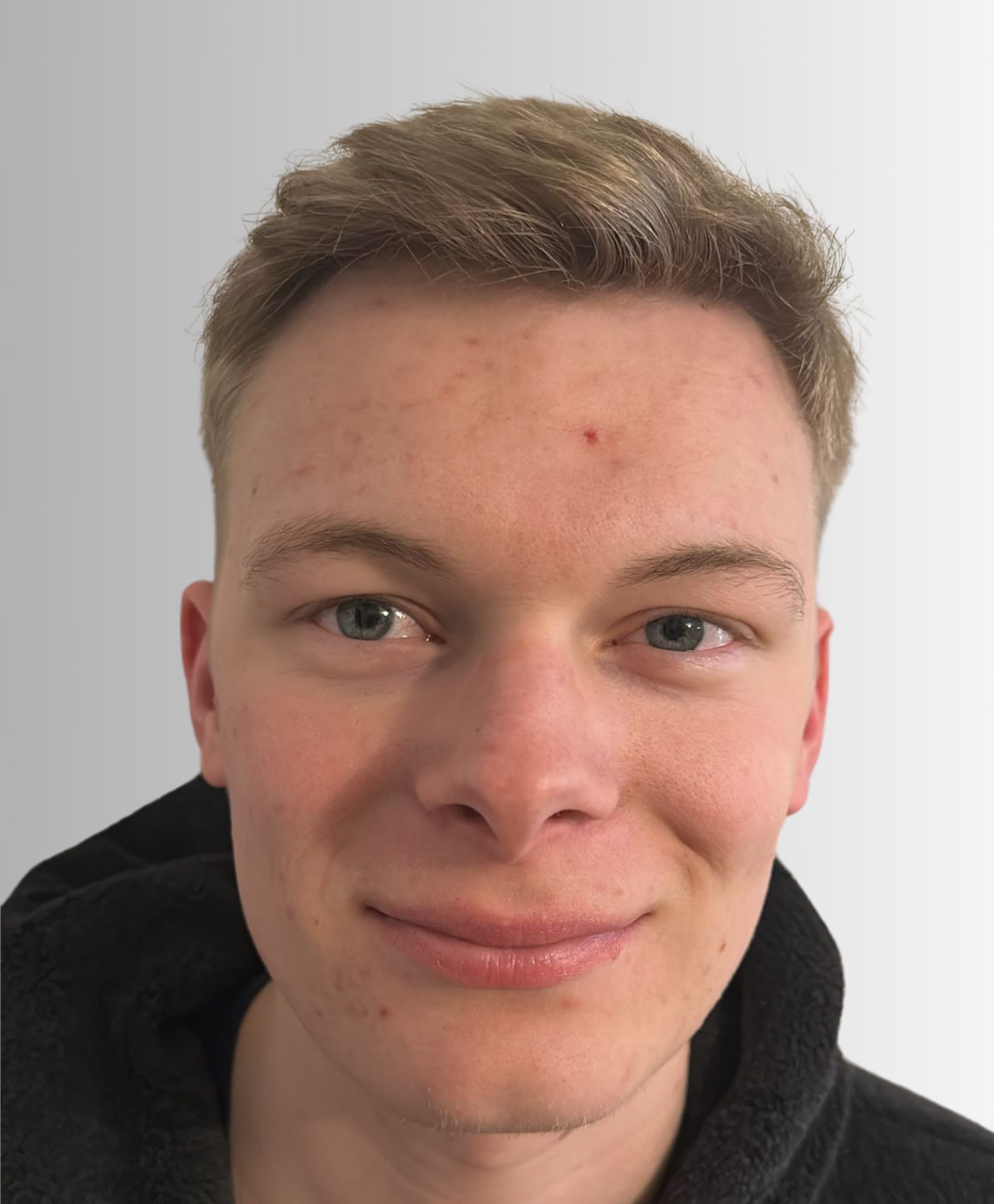 After 15 months
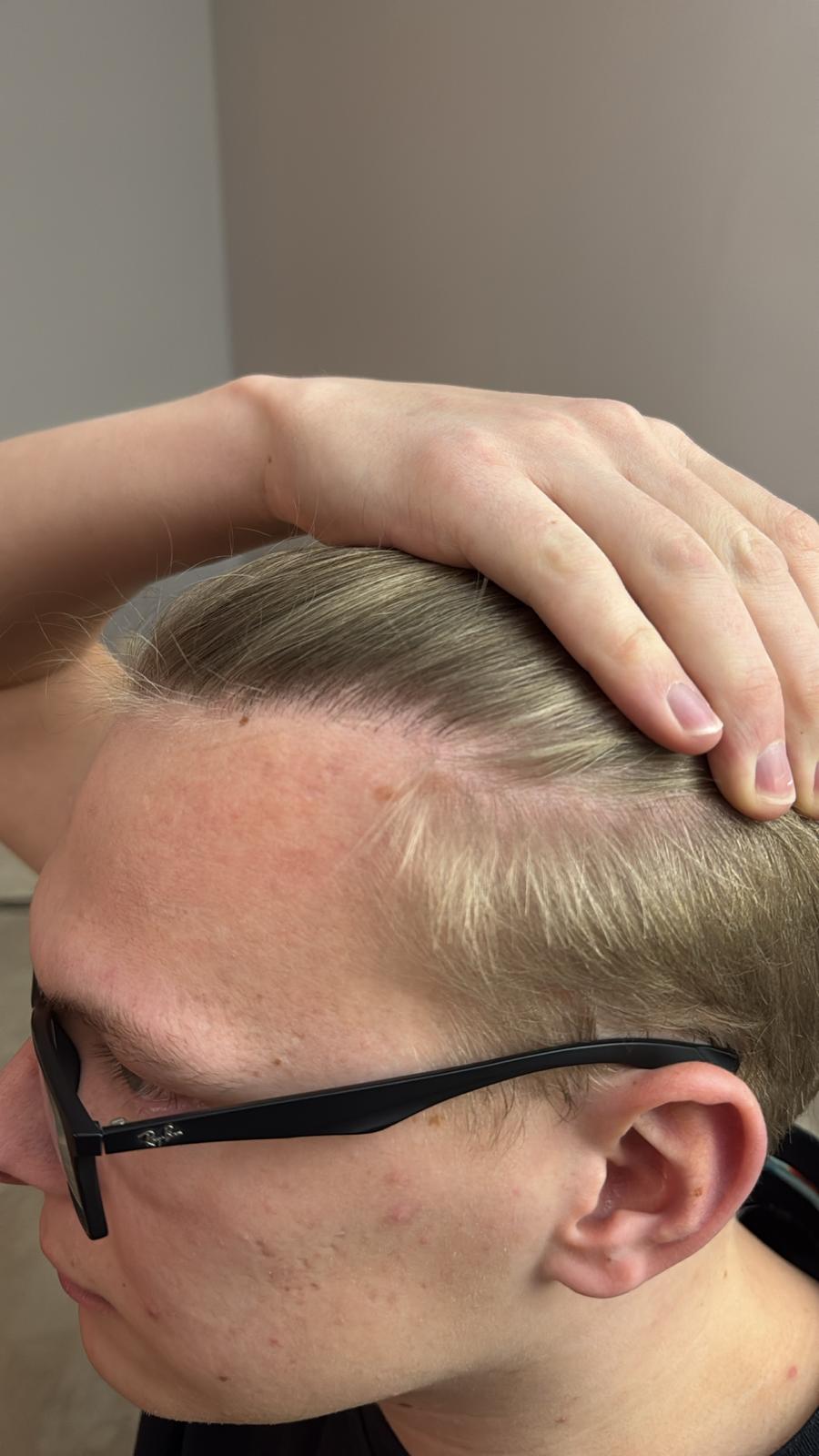 After 15 months
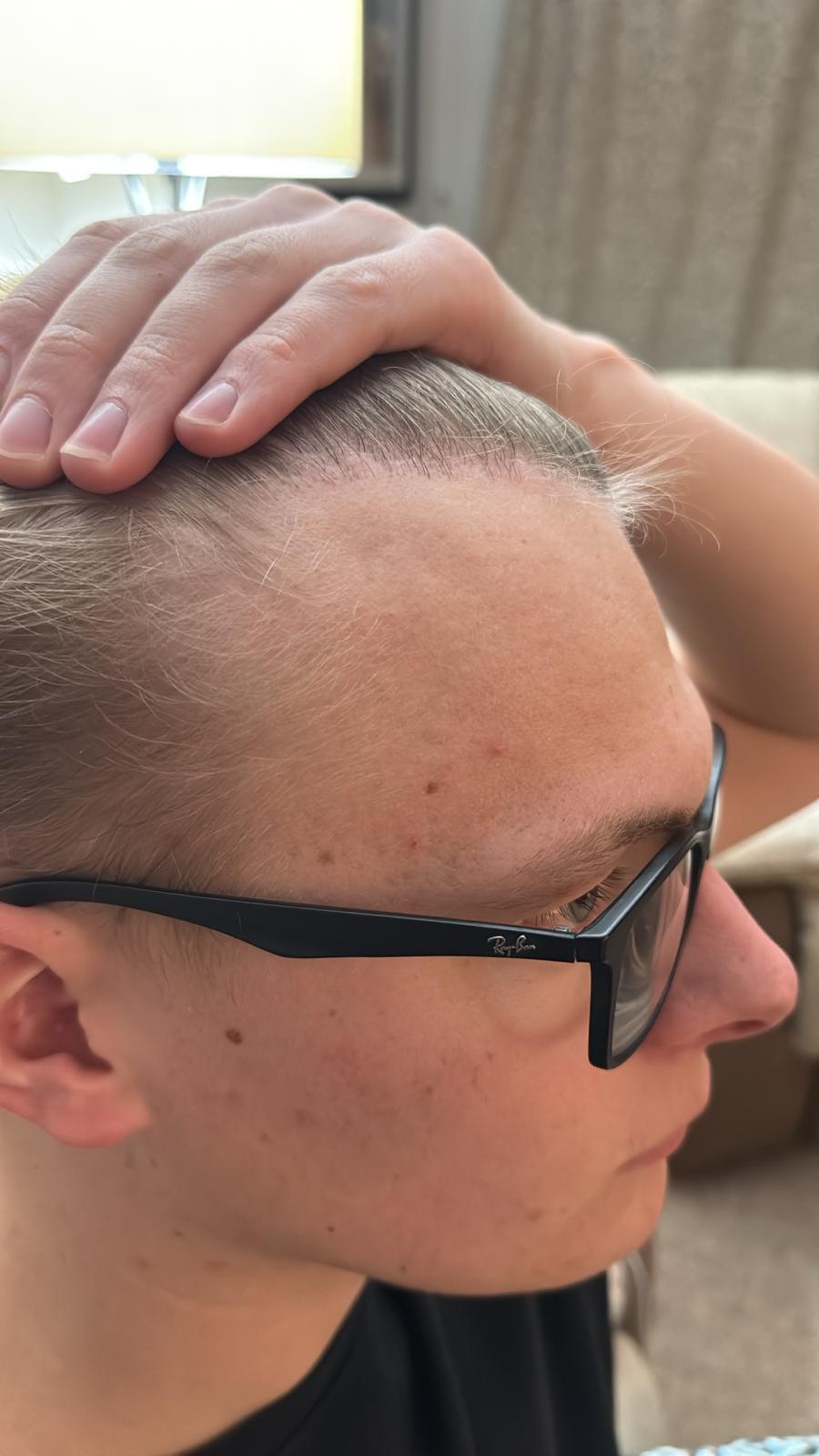 After 15 months
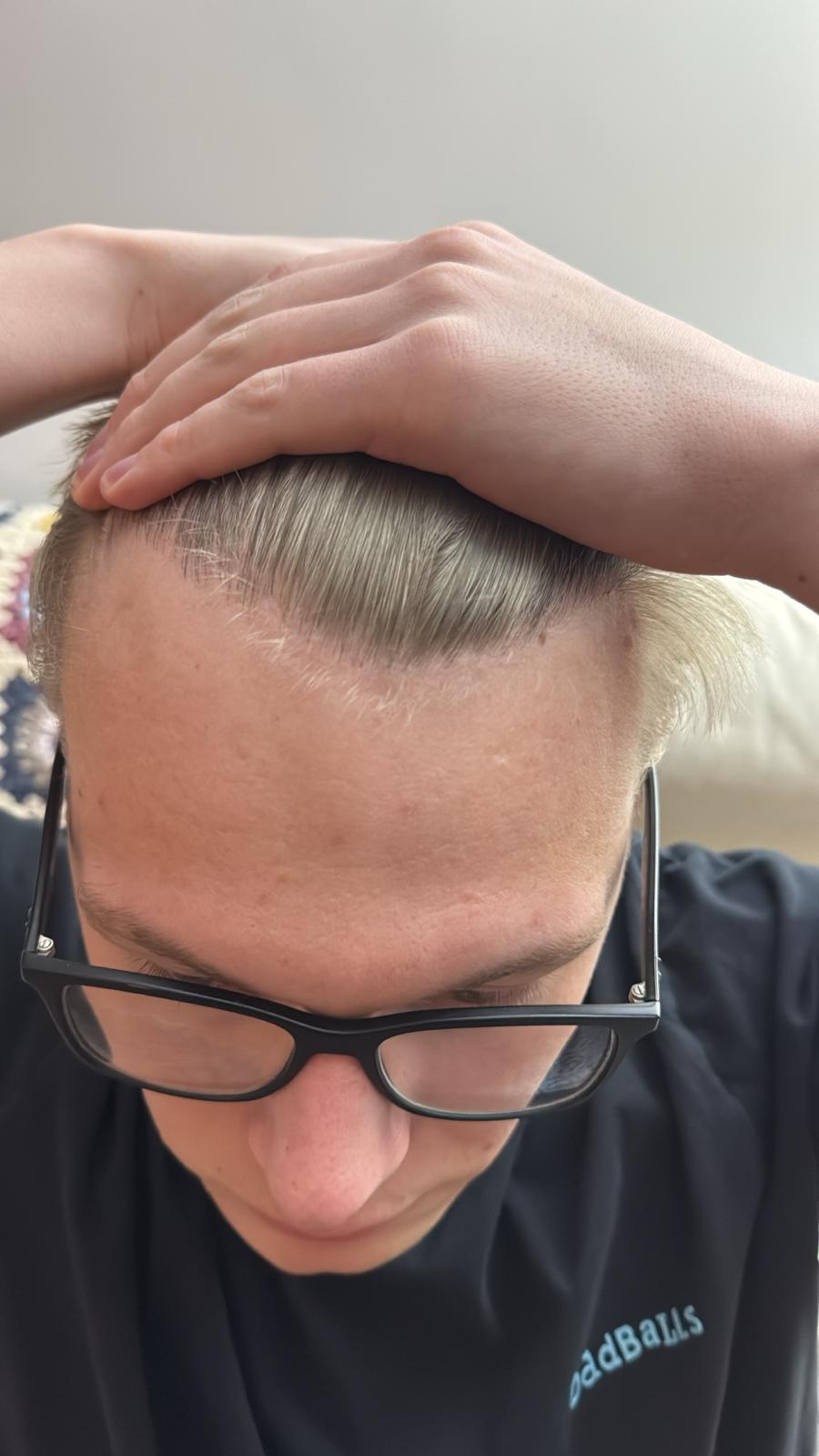 After 15 months
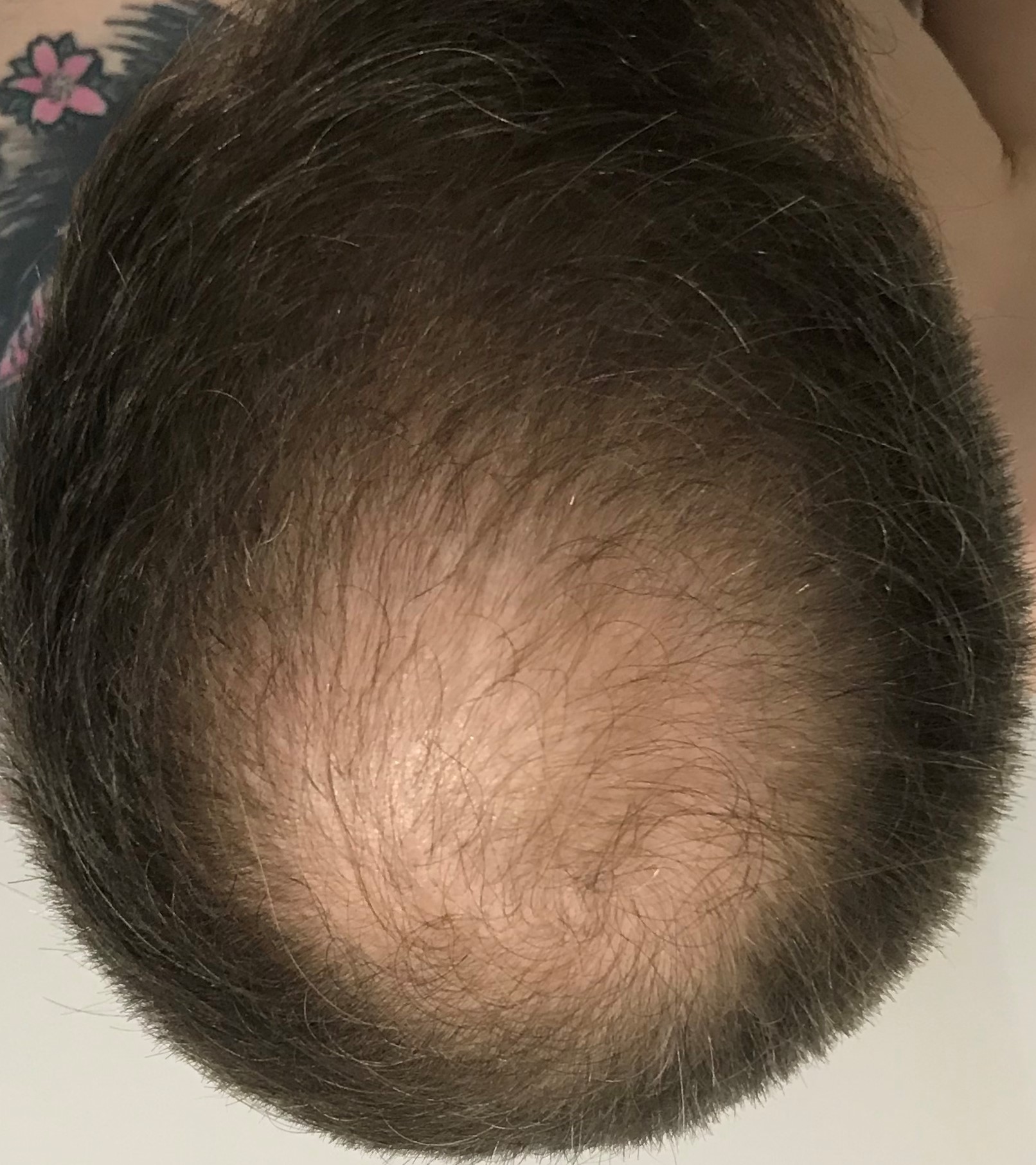 Before the surgery
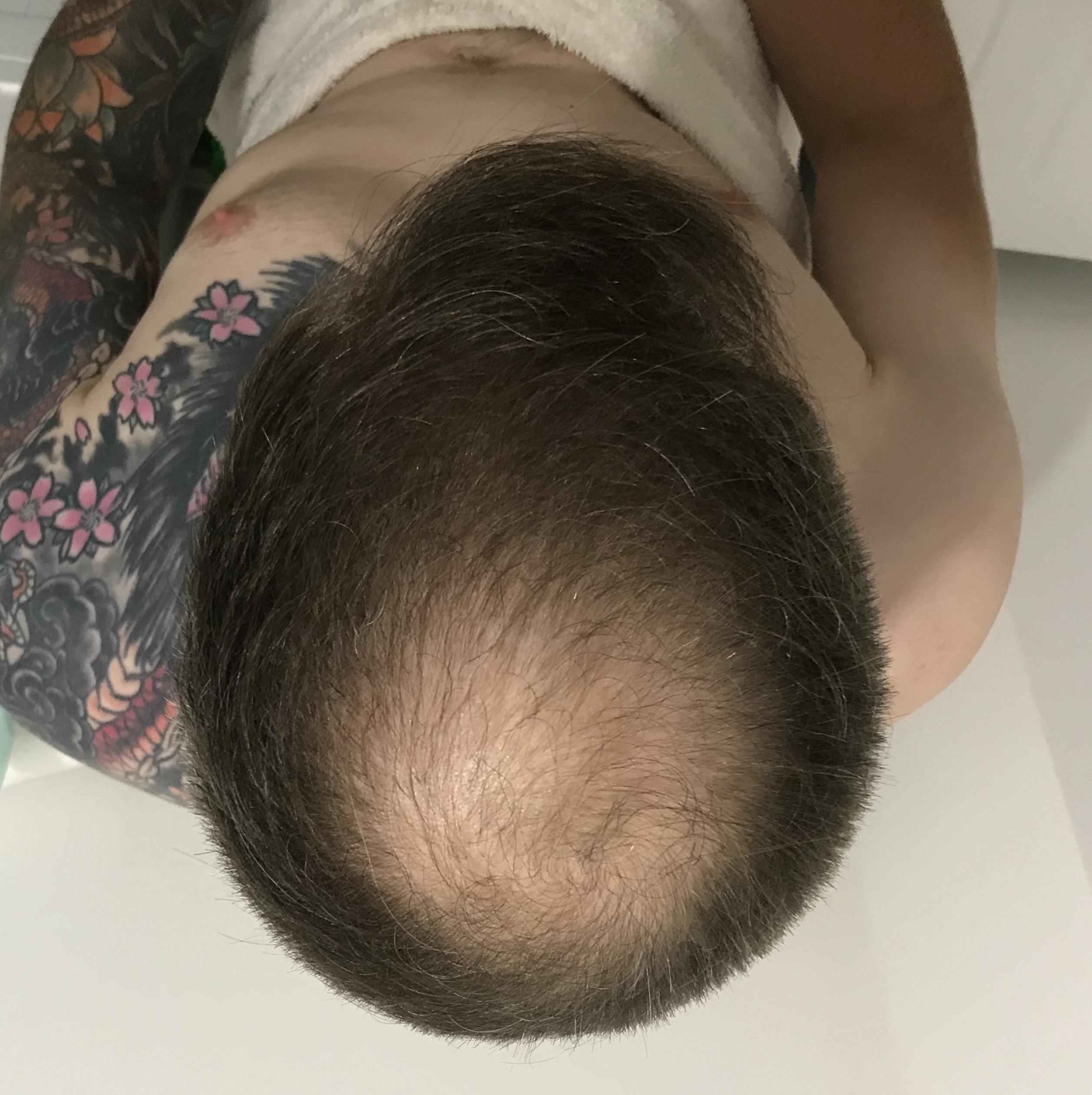 Before the surgery
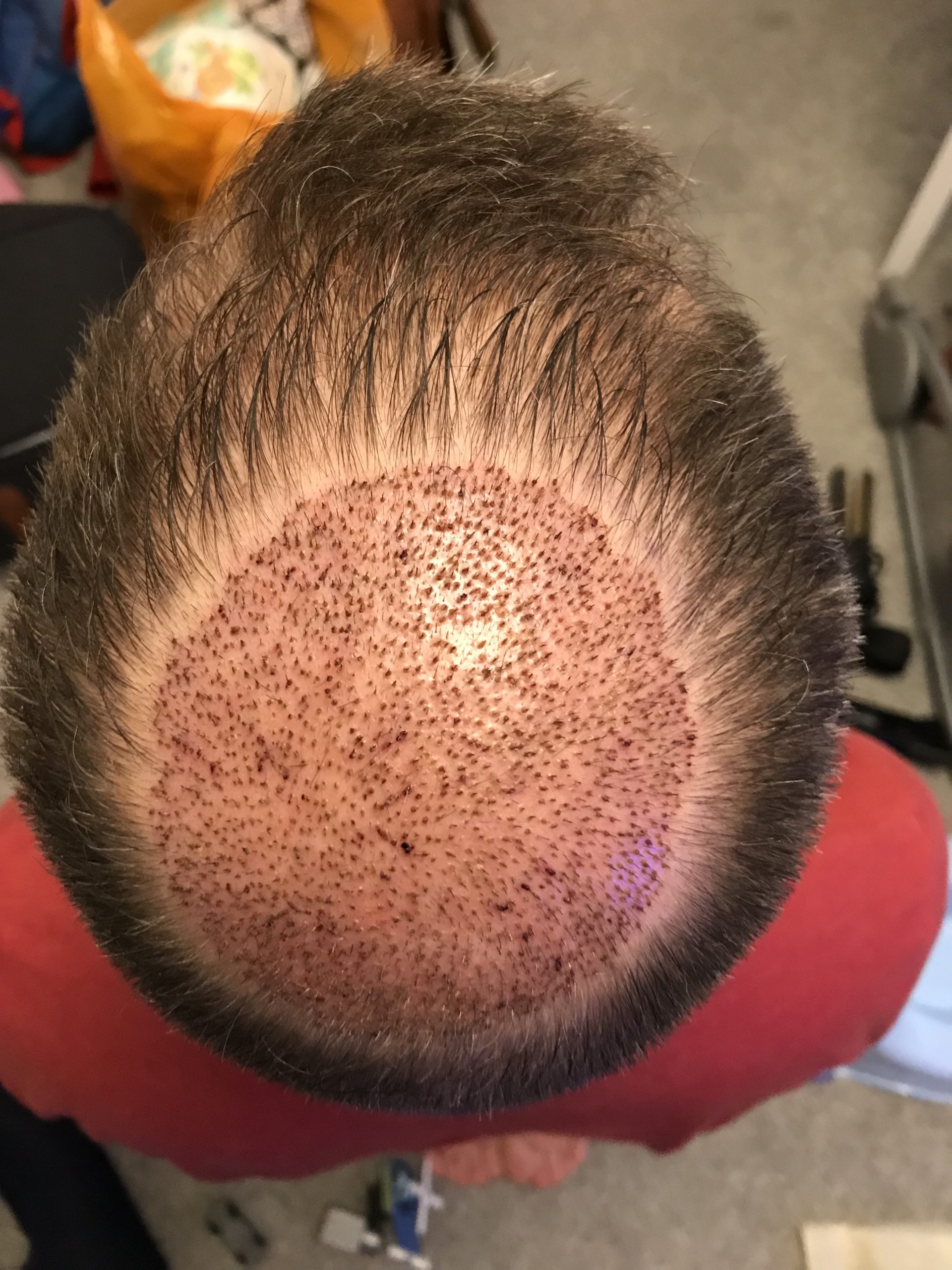 On the day of the surgery
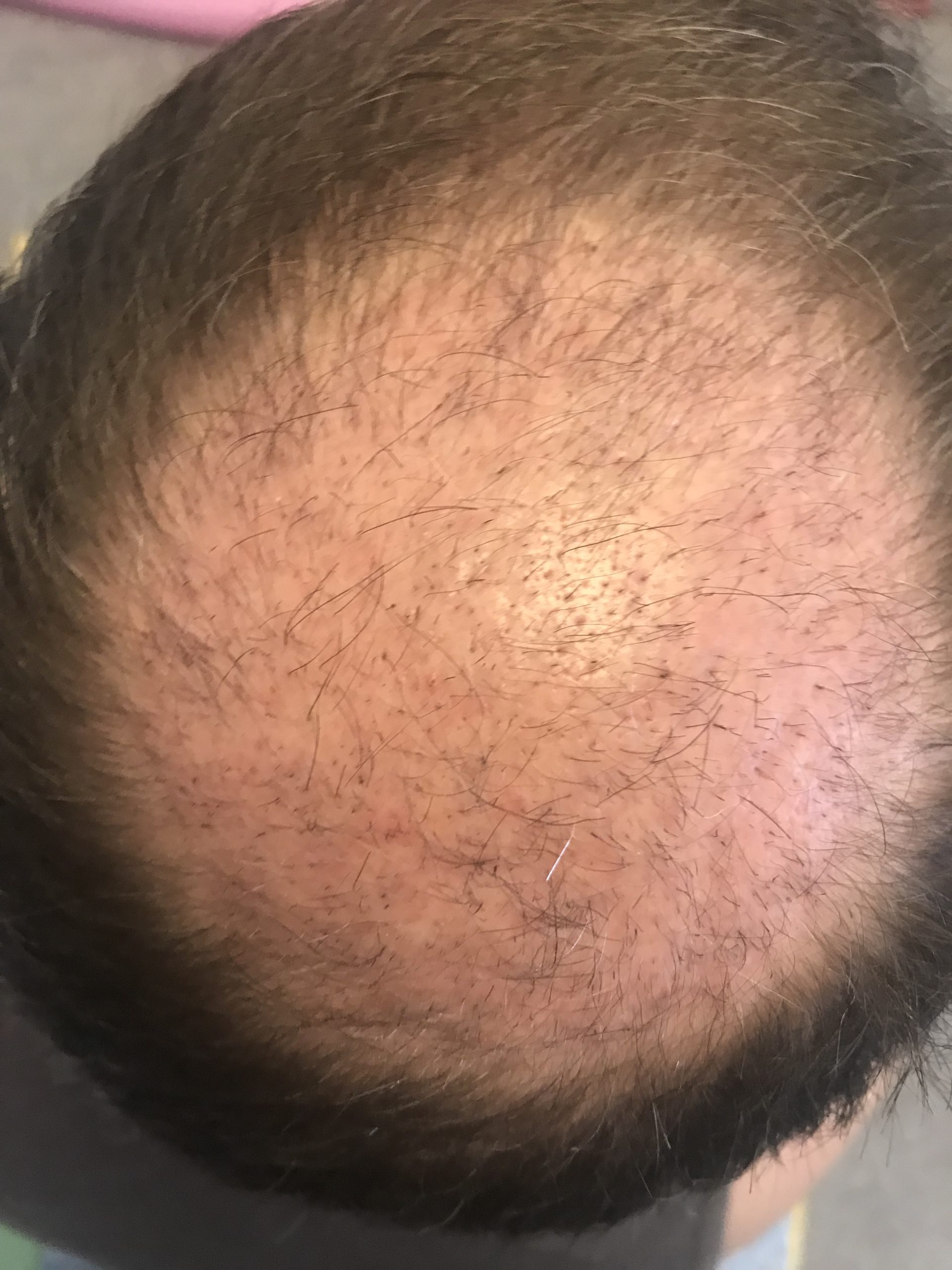 4 Months after the surgery.
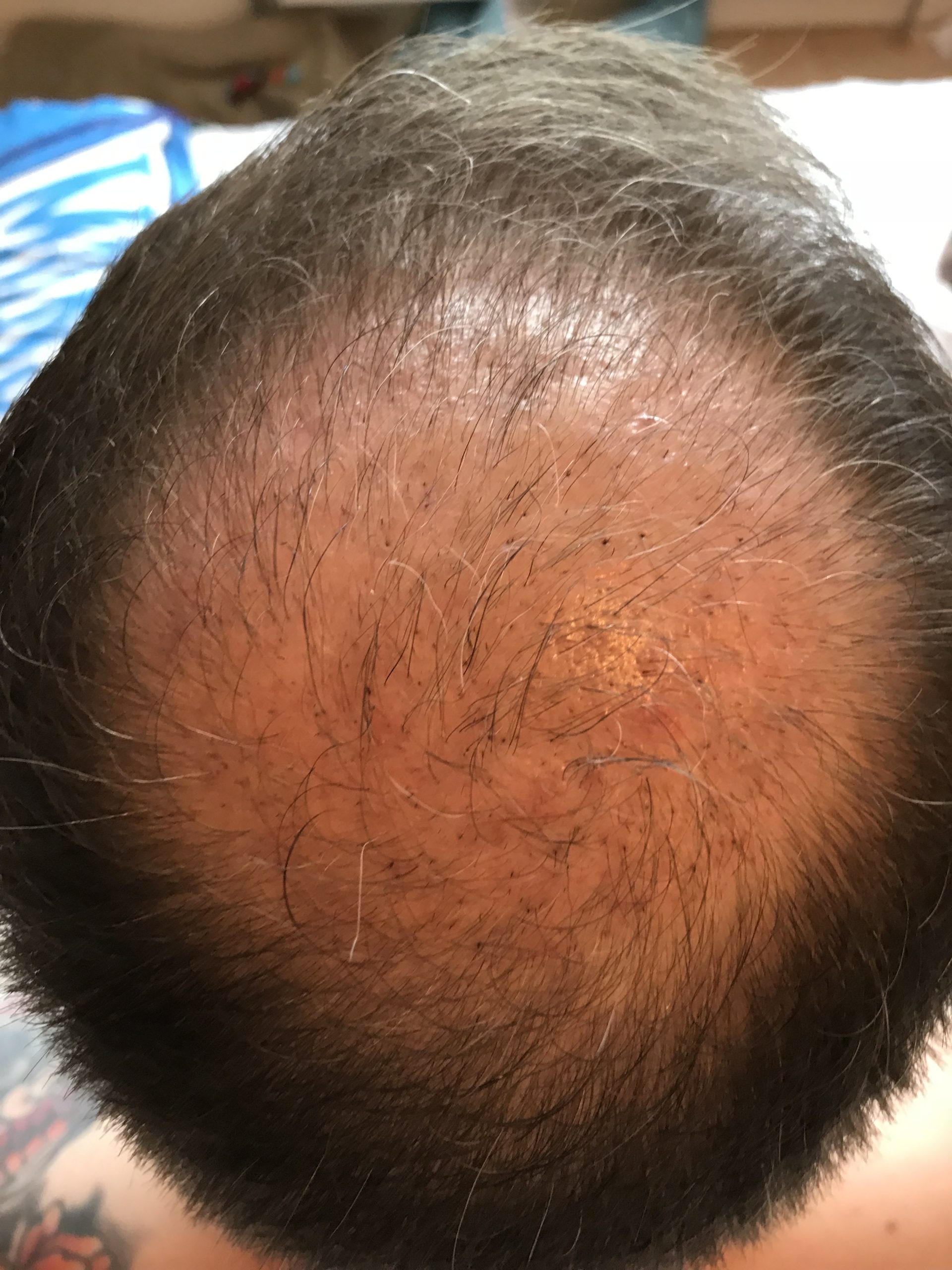 5 Months after the surgery.
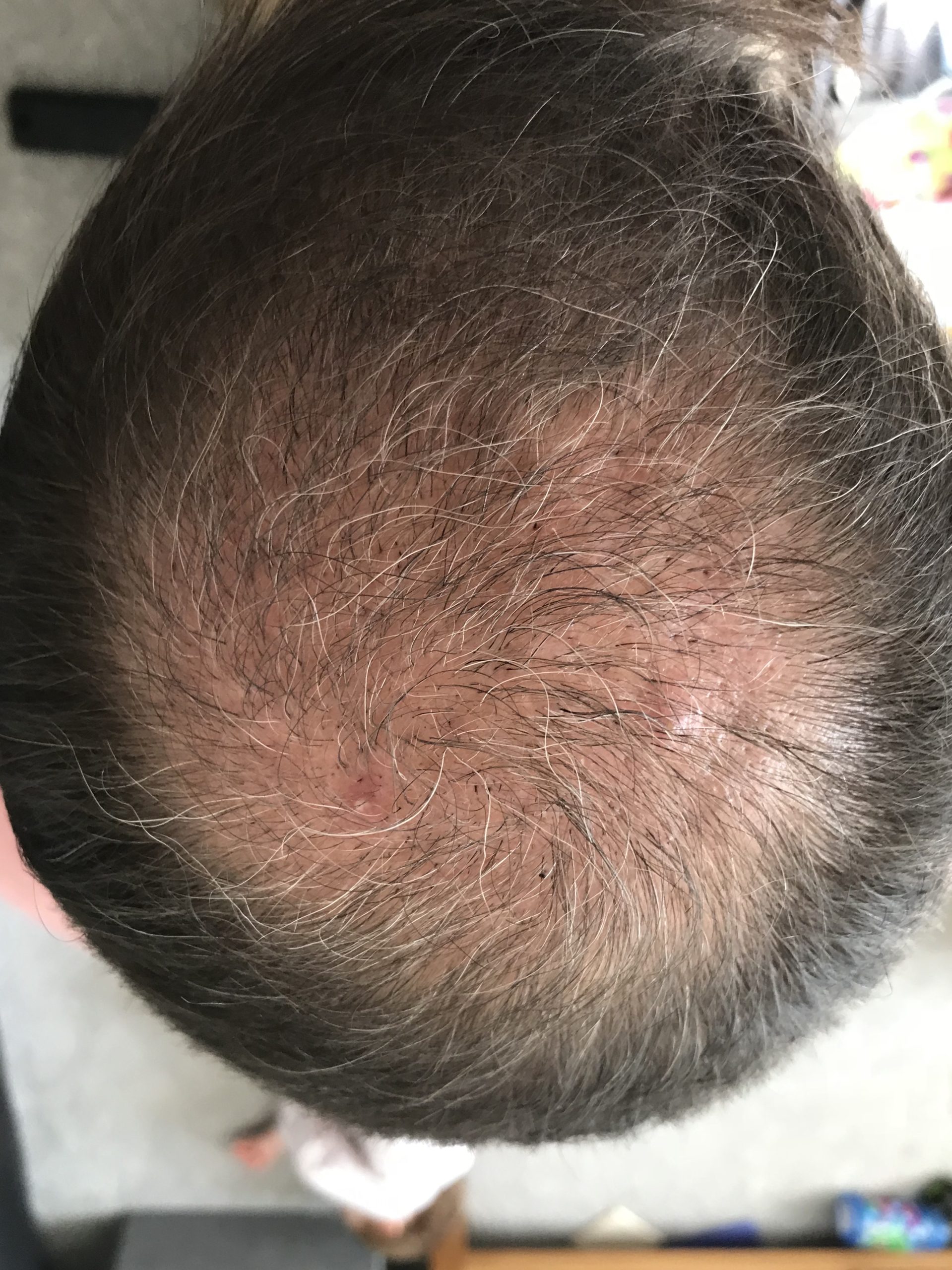 6 Months after the surgery.
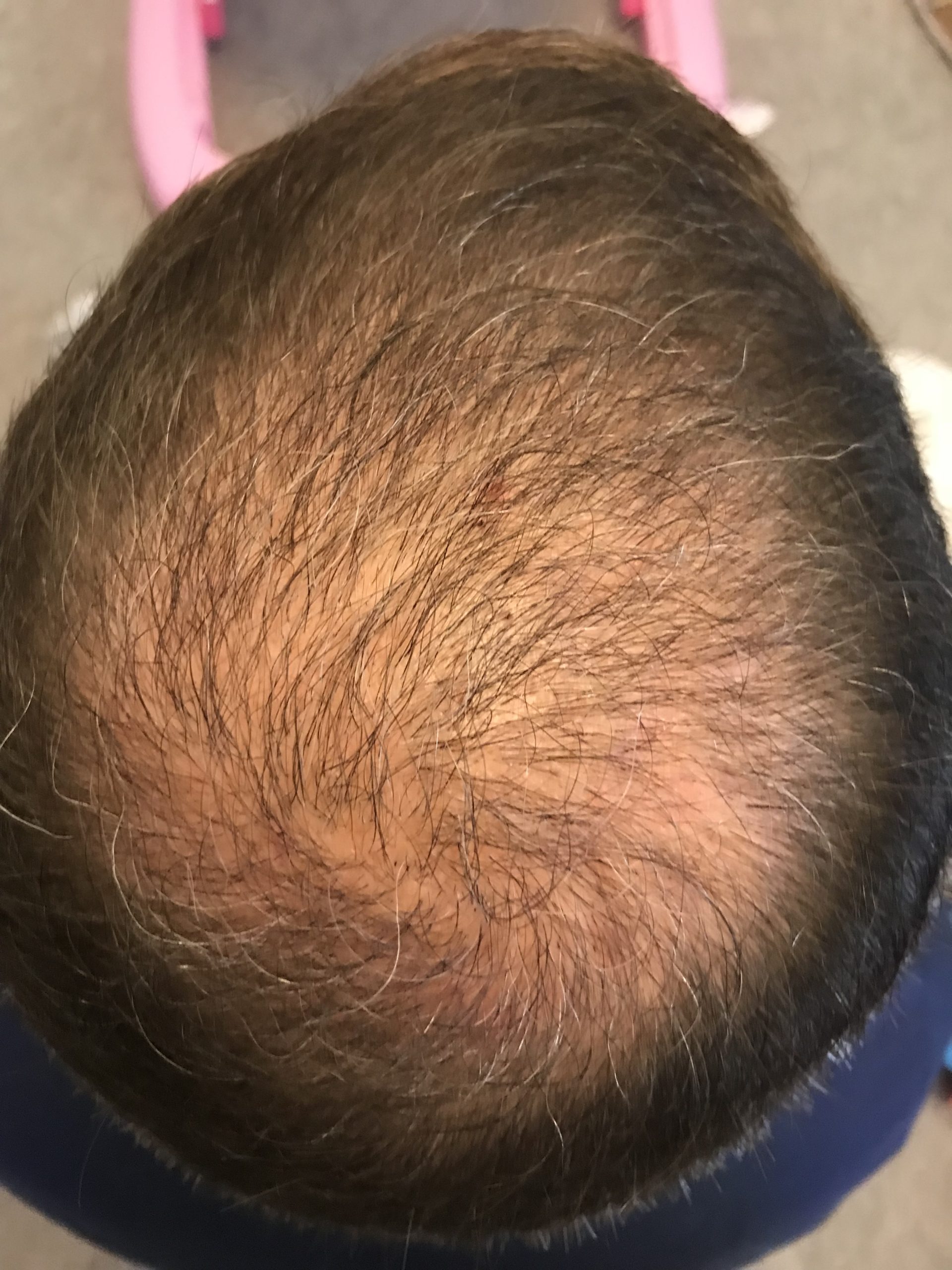 7 Months after the surgery.
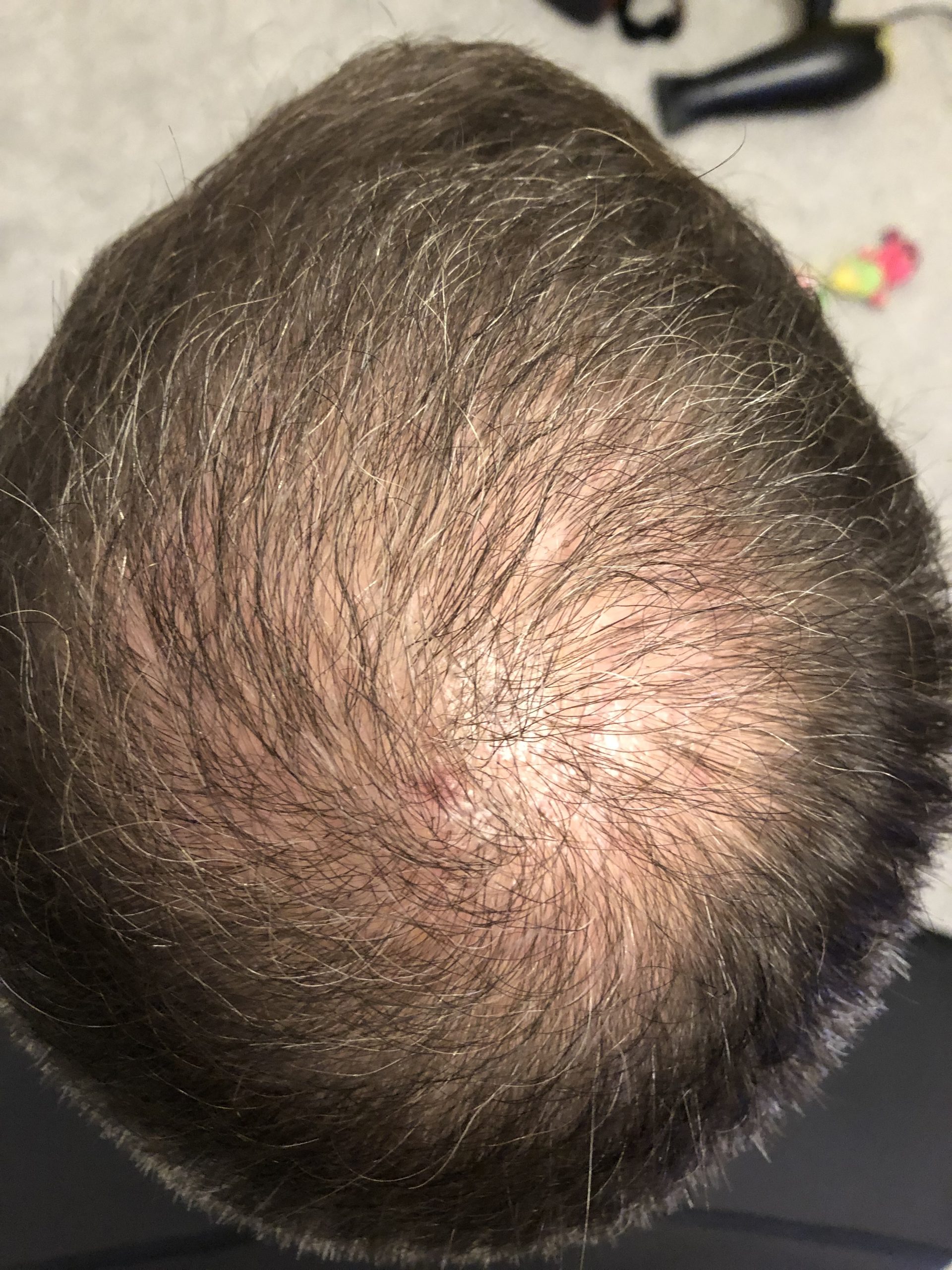 8 Months after the surgery.
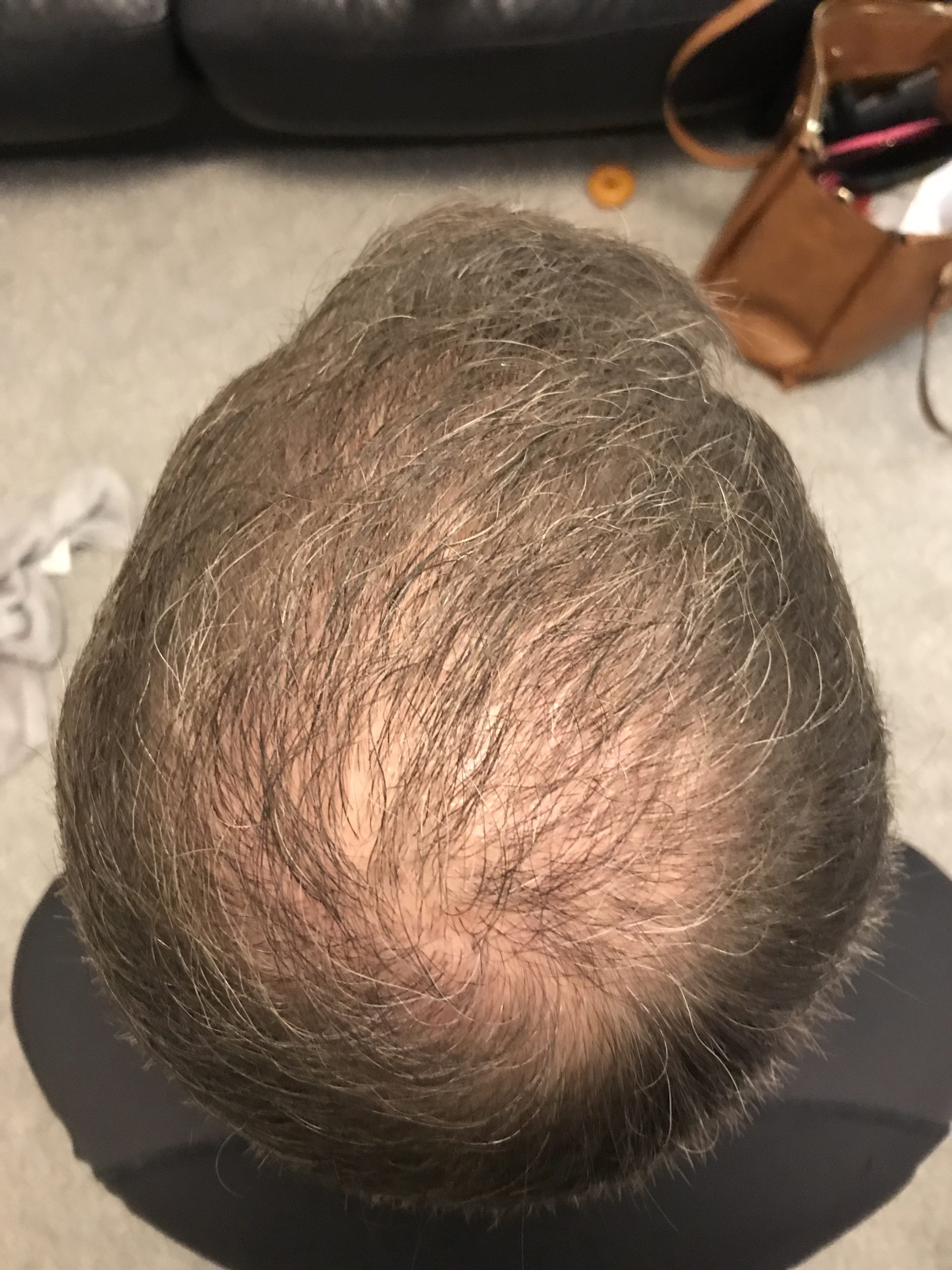 9 Months after the surgery.
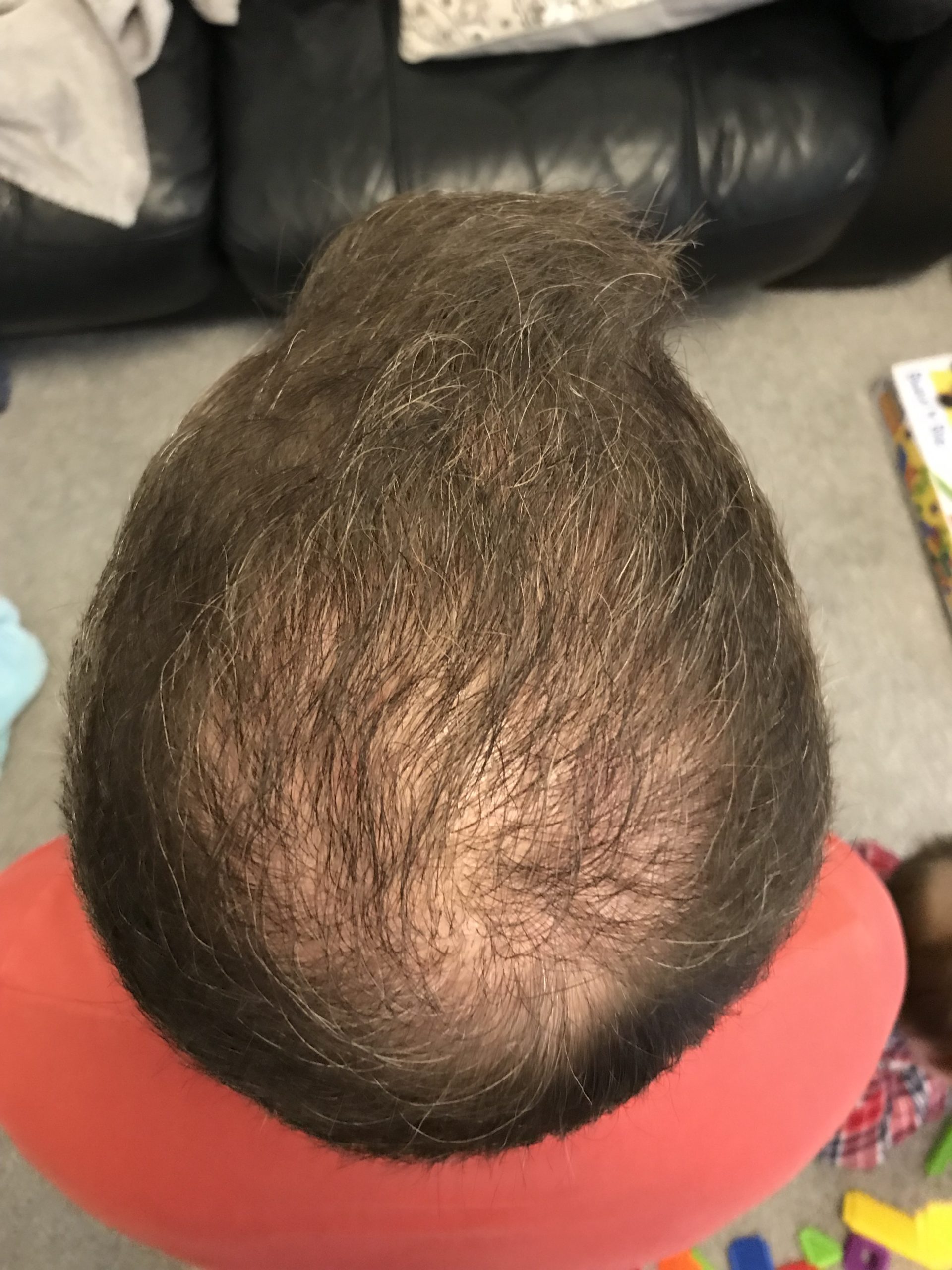 10 Months after the surgery.
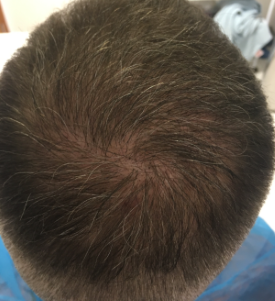 11 Months after the surgery.
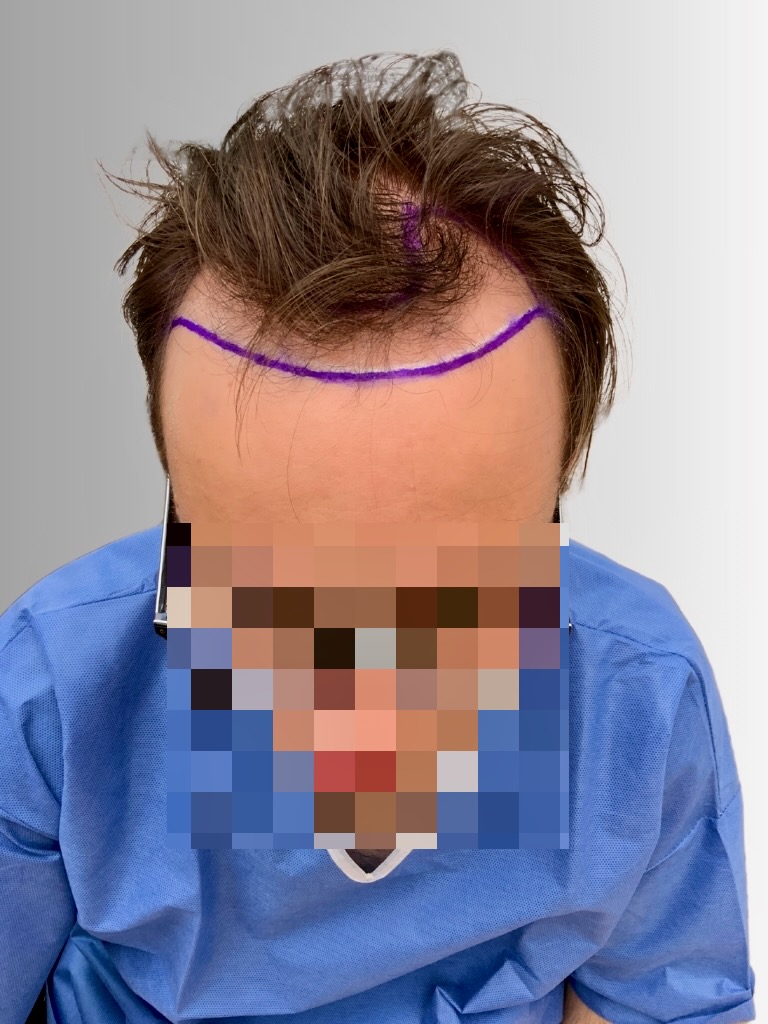 Before surgery
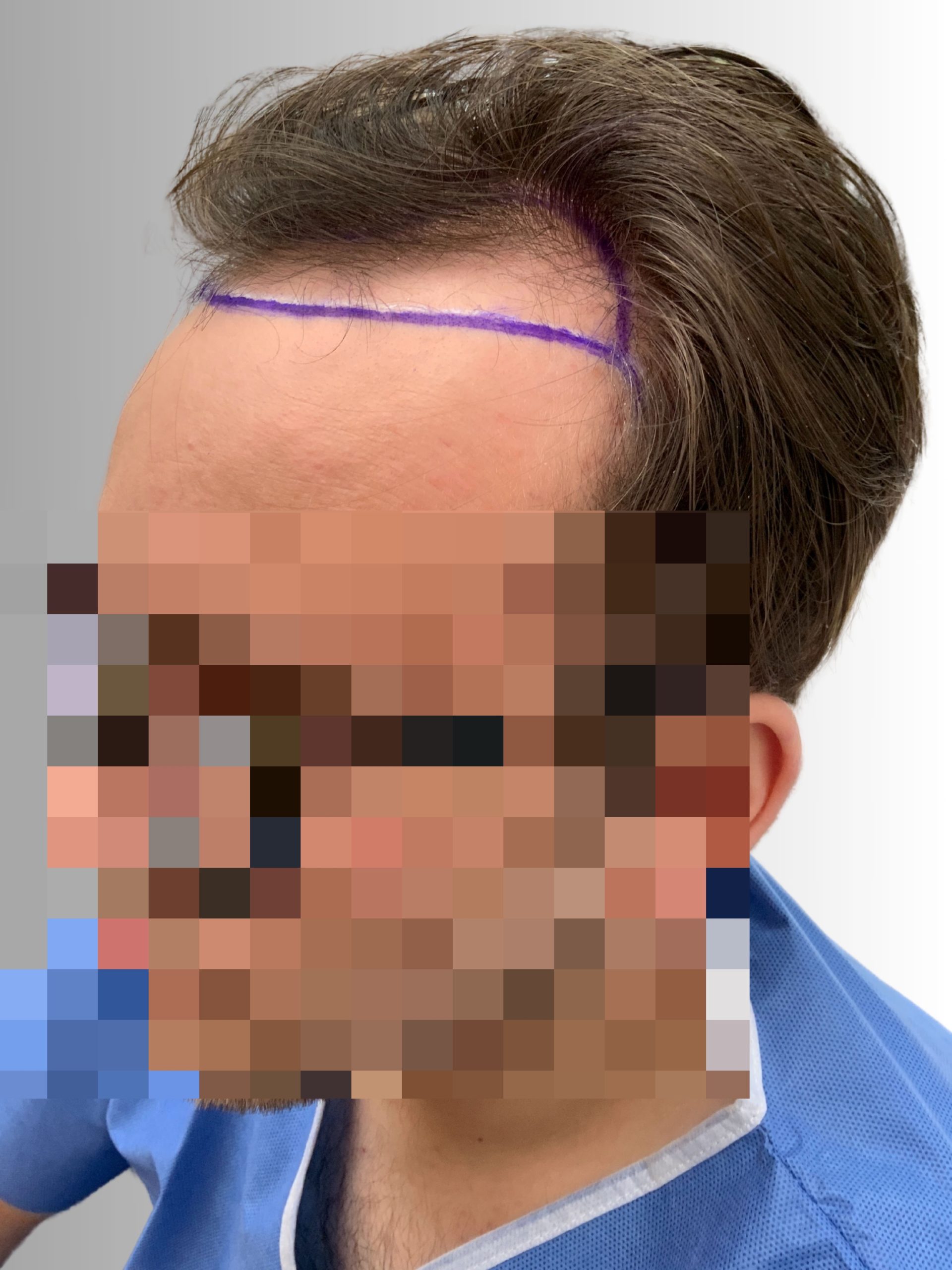 Before surgery
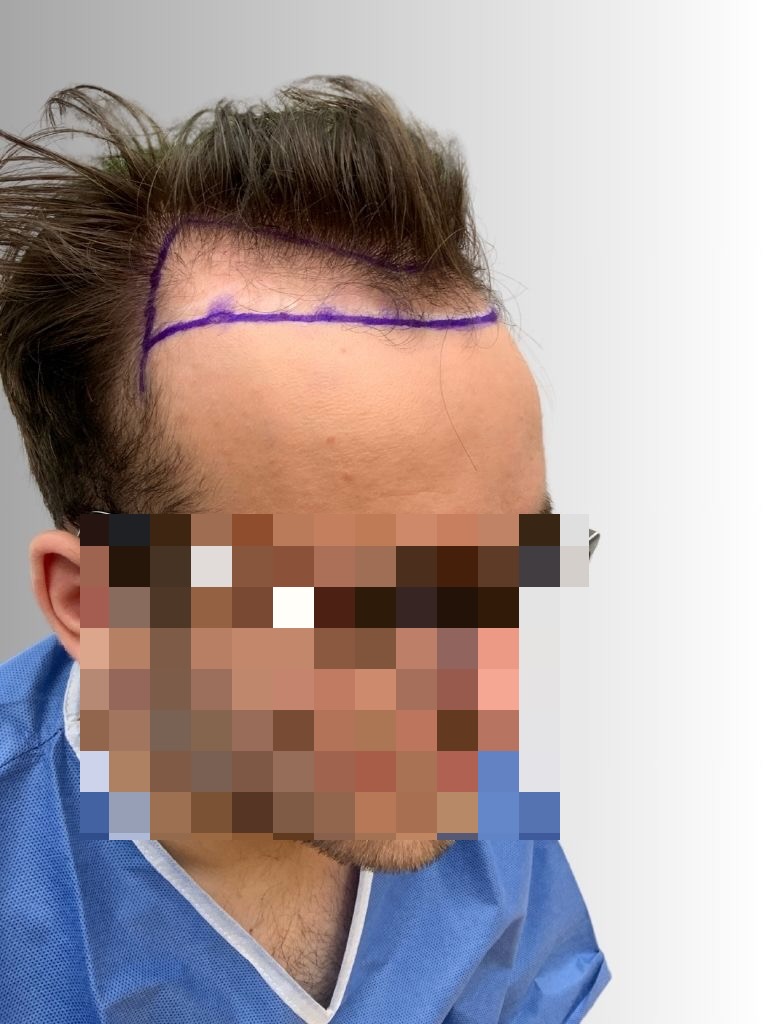 Before surgery
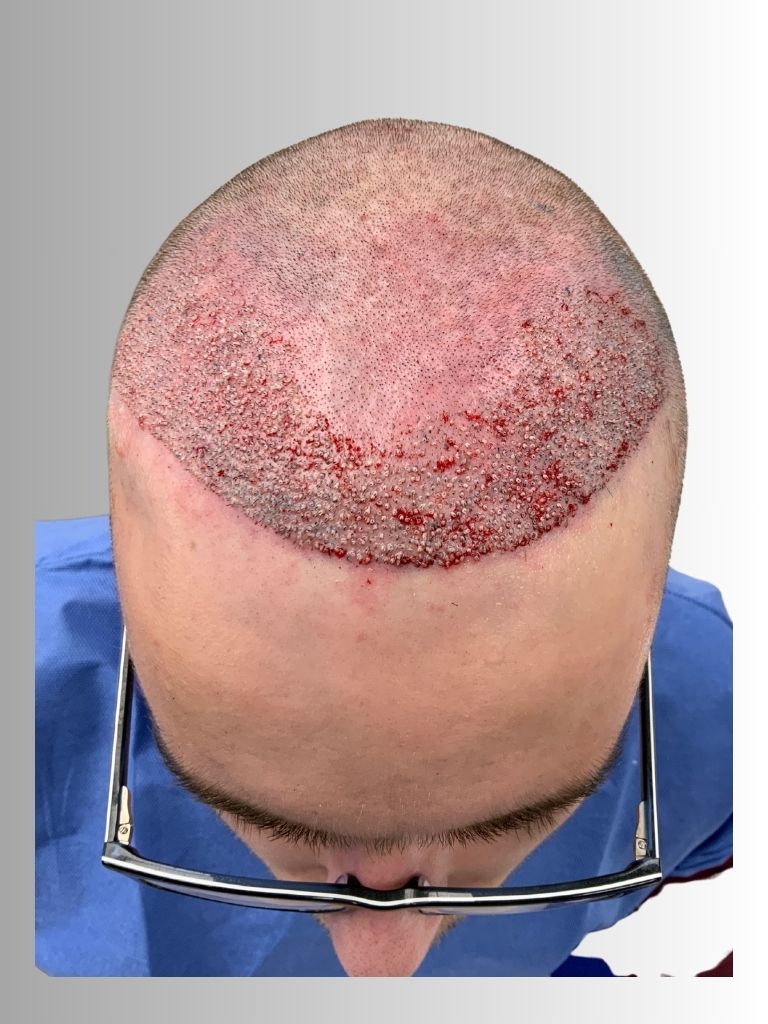 On the day of surgery
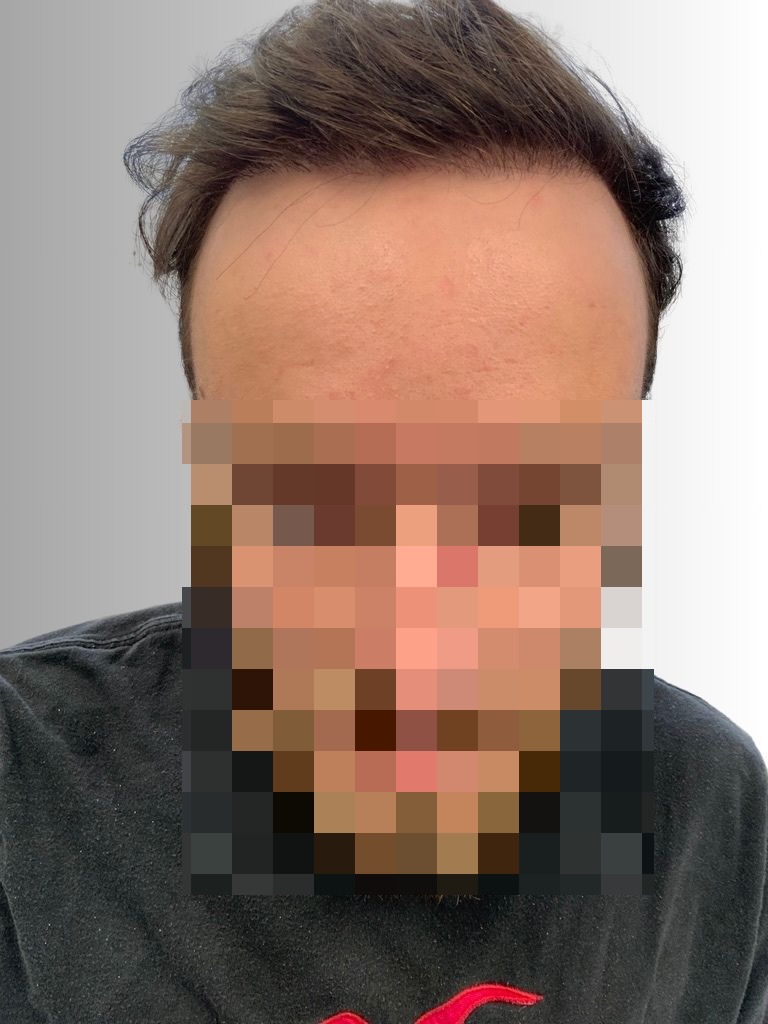 10 months after surgery.
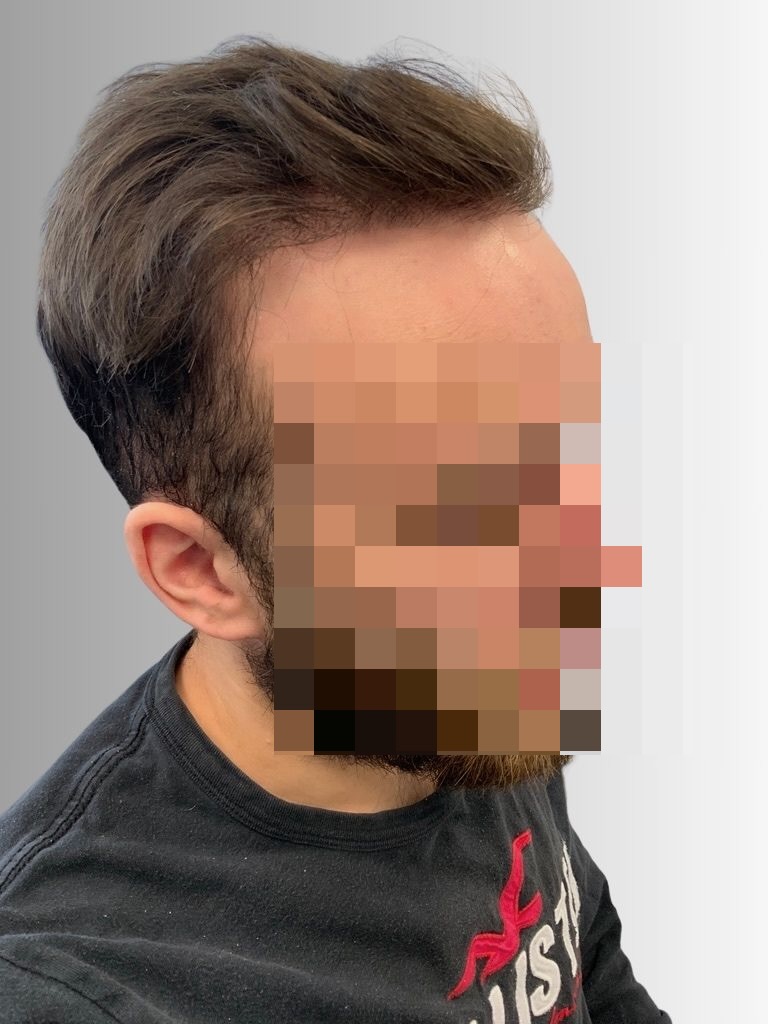 10 months after surgery.
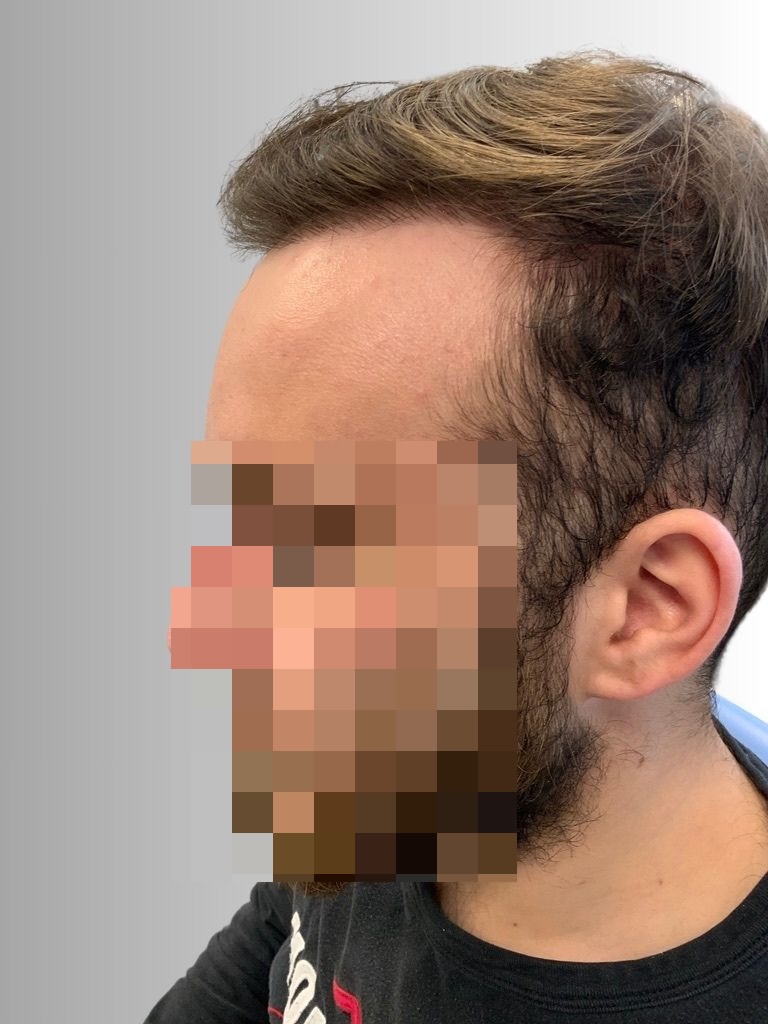 10 months after surgery.
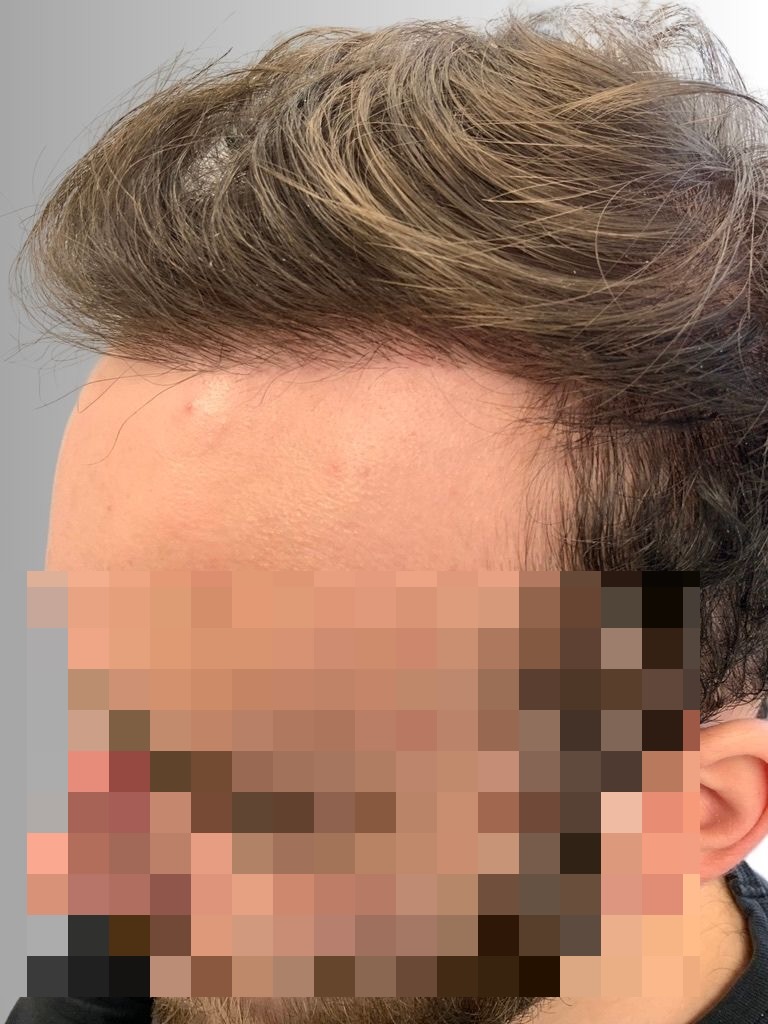 10 months after surgery.