

Reviewed by Dr Vikas Kunnure , 20th July 2026
Introduction
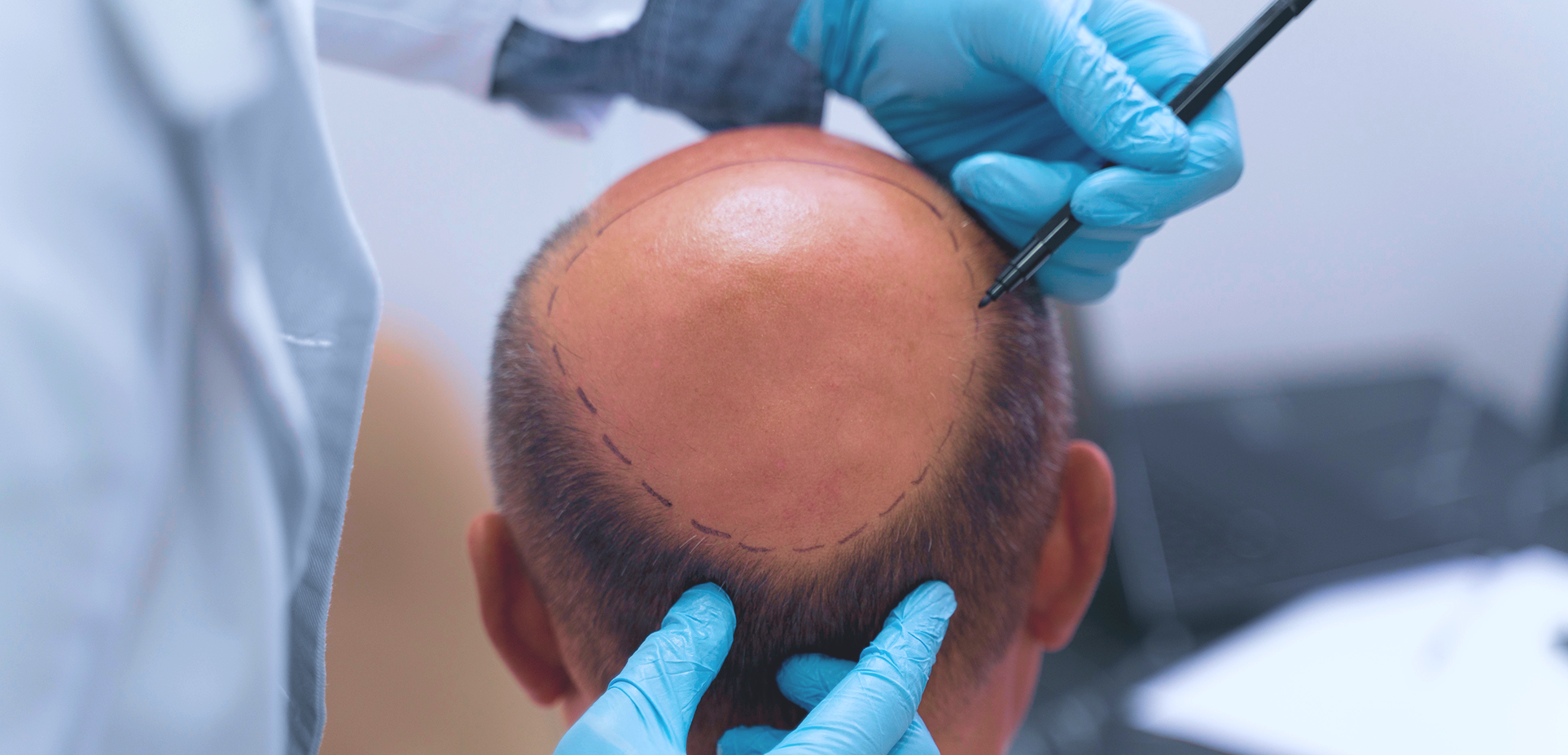
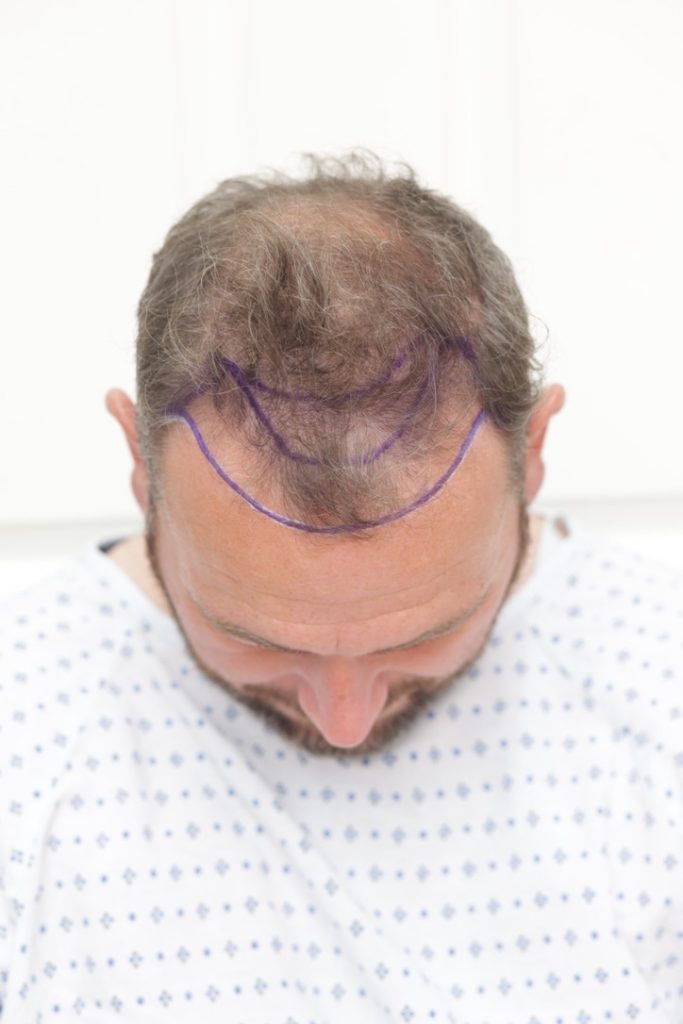
Hair is closely tied to identity, self-esteem, social confidence, and how many people present themselves at work and in daily life. Hair loss and mental health are deeply connected in both directions: hair loss may trigger anxiety or low mood, while stress and other mental health problems can also be caused by overlapping medical or psychological factors that worsen hair shedding, creating a cycle that often needs both physical and emotional treatment.
Whether you are noticing gradual thinning, sudden bald patches, or heavy shedding after a stressful period, the distress is real and measurable. This is not a superficial concern. For many men and women living with hair loss, for people considering treatment, and for anyone supporting a loved one through it, understanding this connection is an important first step because the effect often reaches beyond appearance into relationships, work, and overall wellbeing.
This article explains both sides of the hair loss–mental health relationship. It covers the psychological impact of different types of hair loss, how long-term stress and stress hormones can disrupt the hair-growth cycle and expose hair follicles to immune attack, practical coping strategies such as cognitive behavioural therapy and mindfulness, professional treatment options including medical and surgical care, support from different areas of care including medical and psychological support, and clear guidance on when to seek help.
Hair loss and mental wellbeing are often interdependent, and the main issue is not always purely physical or purely psychological. In many patients, the most effective path forward starts with recognising that overlap early, so the primary cause—and the factors making it worse—can be addressed together.
In this article, you will:
- Understand the psychological impact of hair loss across different conditions
- Recognise how stress hormones disrupt hair growth at a biological level
- Learn practical coping strategies including cognitive behavioural therapy, mindfulness, and lifestyle changes
- Know when to seek professional help for both hair loss and related mental health symptoms
- Explore the full range of treatment options, from medical therapies to surgical restoration
Understanding the Hair Loss-Mental Health Connection
The relationship between hair loss and mental health is bidirectional. Hair loss causes psychological distress-and psychological distress causes hair loss. Understanding this two-way dynamic is vital for anyone trying to manage either condition effectively.
Hair is an important part of personal identity, social signalling, and perceived attractiveness. Across cultures and genders, a full head of hair is associated with youth, vitality, and confidence. When hair begins to thin or fall out, it threatens something more fundamental than appearance: it disrupts how a person sees themselves and how they believe others perceive them. Hair loss creates a sense of losing physical control and identity, which can lead to feelings of helplessness, self consciousness, and withdrawal from the social environment that previously felt safe, leaving some people more withdrawn.
Psychological Impact of Hair Loss
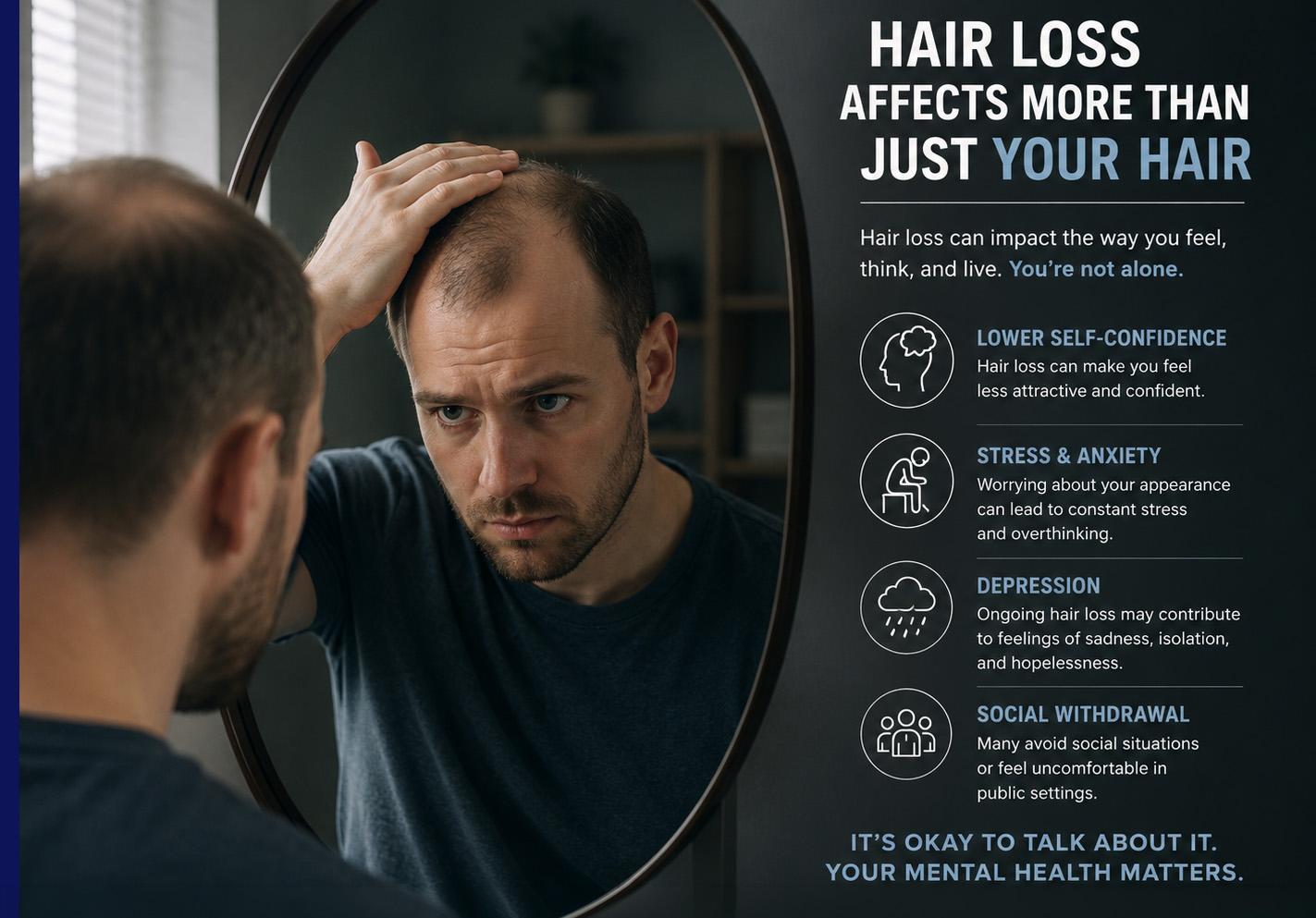
Hair loss can lead to depression and anxiety disorders, social phobia, and in severe cases, body dysmorphic disorder. The psychological impact extends far beyond vanity-it affects how people function at work, in relationships, and in everyday life. People may experience social withdrawal due to self-consciousness about hair loss, avoiding mirrors, photographs, and social gatherings, though some feel more comfortable speaking with a therapist, support group, or trusted person about these reactions.
The statistics paint a clear picture, although research on some aspects of the psychological impact remains limited. A meta-analysis published in JAMA Dermatology found that 7–17% of alopecia areata patients meet diagnostic criteria for depressive or anxiety disorders, with over one third reporting significant symptoms. 33% of adults with alopecia areata experience anxiety. A systematic review comparing approximately 6,010 alopecia areata patients to 20,961 controls found that patients were roughly 2.5 times more likely to suffer anxiety and 2.7 times more likely to experience depression than the general population.
Low self-esteem and confidence are common emotional impacts of hair loss. The emotional impact of hair loss can mirror the stages of grief-denial, anger, bargaining, depression, and finally acceptance. Hair loss can be perceived as premature aging, particularly among women, adding another layer of distress to an already difficult experience. Severe hair loss increases psychological distress significantly, and social anxiety often results from changes in appearance due to hair loss.
Stress-Induced Hair Loss
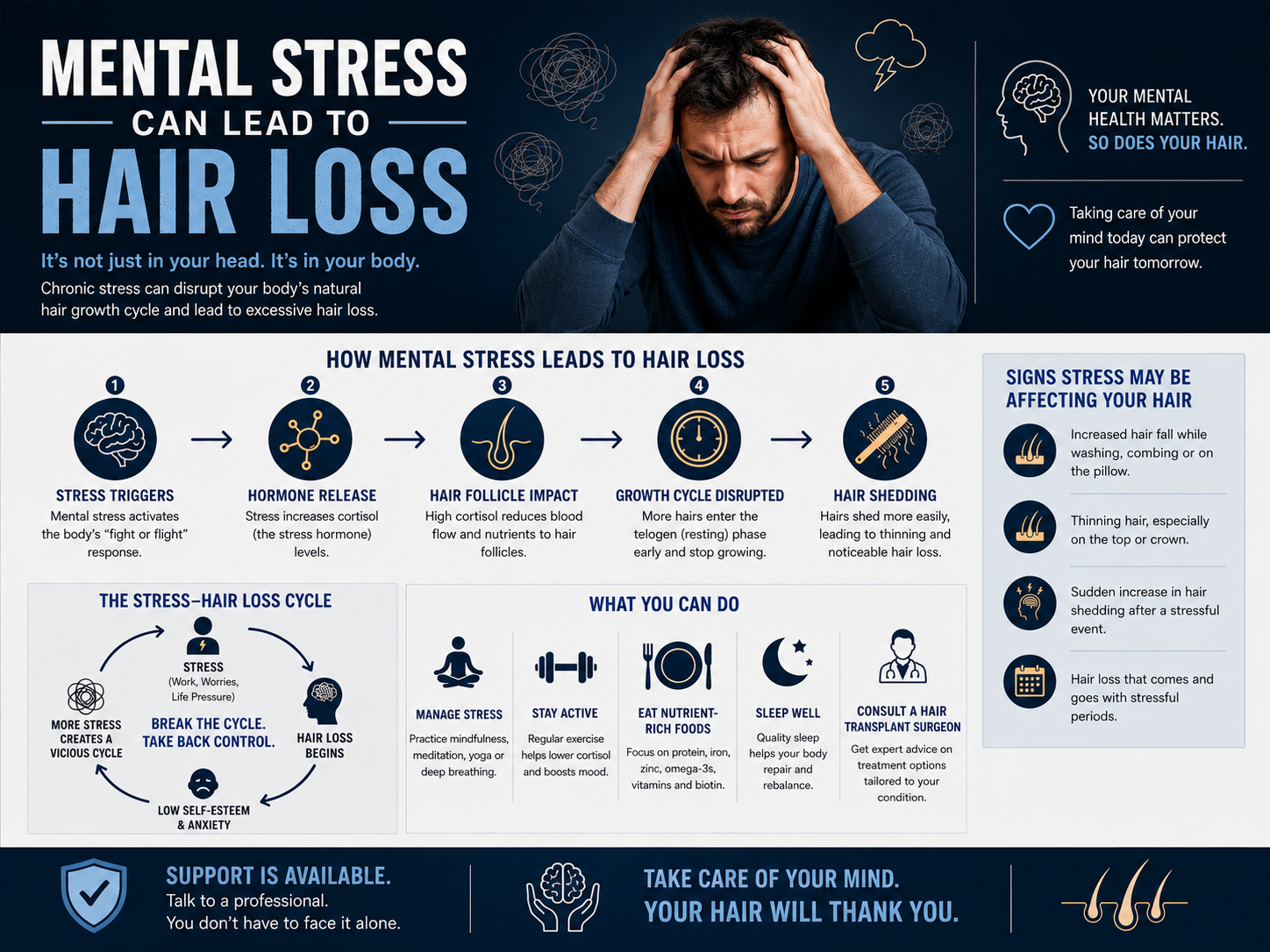
Chronic stress does far more than make a person feel anxious or worried-it actively disrupts the biology of hair growth. When the body experiences high stress levels over extended periods, the hypothalamic-pituitary-adrenal (HPA) axis activates, flooding the system with cortisol and corticotropin-releasing hormone (CRH). These stress hormones can trigger shedding by pushing follicles prematurely from the active growth phase (anagen) into the resting phase (telogen), but this kind of disruption is often temporary and follicles can grow again once the stress response settles.
Research from the National Institutes of Health has shown that elevated corticosterone (the rodent equivalent of cortisol) suppresses the dermal papilla’s secretion of GAS6, a protein essential for activating hair follicle stem cells. Without adequate GAS6 signalling, follicles remain dormant in the resting phase far longer than normal, leading to visible thinning and shedding. Women with high stress are 11 times more likely to lose hair, underscoring the powerful biological link between emotional state and follicle health.
Stress can create a vicious cycle that exacerbates hair loss and emotional distress: stress triggers shedding, the shedding causes more anxiety and depression, and those heightened emotional states further elevate cortisol, perpetuating the problem. Understanding these mechanisms is essential for breaking the cycle-and for recognising that the specific type of hair loss involved shapes both the experience and the path to recovery. Stressful life events such as relocating, marriage , pregnancy, miscarriages, divorce could lead to Telogen Effluvium.
Types of Hair Loss Affecting Mental Health
Different types of hair loss carry different psychological burdens. The onset pattern, predictability, and prognosis of each condition profoundly influence how a person reacts emotionally-no two people experience hair loss in exactly the same way. Hair loss affects up to 50% of men and women over their lifetimes, but the mental health consequences depend heavily on the specific diagnosis.
Androgenetic Alopecia and Self-Esteem
Androgenetic alopecia-commonly known as male-pattern or female-pattern baldness-is the most prevalent type of hair loss. In men, it typically presents as hairline recession and vertex thinning driven by dihydrotestosterone (DHT) miniaturising affected hairs over time. In women, it usually manifests as diffuse thinning across the scalp with a widened parting. By age 50, approximately half of men show moderate to severe androgenetic alopecia.
Because this form of hair loss is gradual but relentlessly progressive, it steadily erodes confidence. Many patients report embarrassment about their physical appearance, decreased feelings of attractiveness, and avoidance of social situations. Women often report more intense distress even with objectively less severe thinning, possibly because societal expectations around female hair are particularly rigid. Social anxiety disorder symptoms frequently develop in response to these visible changes.
During consultations, careful discussion of realistic outcomes is essential. This includes assessing donor area density, discussing hairline design that looks natural and age-appropriate, reviewing before-and-after cases, and setting clear timelines-transplanted grafts typically shed initially, with visible regrowth beginning around three to four months and full results emerging over 12–18 months.
Alopecia Areata and Anxiety
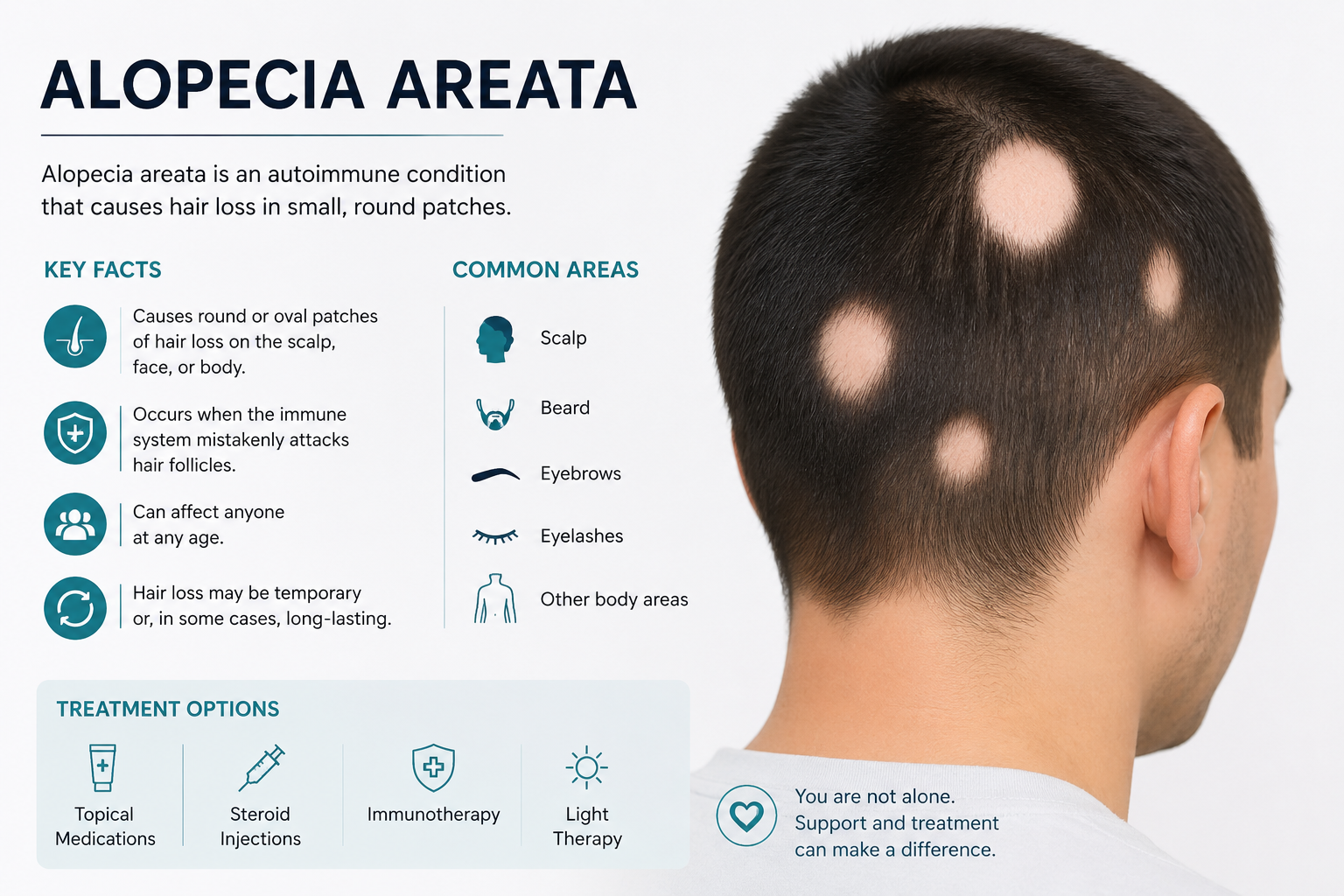
Alopecia areata is an autoimmune condition in which the body’s immune system attacks hair follicles, producing sudden bald patches on the scalp, eyebrows, beard, or body. Its lifetime prevalence is approximately 2.1% globally. What makes this condition particularly distressing is its unpredictability: patches may regrow spontaneously, only to recur weeks or months later. Approximately 30% of patients progress toward total (alopecia totalis) or universal (alopecia universalis) hair loss.
The psychological burden is substantial. If anxiety about alopecia areata starts affecting daily life, talk with a doctor, therapist, or support group. The constant fear of new patches appearing, the inability to control or predict the disease course, and the visibility of patchy loss all fuel anxiety, for example when a new bald spot appears on the scalp, eyebrows, or beard without warning. 33% of adults with alopecia areata experience anxiety. A large cohort study of roughly 63,000 alopecia areata patients compared to 3.3 million controls found anxiety rates of 15.5% versus 12.3% and depression rates of 9.3% versus 7.6%-statistically significant differences that confirm the emotional weight of this diagnosis.
The connection between autoimmune factors and stress adds another dimension. Psychological stress may trigger onset or flares by collapsing immune privilege within hair follicles, releasing pro-inflammatory cytokines such as IL-6 and TNF-α. Stress-induced hair loss is linked to emotional trauma and chronic anxiety, and alopecia areata sits at the intersection of both.
Latest development – NICE recommendation –NICE UK – Latest Updates. Published on 15th July 2026.
Telogen Effluvium and Depression
Telogen effluvium occurs when a huge amount of hair follicles simultaneously shift from the growth phase into the resting phase, leading to diffuse shedding across the entire scalp. Under normal conditions, approximately 85% of scalp follicles are in anagen and roughly 15% are in telogen. During severe stress, up to 70% of follicles can shift into telogen, producing noticeable thinning.
Stress can trigger telogen effluvium, causing hair loss that typically becomes apparent two to three months after the triggering event. Telogen effluvium leads to hair shedding three months after stress. Common triggers include surgery, severe illness, death of a loved one, childbirth, and major life upheavals. Losing around 50 to 100 hairs a day is usually considered normal, whereas telogen effluvium causes noticeably heavier shedding. Postpartum women, individuals recovering from COVID-19, and those who have undergone significant weight loss are particularly affected.
Because the shedding is rapid and diffuse-often noticed in alarming quantities during washing or brushing-this is often the point when concern can turn into panic, with patients frequently experiencing guilt and depression. Hair loss may be triggered by mental health conditions, and the resulting distress can deepen existing depression. When telogen effluvium persists beyond six months (chronic TE), the emotional impact intensifies as uncertainty about permanence grows. Sudden hair loss can signal an underlying medical condition, making medical evaluation important both for physical diagnosis and for reducing the uncertainty and anxiety that accompany unexplained shedding.
Key takeaways from these three conditions: androgenetic alopecia erodes self-esteem gradually; alopecia areata generates acute anxiety through unpredictability; and telogen effluvium provokes fear and depression through sudden, widespread shedding. Each requires a tailored approach-both medically and psychologically-to manage effectively.
Managing Mental Health During Hair Loss Treatment
Addressing hair loss without attending to mental health is incomplete care. Conversely, treating anxiety and depression while ignoring the underlying hair condition leaves the source of distress unresolved. A comprehensive approach combines psychological coping strategies with appropriate professional support, tailored to the severity of both the hair loss and the emotional response.
Coping Strategies and Cognitive Behavioural Therapy
These strategies are most effective when begun early-before distress becomes entrenched-and maintained consistently alongside any medical or surgical treatment, and small daily things done consistently often help more than occasional intensive efforts.
- Stress management techniques: Since high levels of cortisol directly harm follicle health, reducing stress is both a psychological and a biological priority. Cognitive behavioural therapy can help with hair loss-related anxiety by identifying catastrophic thought patterns and replacing them with realistic appraisals. Sleep hygiene matters too-sleep deprivation elevates cortisol, compounding the problem. Treating anxiety through structured CBT protocols has demonstrated measurable benefit in dermatological populations.
- Mindfulness practices and meditation: Mindfulness-based stress reduction (MBSR) helps patients manage the reactivity that accompanies each new episode of shedding or each glance in the mirror. Regular meditation practice has been shown to reduce cortisol levels, dampen inflammatory markers, and improve overall wellbeing. Even 10–15 minutes daily can be beneficial for building resilience against the emotional waves that hair loss provokes.
- Support group participation: Support groups can provide community and coping strategies for hair loss. Speaking with others who have had similar experiences-whether through organisations like Alopecia UK or online peer communities-reduces isolation and normalises the struggle. No person should feel they are facing this alone; the shared understanding within a support group is often described as transformative.
- Lifestyle modifications: Regular exercise and mindfulness practices can improve mental well-being related to hair loss. Physical activity reduces cortisol, boosts endorphins, and improves body image independent of hair status. Nutritional factors also play a role-adequate protein, iron, zinc, and vitamin D support healthy hair biology. Gentle scalp care, avoiding harsh chemicals, and reducing heat styling help protect affected hairs from additional damage.
- Professional Support Options: Cognitive Behavioural Therapy
Choosing the right level of professional support depends on the severity of both the hair loss and the psychological distress. Understanding the cause of hair loss can help reduce uncertainty and anxiety, which is why thorough diagnosis should precede any treatment plan.
| Support Type | What It Involves | Advantages | Best For |
|---|---|---|---|
| Therapy (CBT, ACT) | Structured sessions with a mental health professional targeting anxiety, depression, body image disturbance | Evidence-based reduction in distress; tools for managing appearance-related fears; helps set realistic treatment expectations | Patients with clinical anxiety, social anxiety disorder, or depression related to hair loss |
| Medical Treatment | Minoxidil, finasteride, anti-androgens, JAK inhibitors, immunotherapy depending on diagnosis | Addresses biological cause; can slow or reverse hair loss; multiple options for different conditions | Individuals with diagnosed alopecia areata, androgenetic alopecia, or other treatable conditions |
| Surgical Restoration (FUE/FUT) | Follicular unit extraction or transplantation to restore density using donor area hair | Permanent results; modern techniques minimise scarring; natural-looking hairline achievable | Patients with stable hair loss patterns, adequate donor supply, realistic expectations |
| Support Services | Patient organisations, peer forums, dermatology charities, online communities | Low cost; immediate access; shared empathy and practical advice | Anyone experiencing hair loss distress, regardless of severity or treatment stage |
| Comprehensive Clinic Care | Integrated consultation including psychological screening, realistic timeline discussion, structured aftercare | Improves satisfaction; reduces treatment anxiety; aligns expectations with outcomes | Patients considering surgical or intensive medical intervention |
Help and support resources are available for individuals dealing with hair loss-the challenge is matching the right resource to the individual’s needs. Mild symptoms can be treated with lifestyle changes and peer support may suffice. In patients with moderate symptoms, therapy combined with medical treatment offers the strongest outcomes, and antidepressants may also be considered if a doctor identifies clinically significant depression or anxiety linked to hair loss. For severe psychological impact-particularly when symptoms interfere with daily function, work, or relationships-a doctor should be consulted promptly, and mental health treatment may need to begin before or alongside hair restoration.
Common Challenges and Solutions
Even with the right support and treatment plan, patients commonly encounter obstacles that can undermine progress. Anticipating these challenges makes them easier to manage.
Stigma and Social Withdrawal
Many patients describe feeling ashamed of their hair loss and withdrawing from social situations, intimate relationships, and activities they once enjoyed. Children and adolescents are particularly vulnerable to bullying and peer rejection. The solution begins with gradual, controlled re-engagement: starting with trusted family members and close friends, rehearsing simple responses to questions or comments, and building outward from that safe foundation. Some patients find wigs, topical fibres, or head coverings helpful as transitional tools while building confidence. Open communication with a loved one about how they can support-rather than minimise or dismiss-the experience is also enormously helpful.
Treatment Anxiety and Unrealistic Expectations
A common source of distress is the gap between what patients expect from treatment and what treatment can realistically deliver. Some believe a hair transplant will produce an instant, full head of thick hair within a few months. In reality, transplanted grafts undergo shock loss before regrowth begins at around three to four months, with full results visible only at 12–18 months. Donor area limitations, scarring considerations (FUE produces minimal scarring; FUT leaves a linear scar), and density constraints all affect outcomes.
The solution lies in thorough pre-treatment education. Visual aids showing growth timelines at three, six, and twelve months; honest discussion of FUE versus FUT trade-offs; and assessment of donor site quality all help patients develop realistic expectations. When a person walks into their first consultation already understanding the process, treatment anxiety drops substantially.
Financial Stress from Treatment Costs
Hair transplant surgery represents a significant financial commitment, and ongoing medical therapies (medication like minoxidil or finasteride, PRP treatments) add recurring costs. Psychological support, while beneficial, may also carry fees-particularly for private therapy. This financial pressure can compound the emotional distress already present.
Practical solutions include exploring payment plans or financing options offered by clinics, understanding NHS coverage limitations (cosmetic hair surgery is rarely funded except in exceptional circumstances), and accessing lower-cost mental health support through NHS talking therapies, charitable organisations like Mind UK, or online CBT platforms. Prioritising mental health support early-even through free resources-is vital, as untreated anxiety or depression will undermine engagement with any hair restoration treatment.
Conclusion and Next Steps
Hair loss can significantly affect mental health-this is established by decades of research and confirmed by the lived experience of millions of people. But the relationship works in both directions: stress and mental health conditions can trigger hair loss, creating cycles that are difficult to escape without addressing both dimensions simultaneously. Different types of hair loss-androgenetic alopecia, alopecia areata, telogen effluvium-carry distinct psychological burdens, but all benefit from a combined approach that treats both the scalp and the person.
Recovery is possible, and it begins with action:
- Schedule a GP , dermatologist or Hair Transplant Surgeon consultation to identify the specific type of hair loss and rule out underlying medical factors
- Consider psychological support-cognitive behavioural therapy, counselling, or structured self-help-especially if anxiety or depression symptoms are present
- Explore treatment options appropriate to your diagnosis, from topical medication to surgical restoration, with realistic expectations about timelines
- Connect with a support group such as Alopecia UK or online peer communities to reduce isolation and learn from others’ experiences
- Implement daily wellbeing practices including regular exercise, meditation, adequate nutrition, and sleep hygiene to lower stress hormones and support hair biology
Related topics worth exploring include specific hair transplant procedures and emerging research, long-term stress management strategies, and nutritional approaches to supporting hair health.
Additional Resources
- Mental health organisations: Mind UK (mind.org.uk) for general mental health support; British Association for Counselling and Psychotherapy (BACP) for finding accredited therapists experienced in body image and appearance-related distress
- Hair loss support groups: Alopecia UK (alopecia.org.uk) for peer support, information, and community events; online forums and social media groups moderated by people who understand the experience firsthand
- Stress management tools: Mindfulness apps (Headspace, Calm), sleep tracking tools, and structured CBT workbooks designed for anxiety management
- Clinical assessment tools: The Dermatology Life Quality Index (DLQI) and Hospital Anxiety and Depression Scale (HADS) can help quantify the psychological impact and track progress over time
- Professional consultation: For individuals considering surgical restoration, a thorough consultation covering donor area assessment, hairline design, realistic timelines, and psychological readiness provides the strongest foundation for a positive outcome
Frequently Asked Questions
FAQ
1 What is the reason for losing hairs during Stress and Depression?
Chronic stress could lead to activation of many pathways which collectively may to lead to hair loss.
In some patients increased steroid level in body leads to hair loss while in some others
removal of the immune privilege causes hair loss. All pathways either affect the growth cycle directly
or indirectly.
2 How long should I wait before the Stress induced hair loss is reversible?
There is no fixed time period for any type of recovery from hair loss caused by any factors. The
Hair loss from stress is expected to be reversible but there may be another underlying cause which
may delay the recovery or in worse case scenario, cause irreversible hair loss.
3 I am waiting for hair loss to be recovered , can I use medications
like Minoxidil or Finasteride or LLLT ( Laser ) ?
The primary aim of the treatment will be to address the underlying cause including stress or any
other identifiable factors. The medical treatment including Minoxidil, Finasteride , LLLT or in
some cases PRP are helpful and they will help the hair growth.
4 What is the best plan of treatment for the stress induced hair loss?
There is no single plan or treatment that works. There will always be a combination of treatments which
will work better for hair loss. It is important to find what triggered hair loss and then plan treatment to
address those issues.
References
- Lauron S, Plasse C, Vaysset M, et al. Prevalence and Odds of Depressive and Anxiety Disorders and Symptoms in Children and Adults With Alopecia Areata: A Systematic Review and Meta-analysis. JAMA Dermatol. 2023;159(3):281–288. doi:10.1001/jamadermatol.2022.6085
- Okhovat JP, Marks DH, Manatis-Lornell A, Hagigeorges D, Locascio JJ, Senna MM. Association between alopecia areata, anxiety, and depression: A systematic review and meta-analysis. J Am Acad Dermatol. 2023 May;88(5):1040-1050. doi: 10.1016/j.jaad.2019.05.086. Epub 2019 Jun 1. PMID: 31163237.
- Choi S, Zhang B, Ma S, Gonzalez-Celeiro M, Stein D, Jin X, Kim ST, Kang YL, Besnard A, Rezza A, Grisanti L, Buenrostro JD, Rendl M, Nahrendorf M, Sahay A, Hsu YC. Corticosterone inhibits GAS6 to govern hair follicle stem-cell quiescence. Nature. 2021 Apr;592(7854):428-432. doi: 10.1038/s41586-021-03417-2. Epub 2021 Mar 31. PMID: 33790465; PMCID: PMC8923613.
- Rencz F, Gulácsi L, Péntek M, Wikonkál N, Baji P, Brodszky V. Alopecia areata and health-related quality of life: a systematic review and meta-analysis. Br J Dermatol. 2016 Sep;175(3):561-71. doi: 10.1111/bjd.14497. Epub 2016 Jul 2. PMID: 26914830.
- van Dalen M, Muller KS, Kasperkovitz-Oosterloo JM, Okkerse JME, Pasmans SGMA. Anxiety, depression, and quality of life in children and adults with alopecia areata: A systematic review and meta-analysis. Front Med (Lausanne). 2022 Nov 29;9:1054898. doi: 10.3389/fmed.2022.1054898. PMID: 36523776; PMCID: PMC9745337.
- Mostaghimi A, Soliman AM, Li C, Barqawi YK, Grada A. Immune-Mediated and Psychiatric Comorbidities Among Patients Newly Diagnosed With Alopecia Areata. JAMA Dermatol. 2024 Sep 1;160(9):945-952. doi: 10.1001/jamadermatol.2024.2404. PMID: 39083282; PMCID: PMC11292571.
- Malta M Jr, Corso G. Understanding the Association Between Mental Health and Hair Loss. Cureus. 2025 May 25;17(5):e84777. doi: 10.7759/cureus.84777. PMID: 40557018; PMCID: PMC12186756.
- Hughes EC, Syed HA, Saleh D. Telogen Effluvium. [Updated 2024 May 1]. In: StatPearls [Internet]. Treasure Island (FL): StatPearls Publishing; 2026 Jan-. Available from: https://www.ncbi.nlm.nih.gov/books/NBK430848/


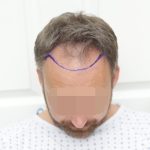



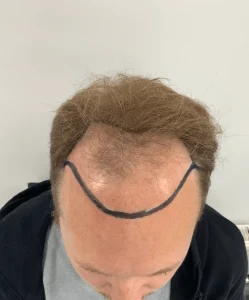 Before the surgery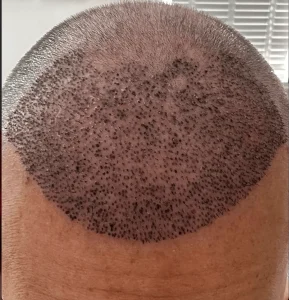
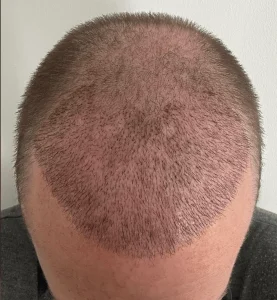
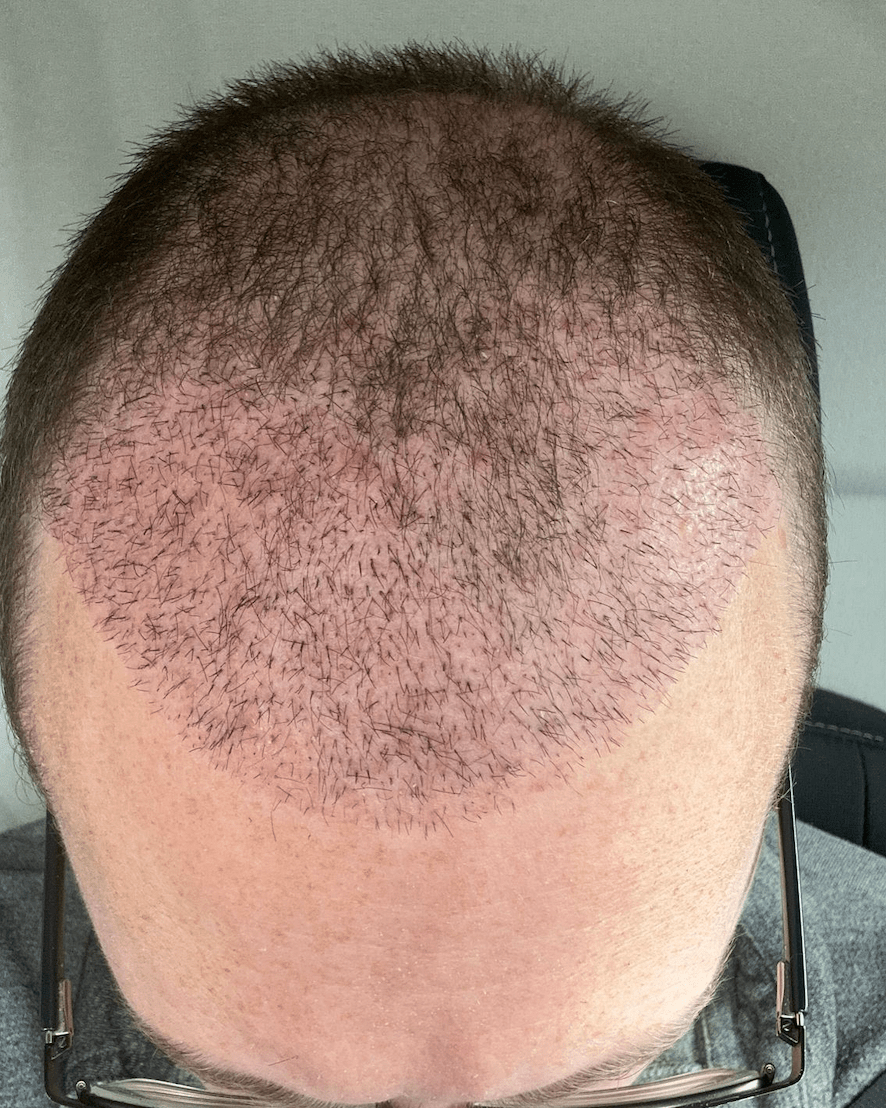 6 weeks after Surgery
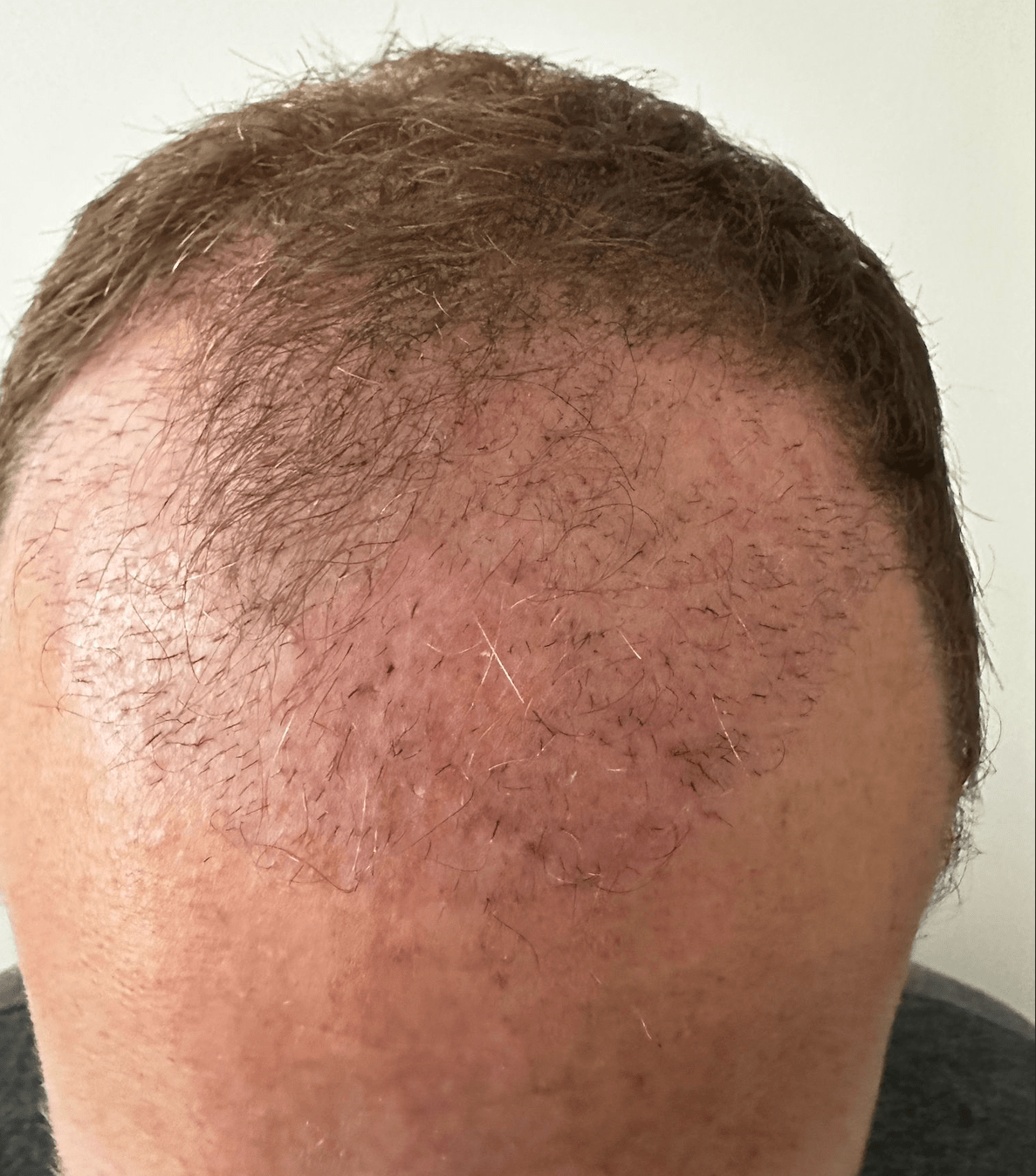 3 months after Surgery
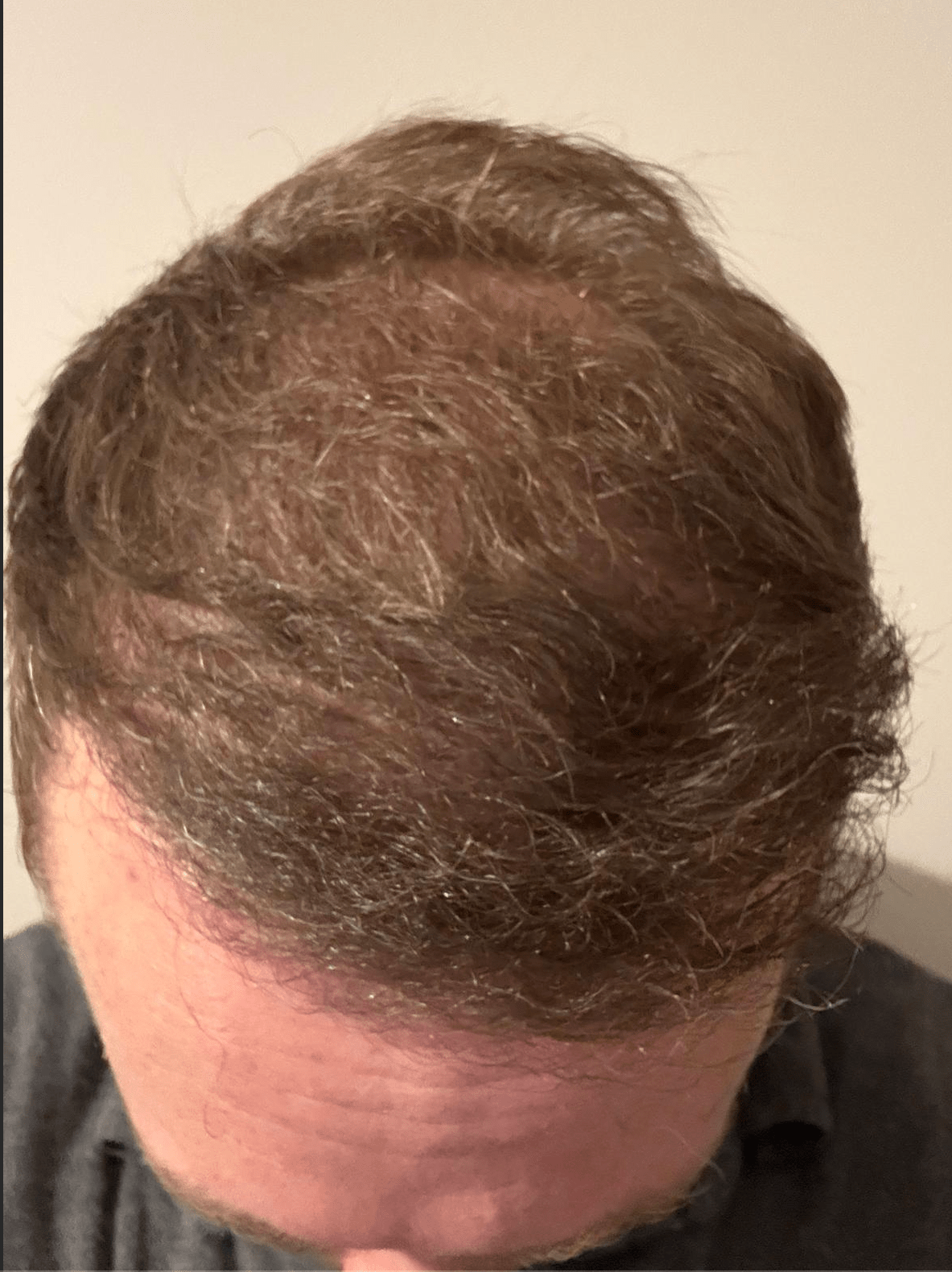 10 months after Surgery
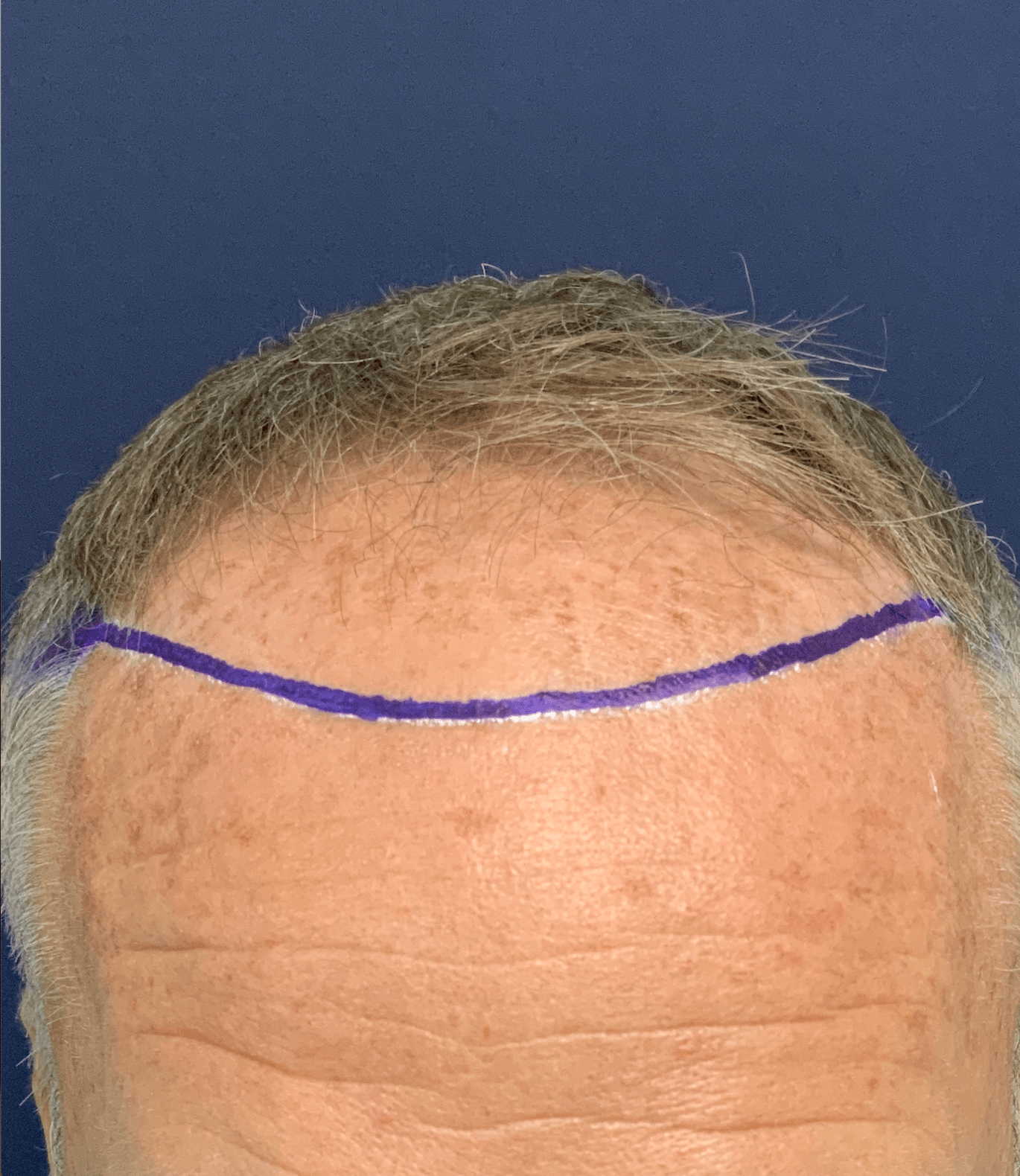 Before the surgery
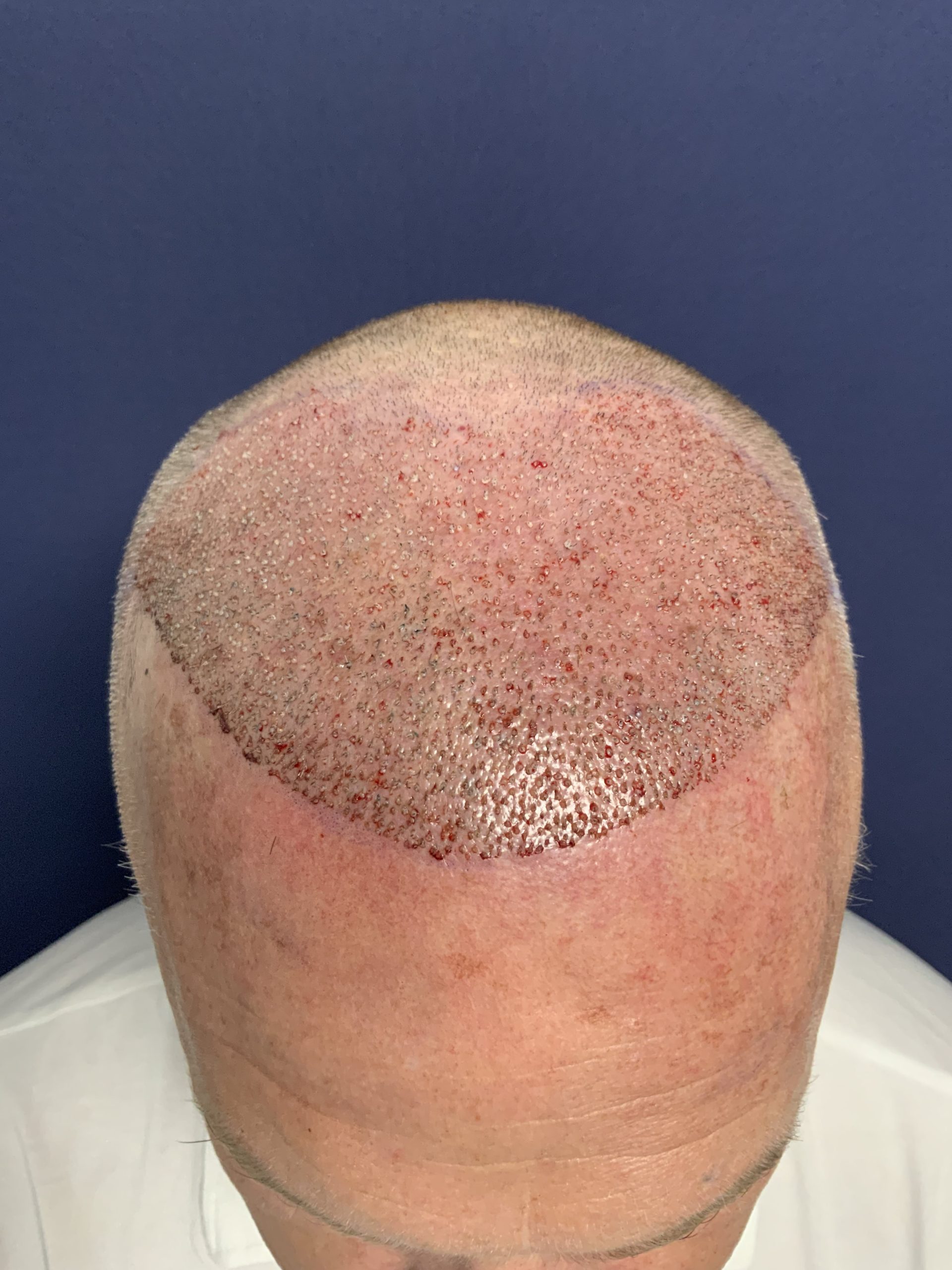 Day of the Surgery
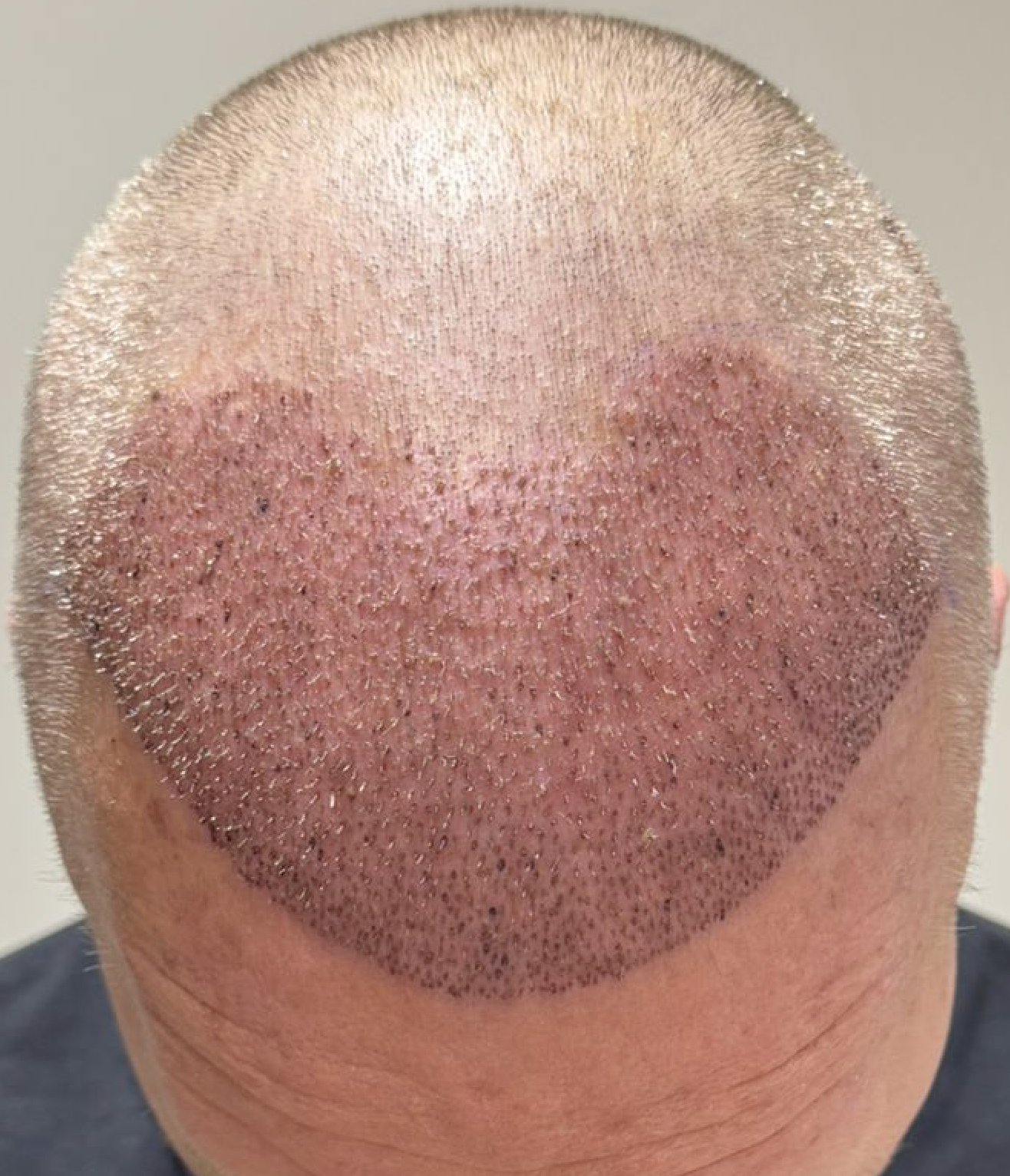 7 days After the Surgery
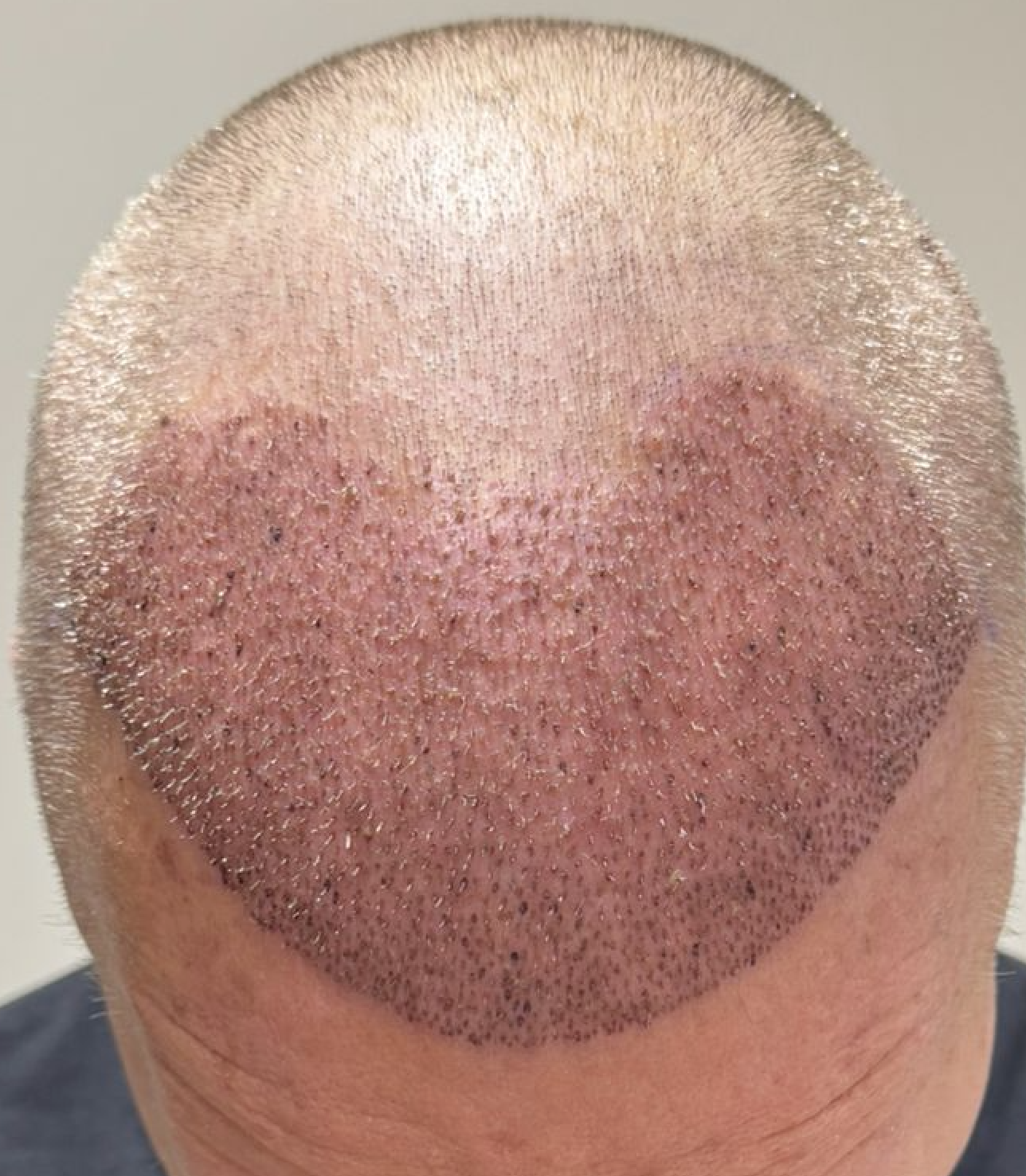 10 days After the Surgery
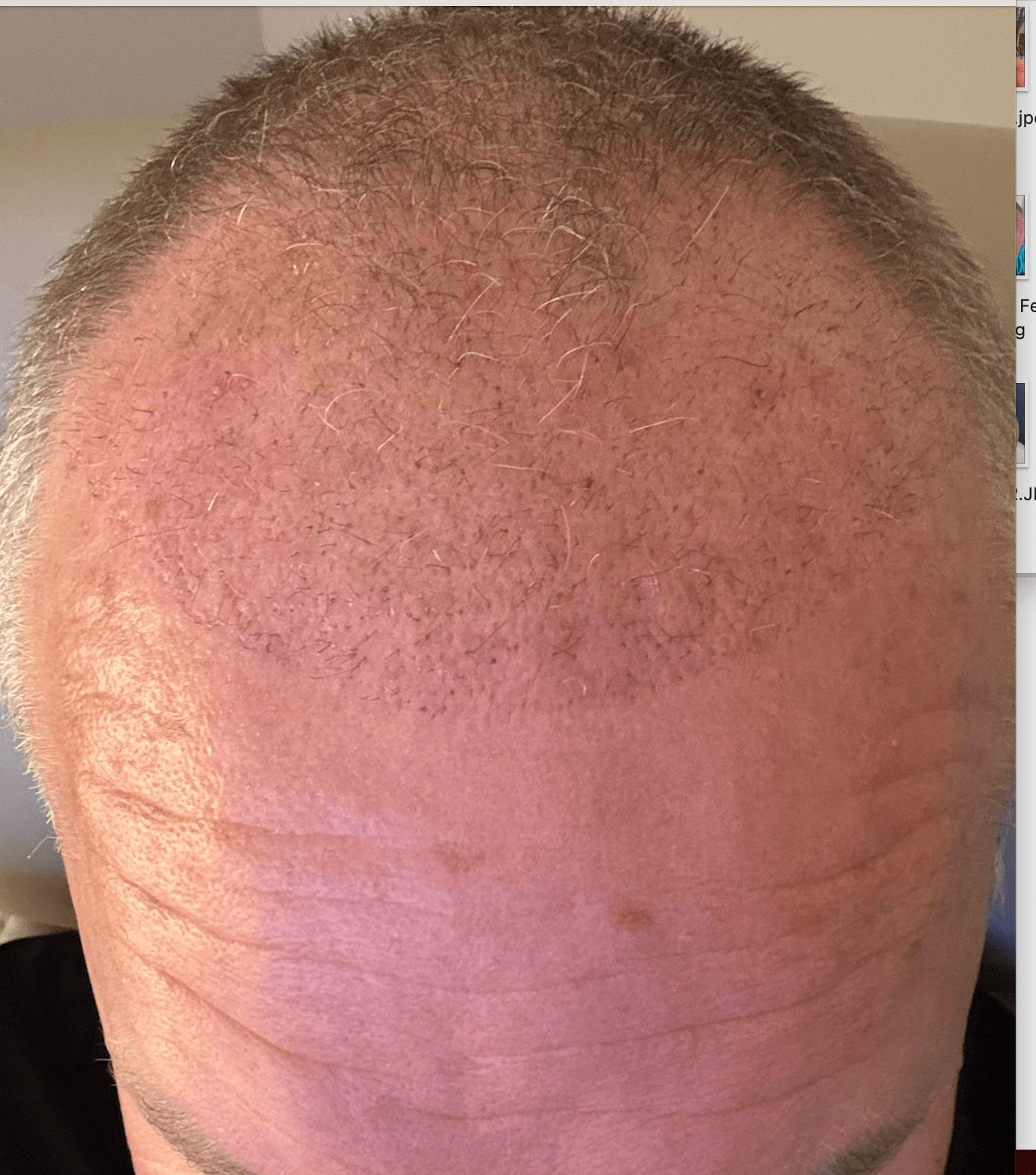 30 days After the Surgery
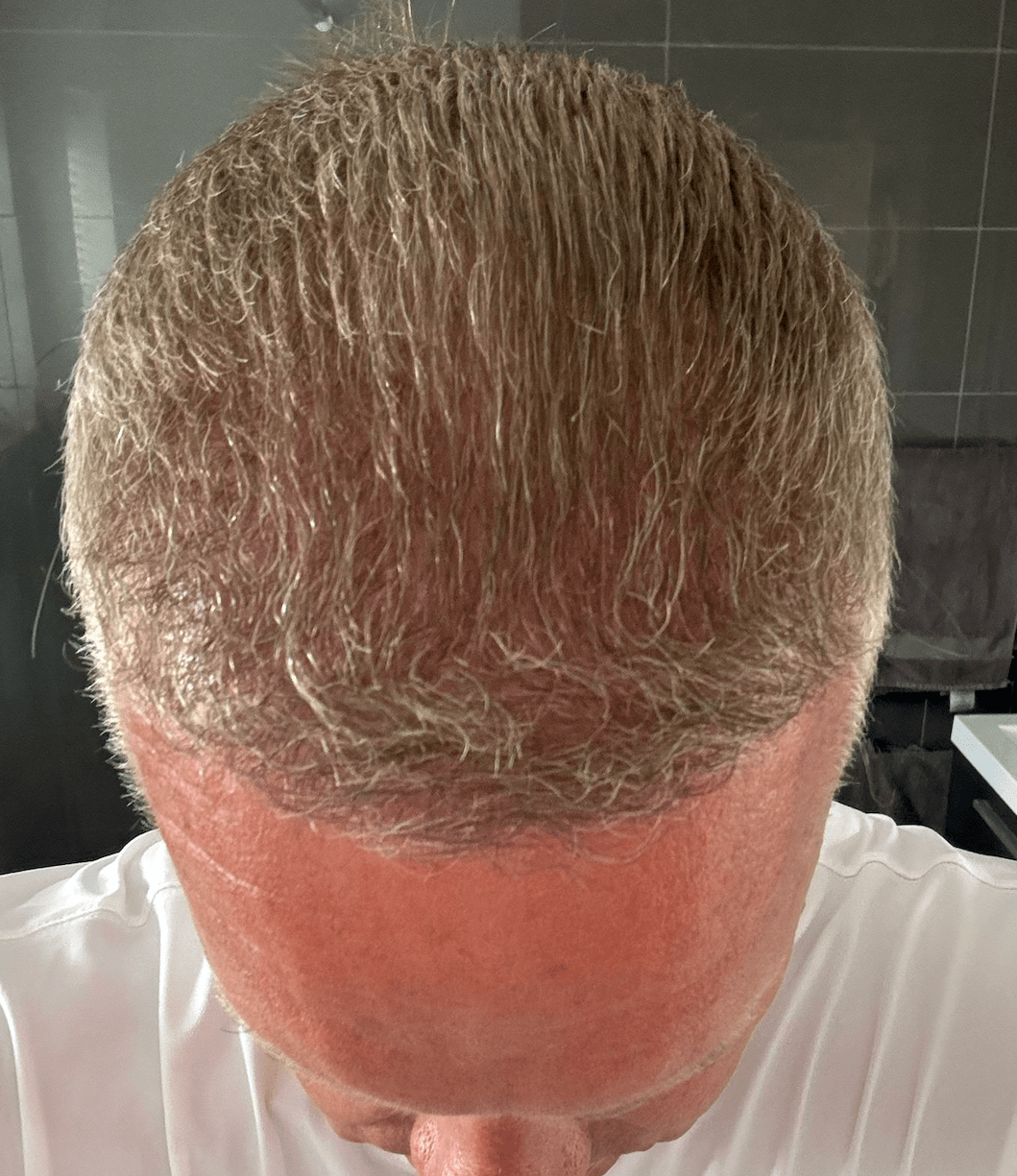 After 12 months
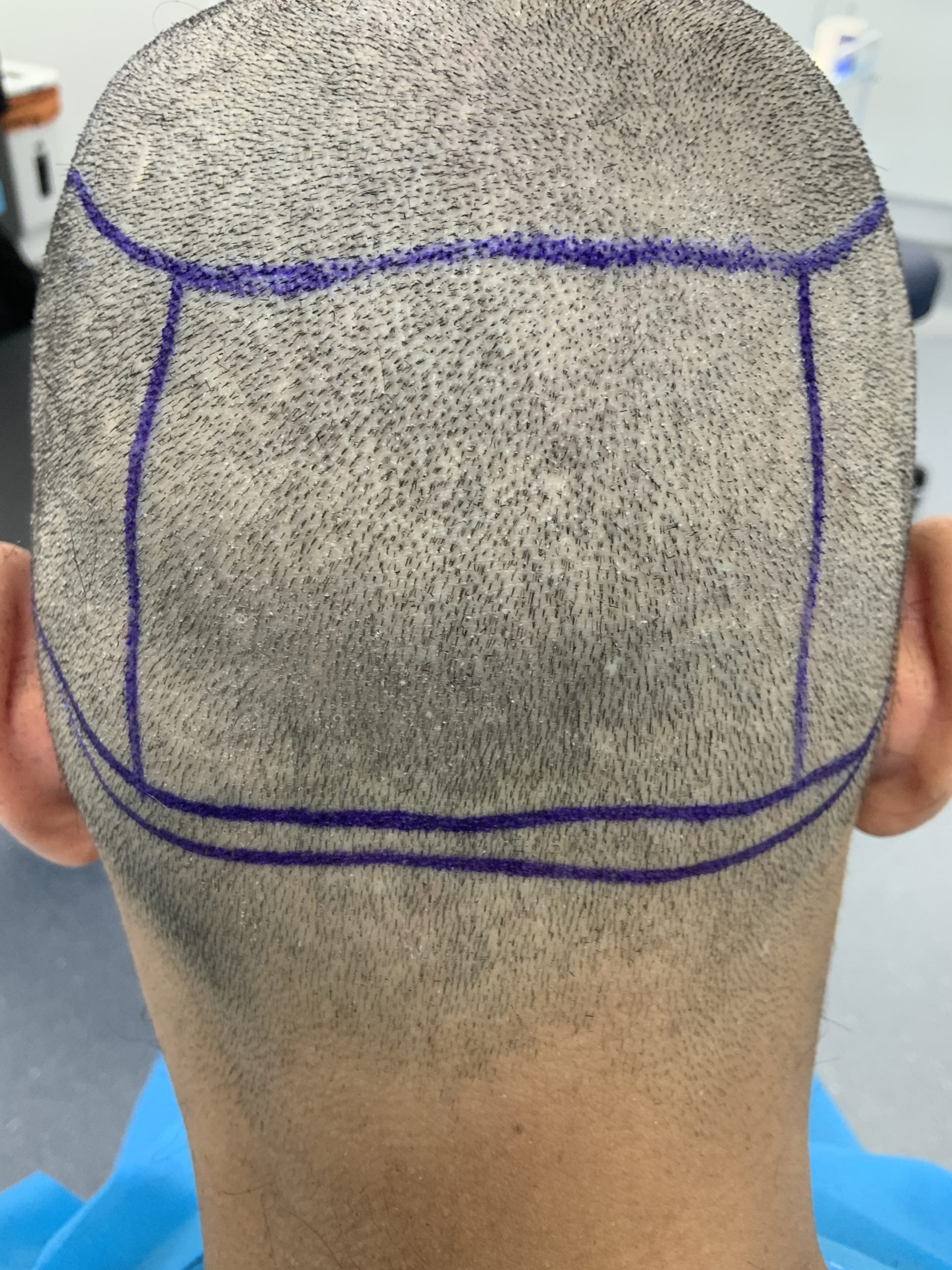 Before the surgery
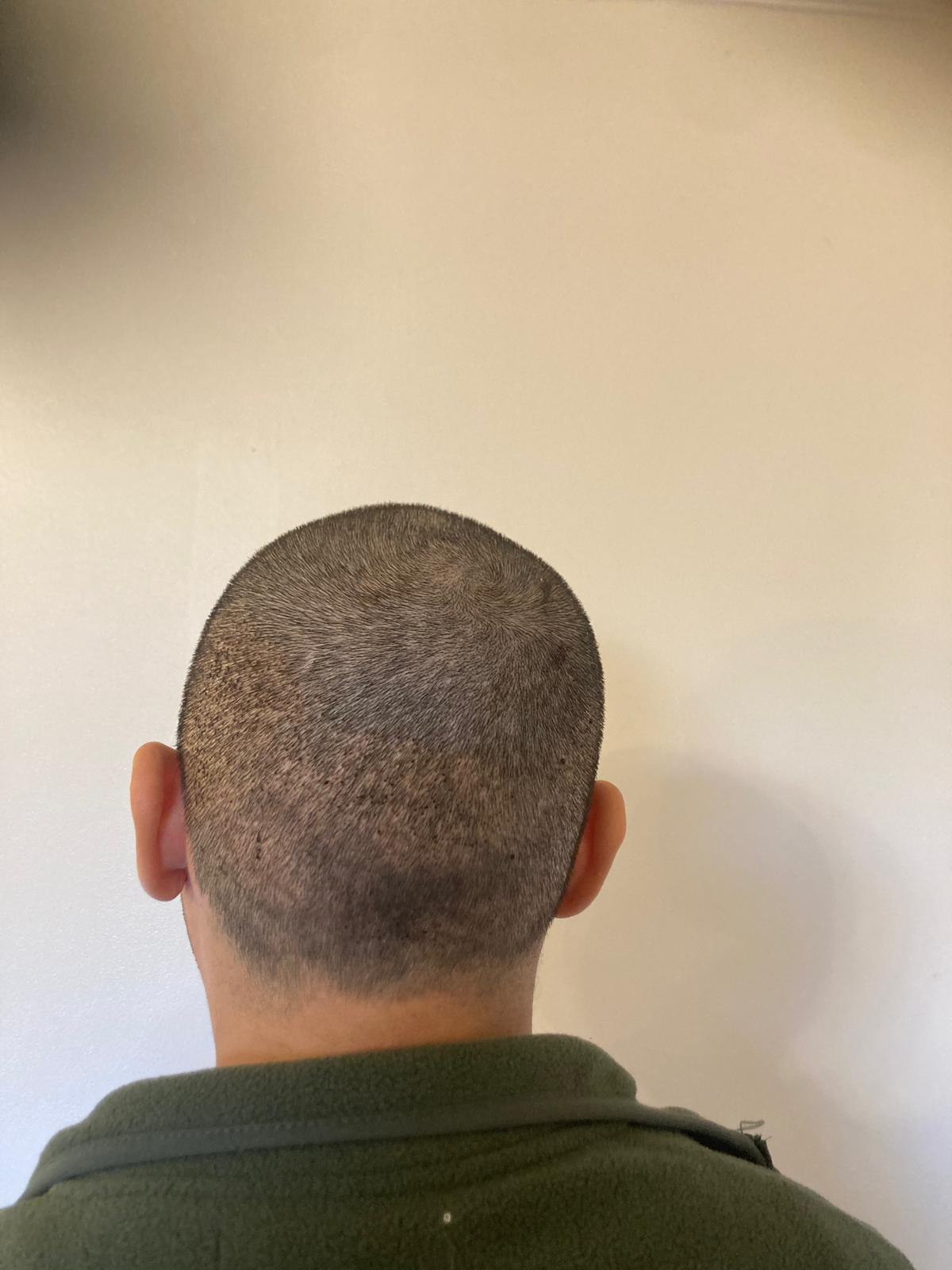
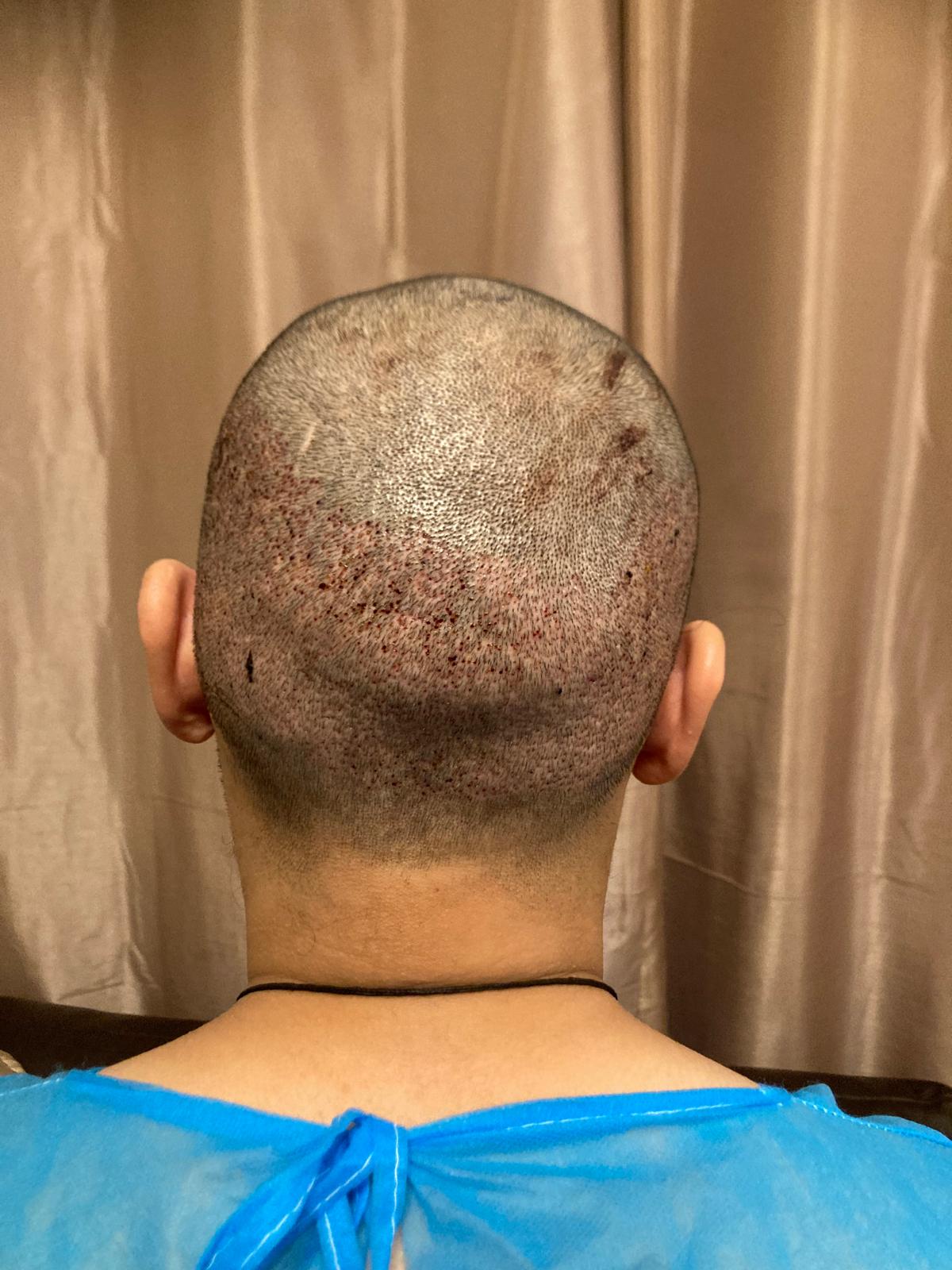 After 2 Days of Surgery
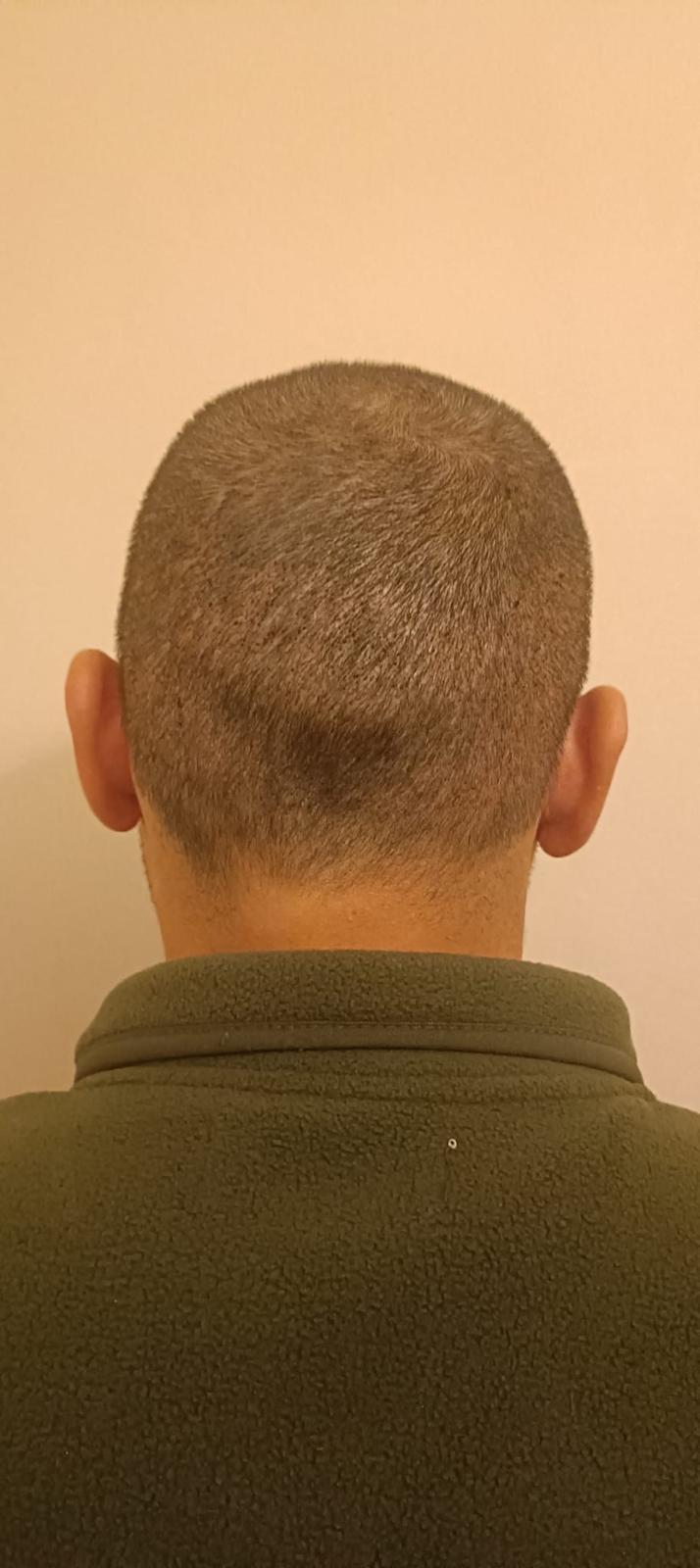
 After 4 Days of Surgery
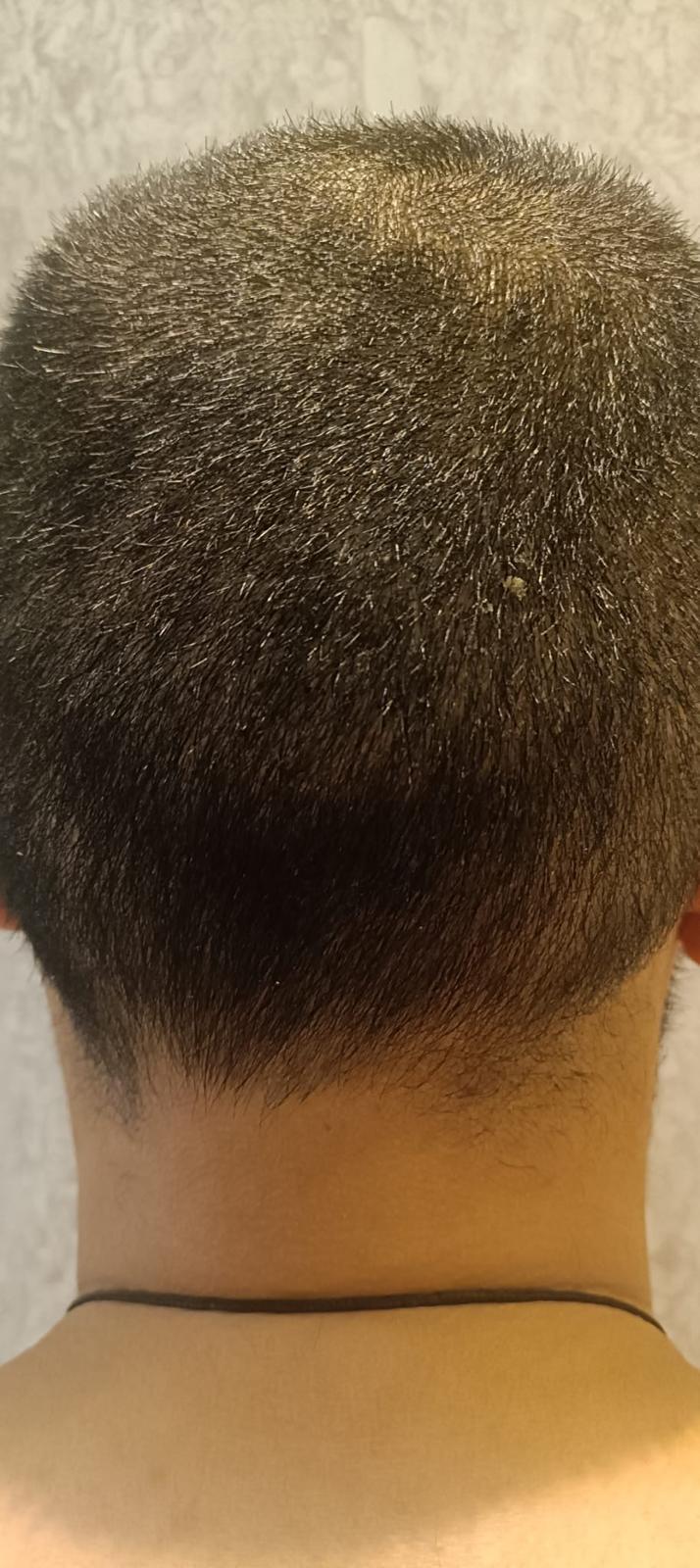
 After 8 Days of Surgery
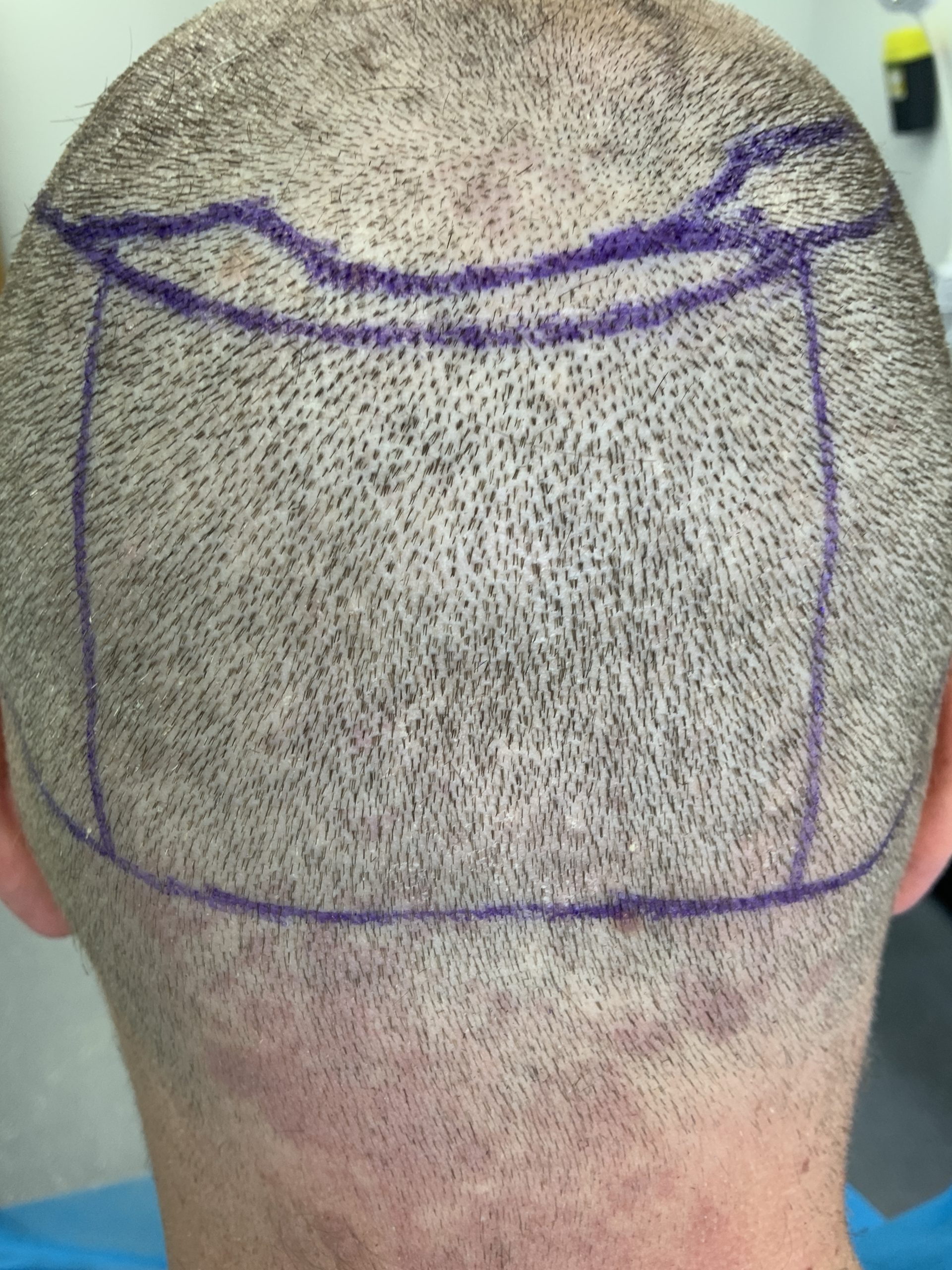
 After 28 Days of Surgery
 Before the surgery
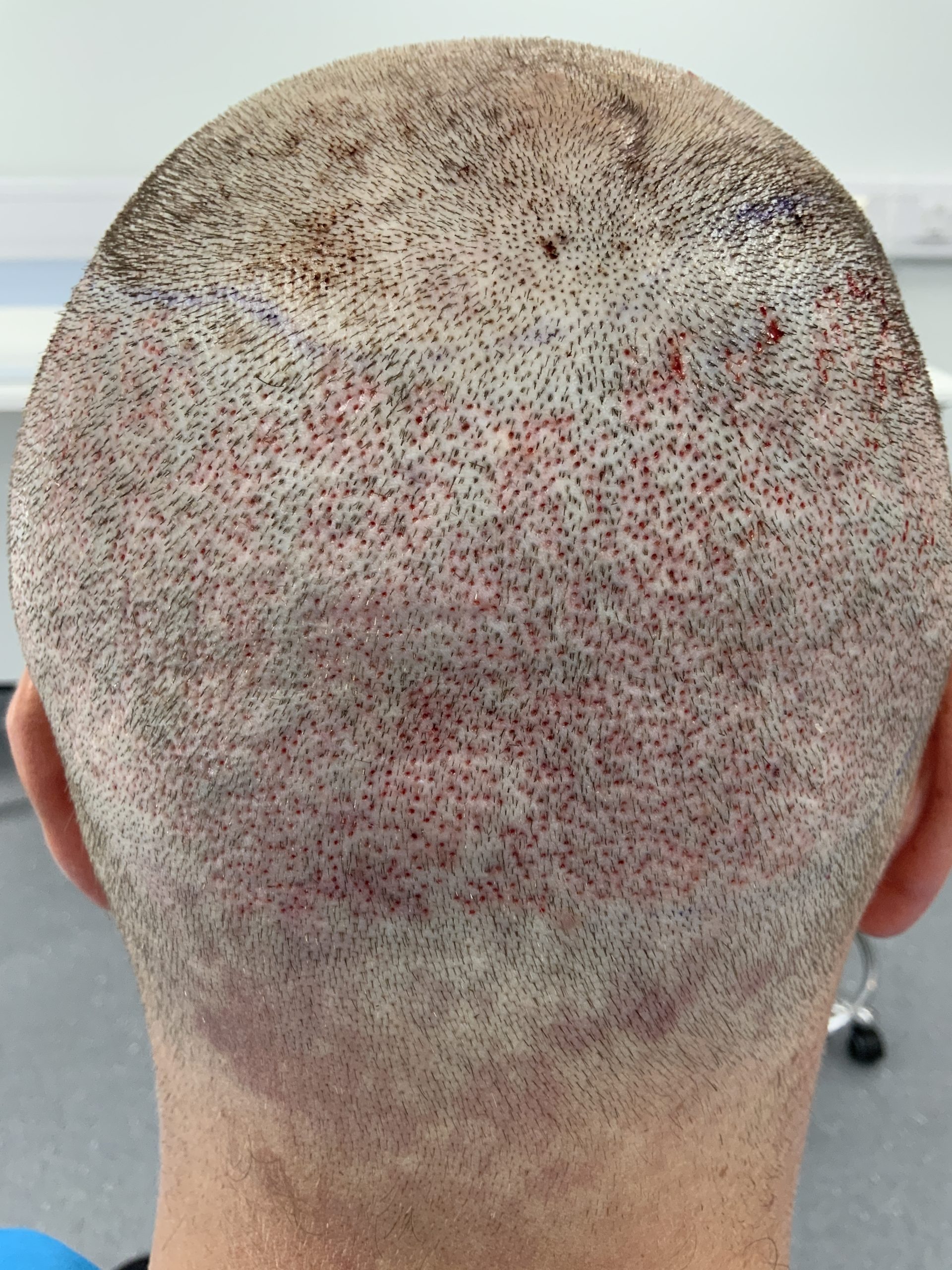 Day of the surgery 1
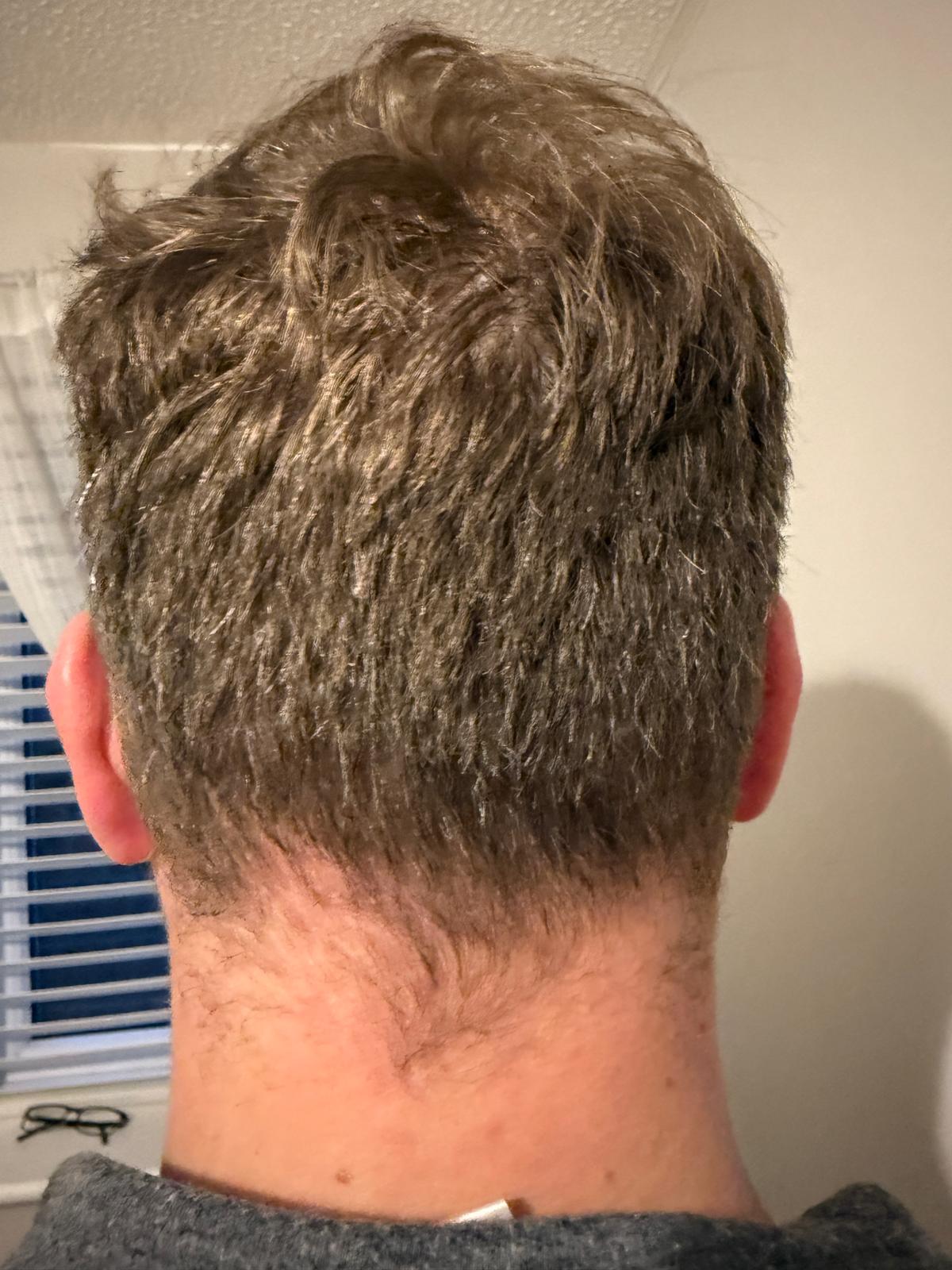 12 Months after the surgery
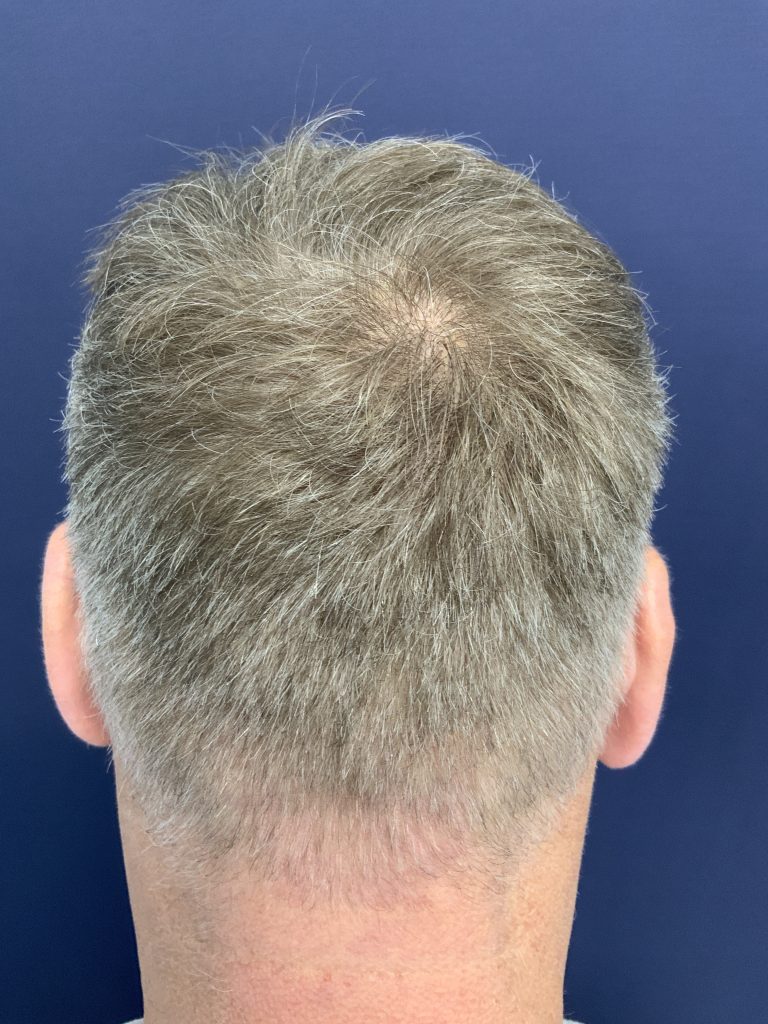 Before Donor
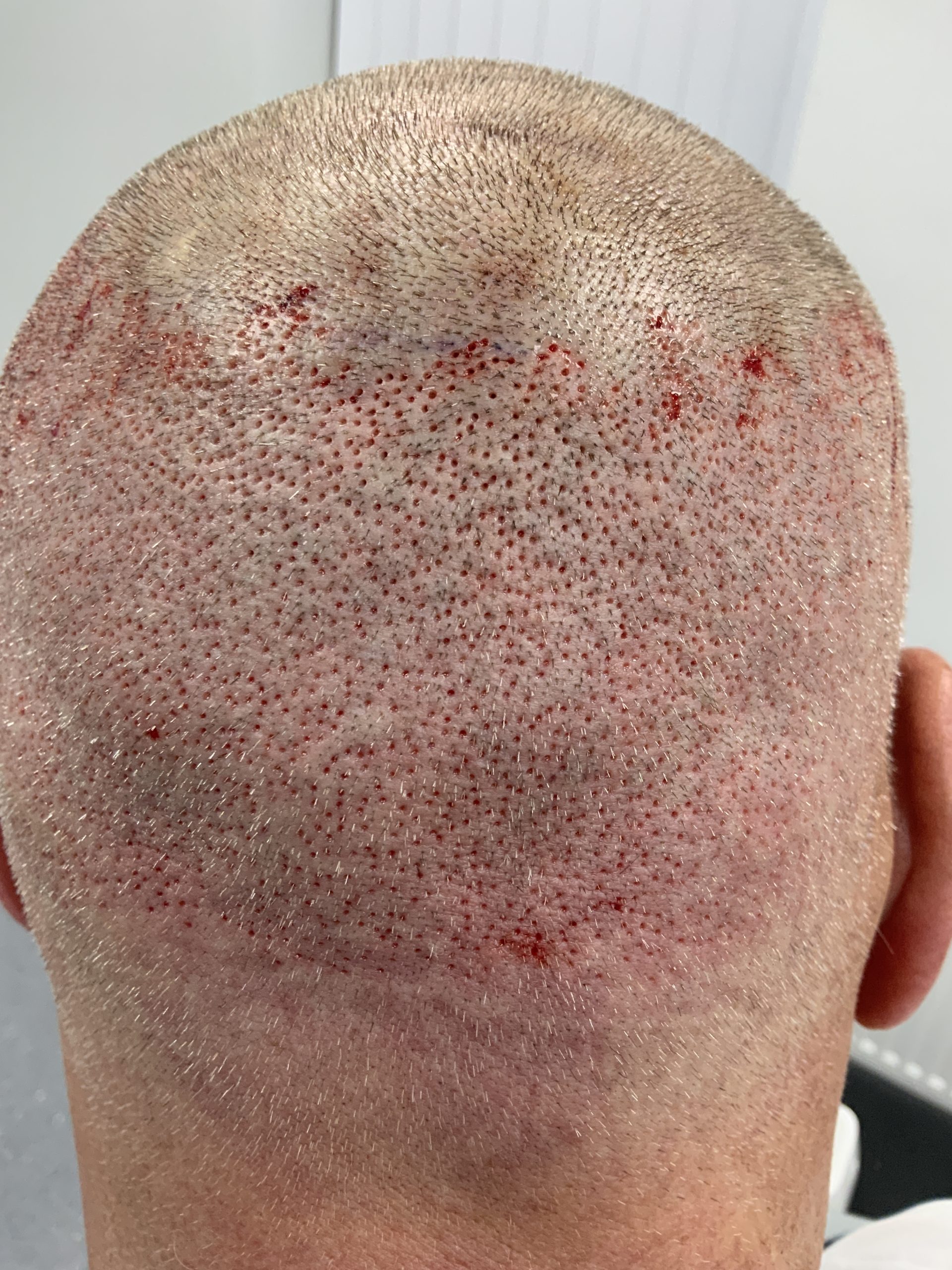 Day 1
Day 1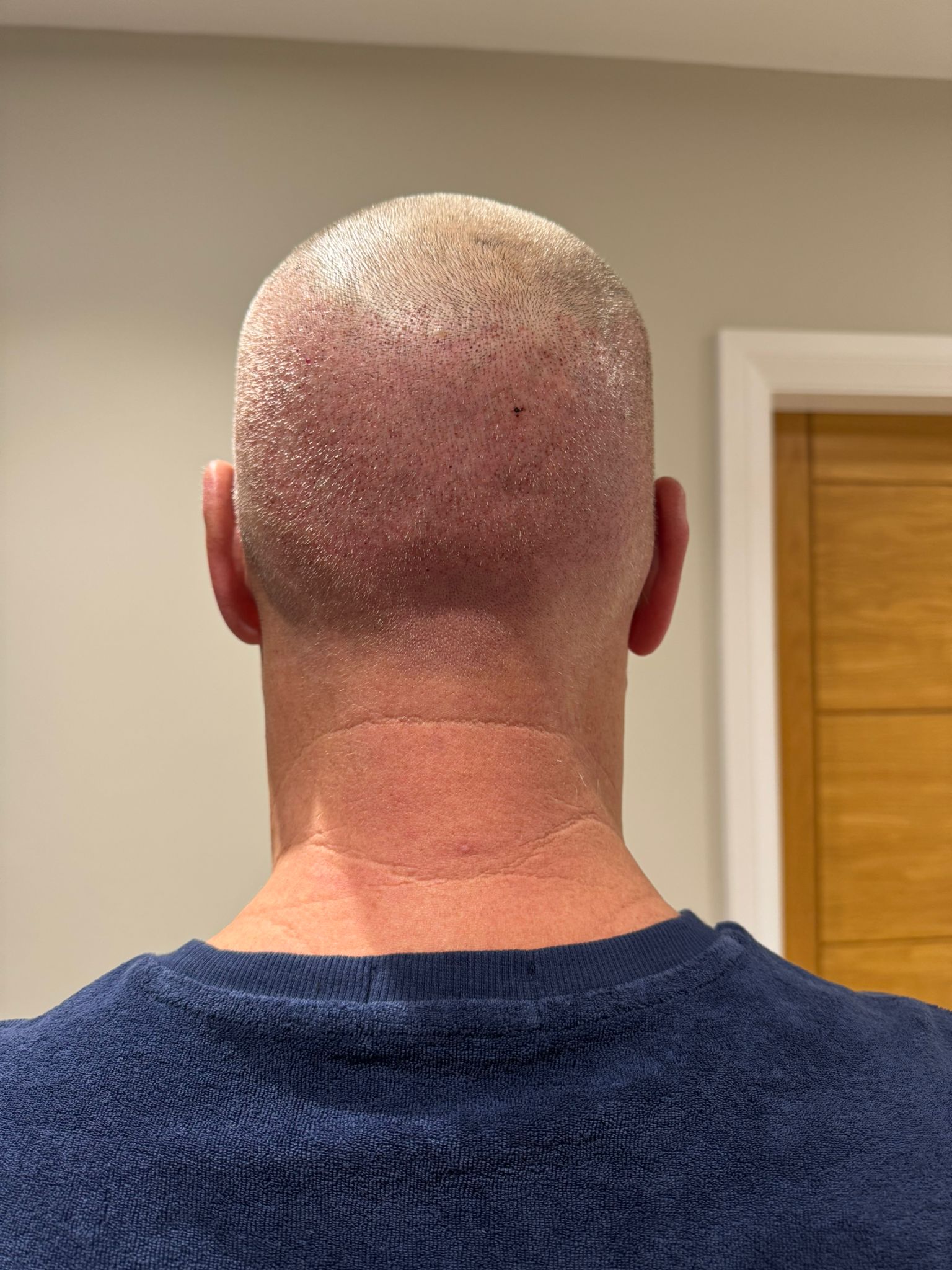 Day 7
Day 7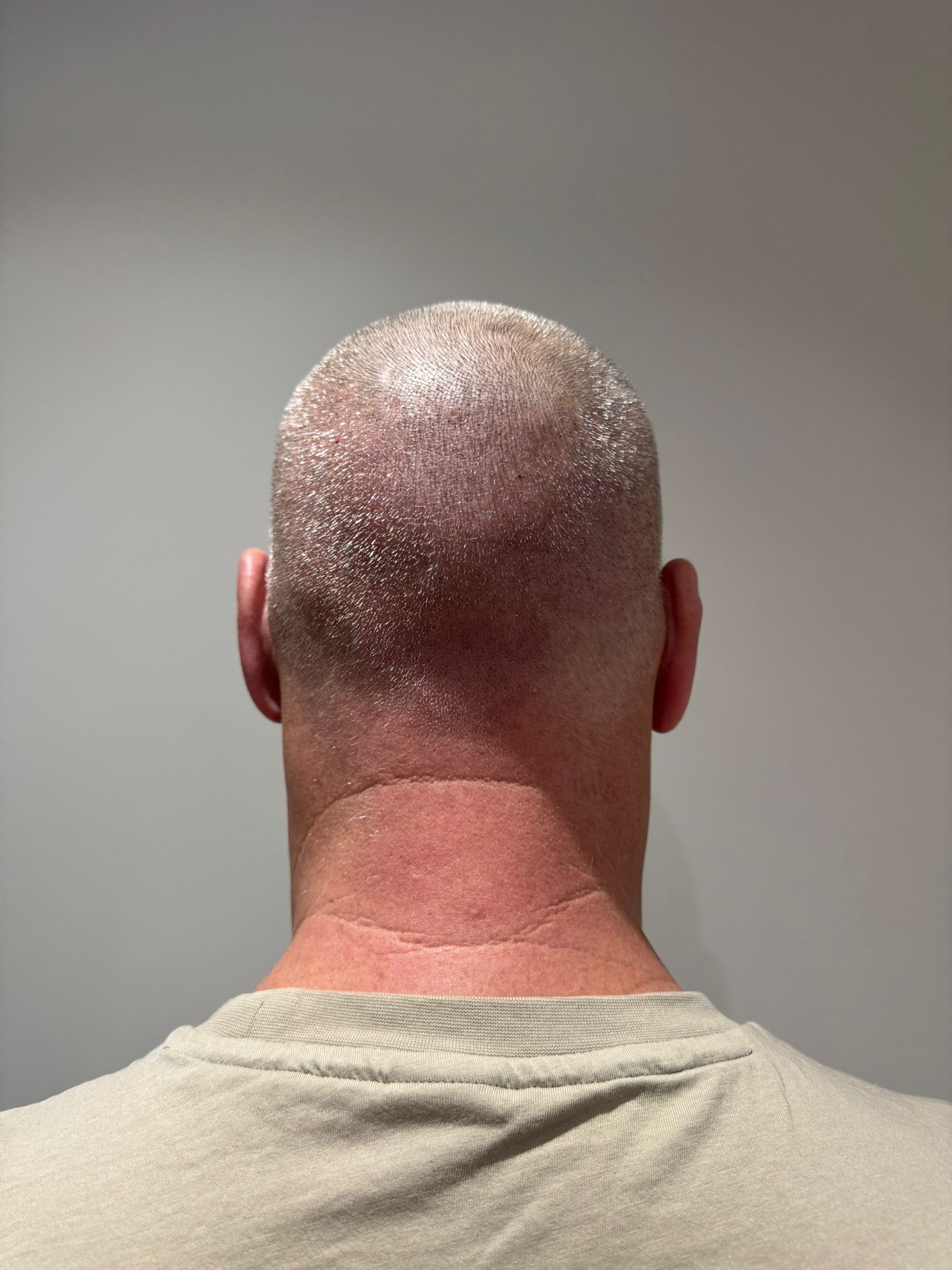 4 Weeks
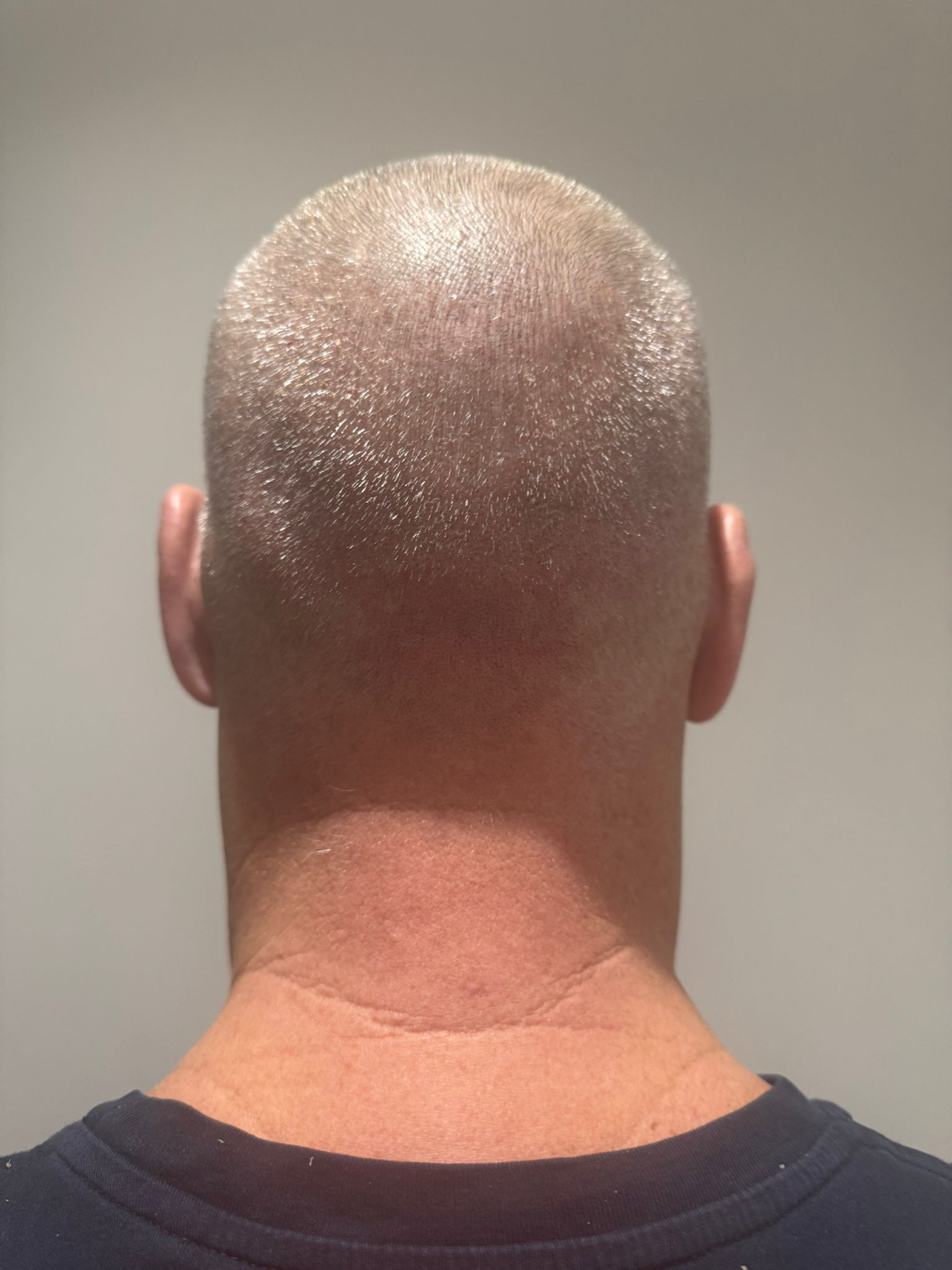 6 Weeks
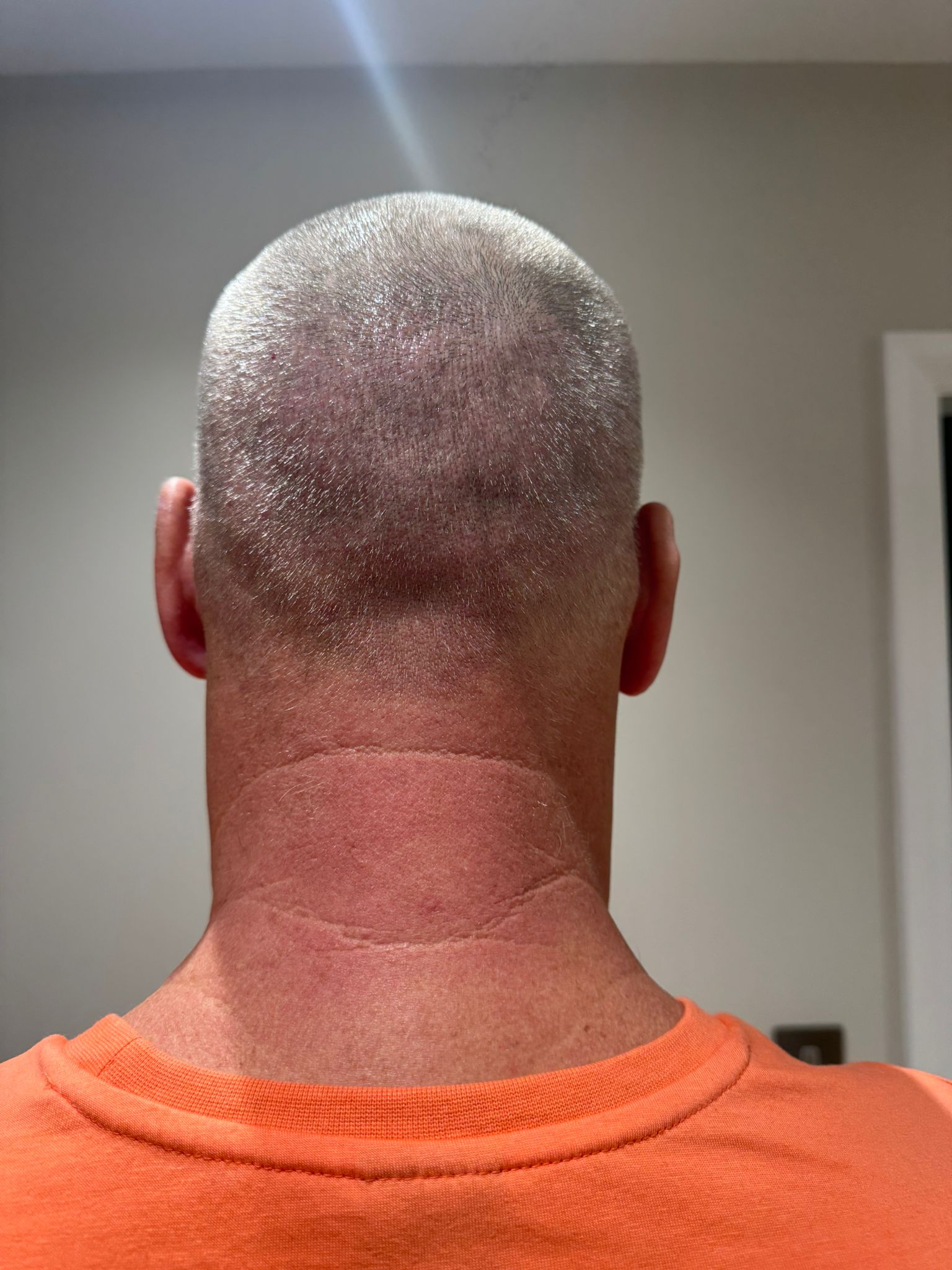 8 Weeks
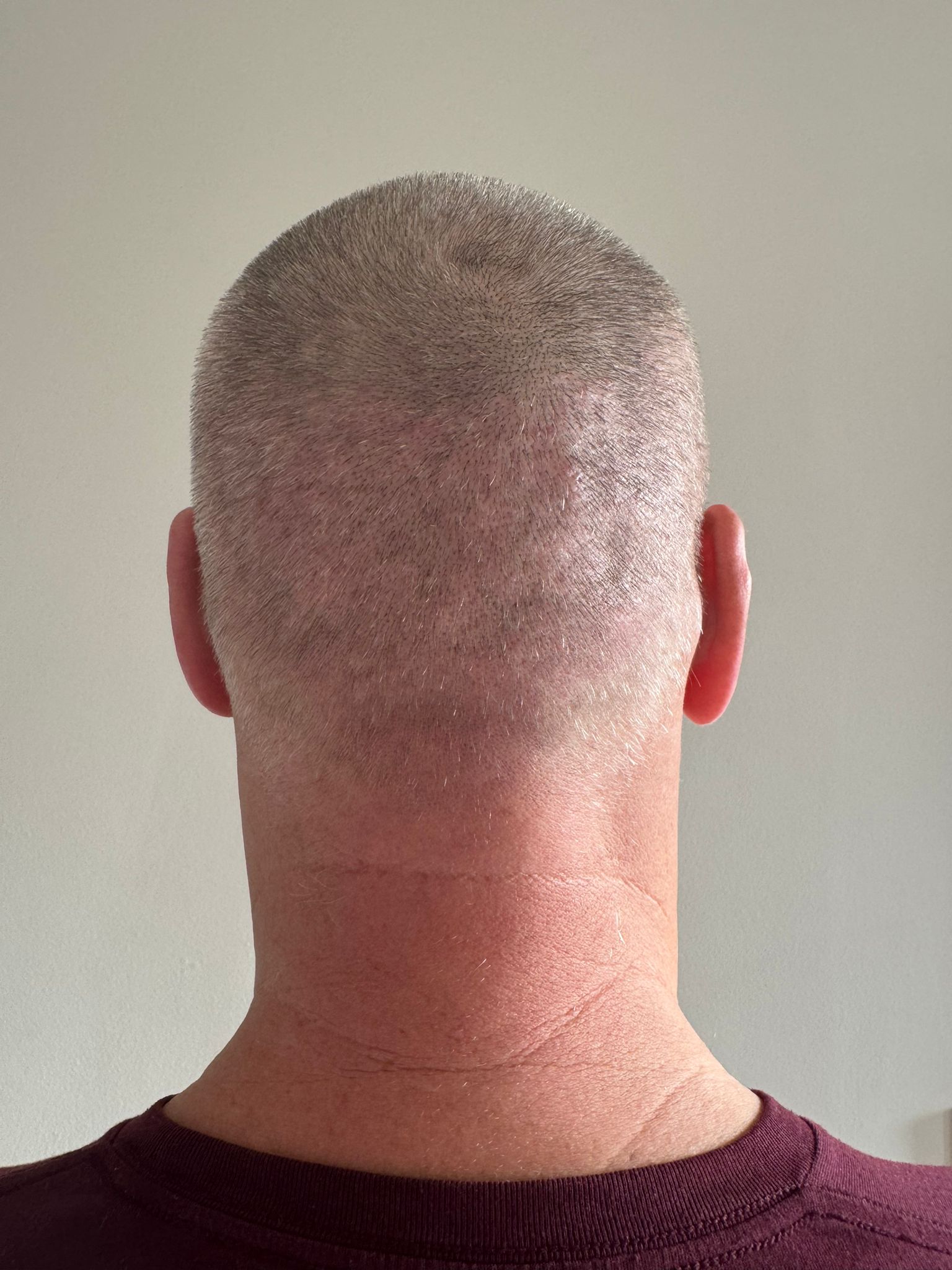 12 Weeks
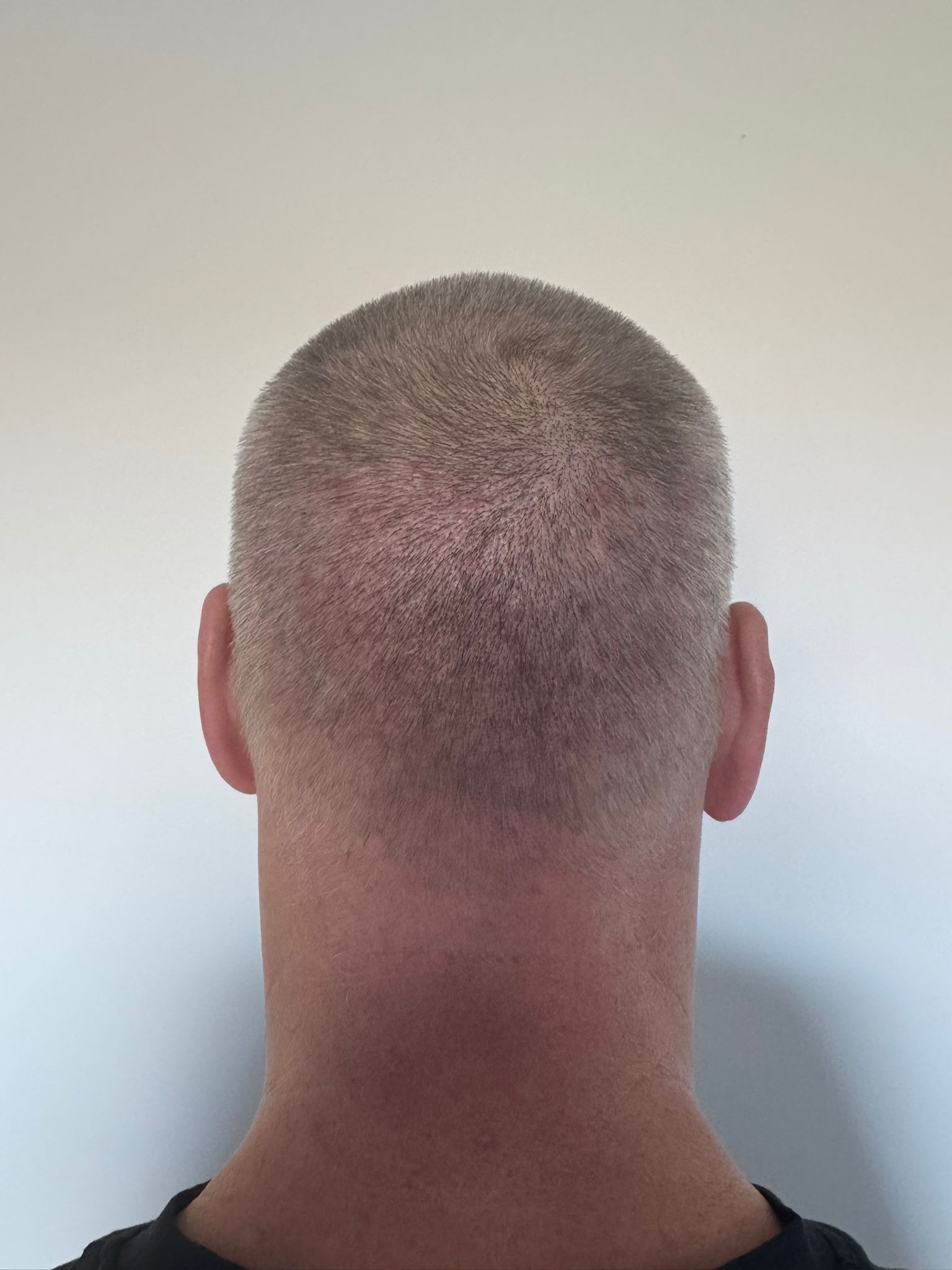 20 Weeks
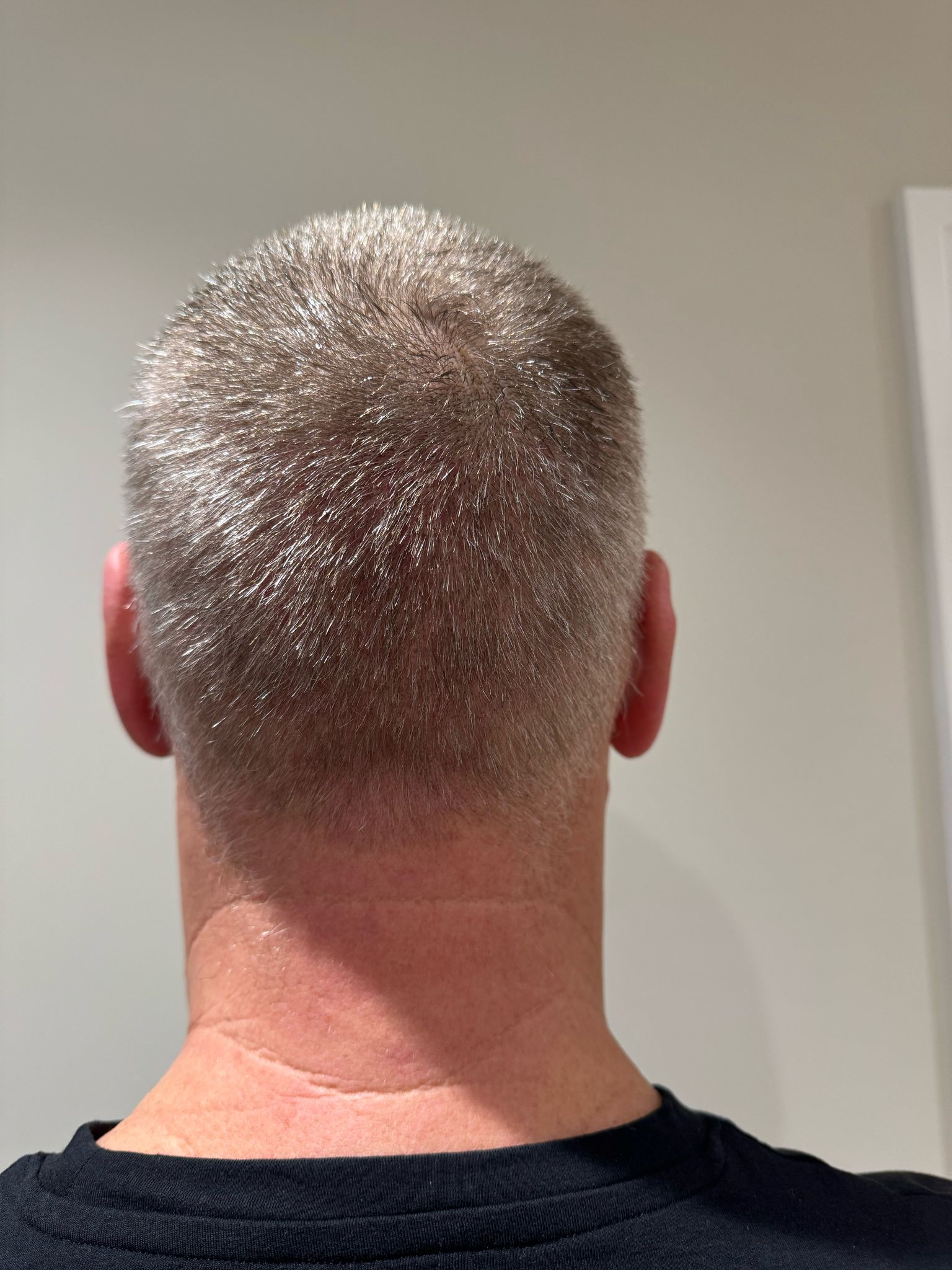 28 Weeks
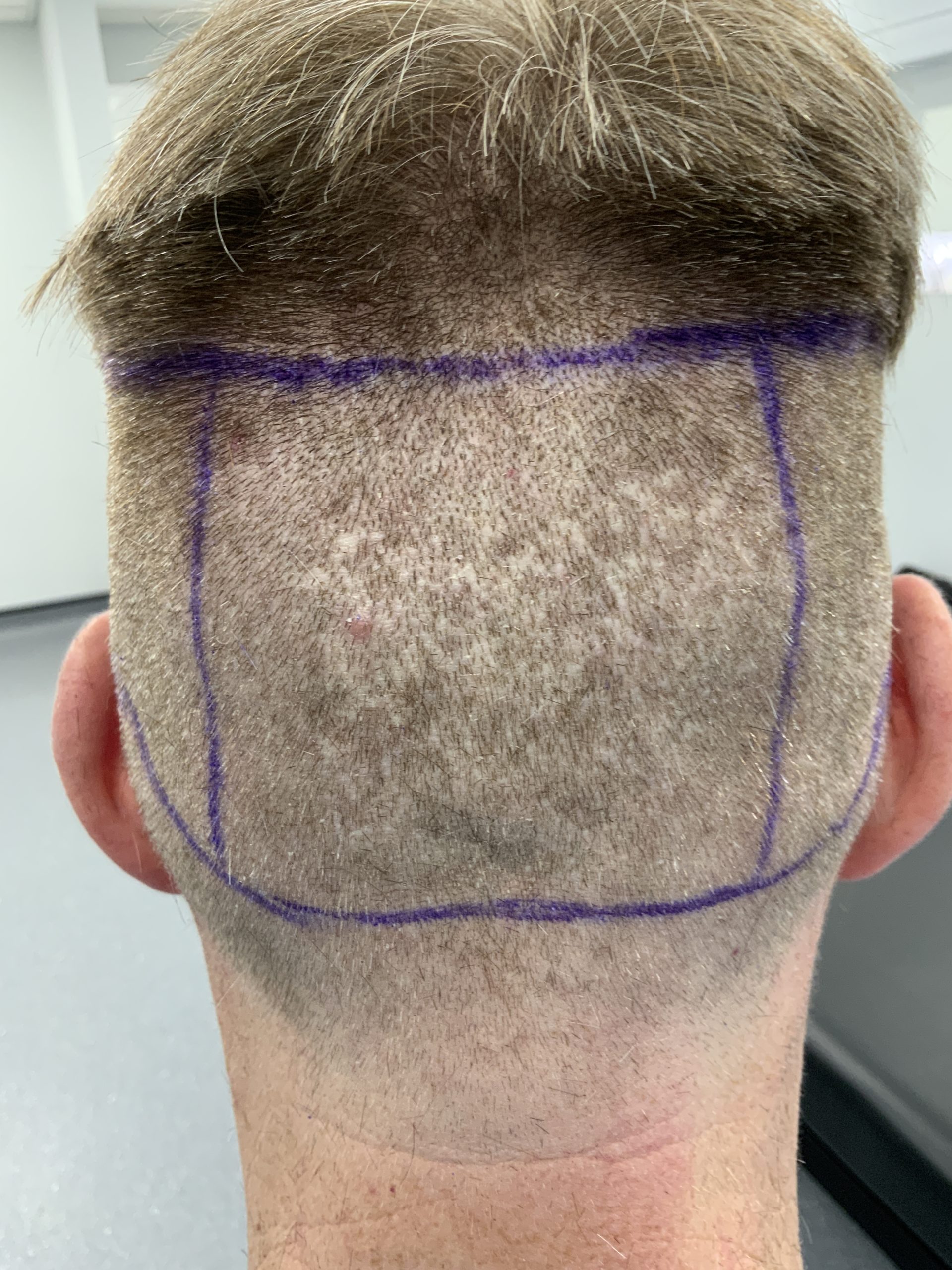 Before the surgery
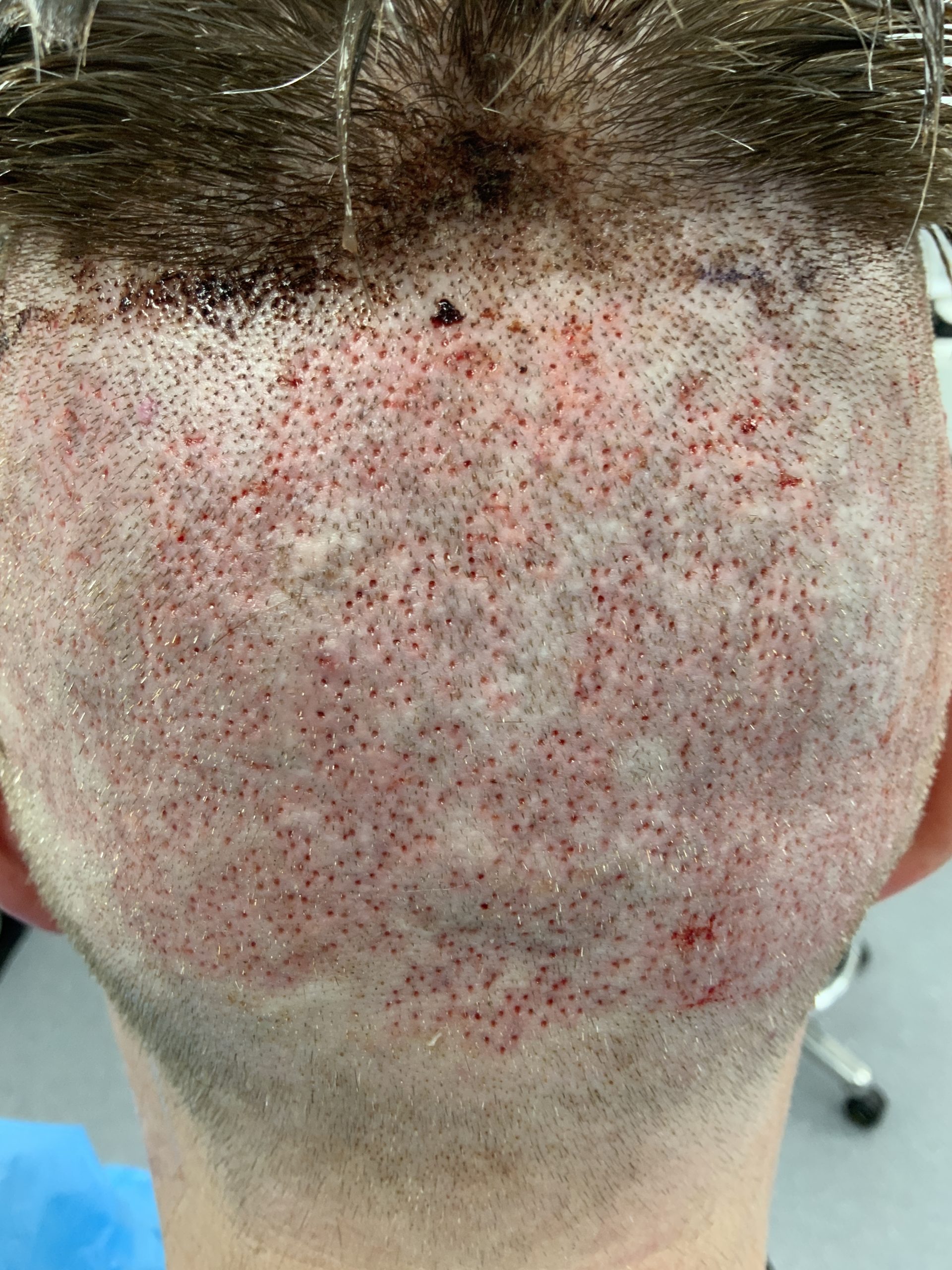 On the day of the surgery
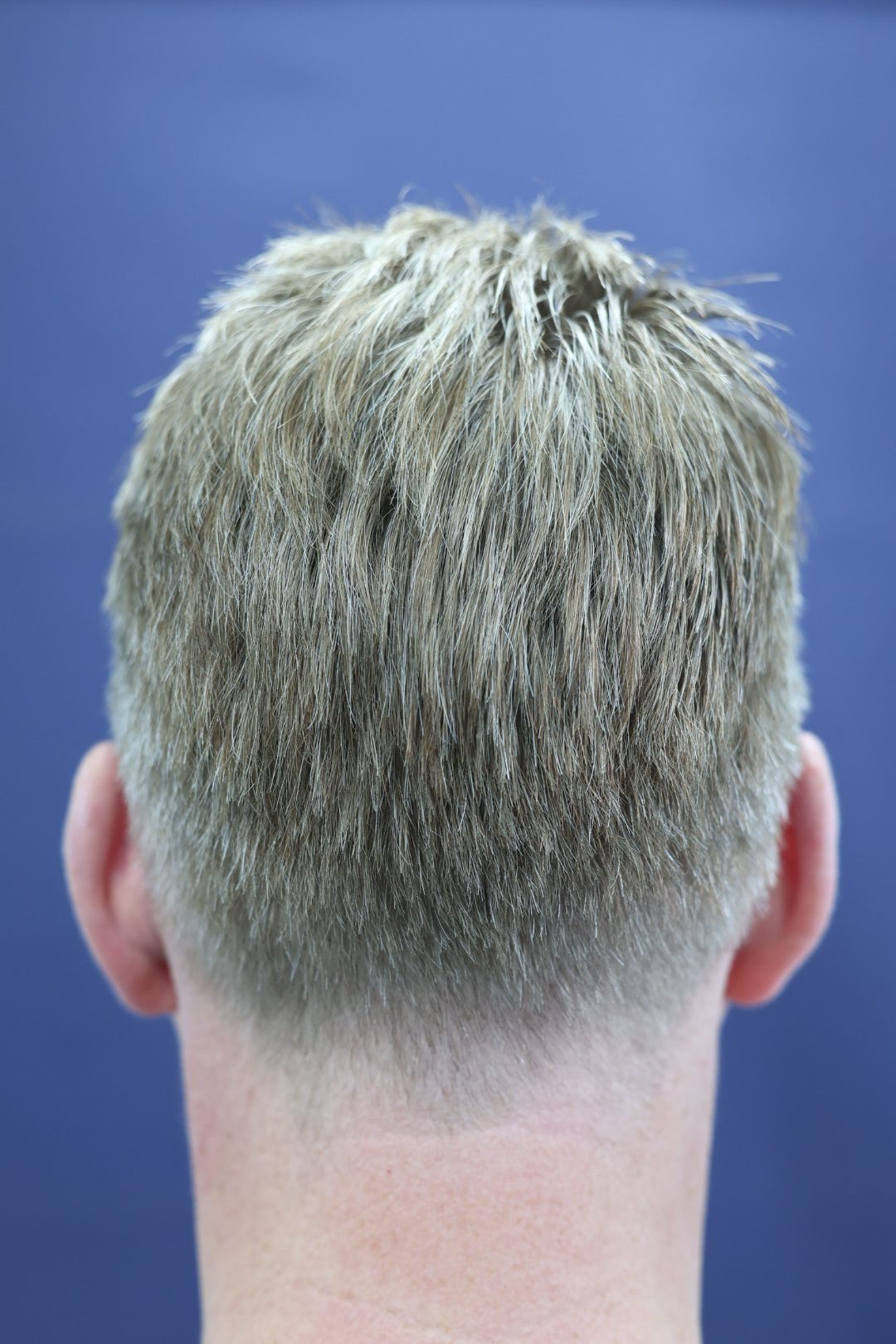 10 Months after the surgery
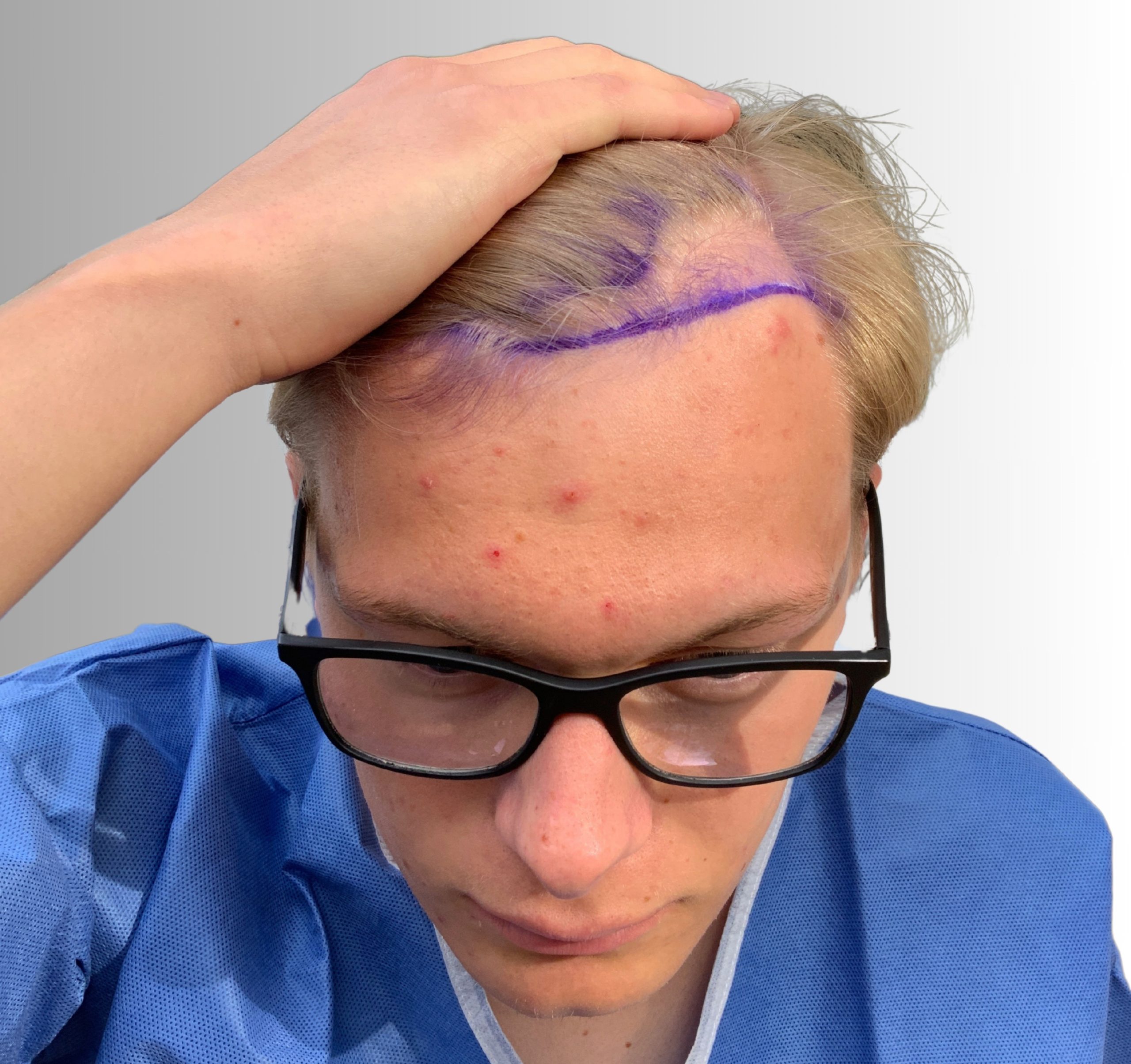 Before the surgery
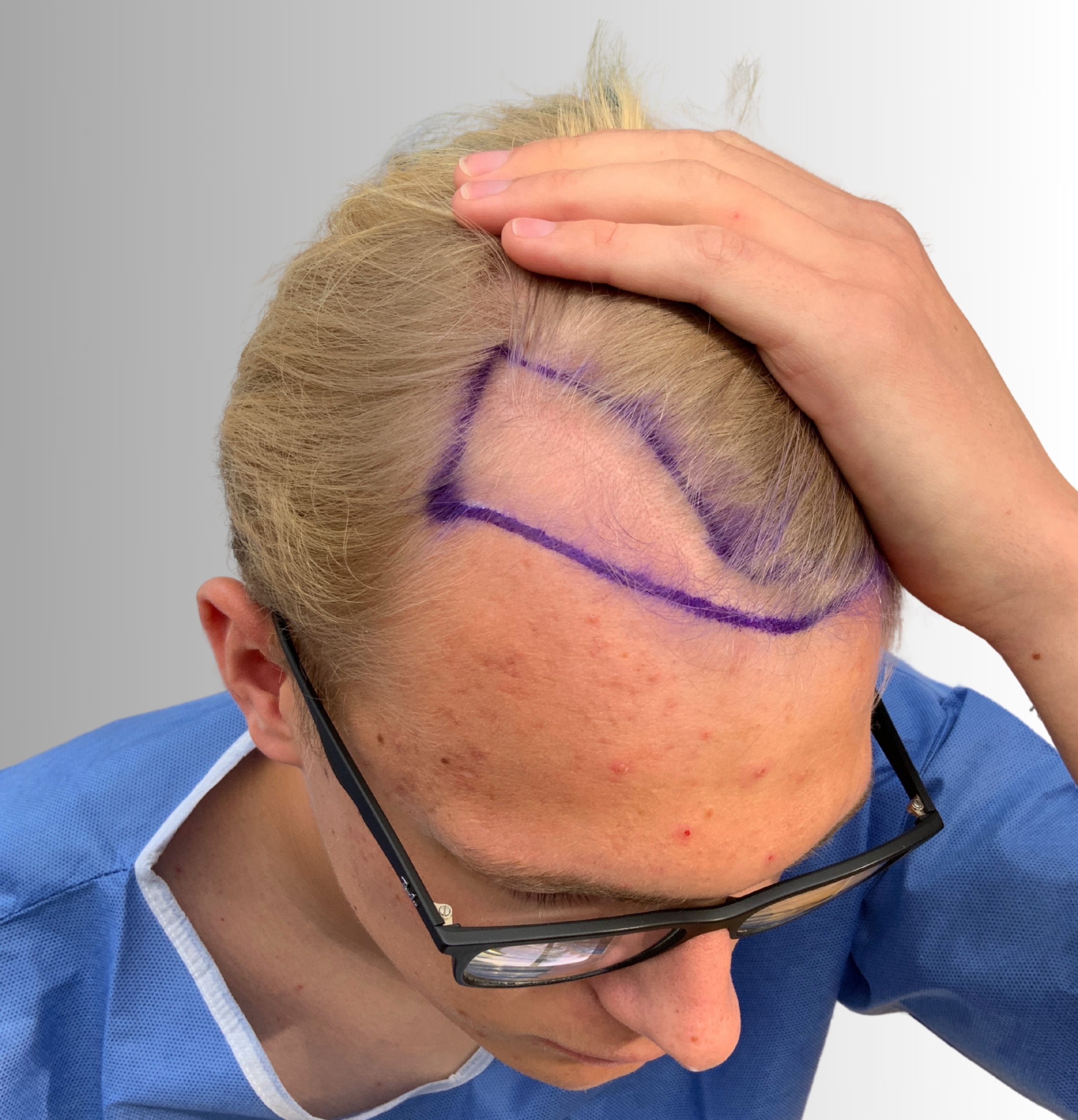 Before the surgery
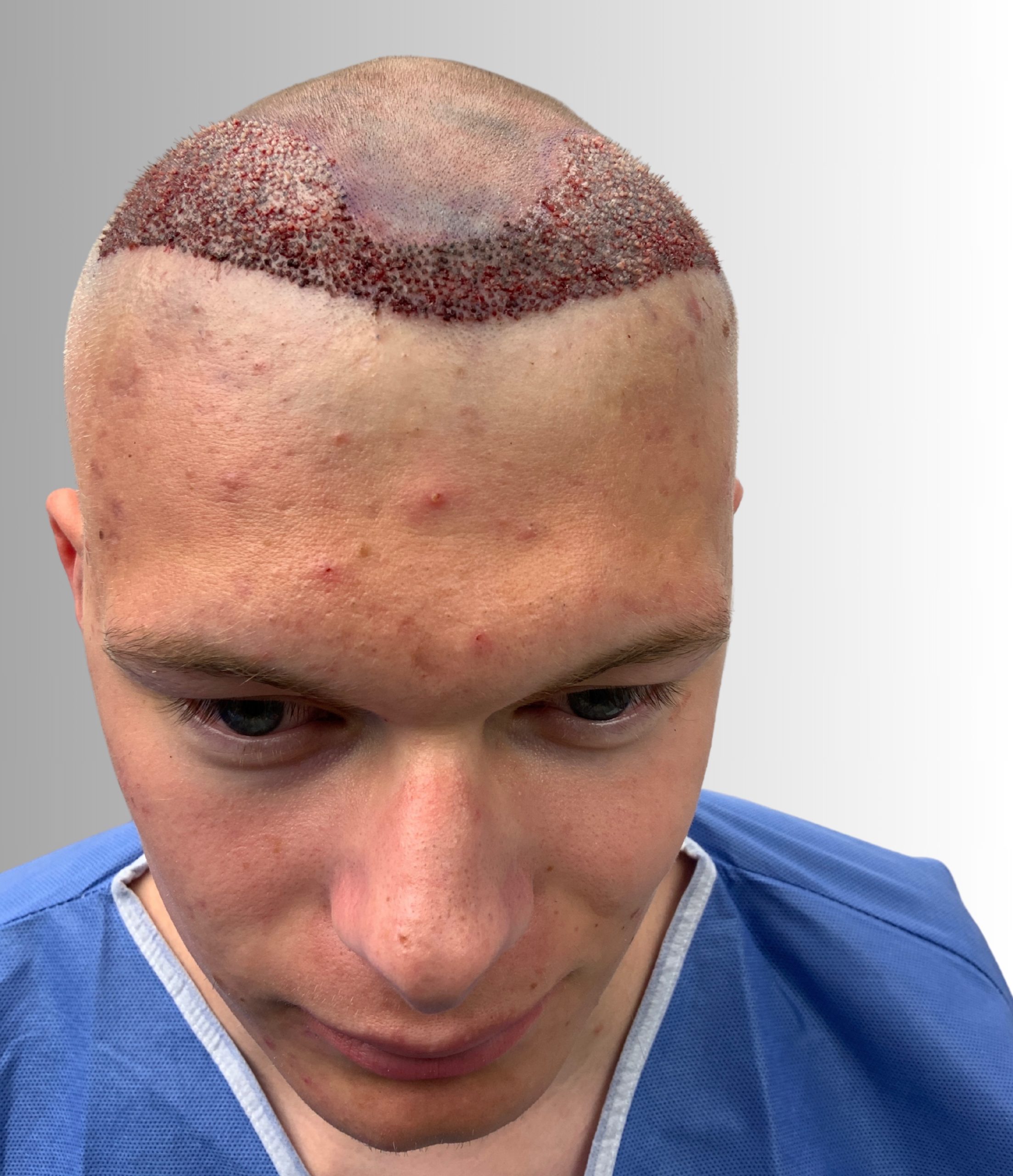 On the day of the surgery
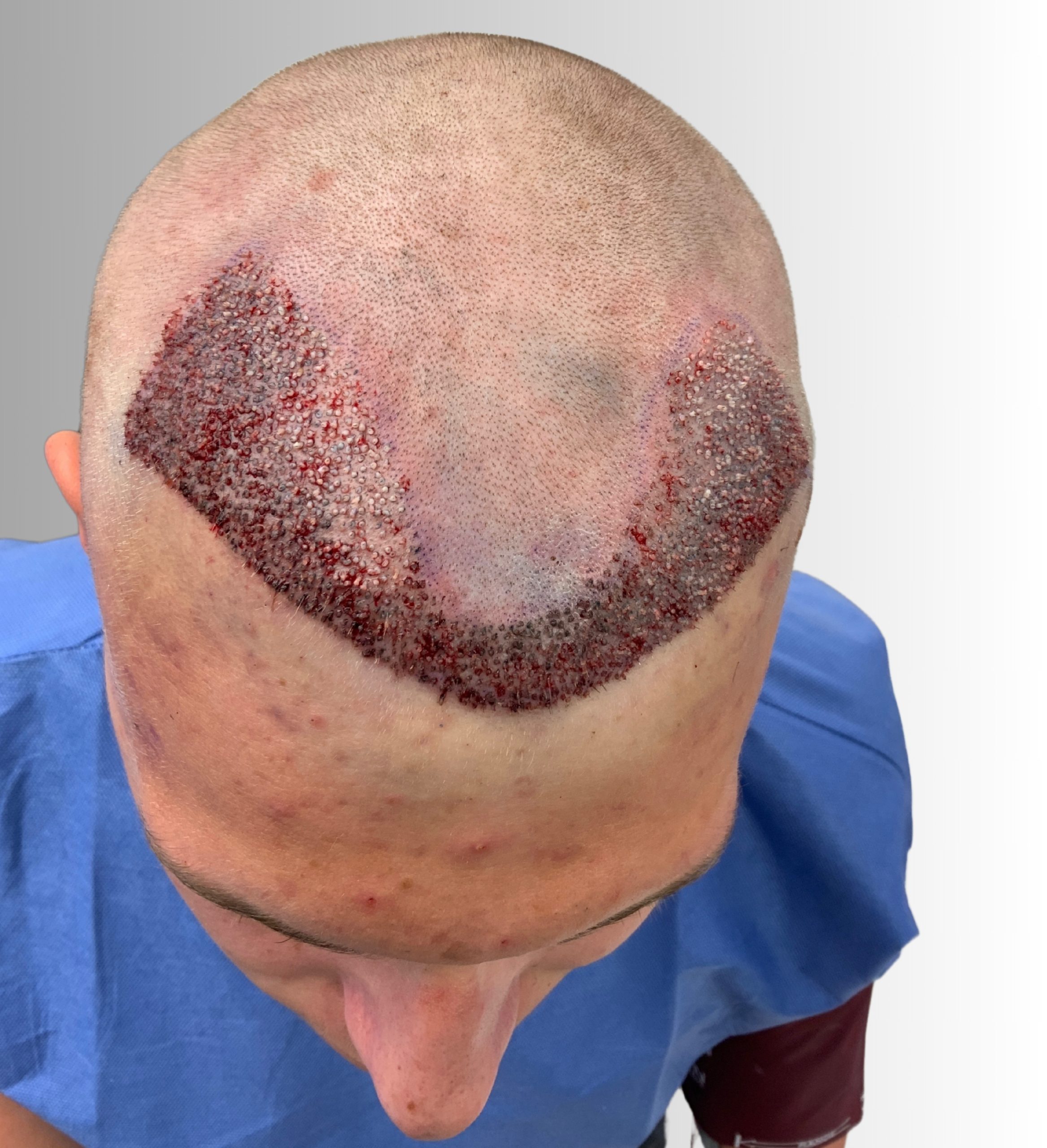 On the day of the surgery
 After 15 months
 After 15 months
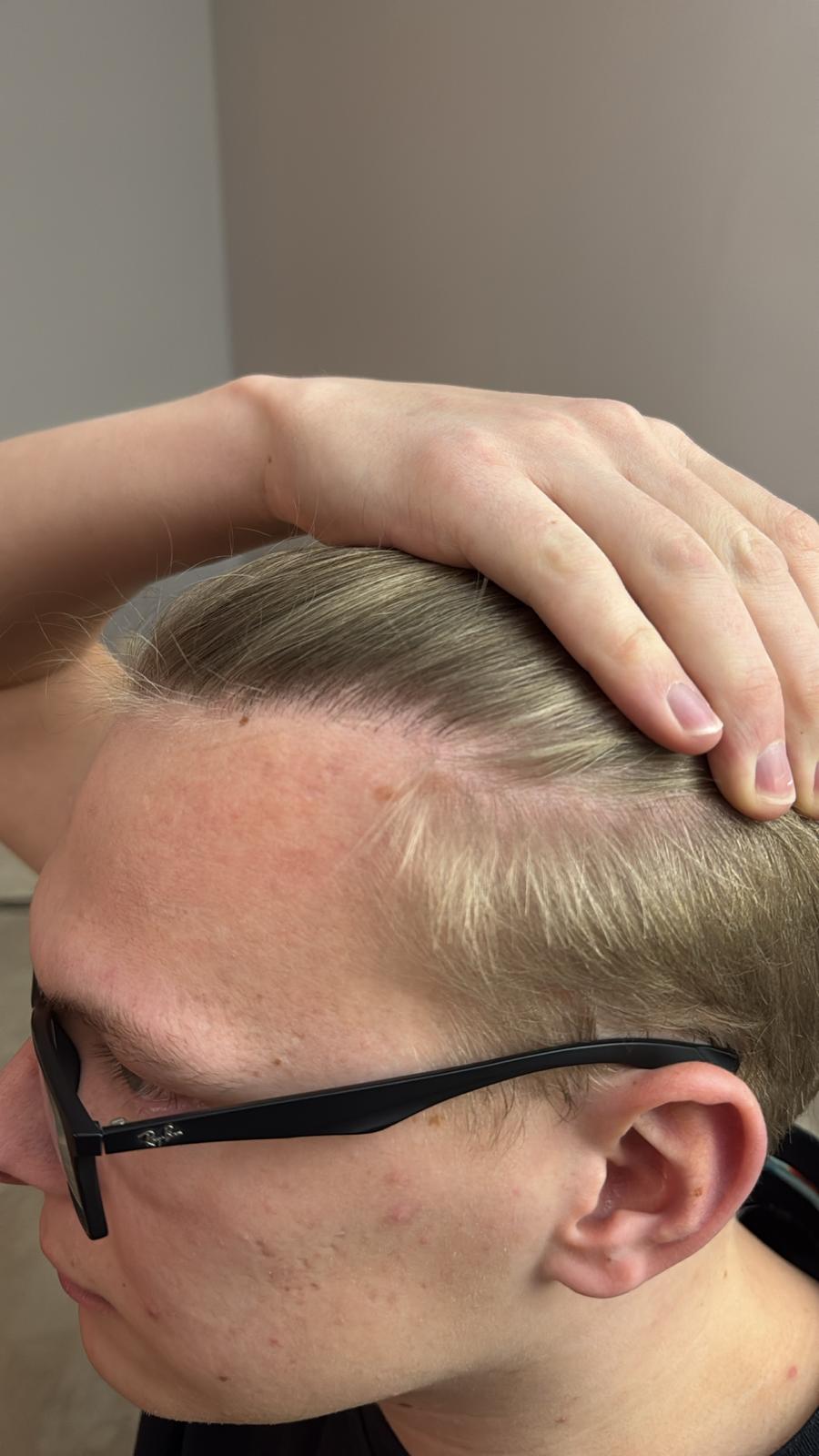 After 15 months
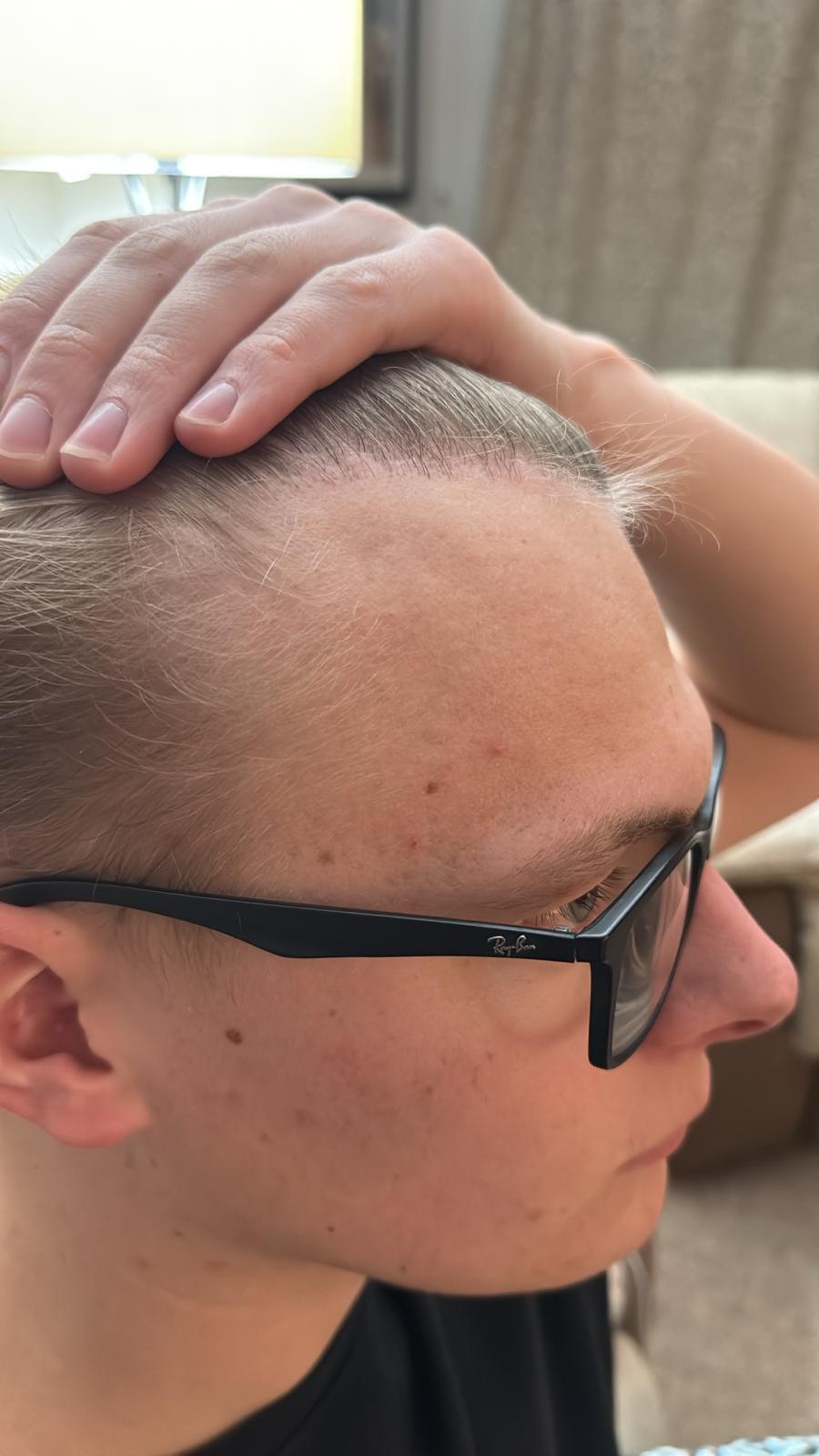 After 15 months
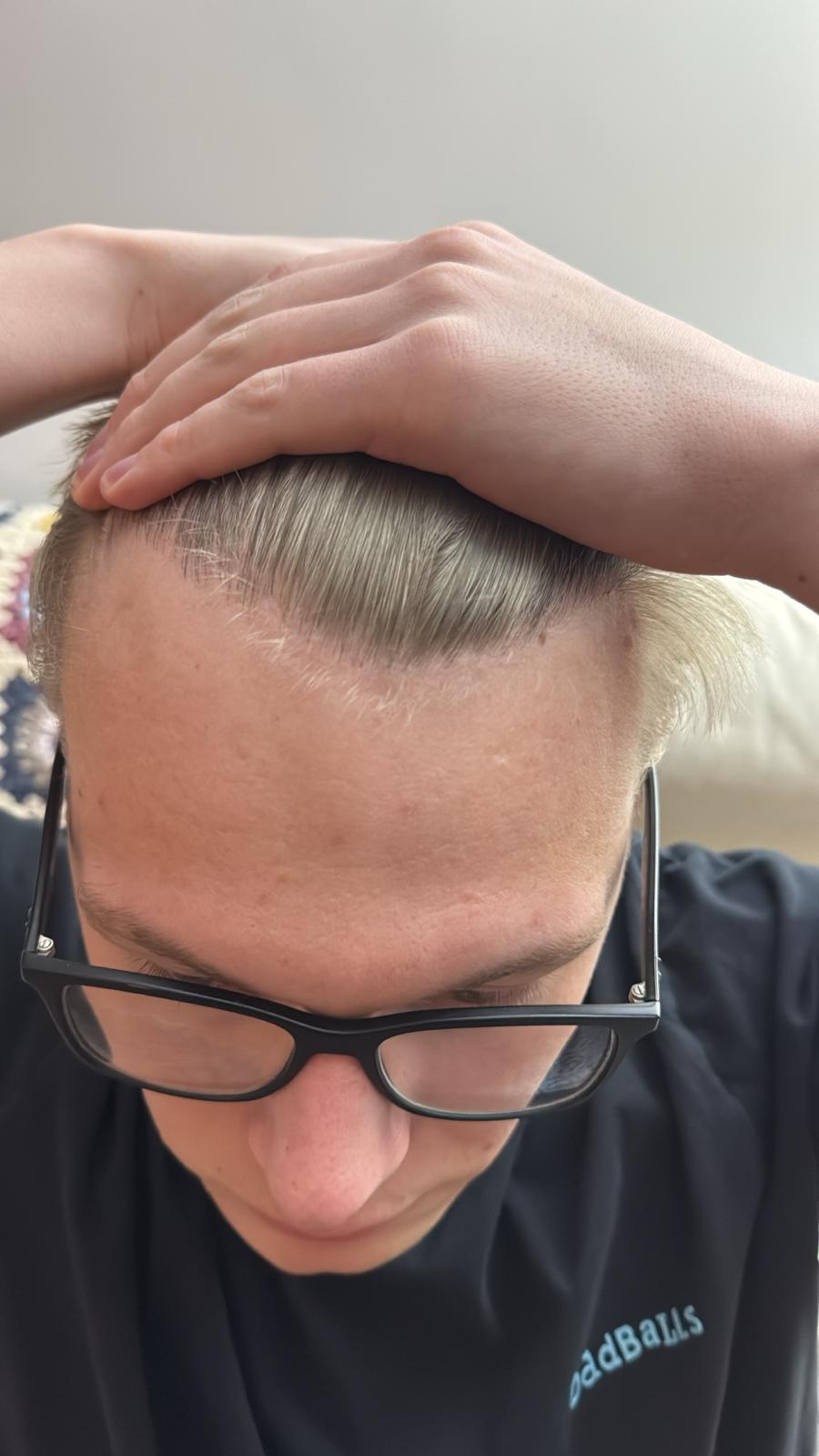 After 15 months
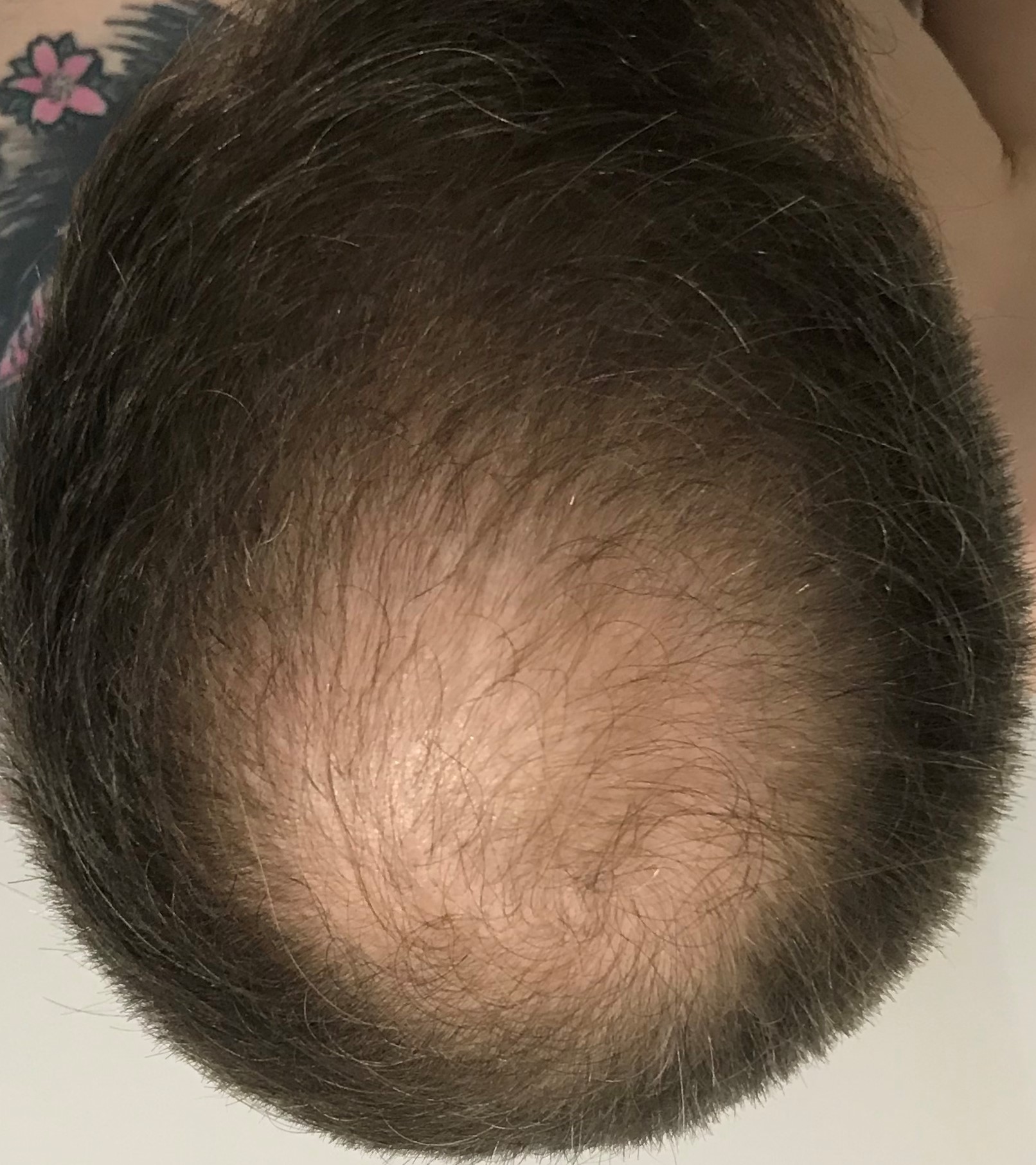 Before the surgery
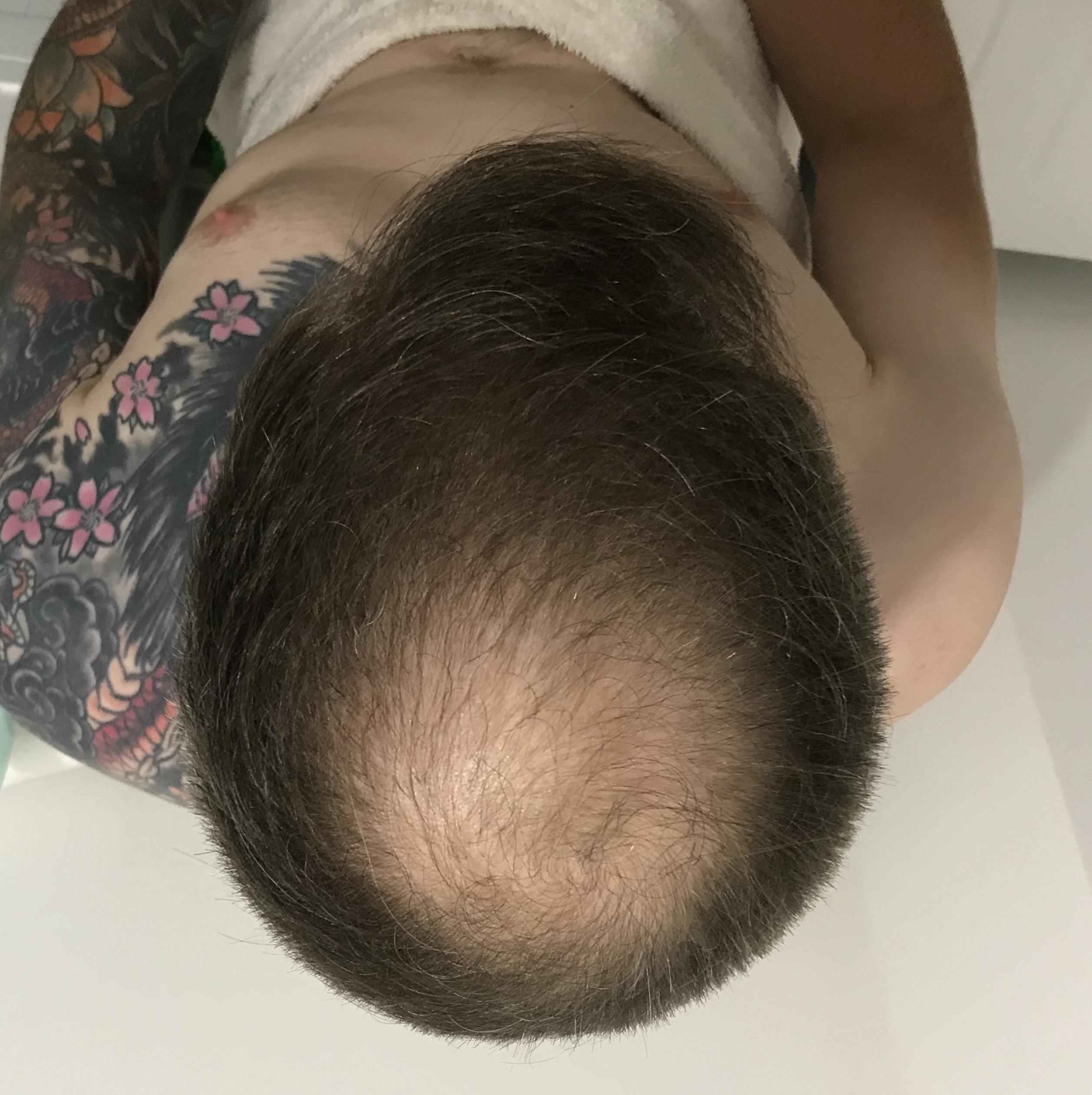 Before the surgery
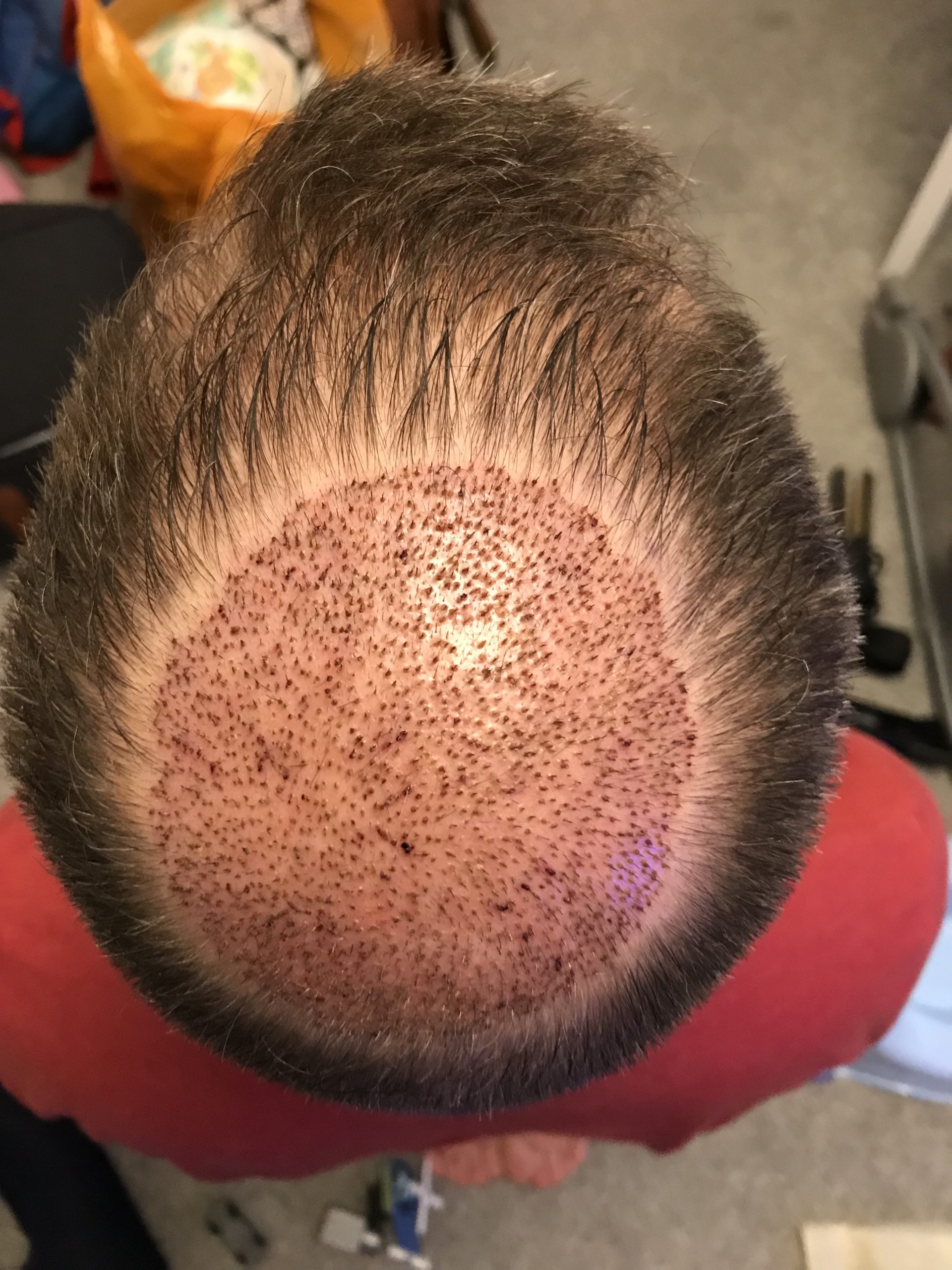 On the day of the surgery
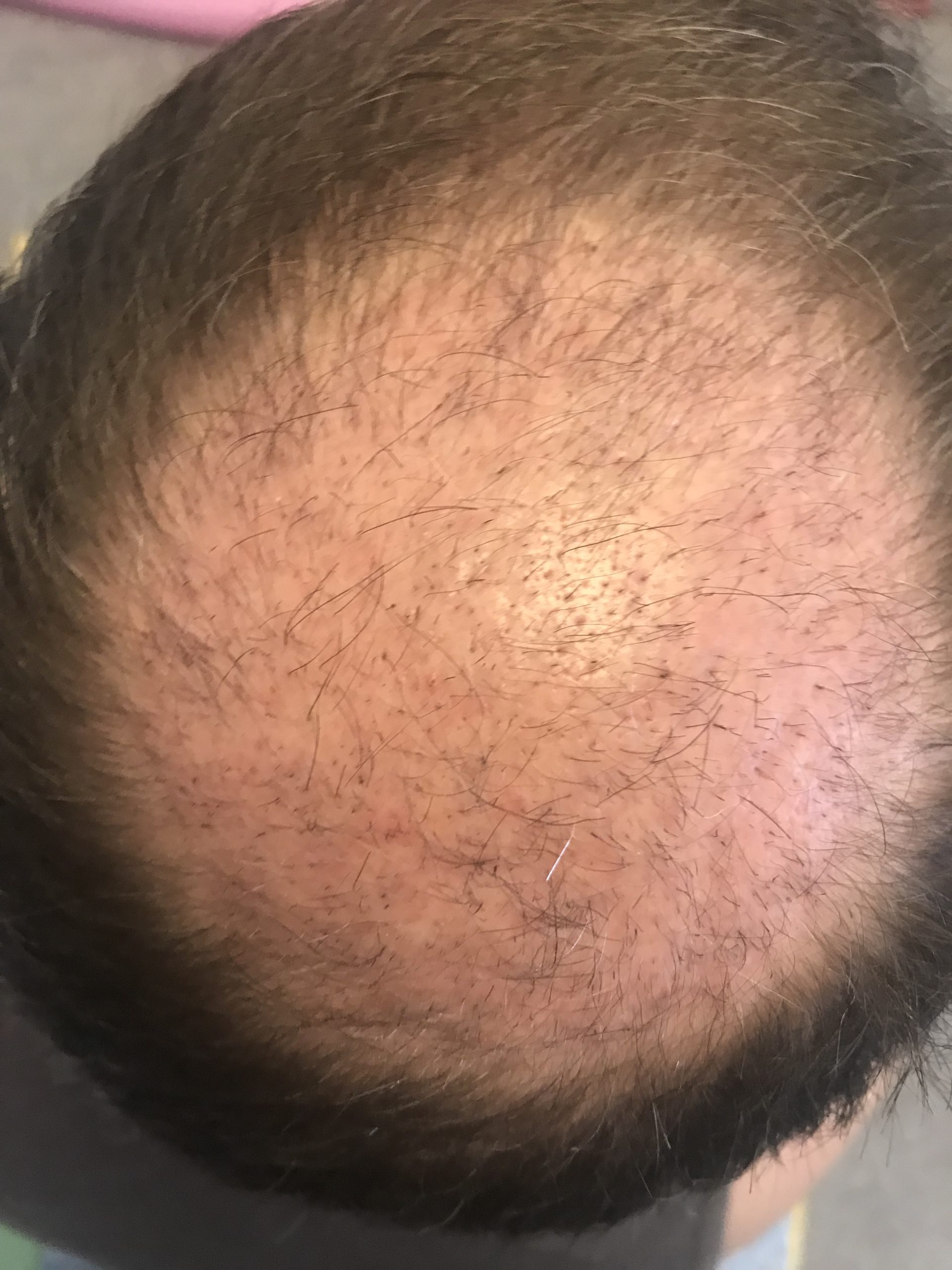 4 Months after the surgery.
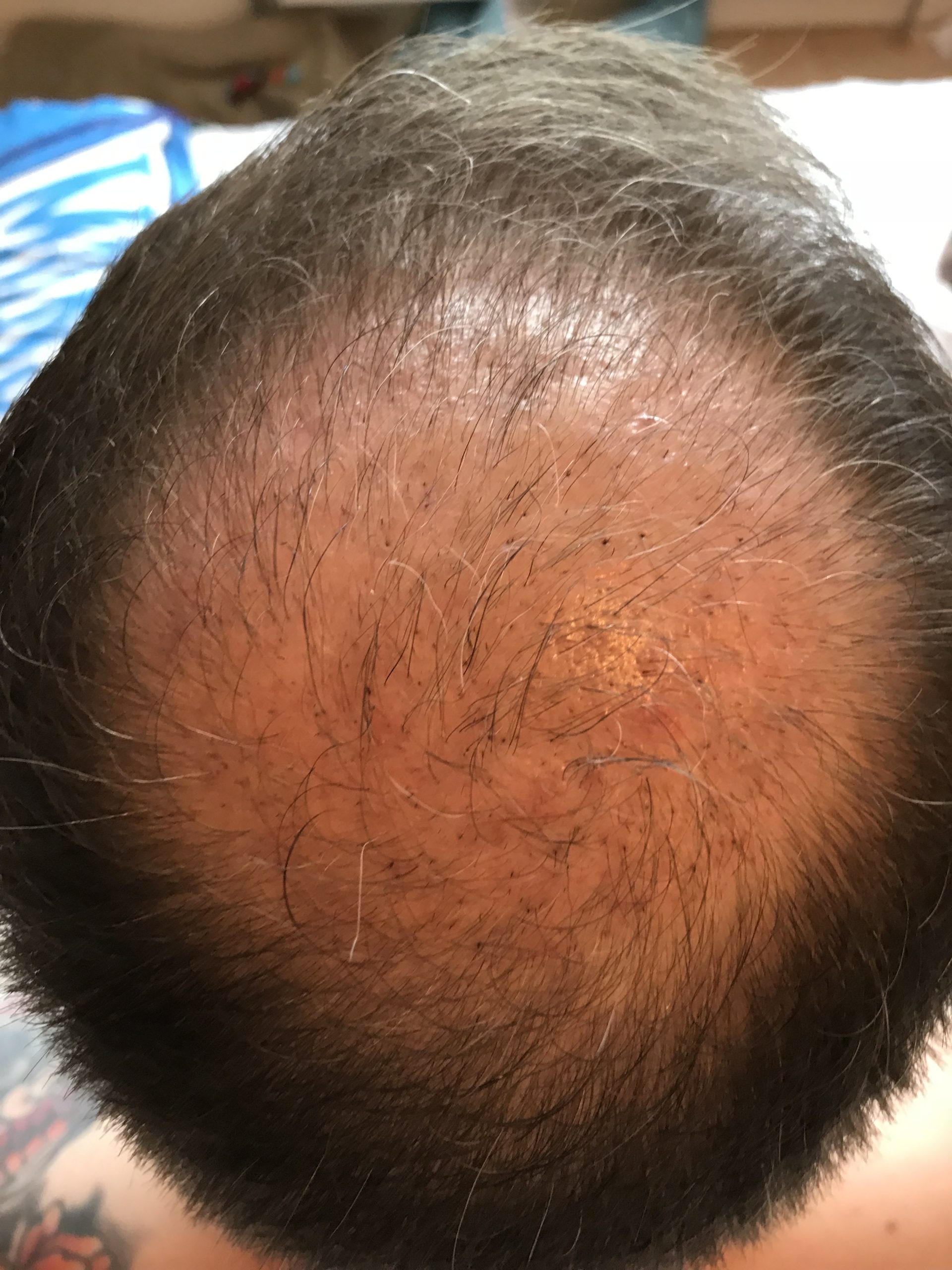 5 Months after the surgery.
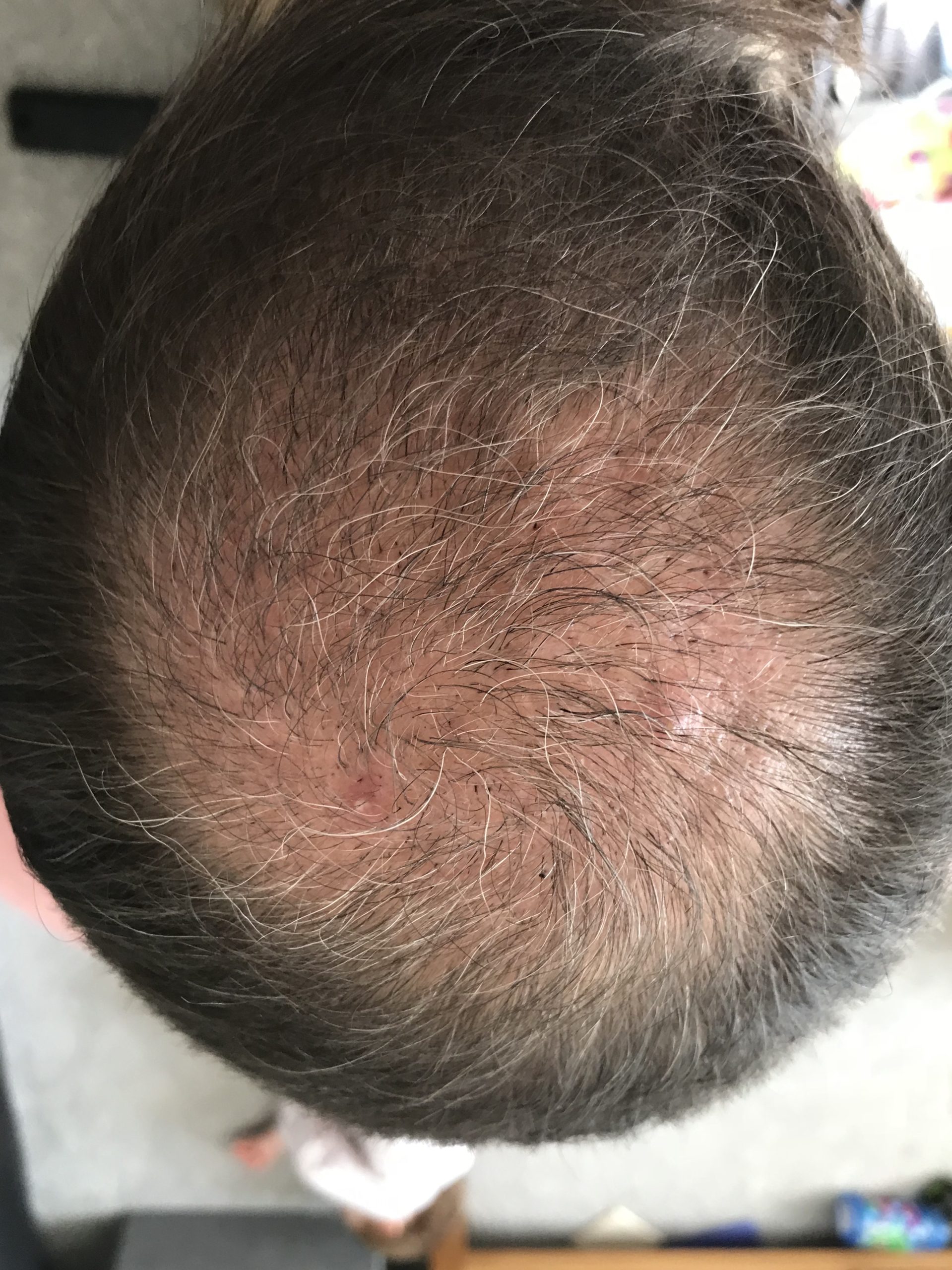 6 Months after the surgery.
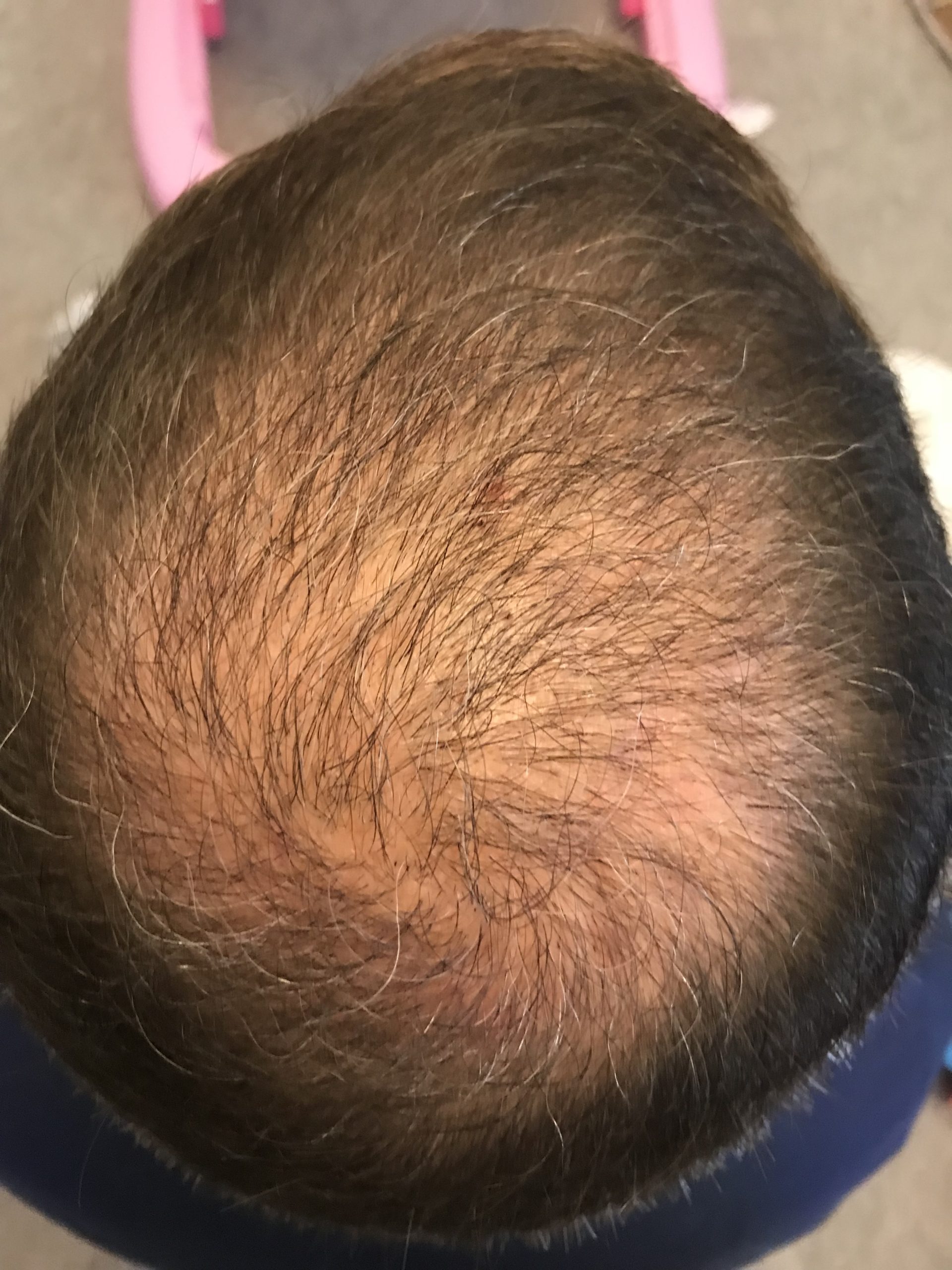 7 Months after the surgery.
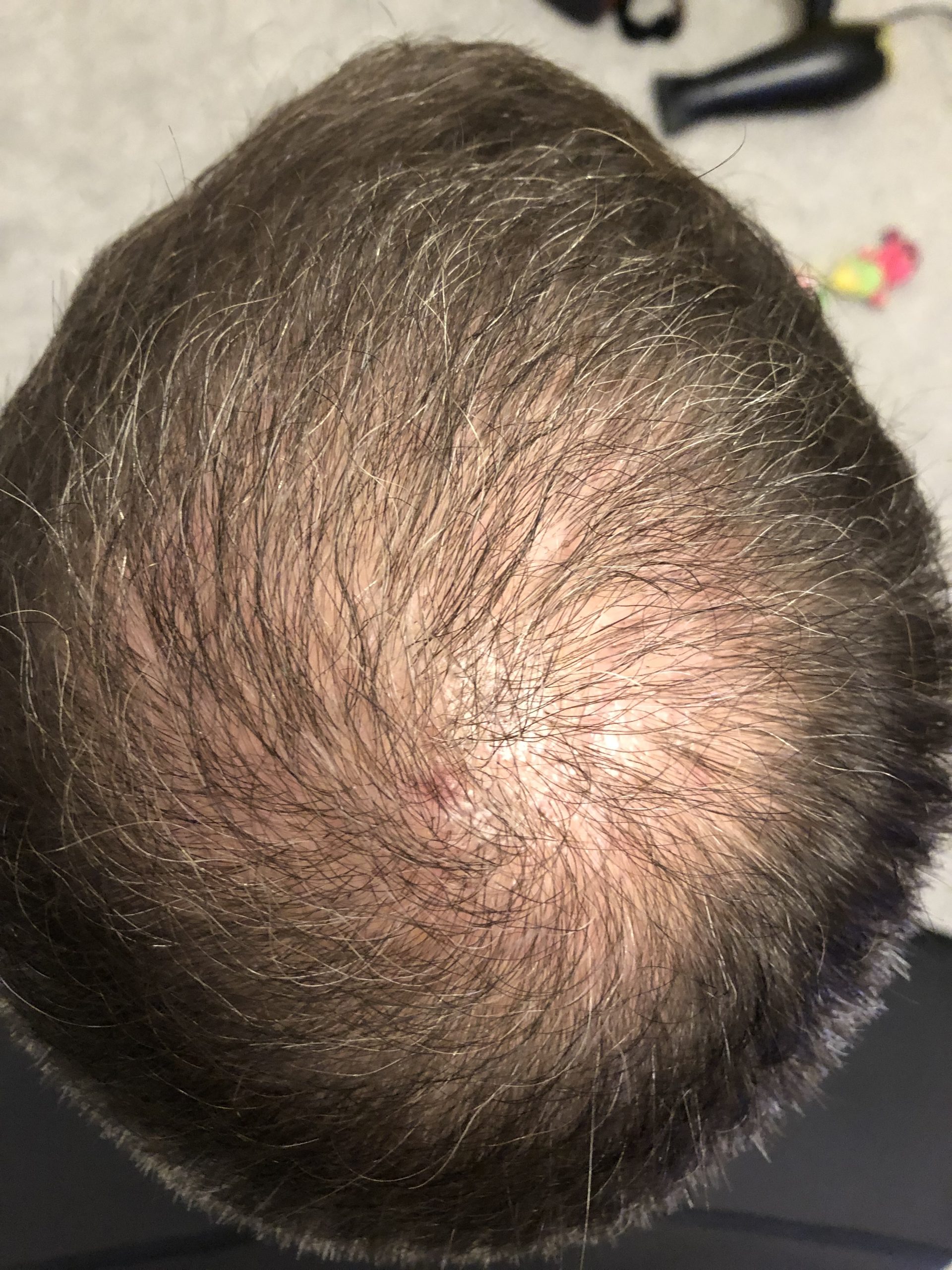 8 Months after the surgery.
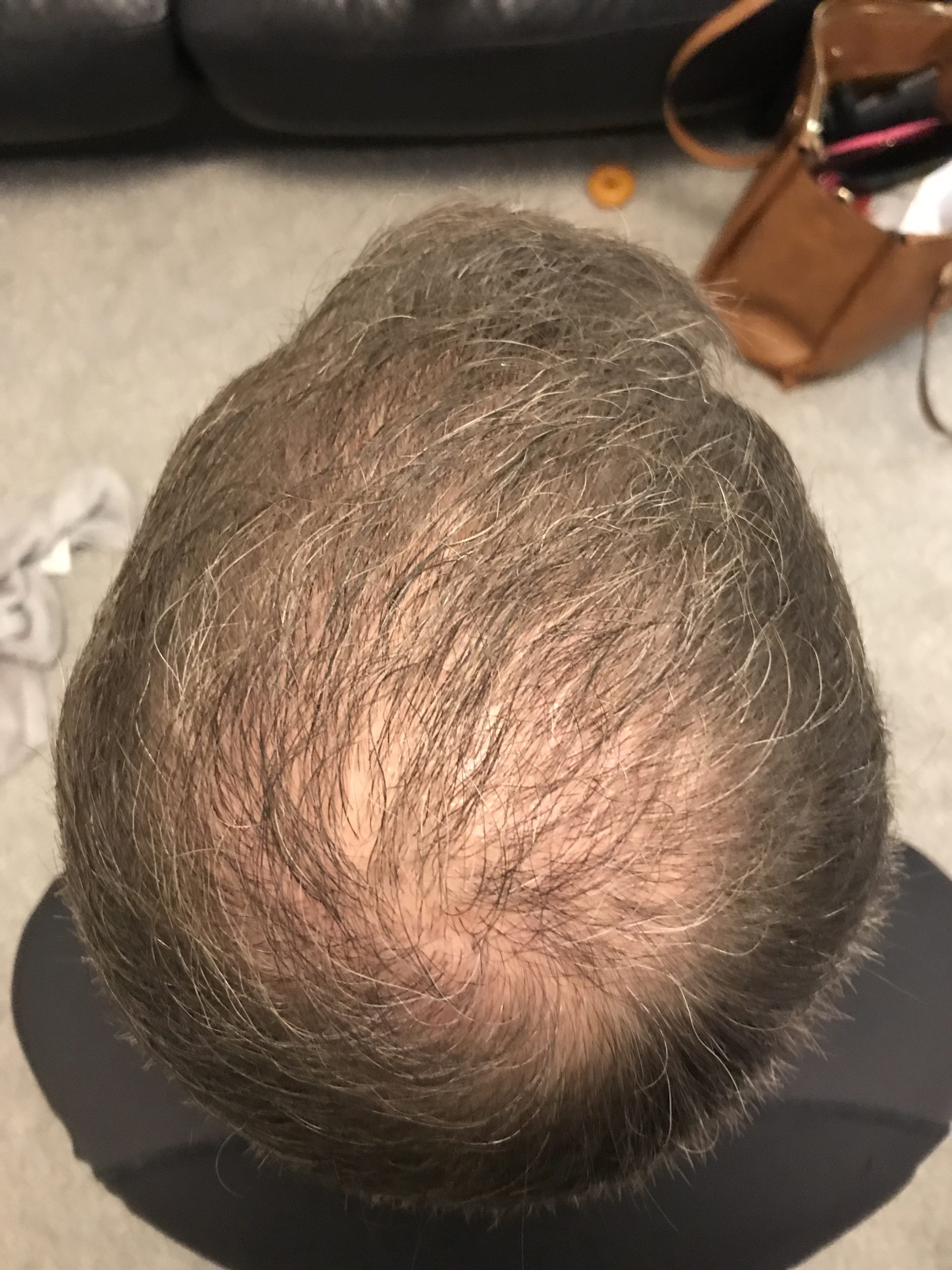 9 Months after the surgery.
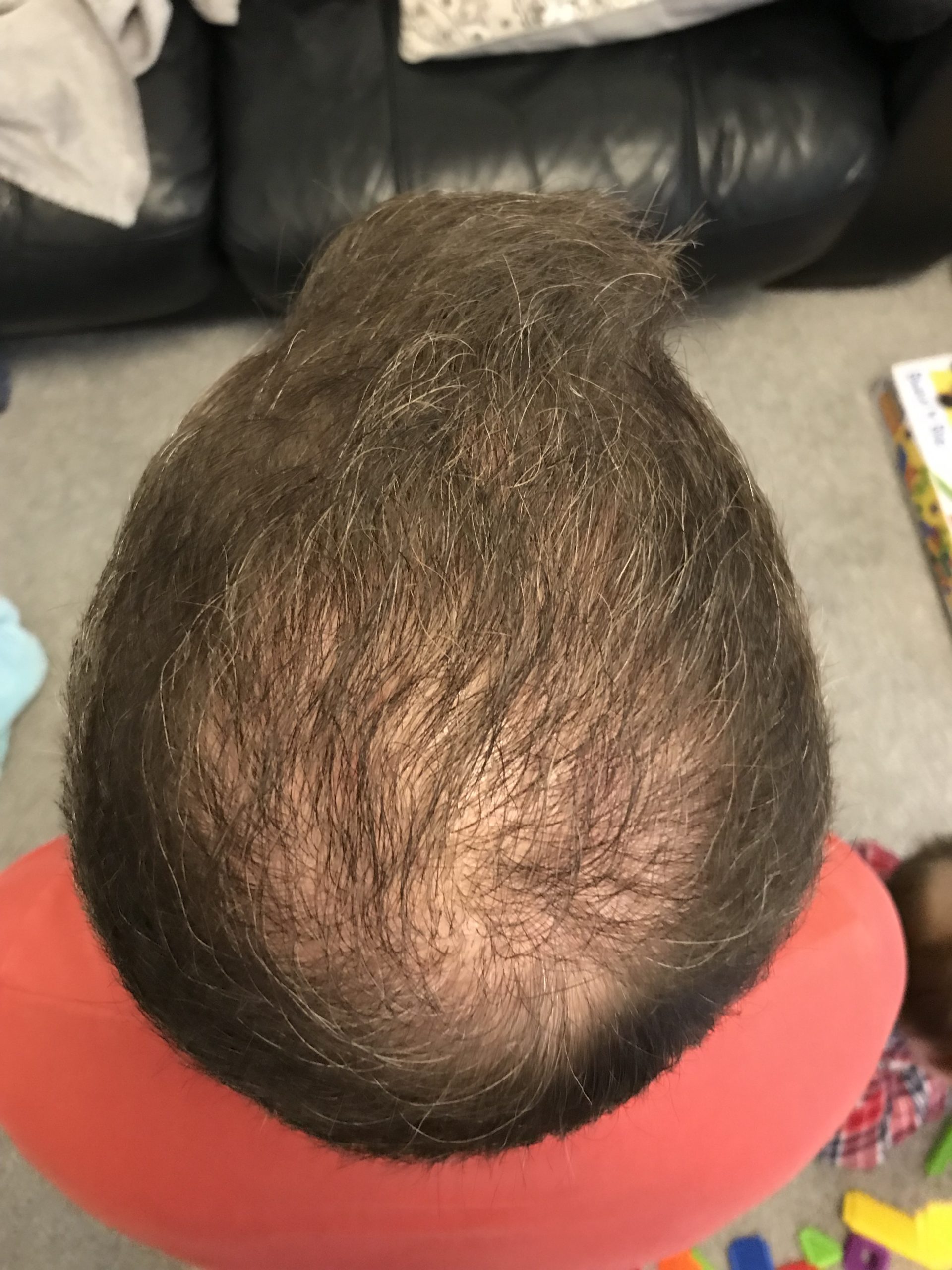 10 Months after the surgery.
 11 Months after the surgery.
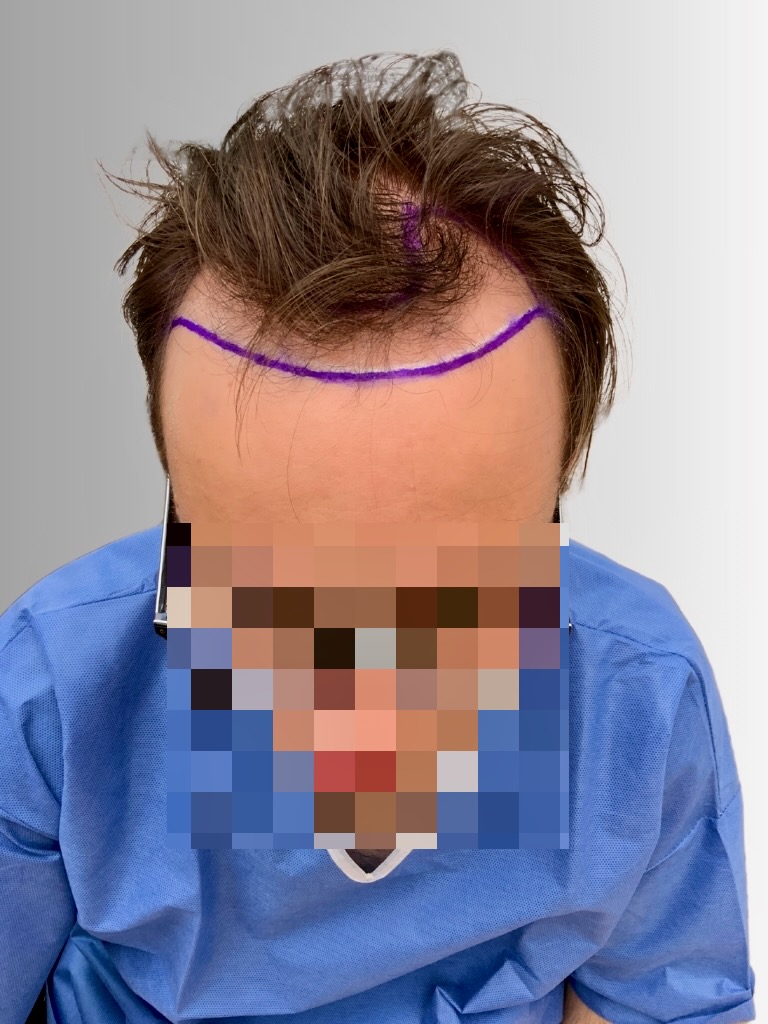 Before surgery
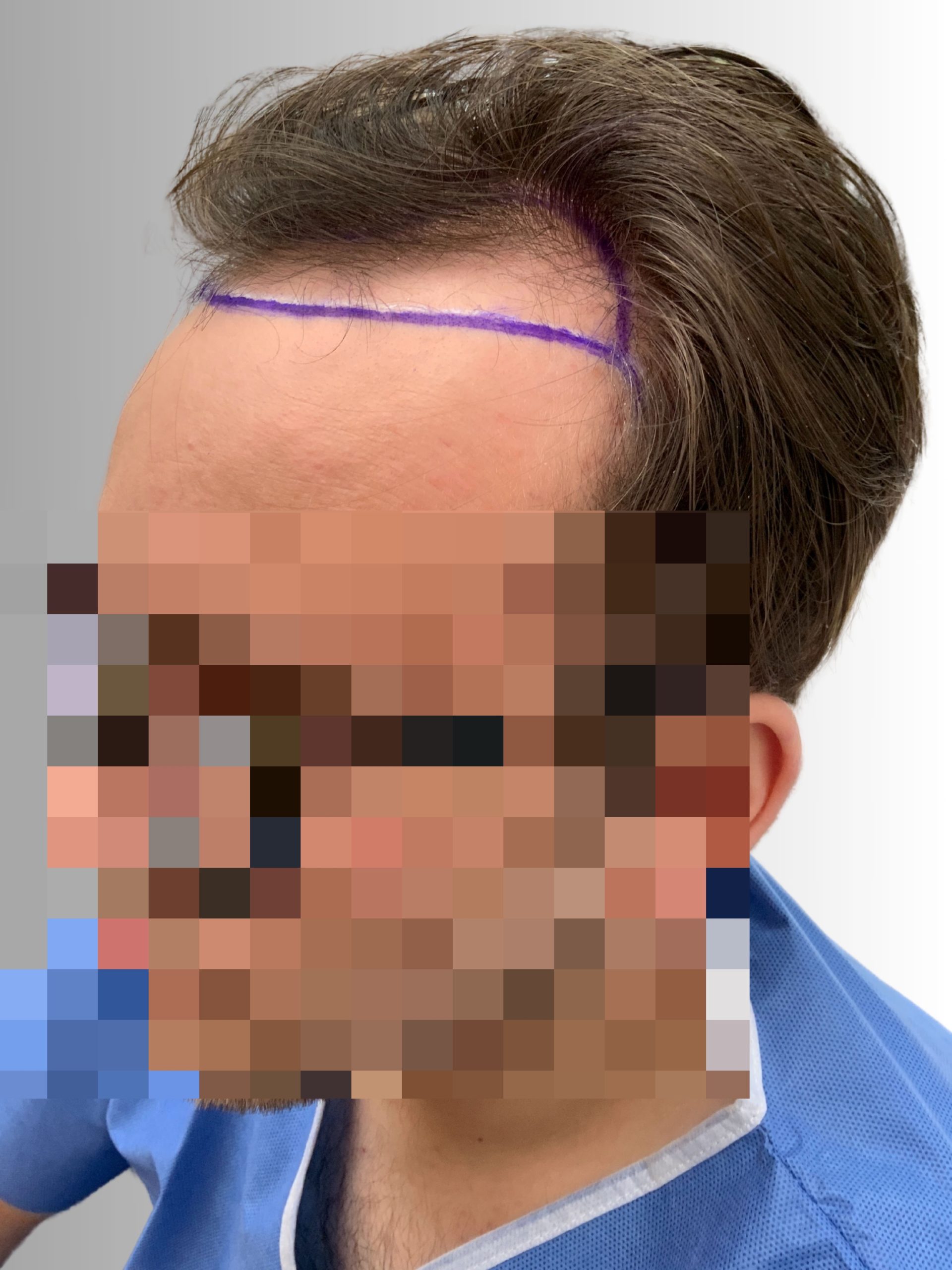 Before surgery
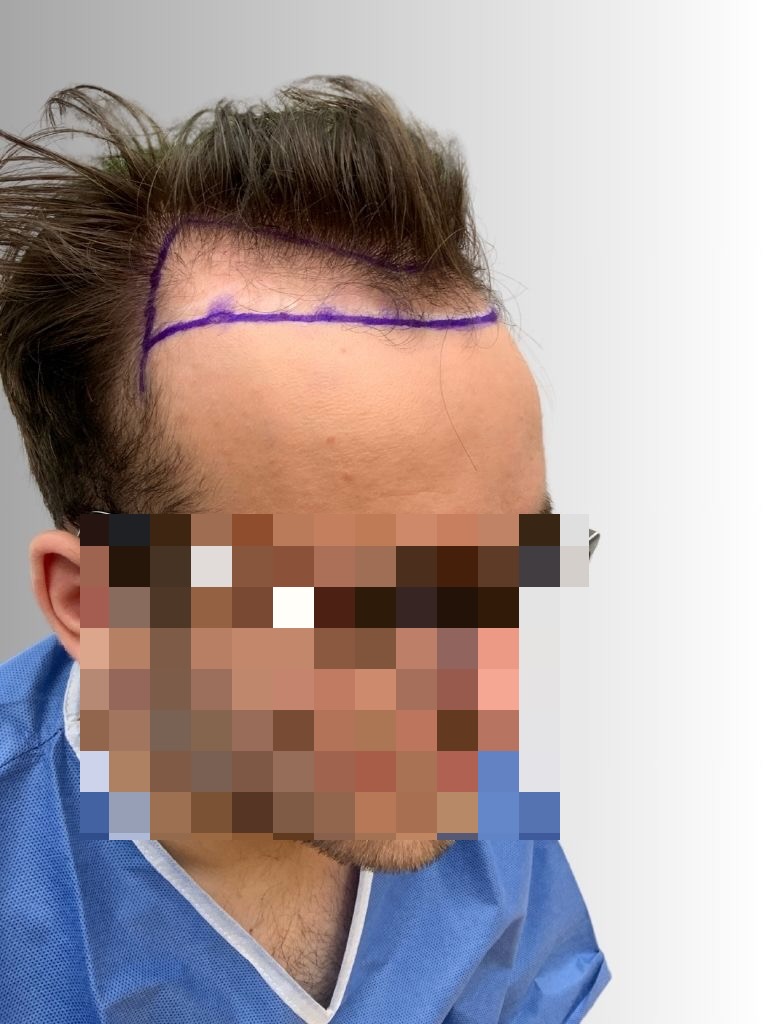 Before surgery
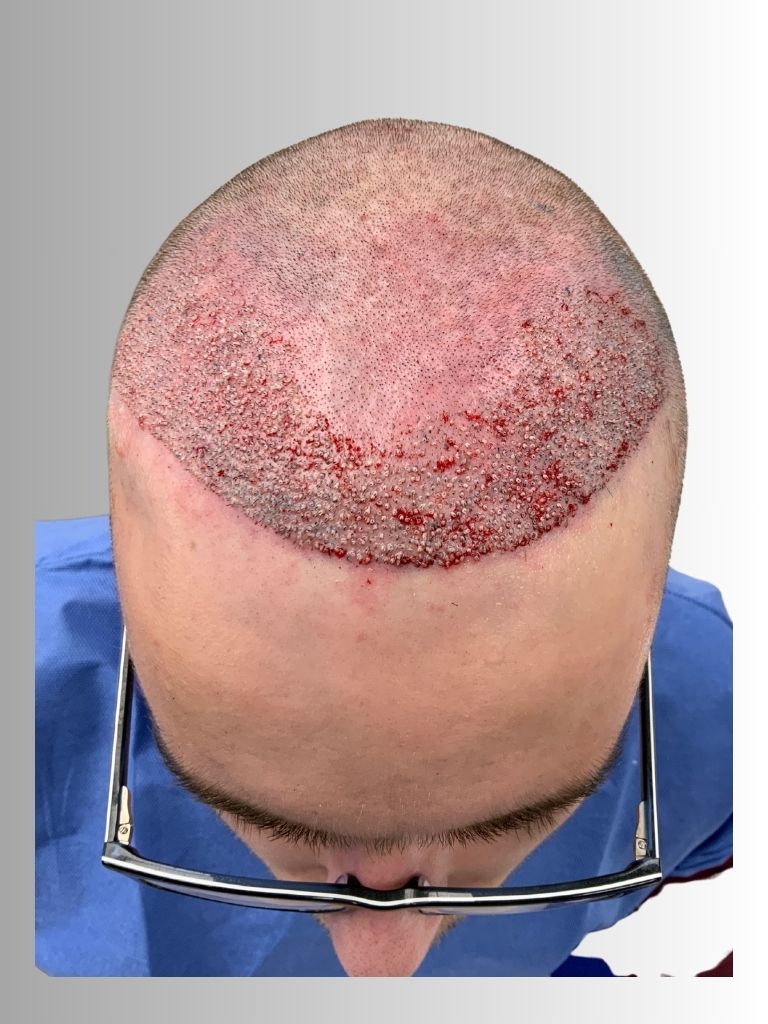 On the day of surgery
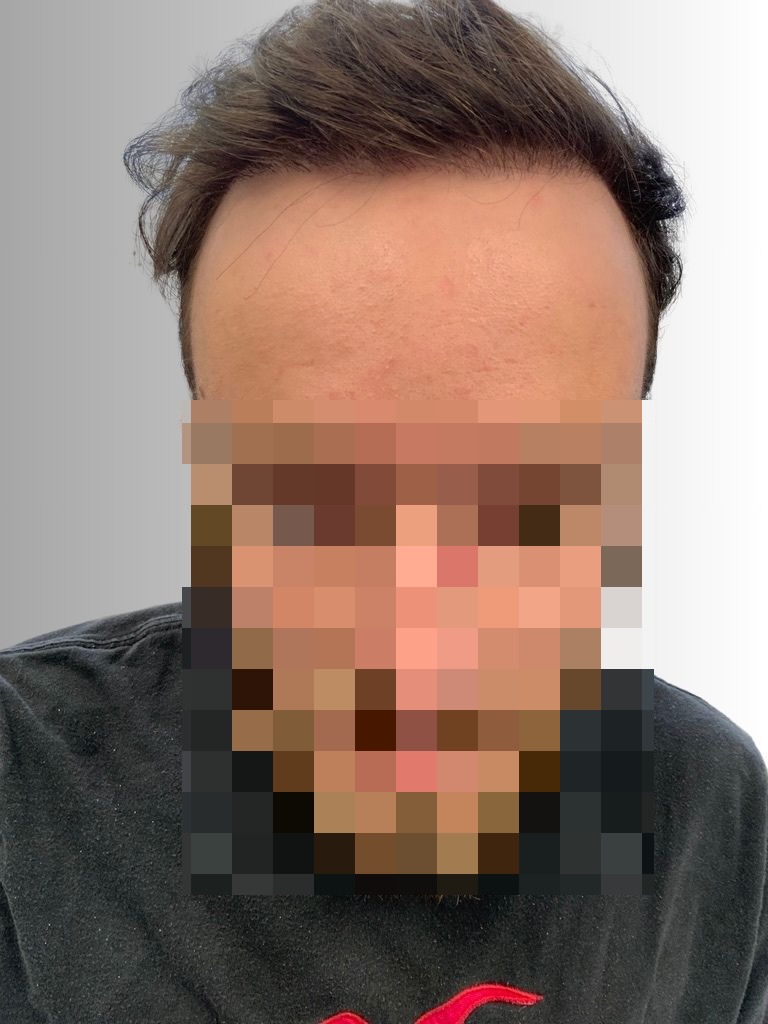 10 months after surgery.
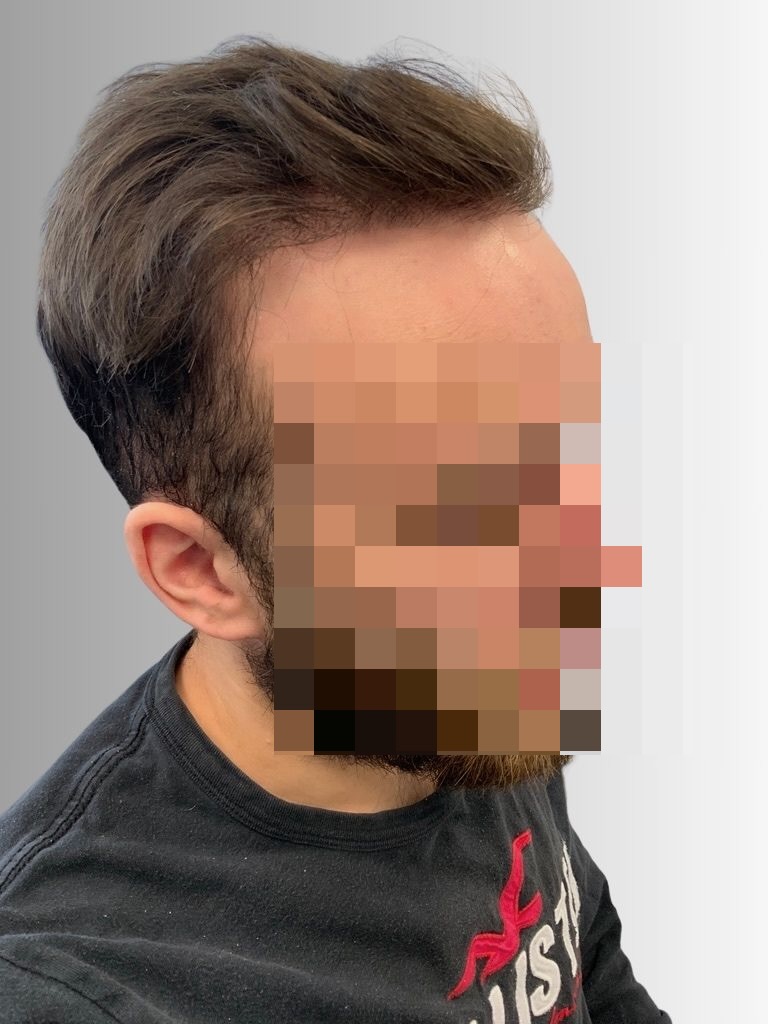 10 months after surgery.
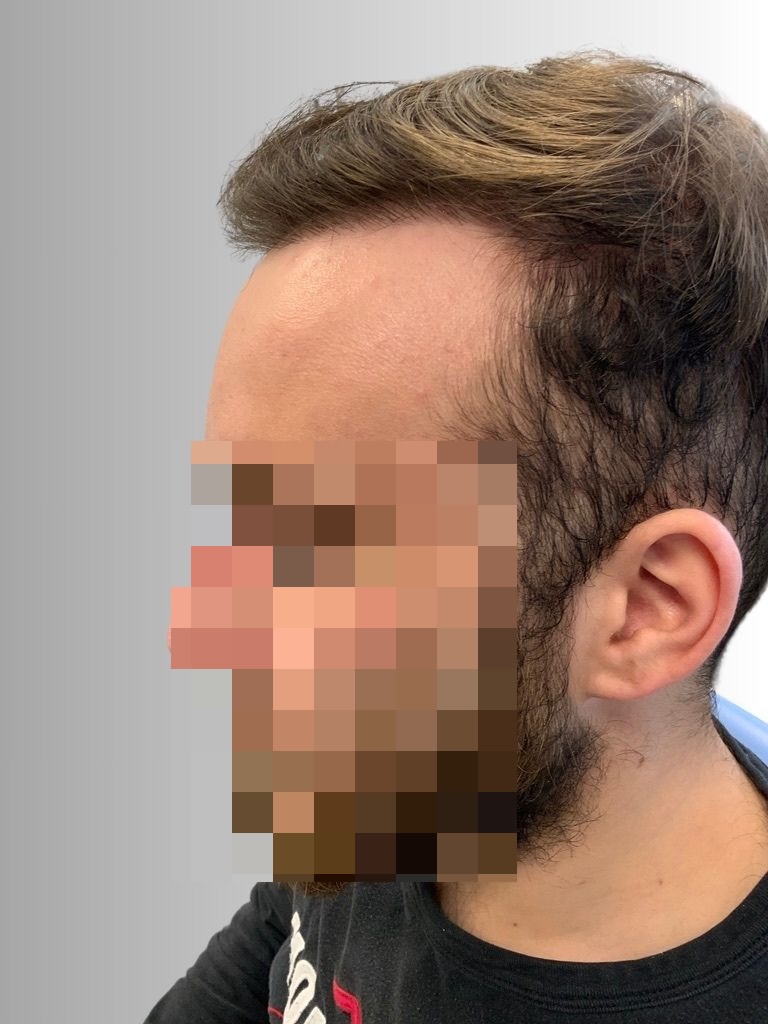 10 months after surgery.
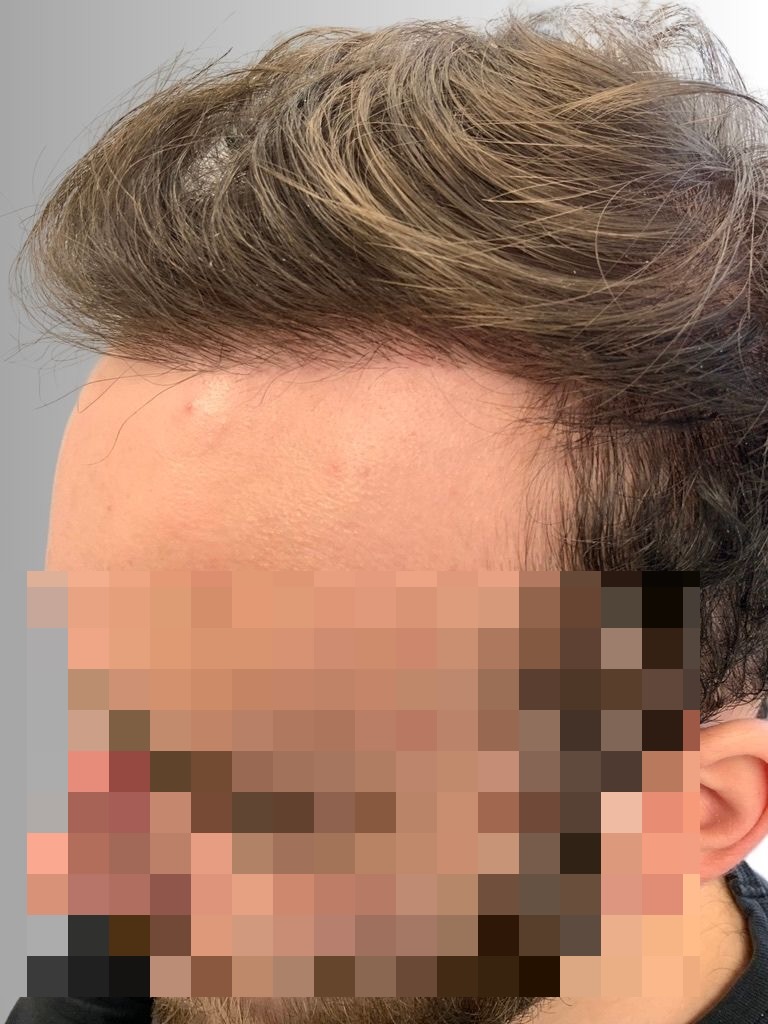 10 months after surgery.