
Hair Transplant Leeds
- GMC Registered
- 33+ Years Medical Experience
- 2,500+ Procedures
- 6M+ Grafts Extracted
- Surgeon-Performed Care
- GMC Registered
- 33+ Years Medical Experience
- 2,500+ Procedures
- 6M+ Grafts Extracted
- Surgeon-Performed Care
Patients expect hair transplant clinics to operate within a medical framework, with decisions guided by long-term outcomes rather than short-term aesthetics.
At Dr. Kunnure Clinic, a trusted hair transplant clinic in Leeds, we give priority to those expectations. Here, each hair transplant is planned through structured clinical evaluation. Donor capacity, hairline positioning, density distribution, and projected hair loss are assessed before technique, graft numbers, or hair transplant cost in Leeds are discussed.
Patients travelling from Leeds and across West Yorkshire are assessed directly by the operating surgeon. There are no intermediaries, and clinical judgement remains with GMC registered Consultant throughout.
Hair loss is reviewed as a progressive condition. Donor availability, loss pattern, and age-related changes are considered in tandem, allowing hairline placement and shape to be planned conservatively and remain appropriate over time.
For those considering FUE hair transplant in Leeds, extraction is designed to preserve donor appearance and long-term reserve. Where a permanent hair transplant in Leeds is recommended, the focus is on durability and balance rather than immediate short term planning and outcomes.
Key highlights include:
- Donor protection before graft volume
- Conservative and appropriate hairline placement
- Planning for future hair loss progression
- Medically justified treatment decisions
Book Your Consultation
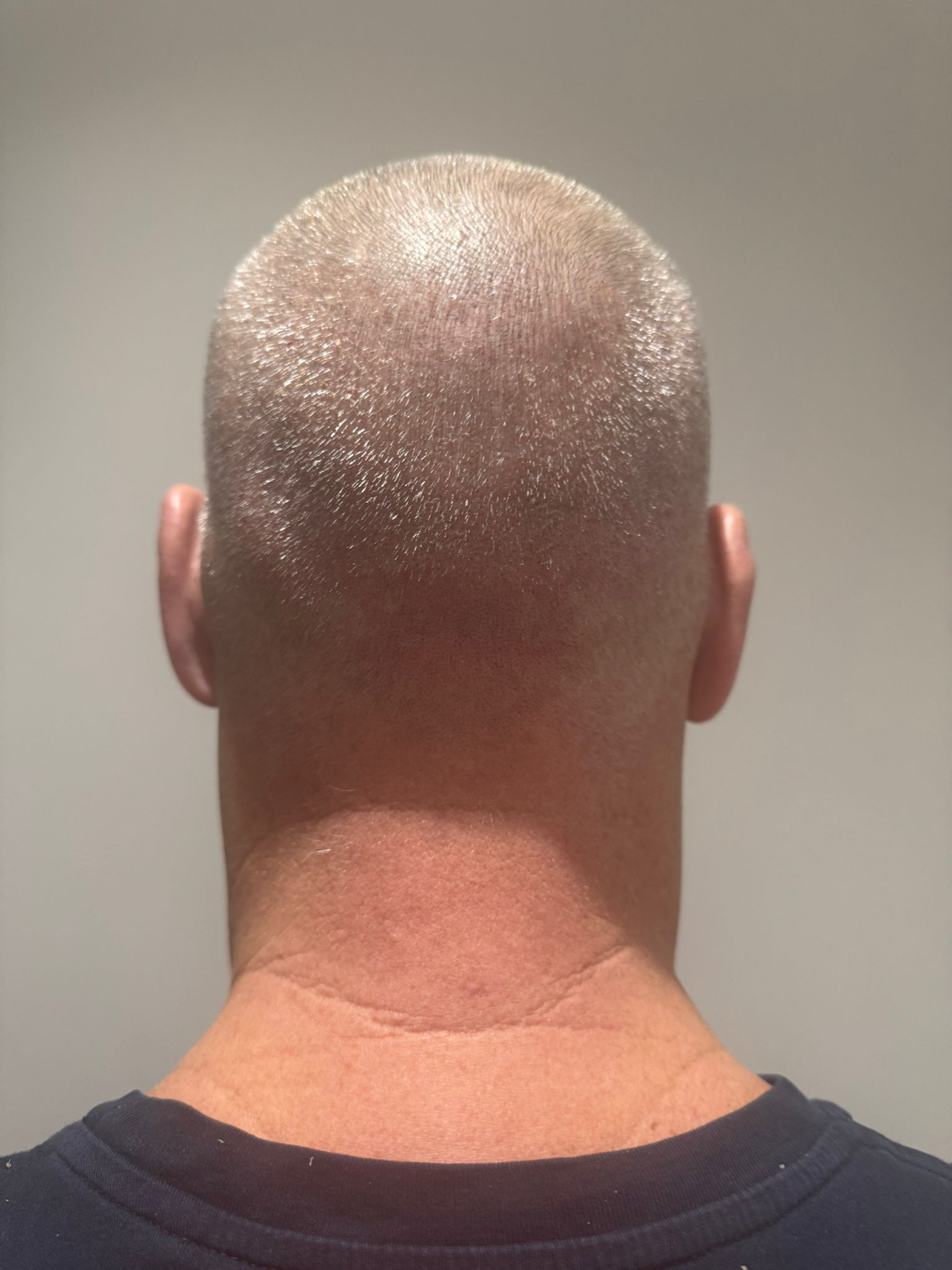
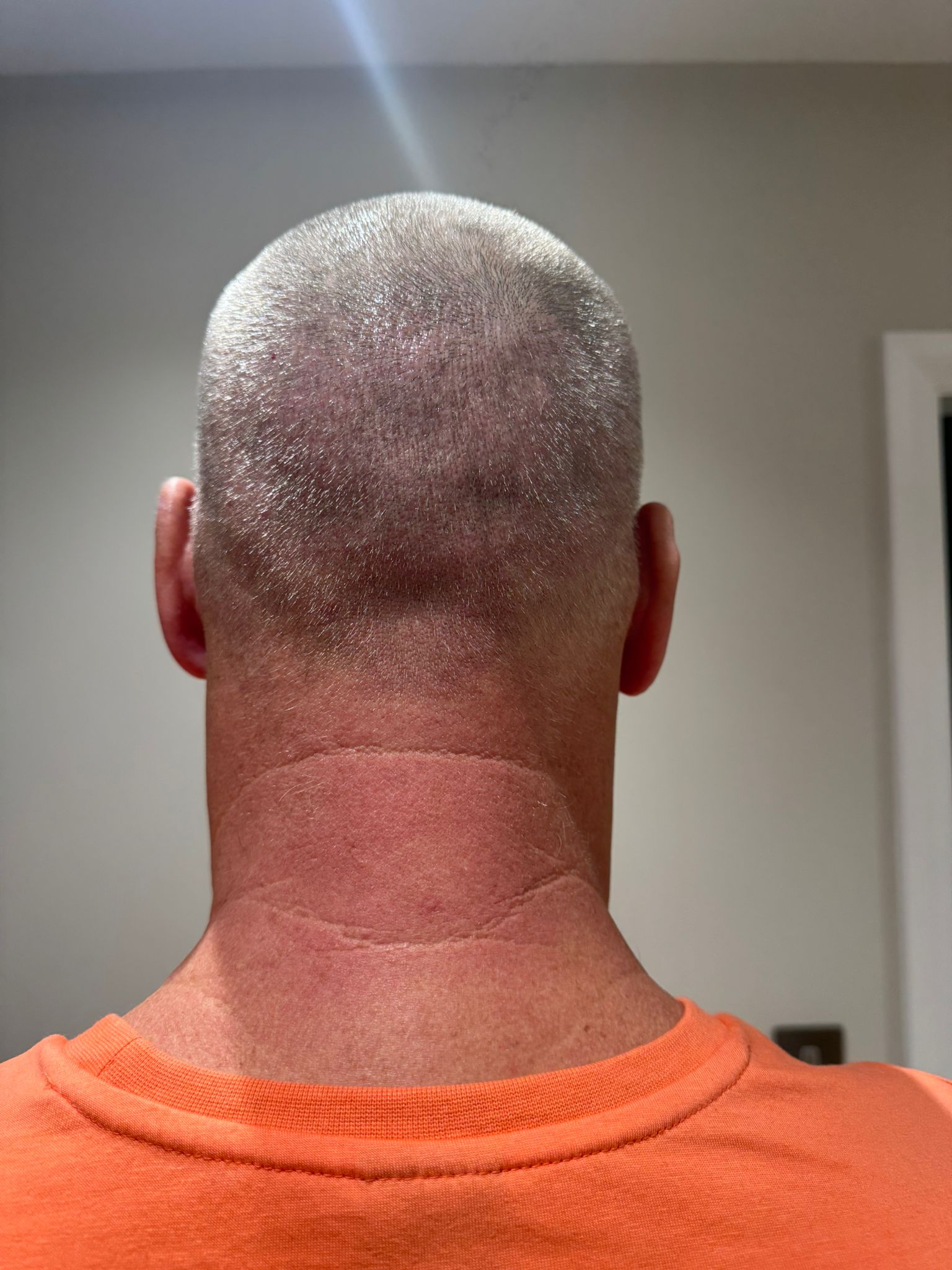
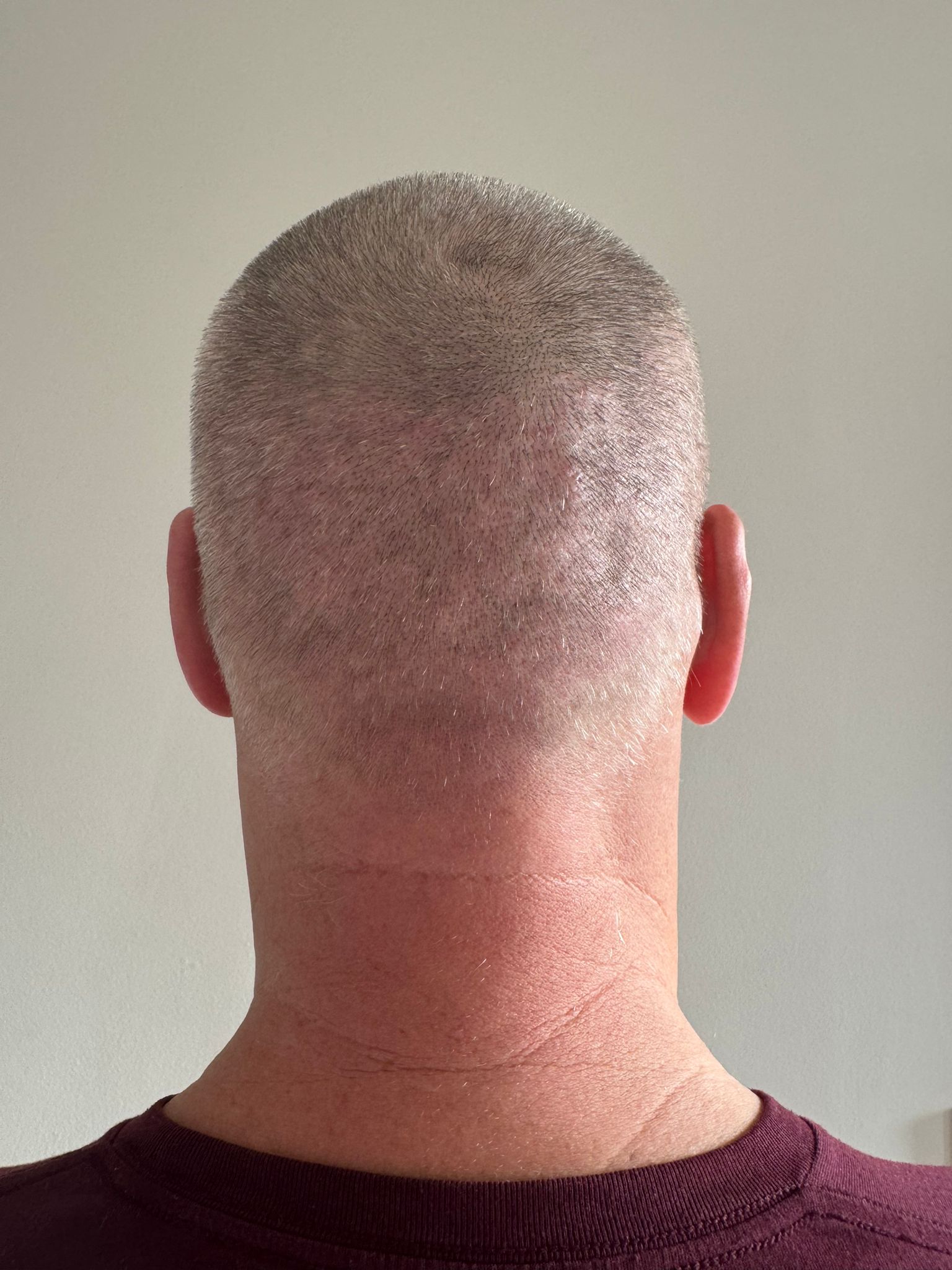
Before & After Results
The following photos shows excellent outcomes achieved by Dr Kunnure.
If you click on expand you will see the stages of Hair Growth taking you through a short hair growth journey of the patient.
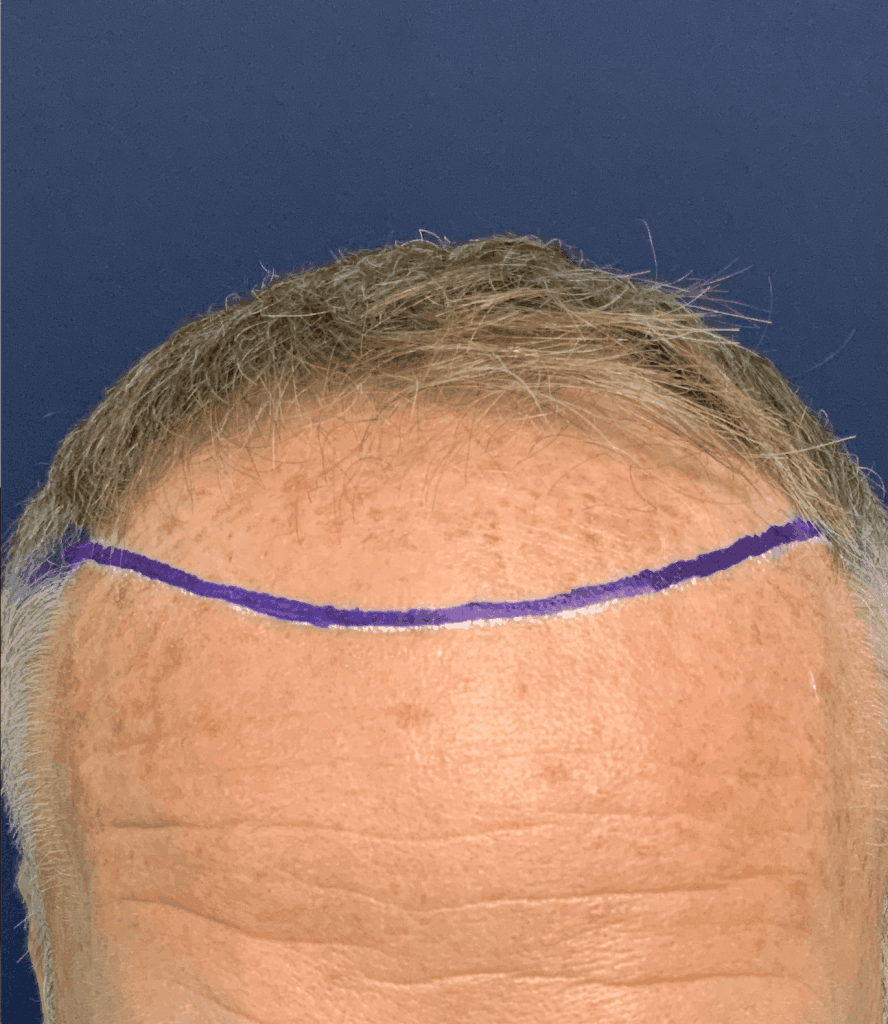
Before
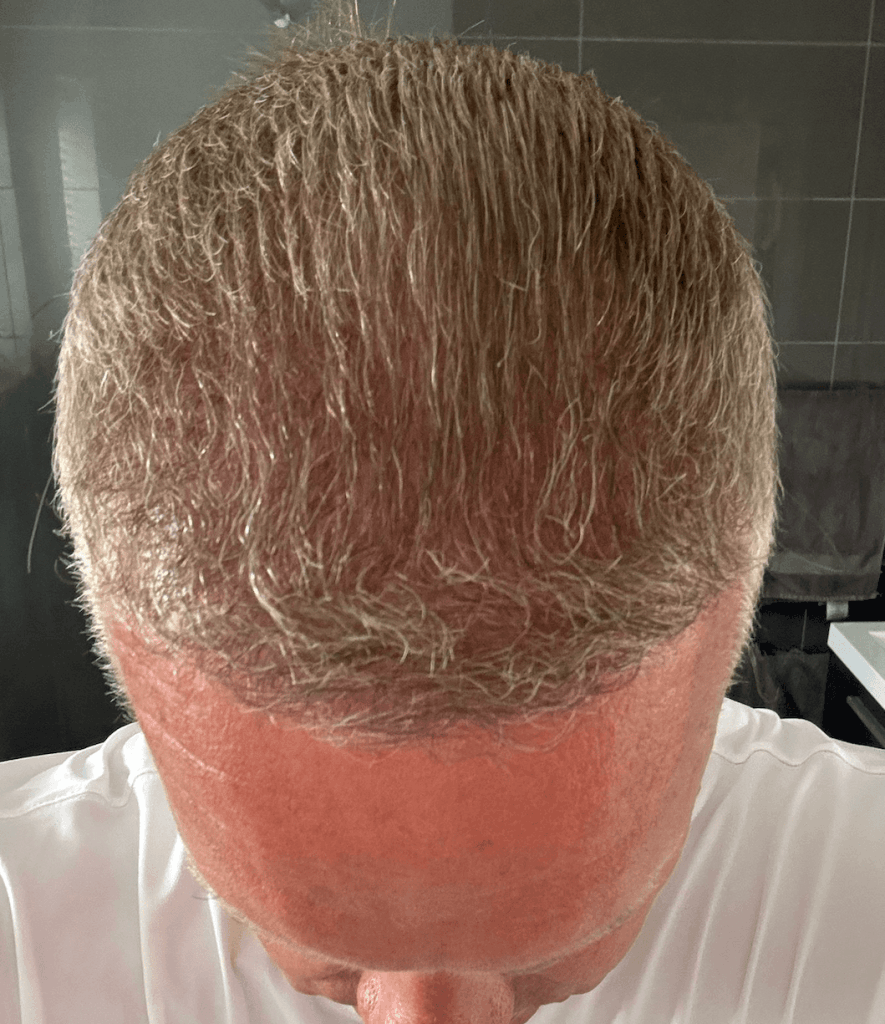
After
Expand
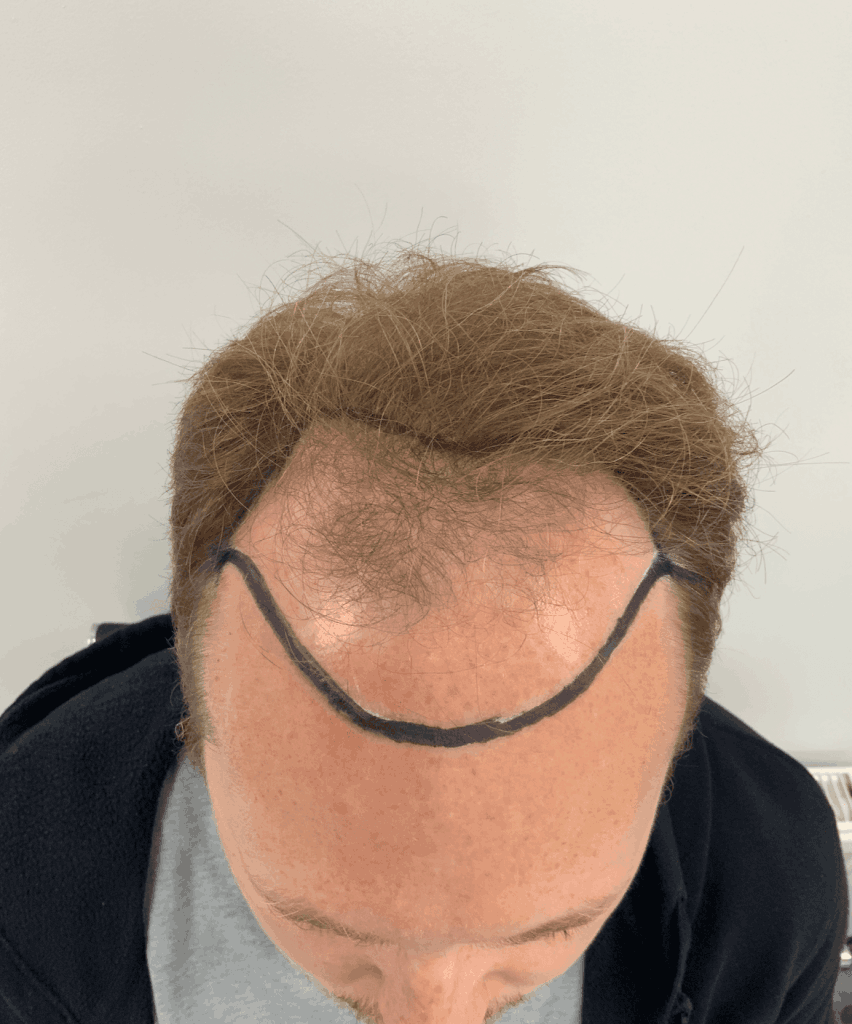
Before
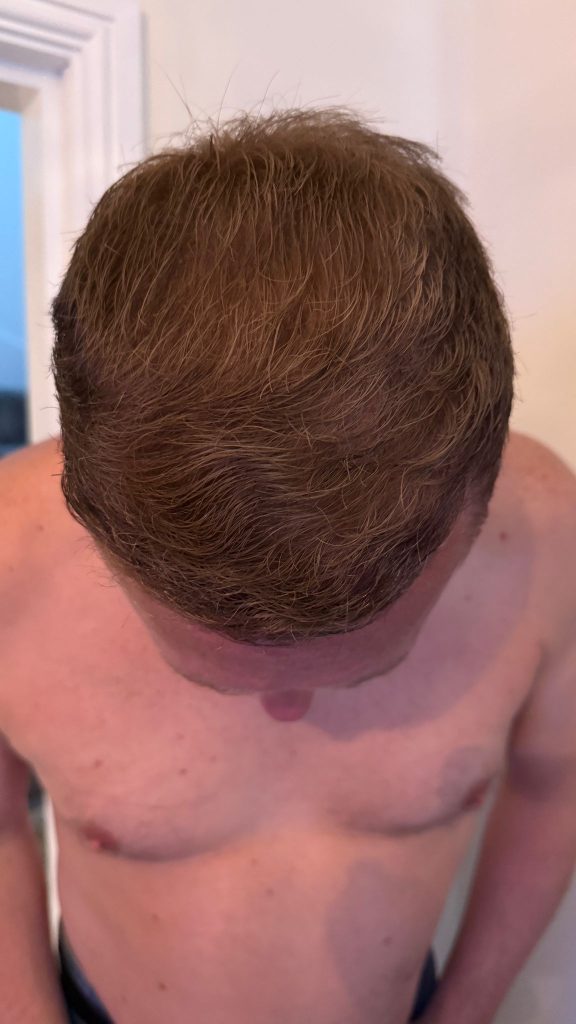
After
Expand

Before

After
Expand
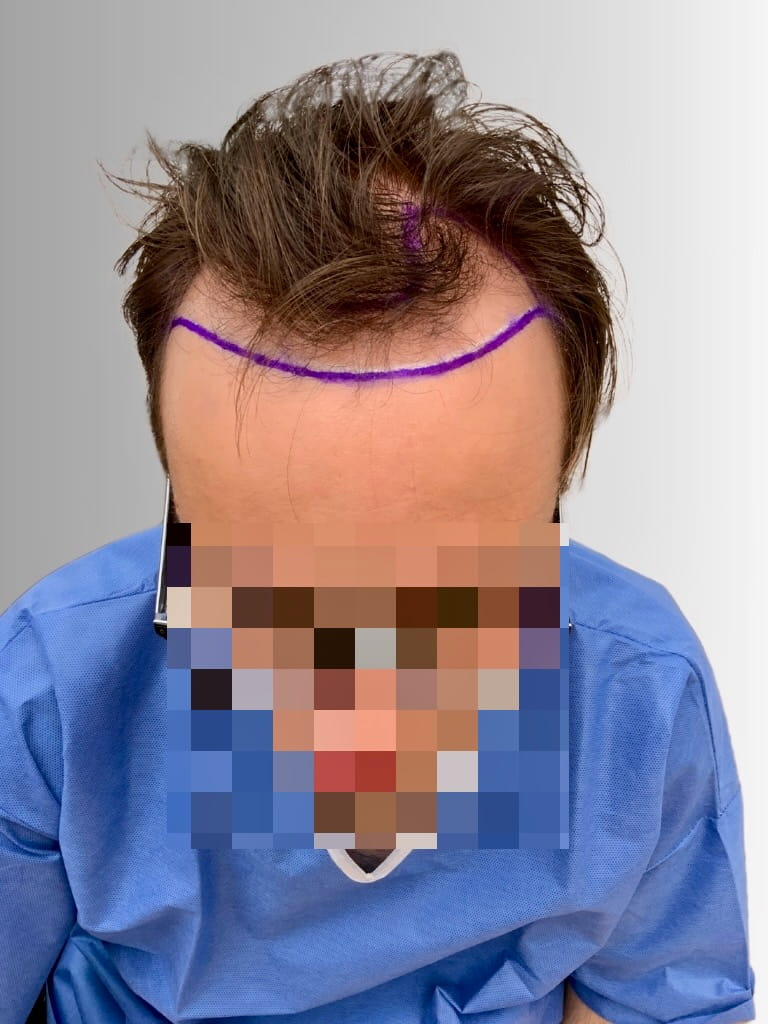
Before
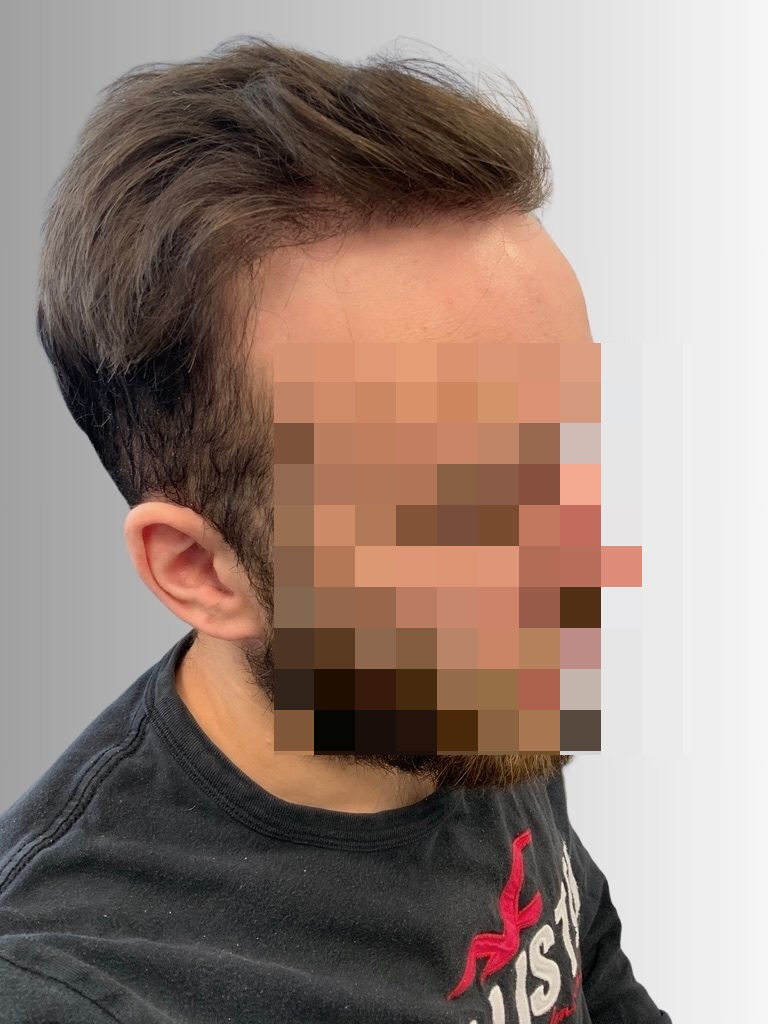
After
Expand
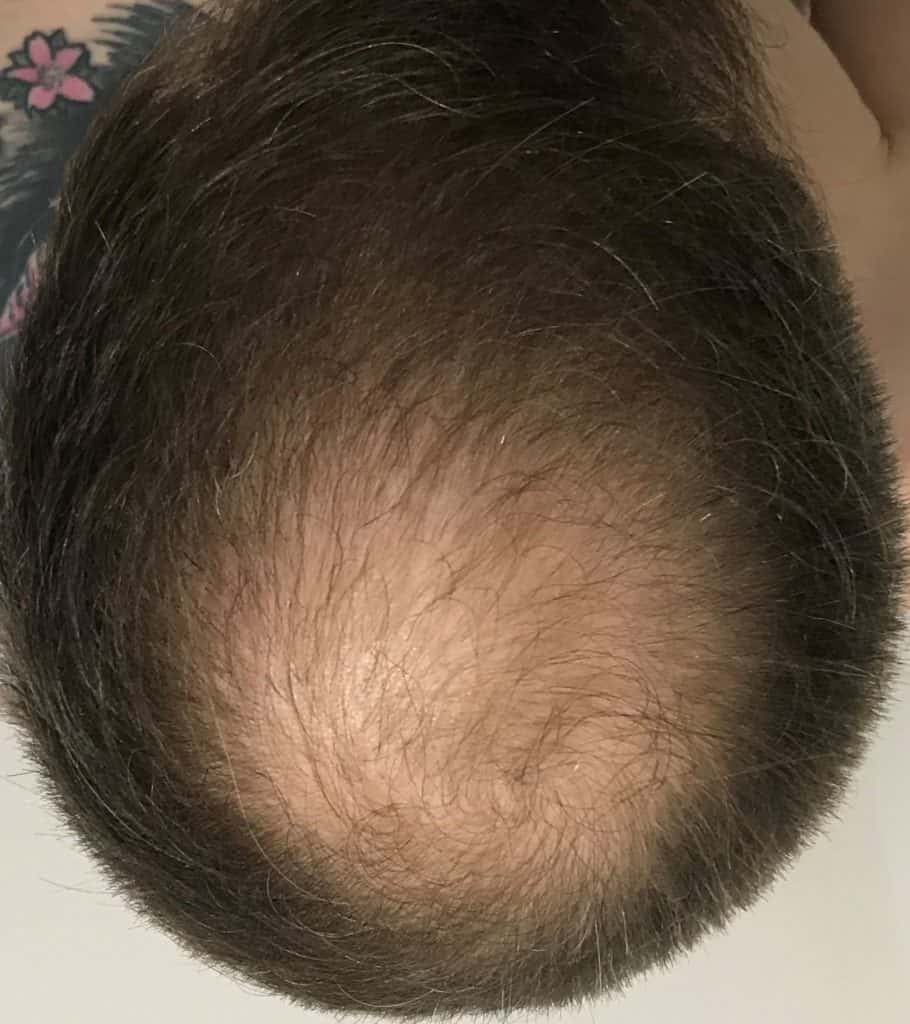
Before
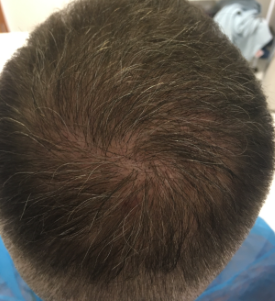
After
Expand
FUE Procedure performed by Surgeon
All surgical stages at the Leeds clinic are performed under the direct control of Dr. Kunnure. Assessment, planning, extraction strategy, and post-operative review are managed by one consultant surgeon.
This approach limits variation, maintains technical consistency, and ensures that intra-operative decisions reflect pre-operative planning.
Advanced Hair Loss Treatment Leeds
Not all hair loss requires surgery. As a specialist hair loss clinic in Leeds, the focus is on timing as much as technique.
Some patients prefer a long-term approach and proper guidance rather than immediate intervention. Others require clarification on whether surgery is medically appropriate at all.
Each case is assessed independently. Where surgery carries unnecessary risk or offers limited long-term value, this is explained clearly. Where treatment is appropriate, options are presented without any pressure to make any decisions and a cooling off period is given to patient to think over it.
FUE Hair Transplant
Follicular extraction designed to preserve donor structure.
Medical Hair Loss Therapy
Prescription treatments aimed at stabilisation and retention.
PRP Therapy
Adjunct therapy used selectively to support scalp health.
Advanced Scalp Assessment
Clinical evaluation to guide safe treatment planning.
Why Choose Dr. Kunnure Clinic?
Dr. Kunnure Clinic operates on a consultant-responsibility model. One surgeon assesses suitability, plans treatment, performs the procedure, and reviews outcomes. This structure limits variation and maintains continuity of clinical decision-making and care following the procedure.
Surgical recommendations are made only where intervention is appropriate and suitable for the patient. Case selection, graft planning, and hairline design are approached with defined clinical thresholds rather than volume targets.
Consultant-Led Surgery
Assessment, surgery, and review carried out by Dr. Kunnure.
Measured Surgical Planning
Hairline position and density planned within safe donor limits.
Medical Seniority
Over 30 years in clinical medicine, including senior NHS positions.
Regulatory Standing
GMC-registered with recognised professional memberships.
Broad Case Scope
Experience across primary, female, and revision procedures.
Defined Aftercare Pathway
Structured postoperative reviews aligned to growth cycles.
Hair Loss Consultation Leeds
Hair loss consultations in Leeds at Dr. Kunnure Clinic are clinically led and outcome-focused. Donor capacity, scalp condition, progression risk, and long-term feasibility are reviewed before any treatment recommendation is made. Arrange a consultation to obtain a consultant-led evaluation of your options.
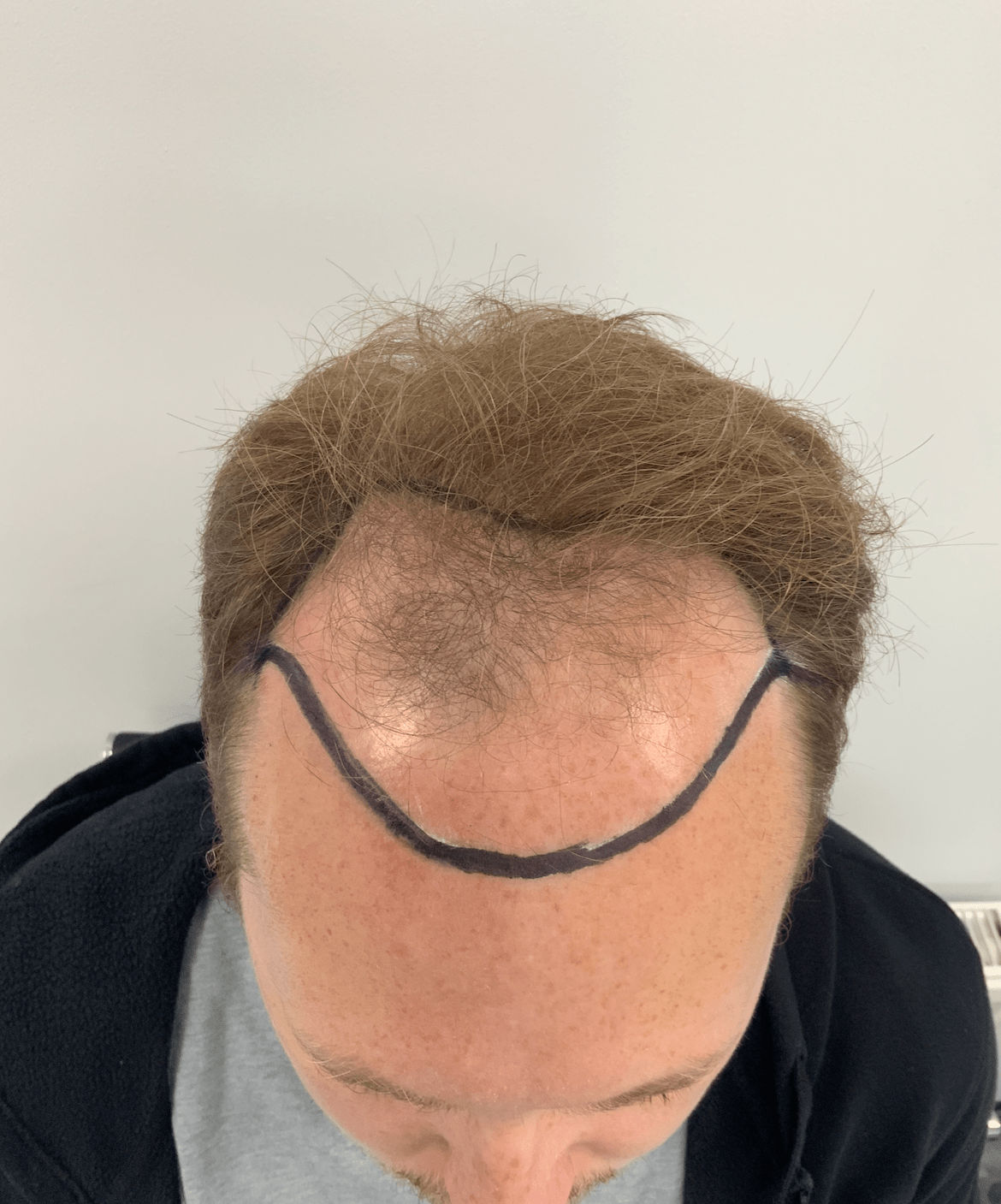 Before the surgery
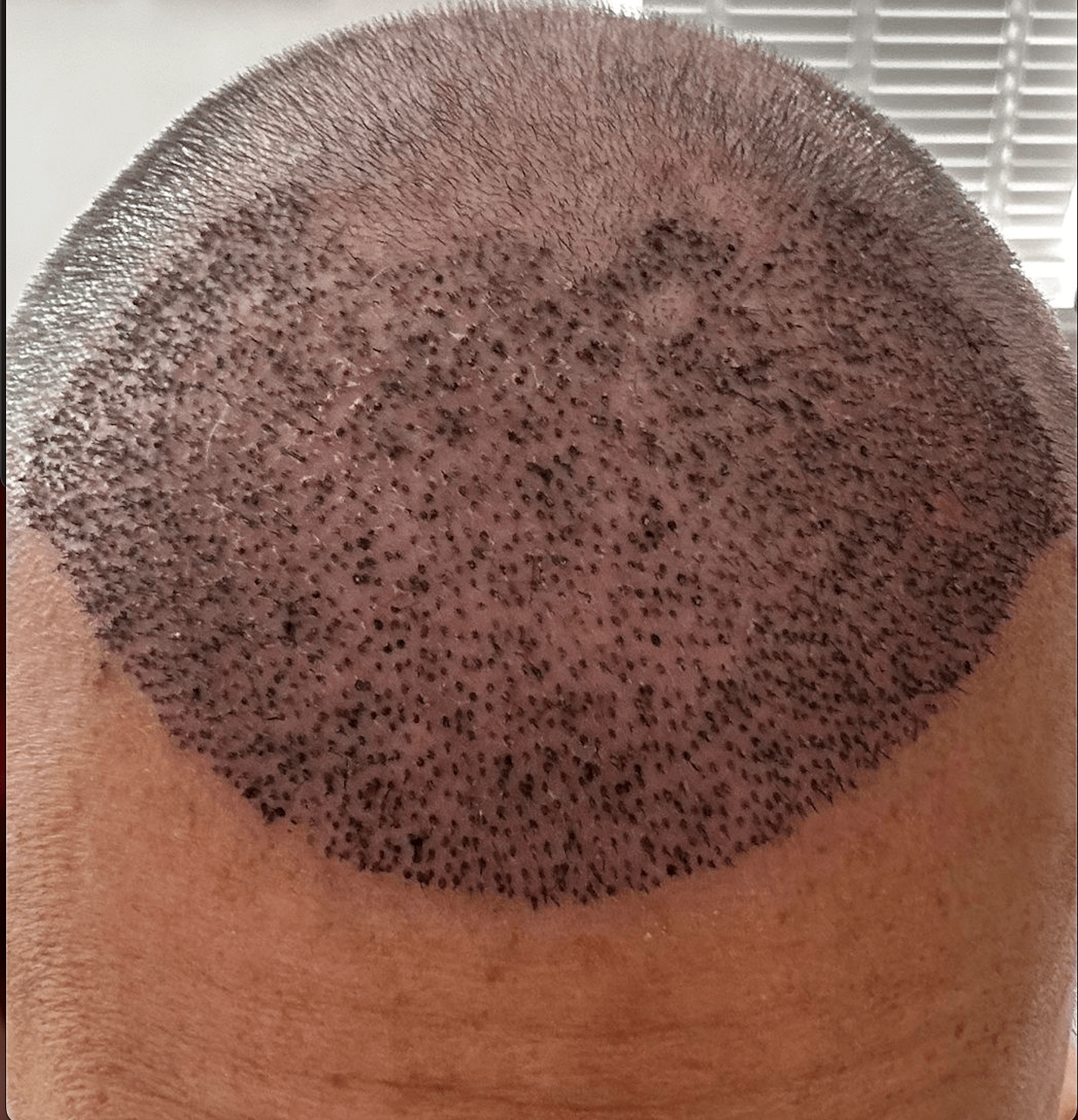 7 day after Surgery
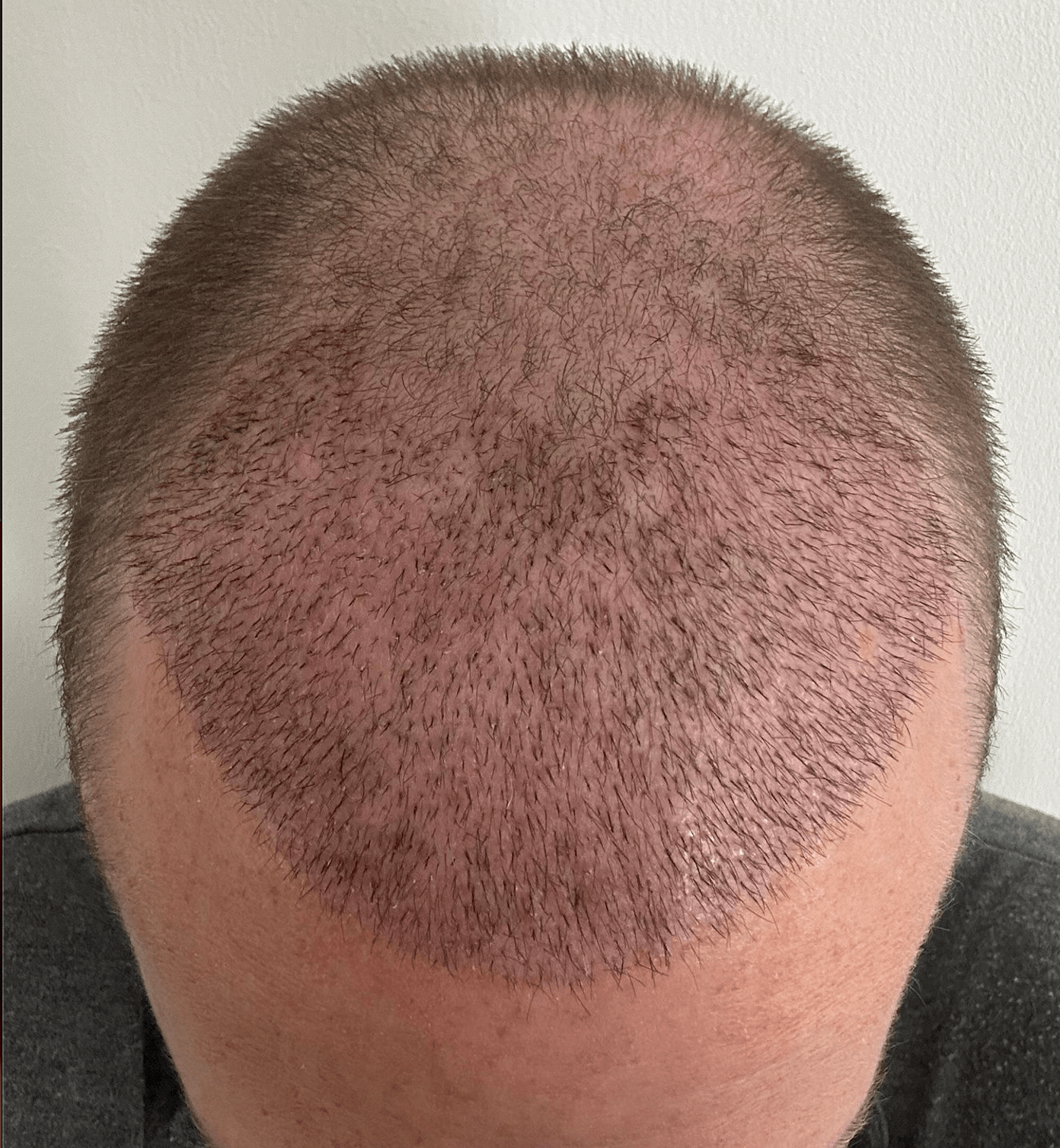 21 days after Surgery
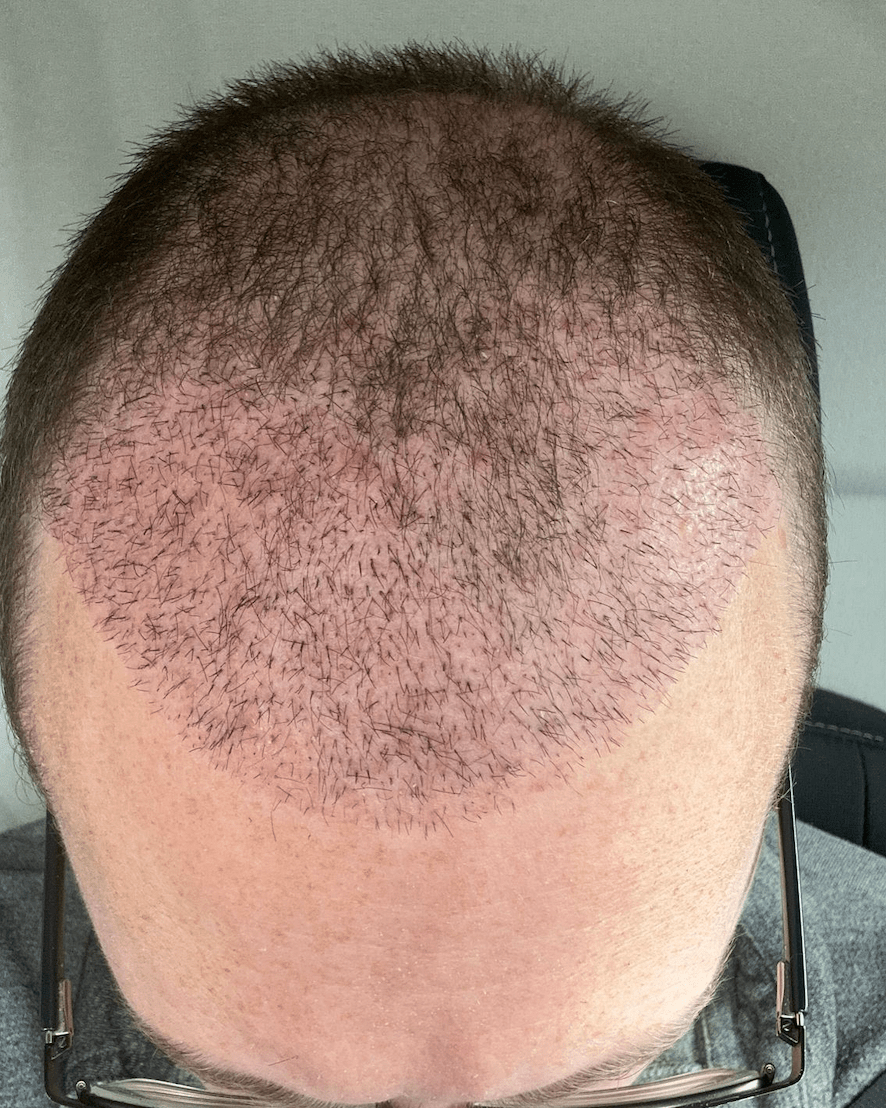 6 weeks after Surgery
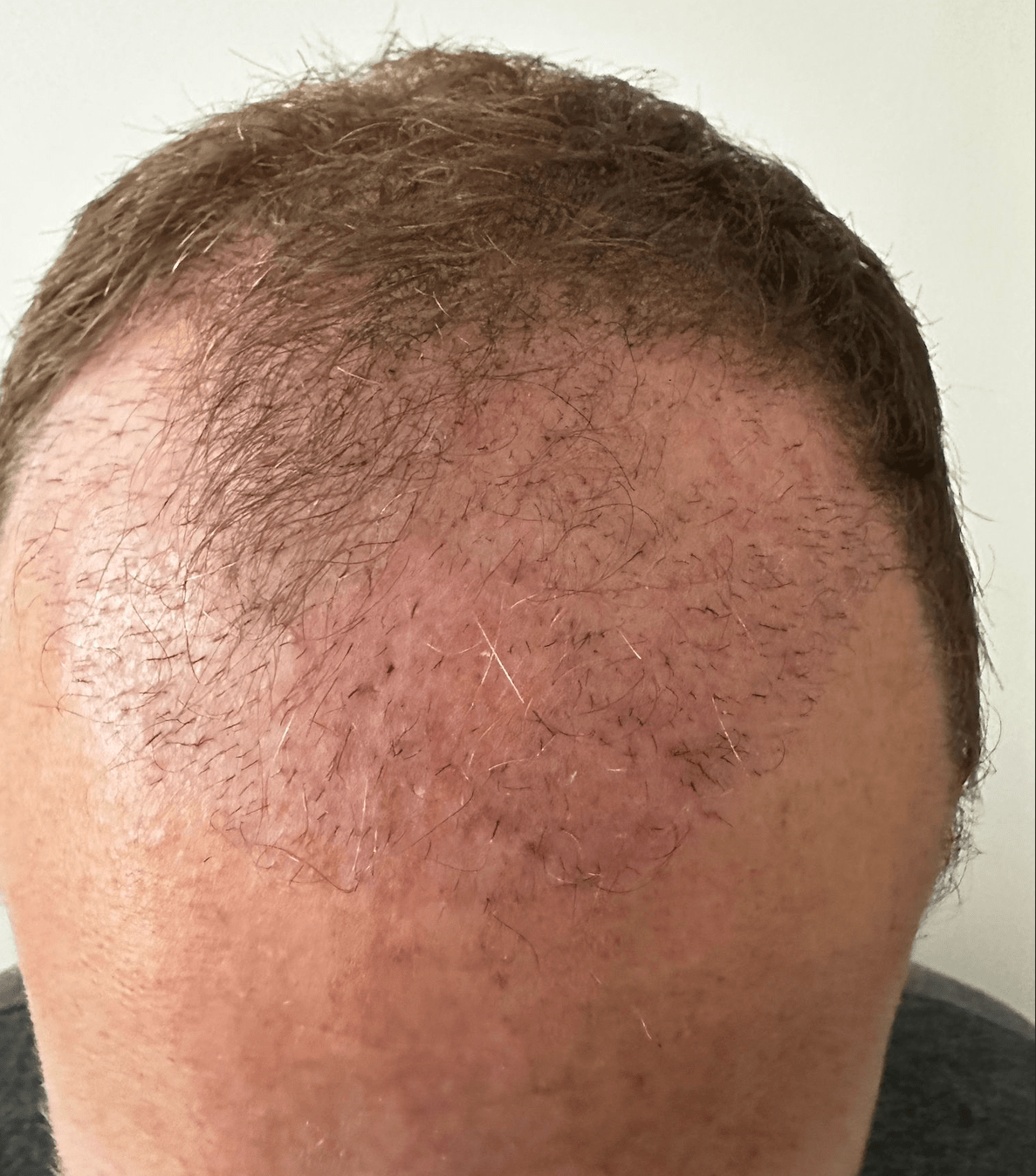 3 months after Surgery
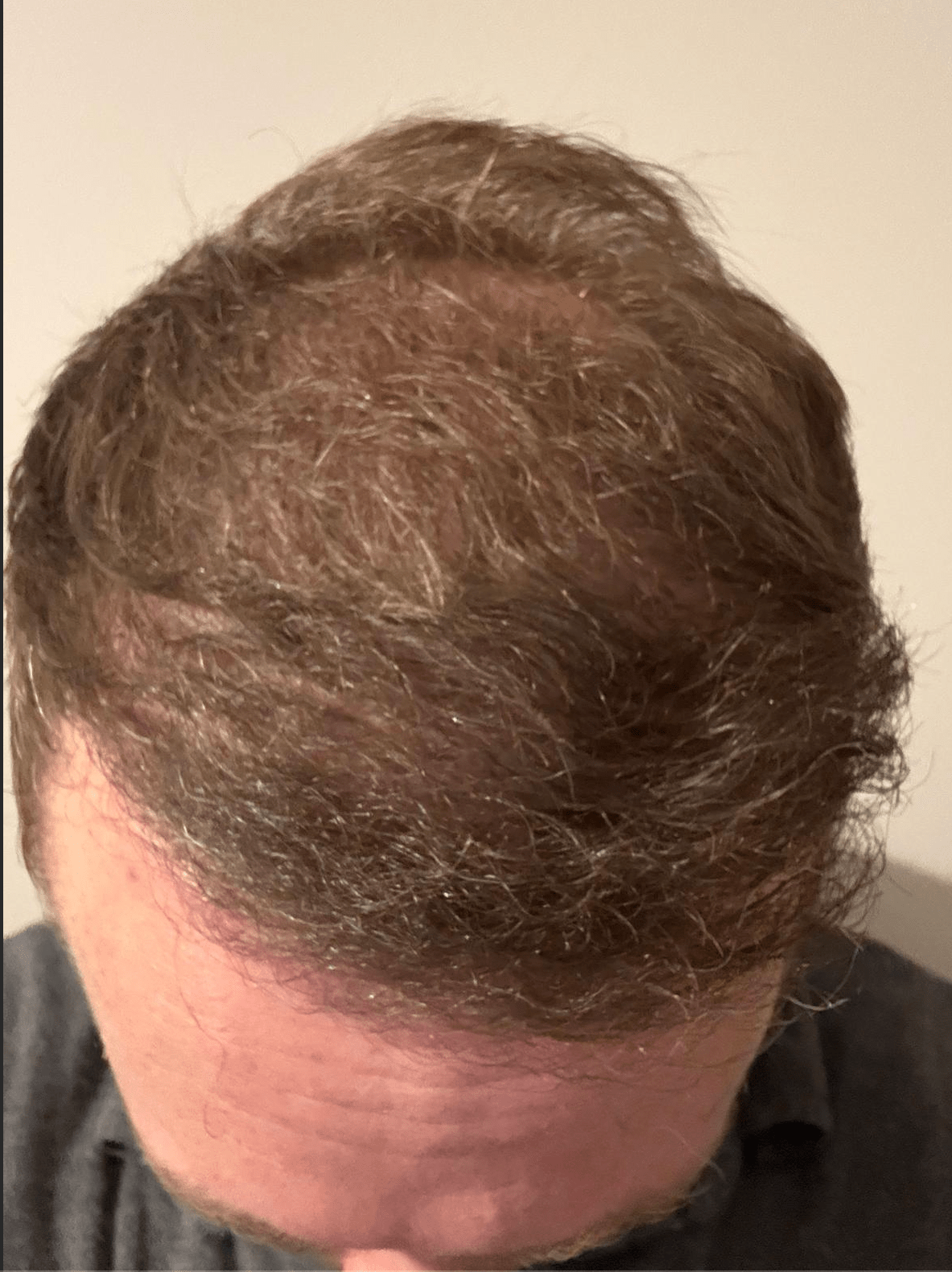 10 months after Surgery
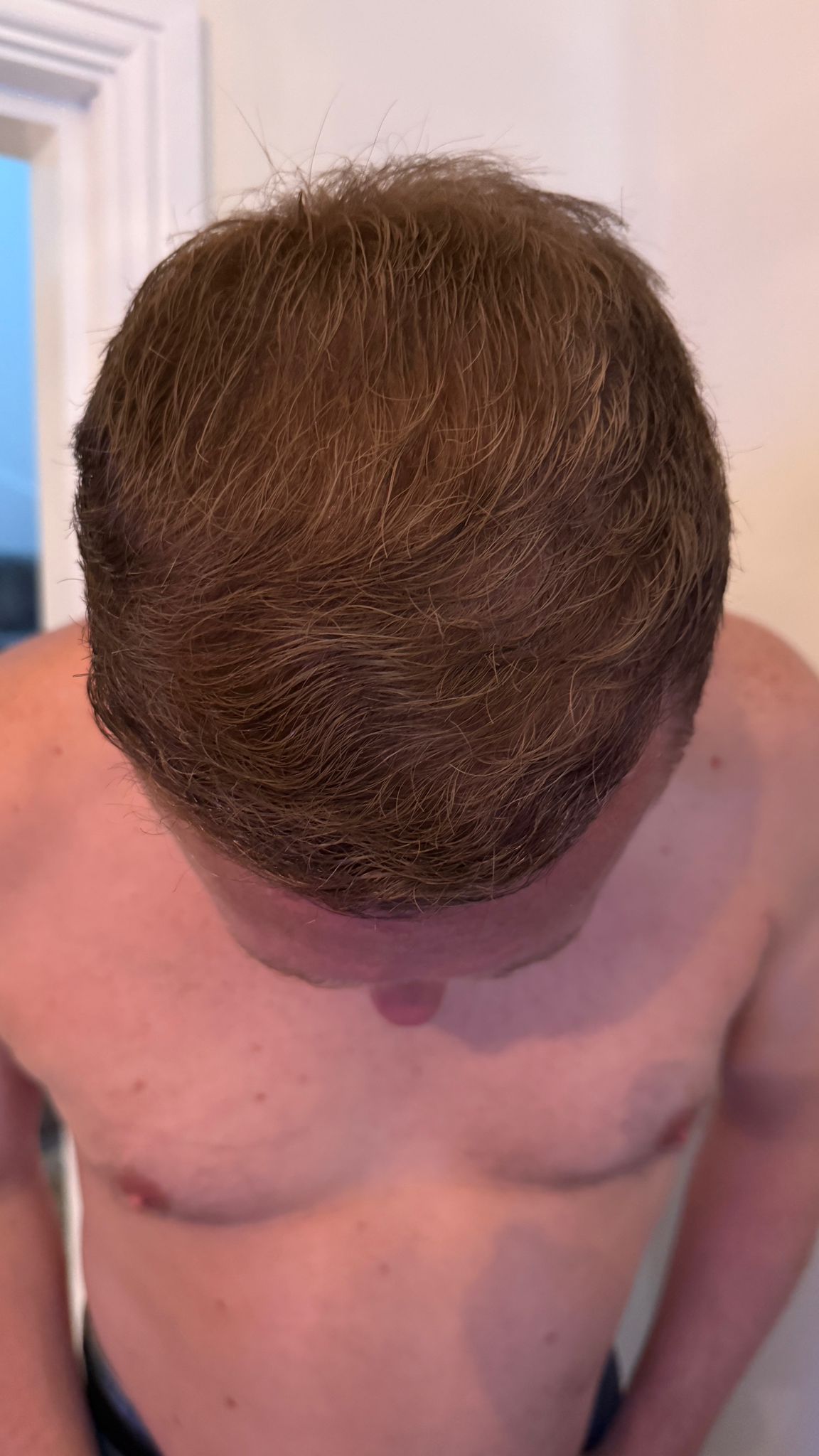 15 months after Surgery
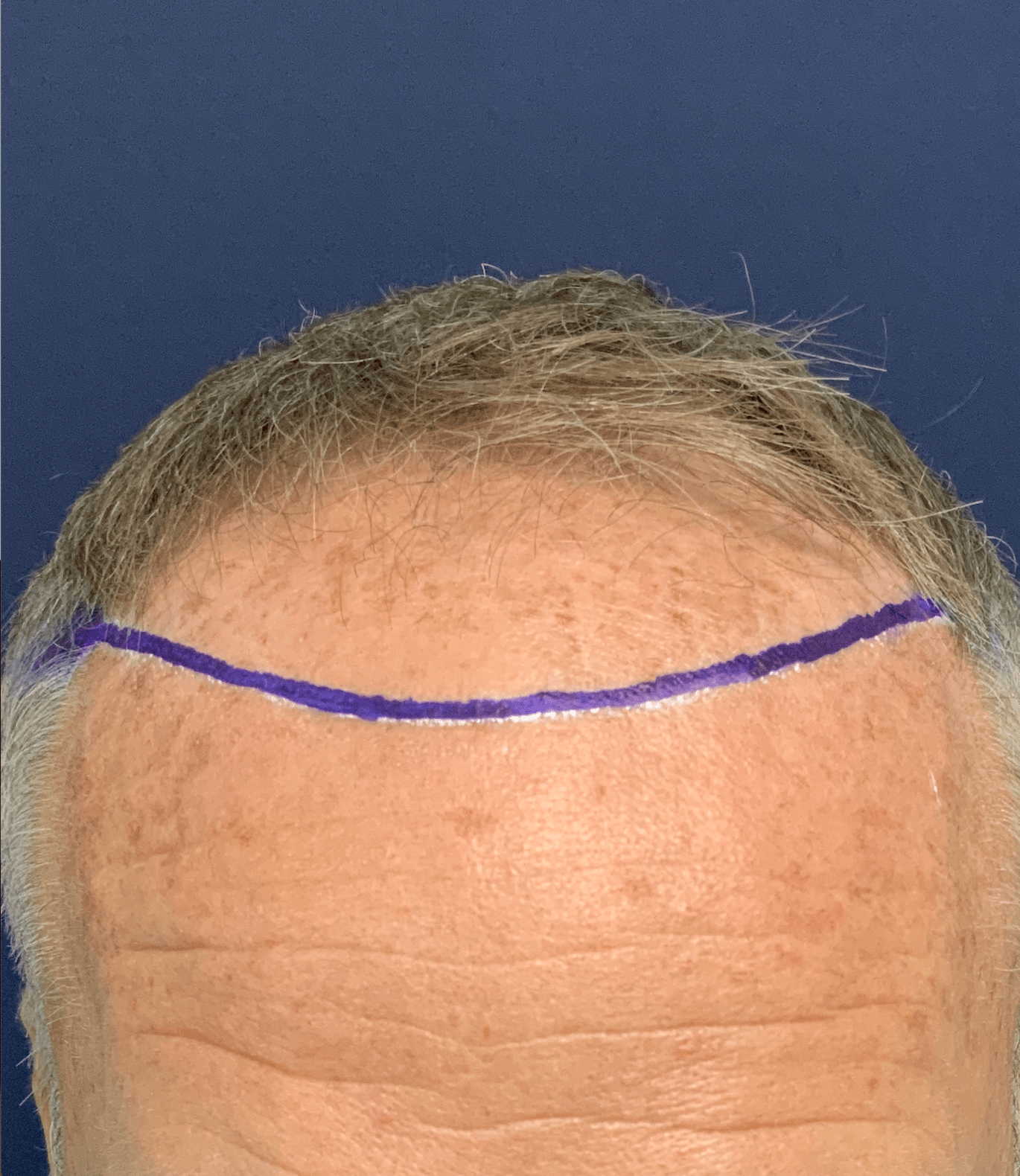 Before the surgery
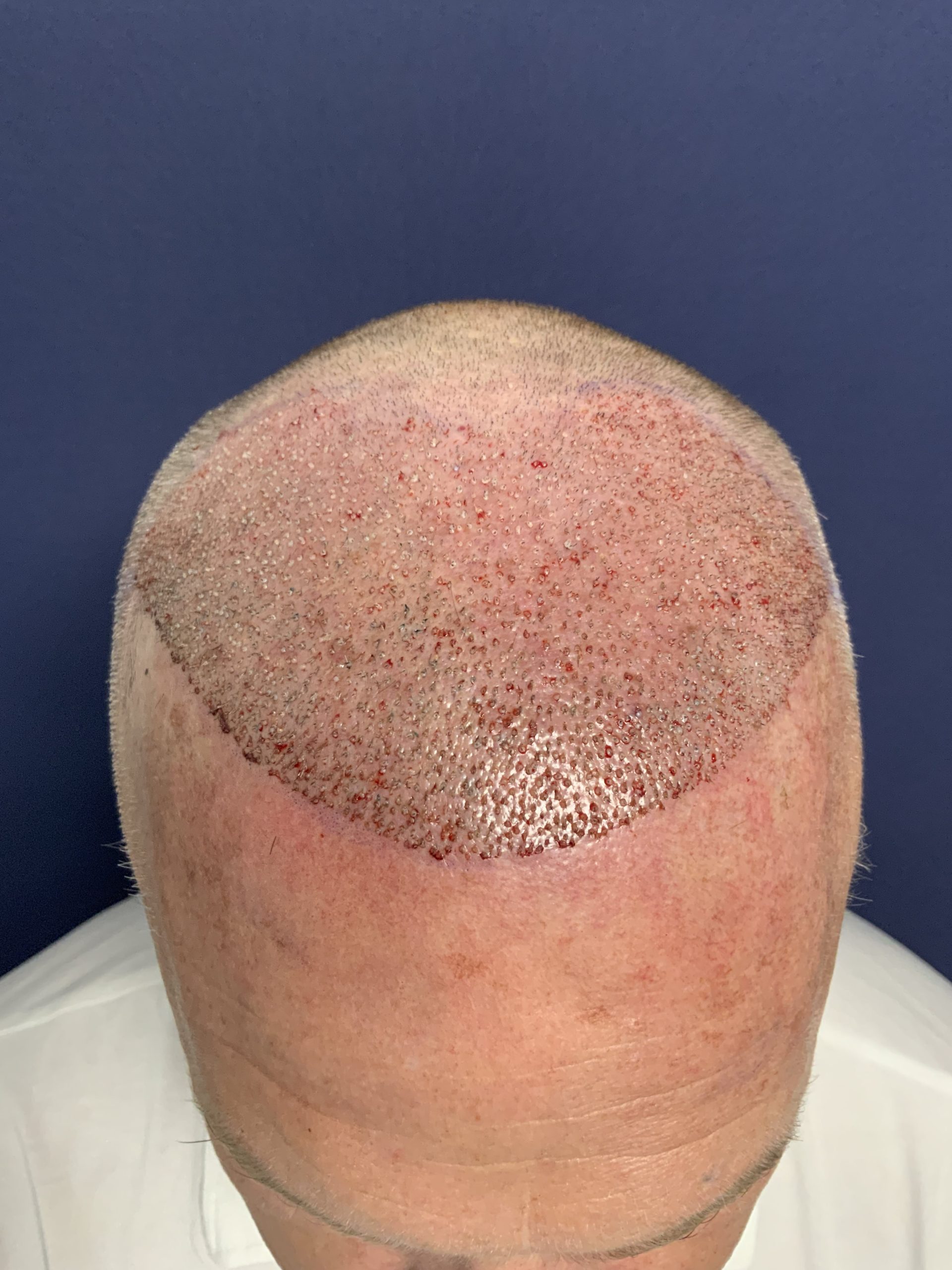 Day of the Surgery
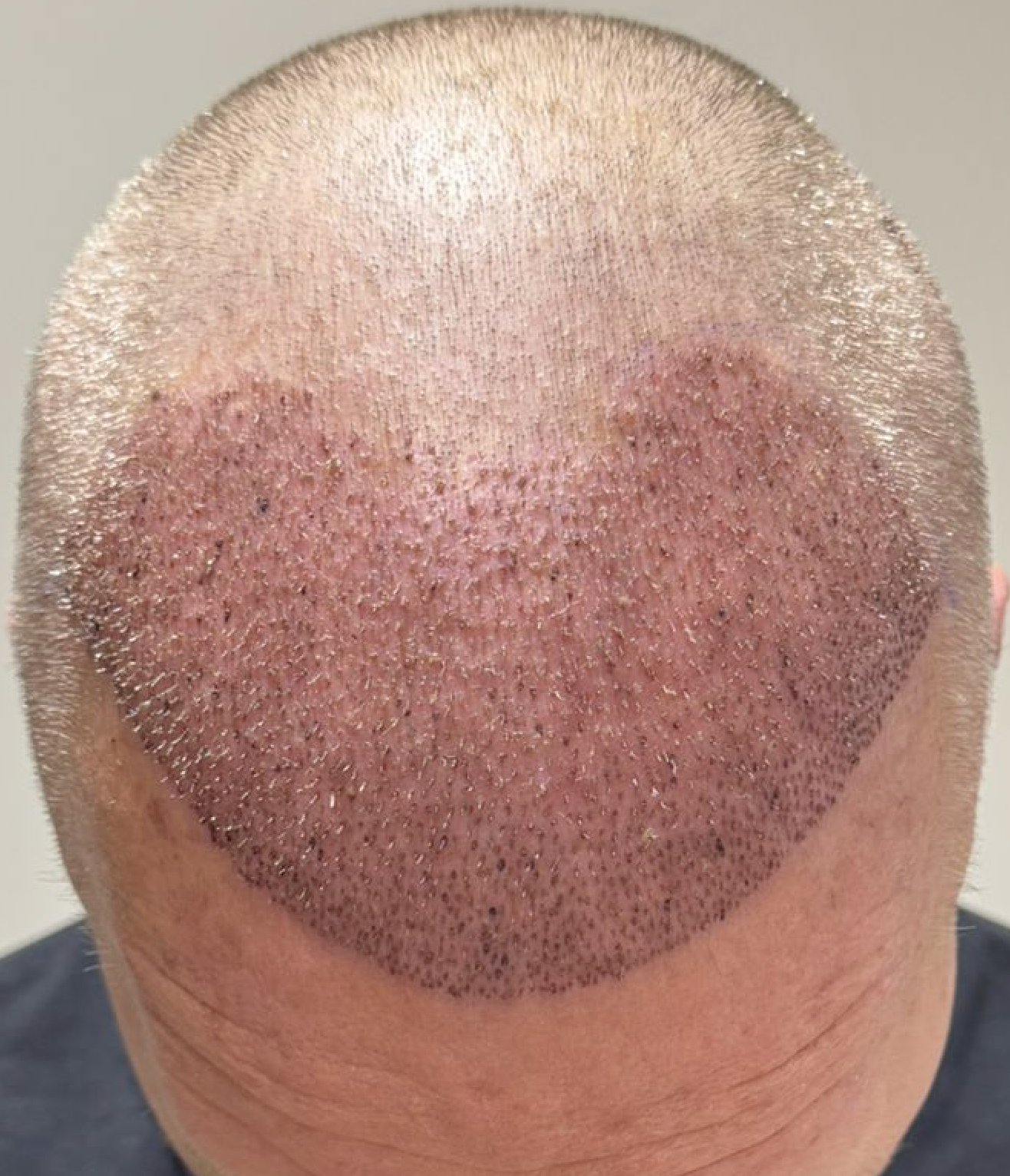 7 days After the Surgery
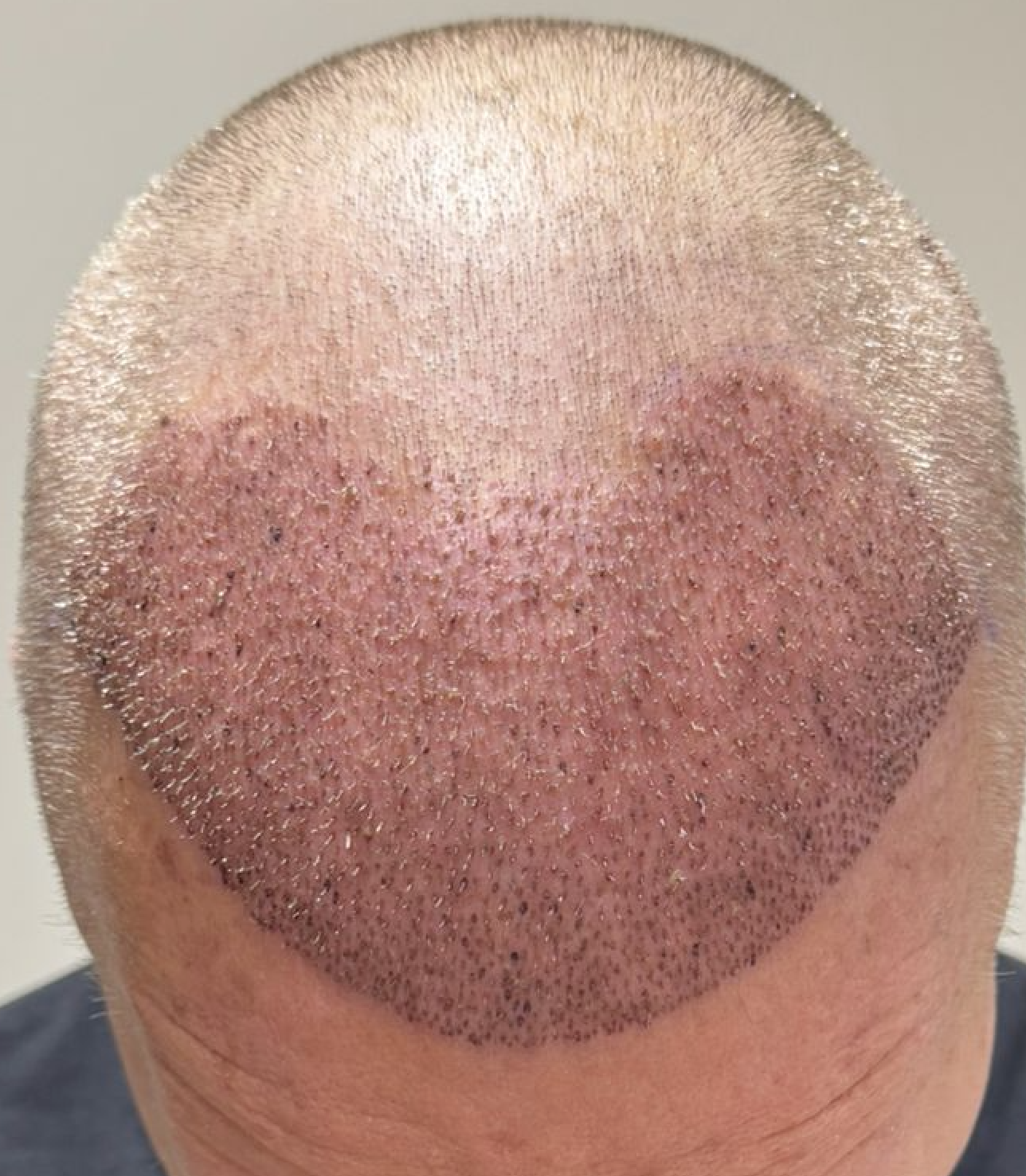 10 days After the Surgery
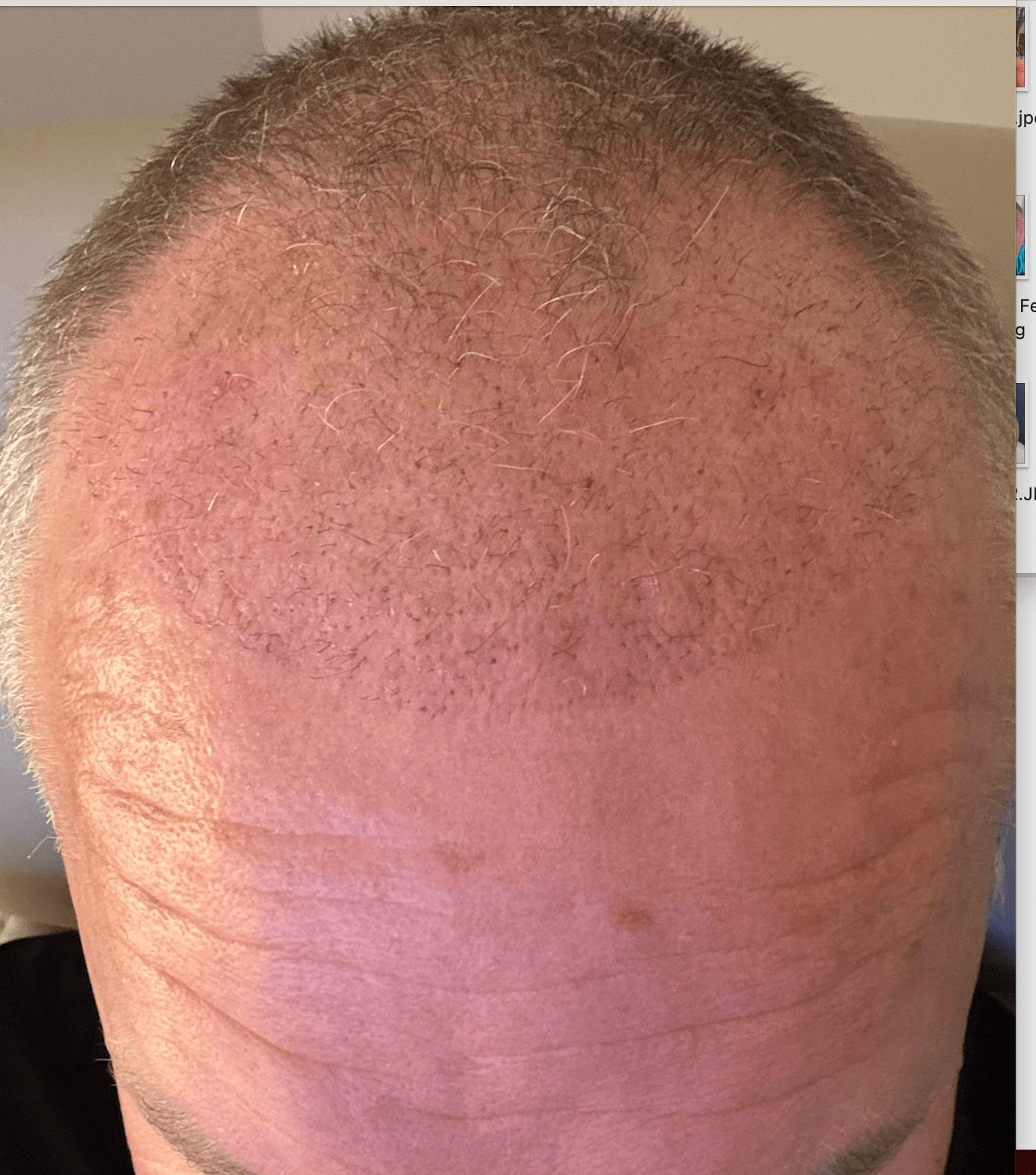 30 days After the Surgery
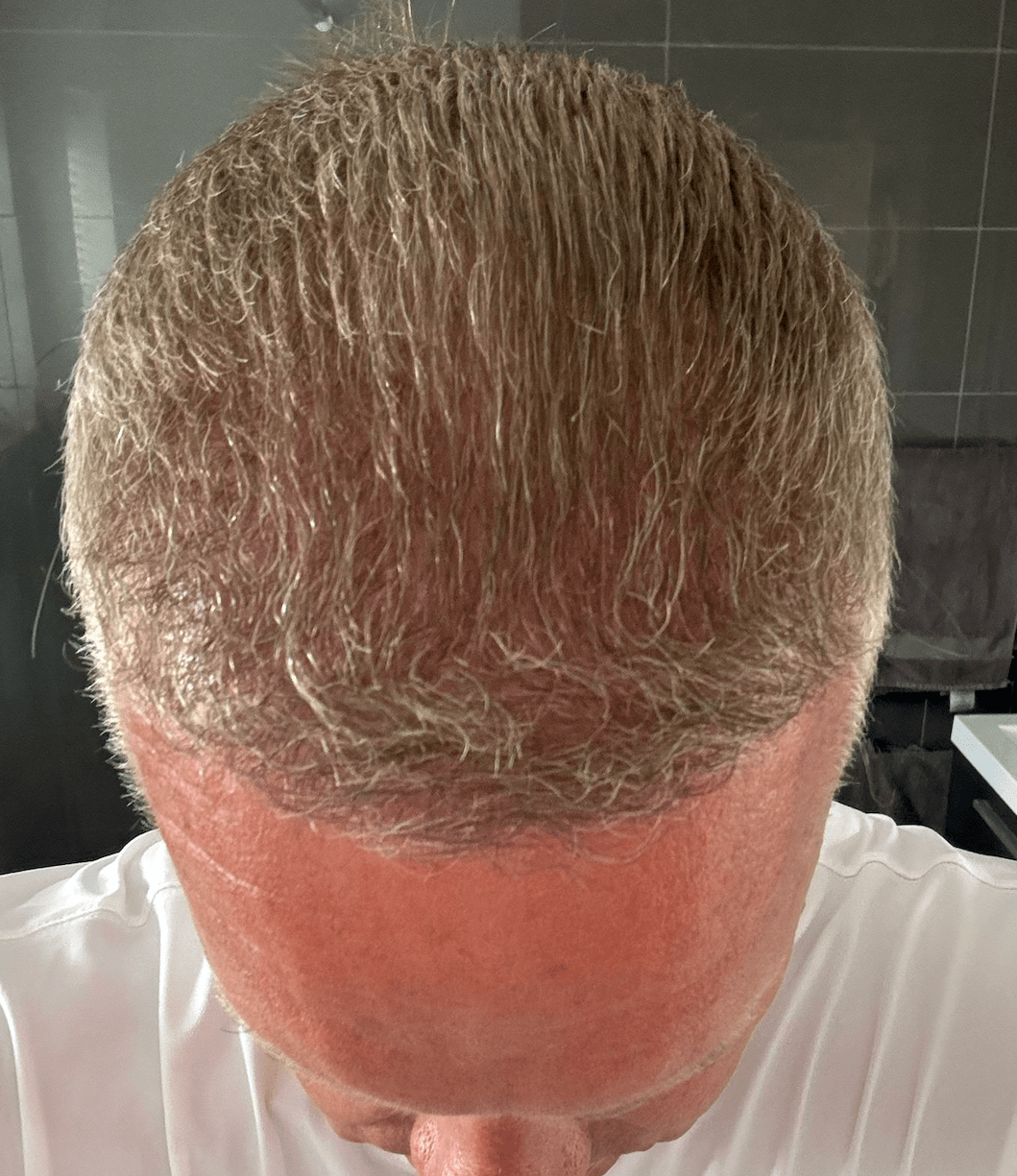 After 12 months
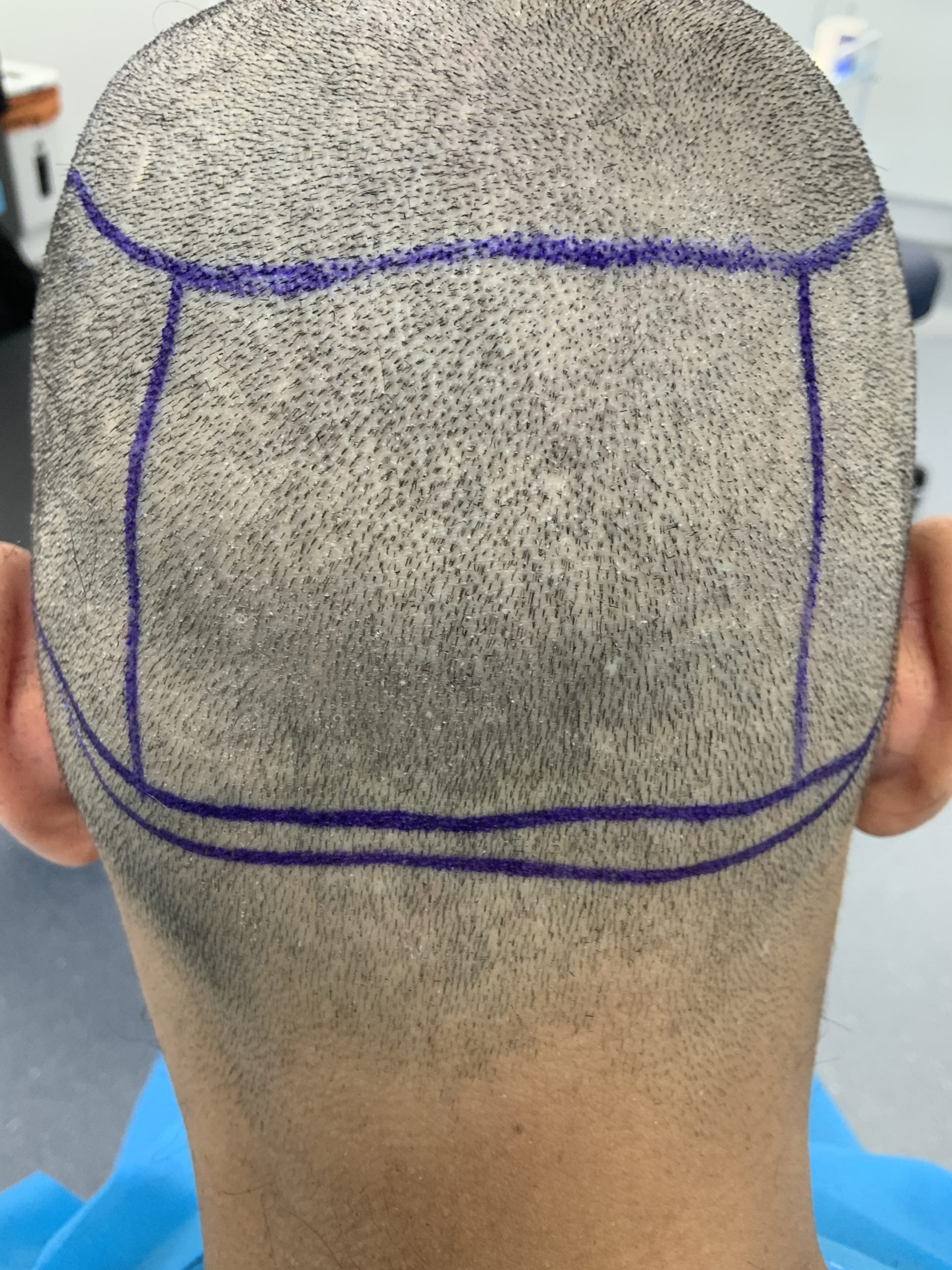 Before the surgery
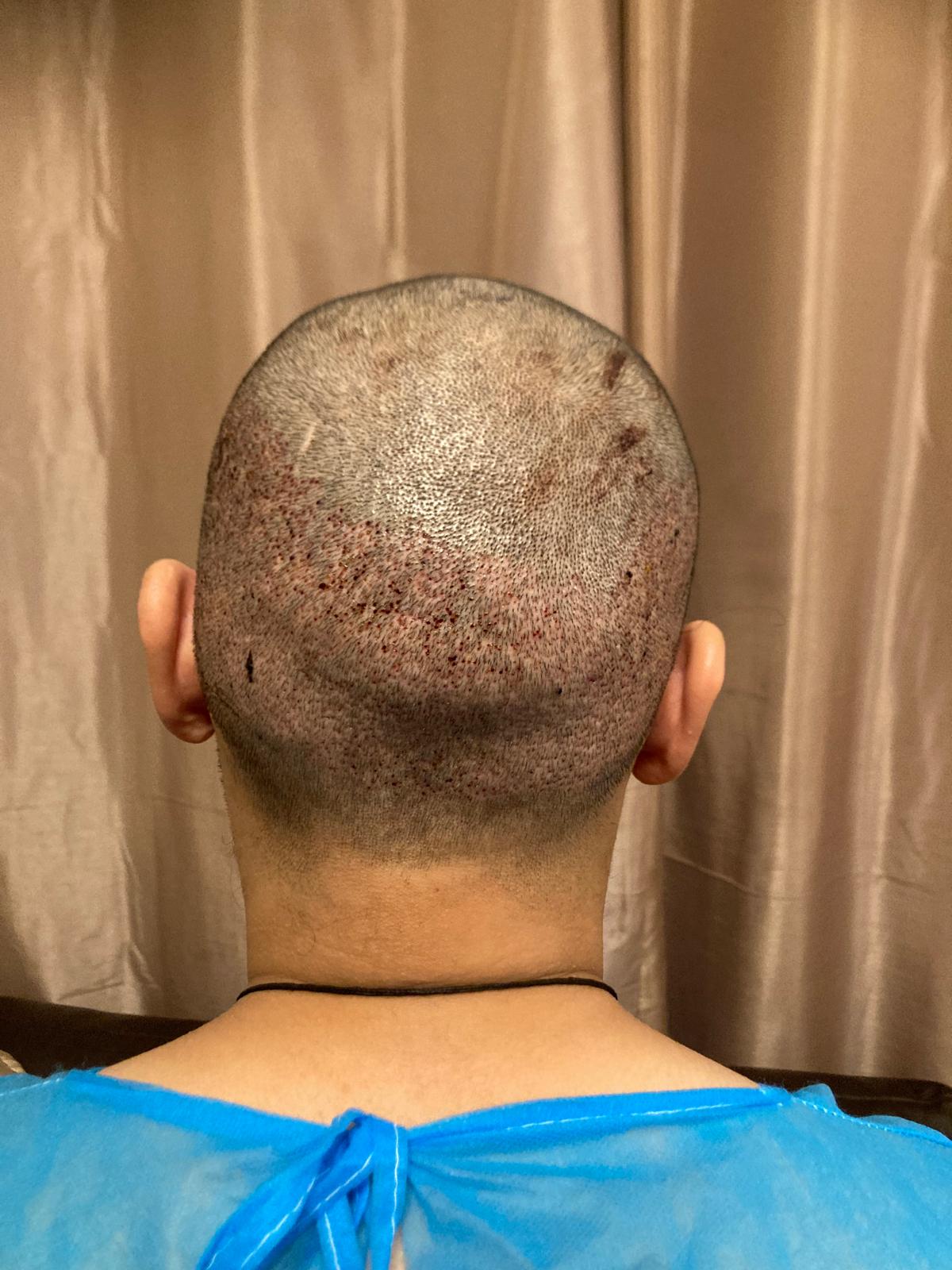 After 2 Days of Surgery
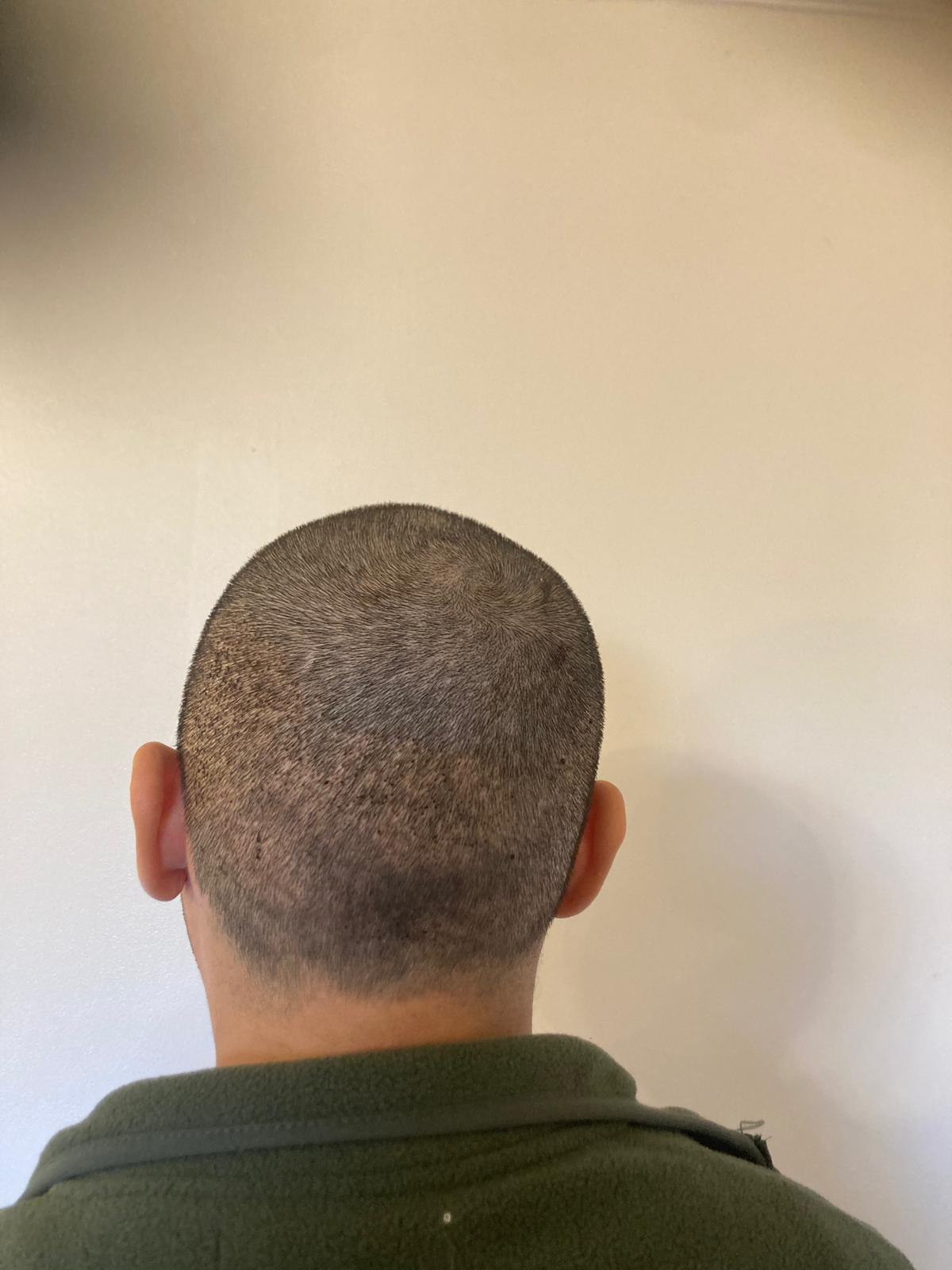 After 4 Days of Surgery
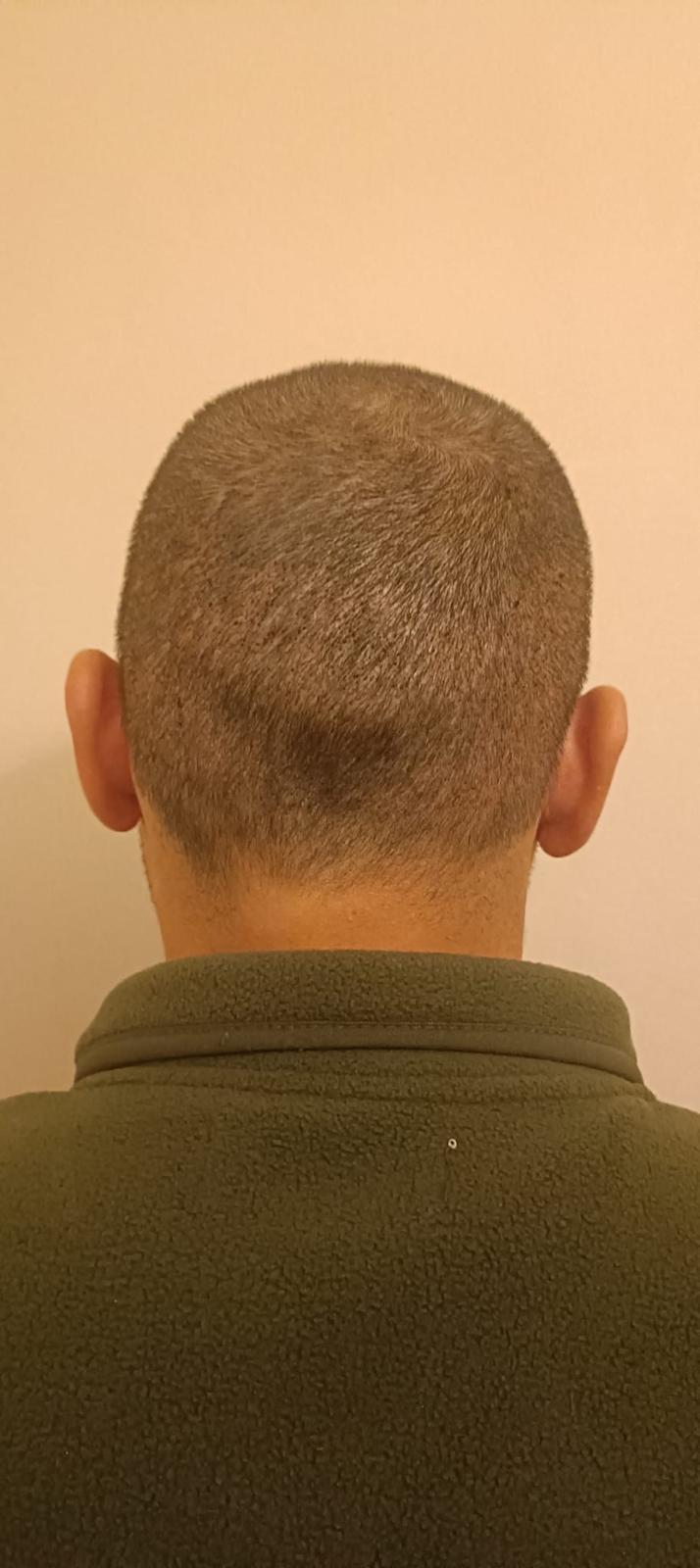 After 8 Days of Surgery
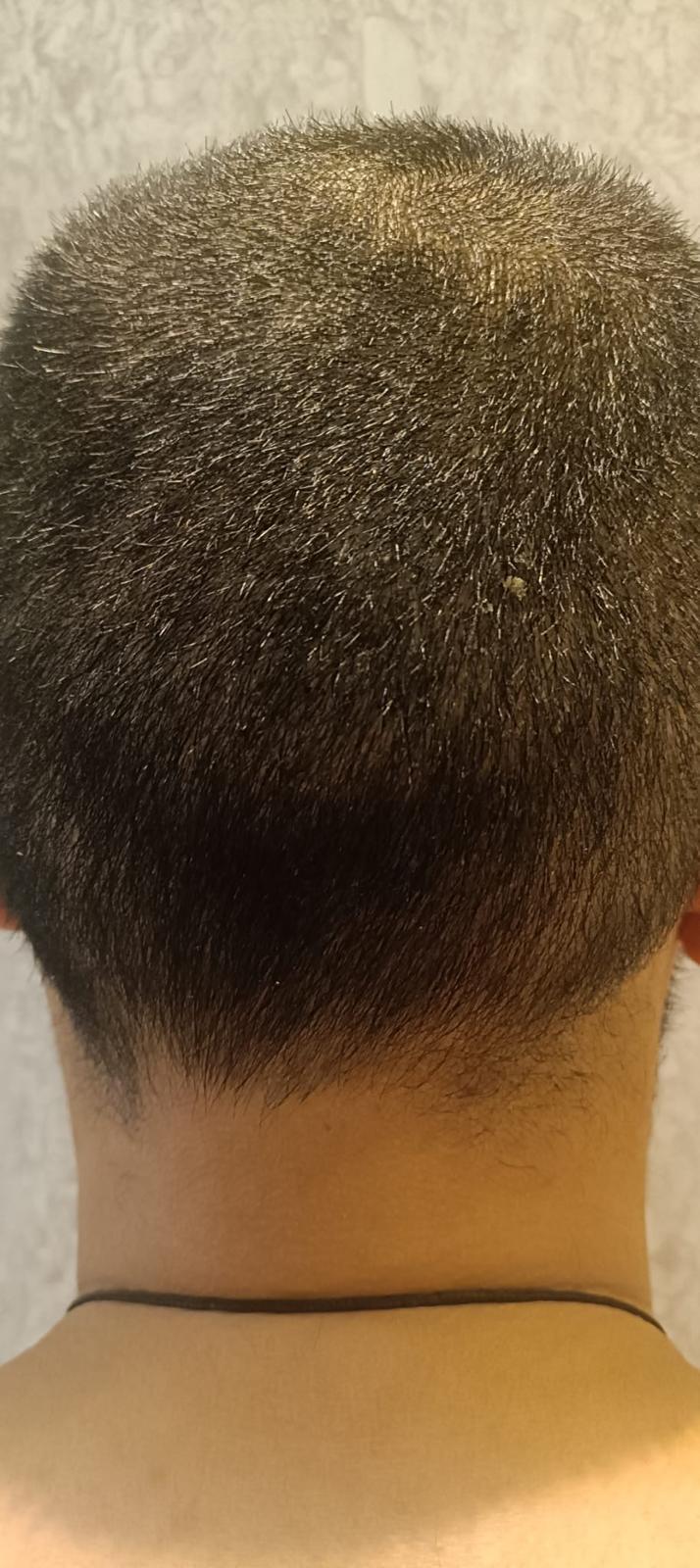 After 28 Days of Surgery
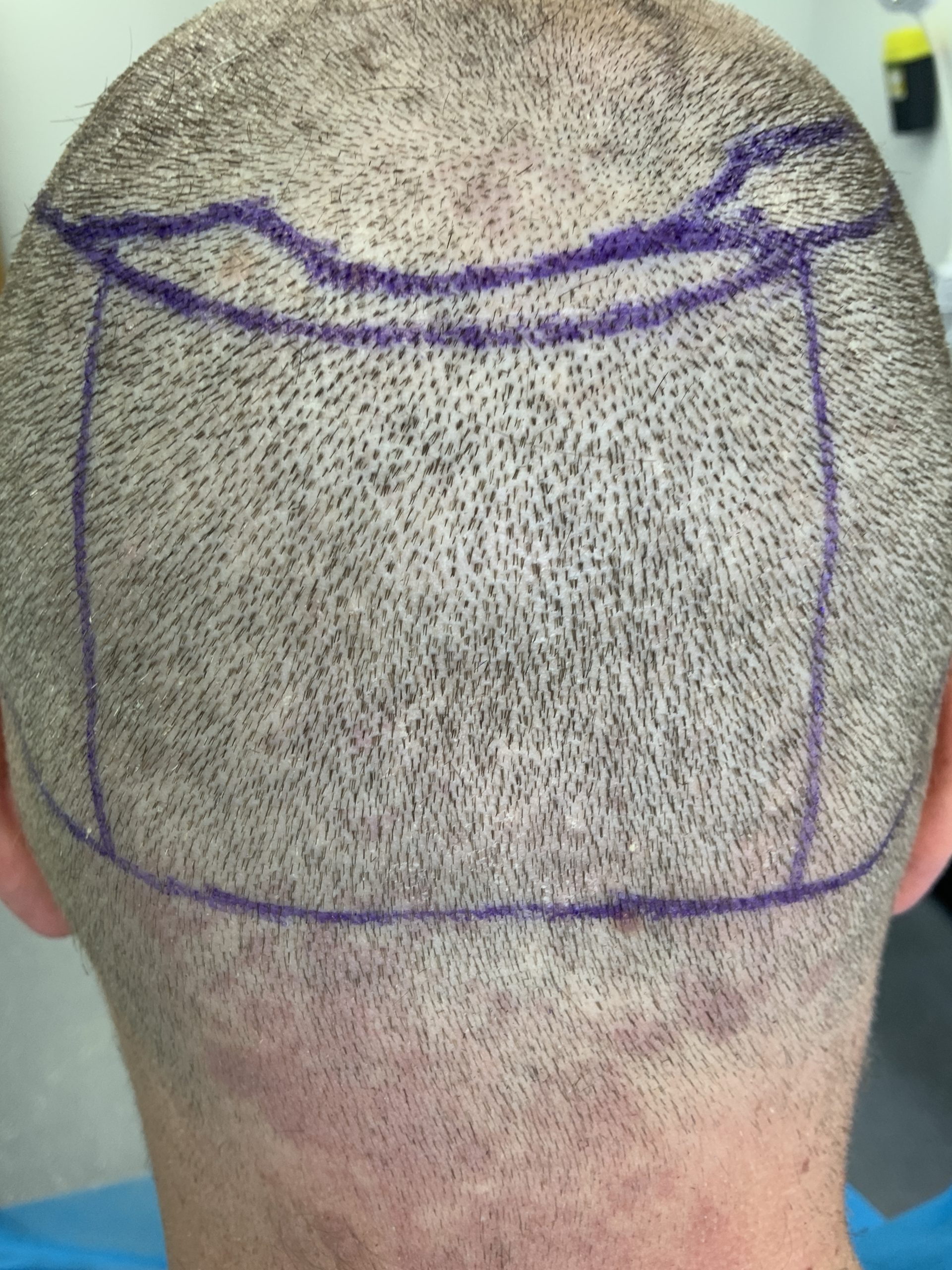 Before the surgery
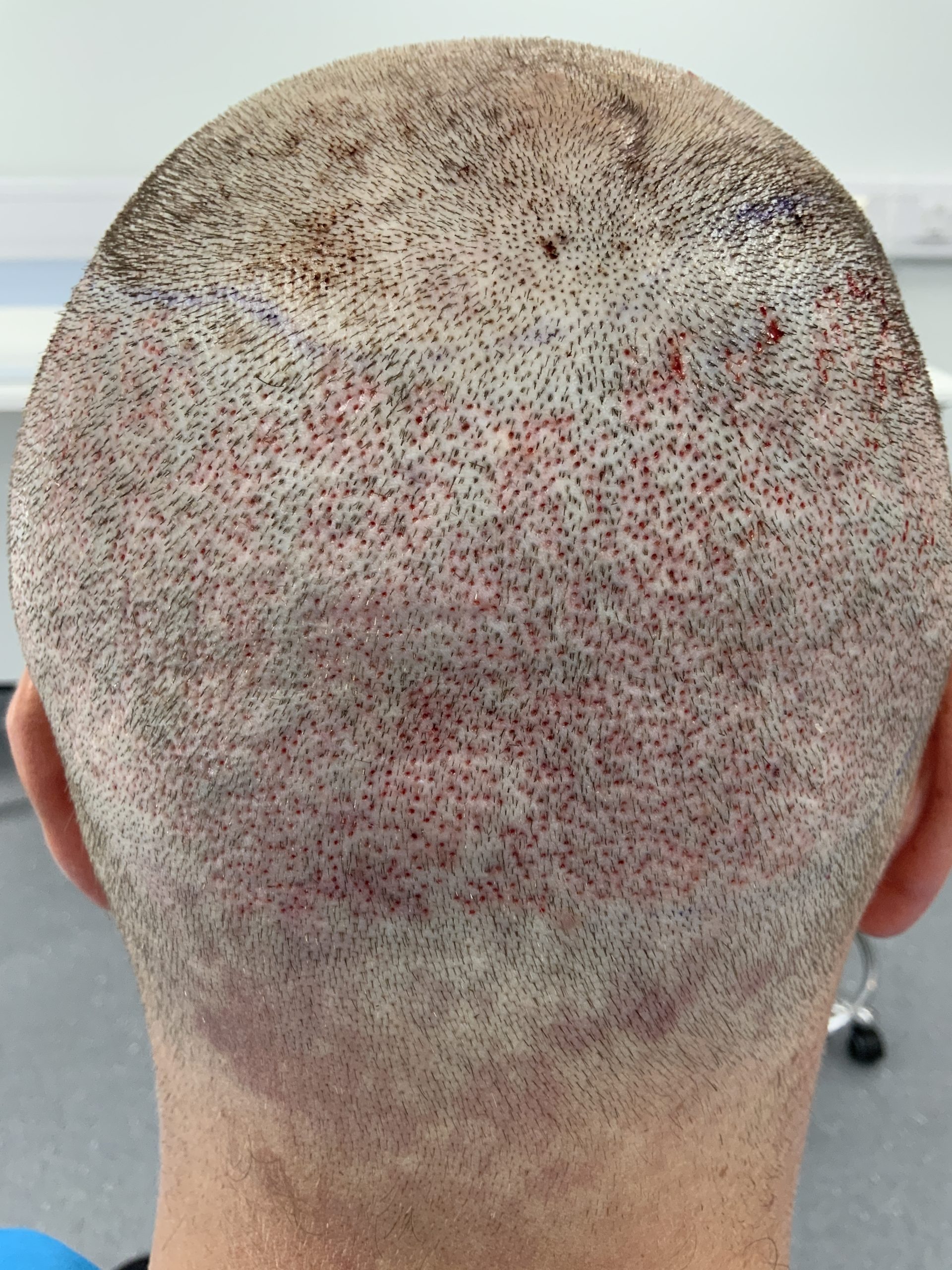 Day of the surgery 1
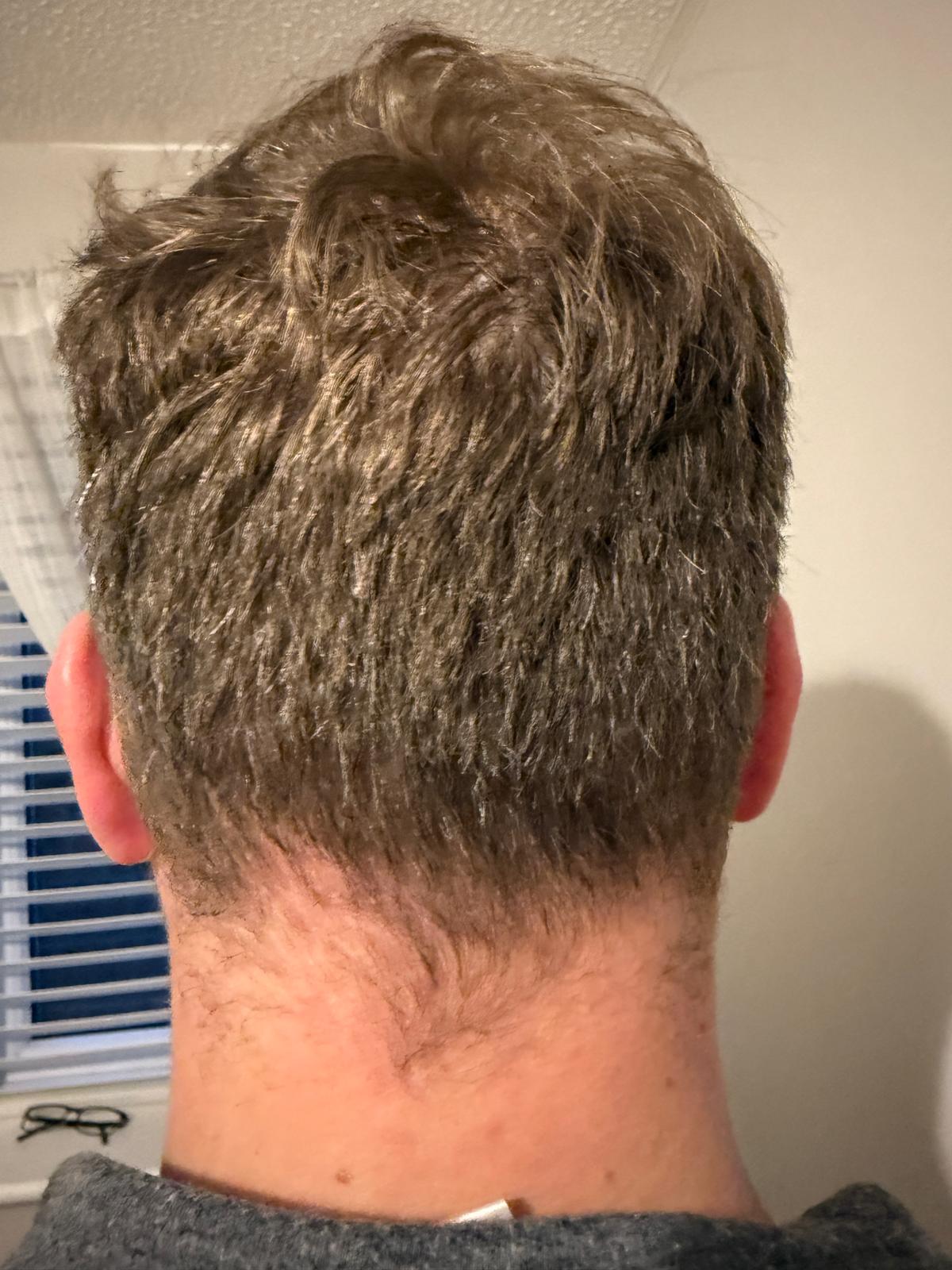 12 Months after the surgery
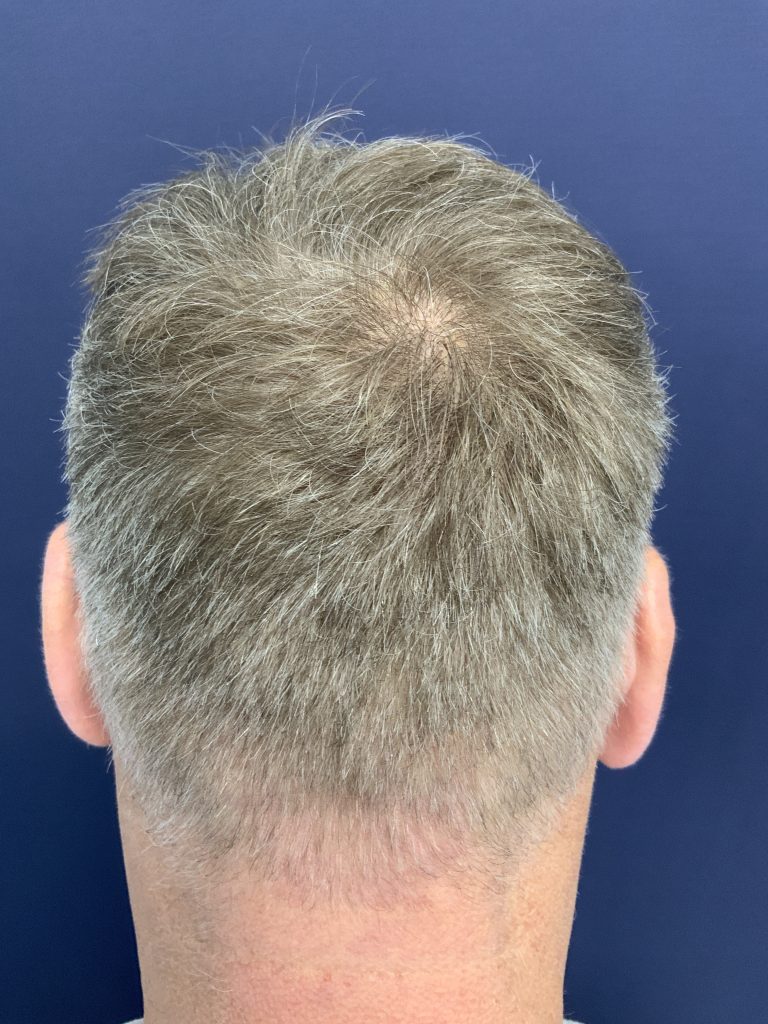 Before Donor
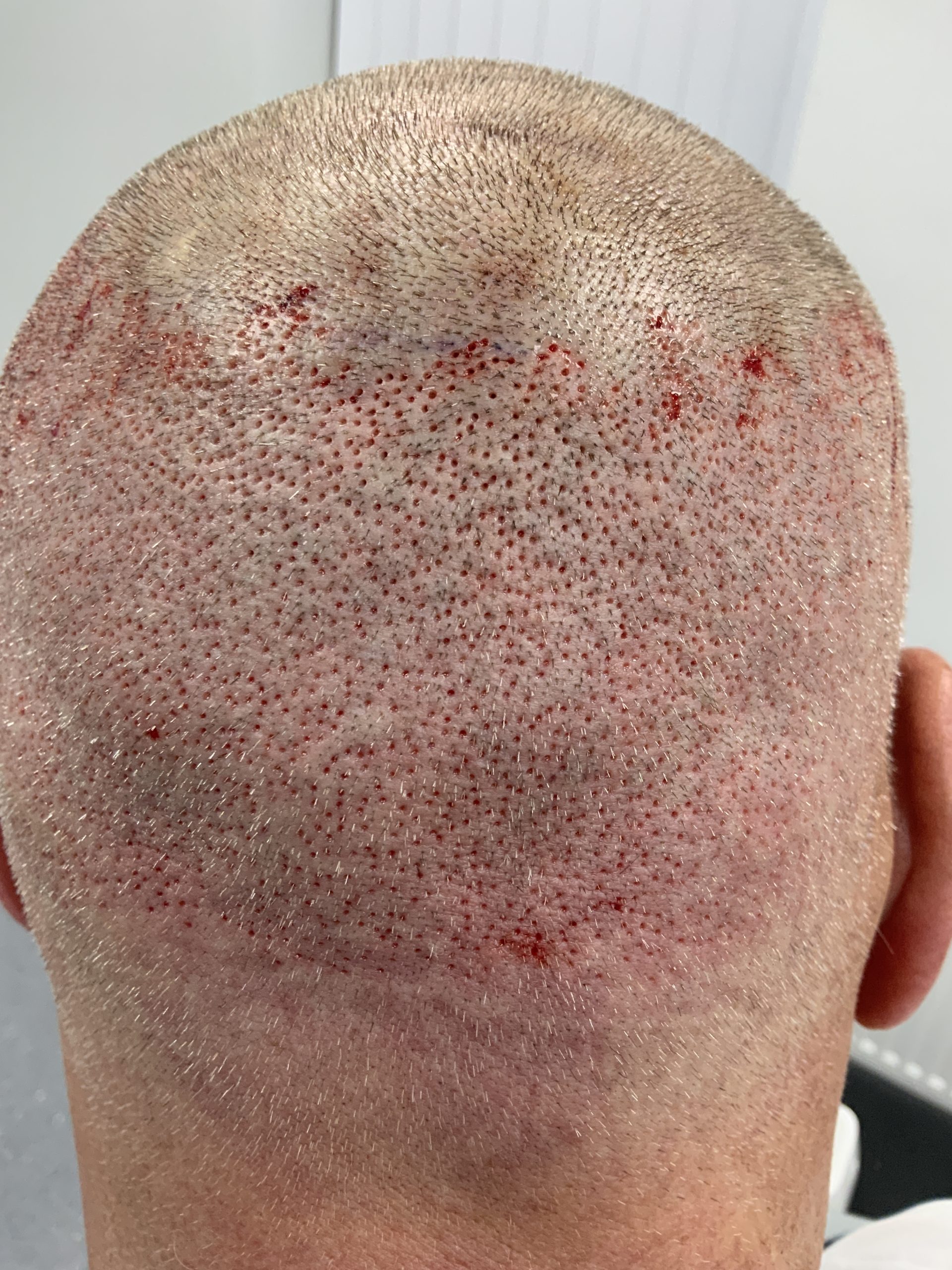 Day 1
Day 1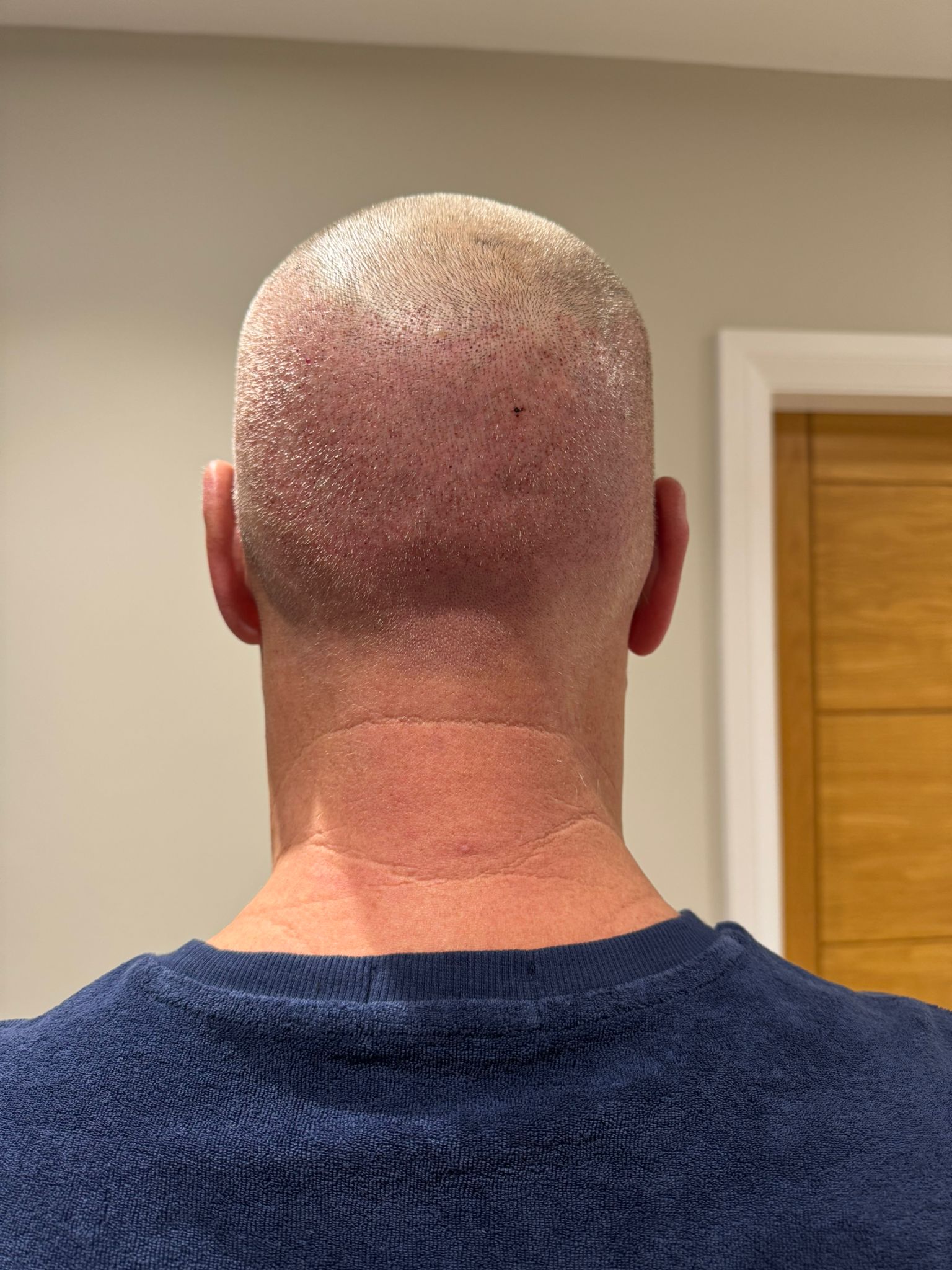 Day 7
Day 7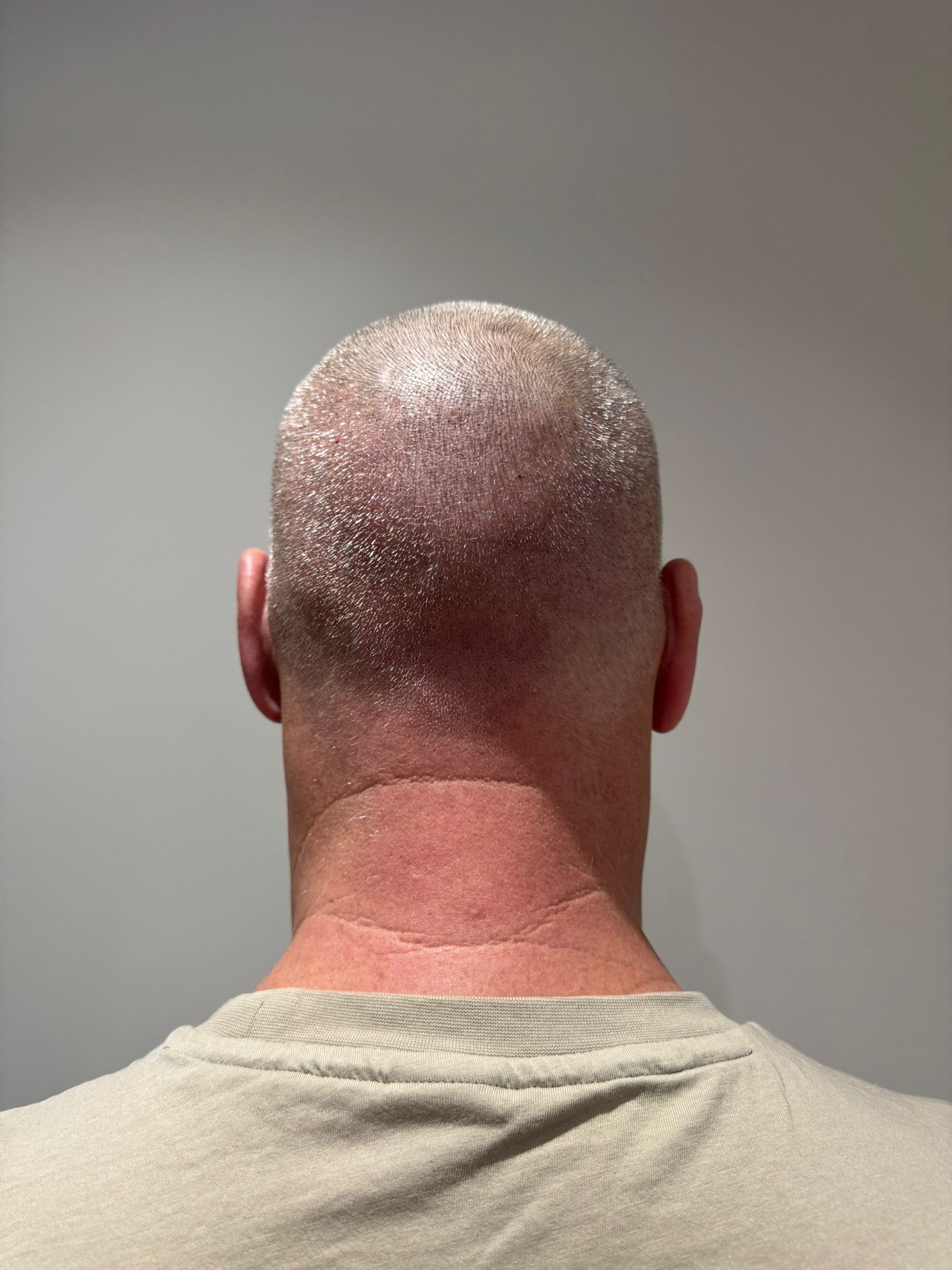 4 Weeks
 6 Weeks
 8 Weeks
 12 Weeks
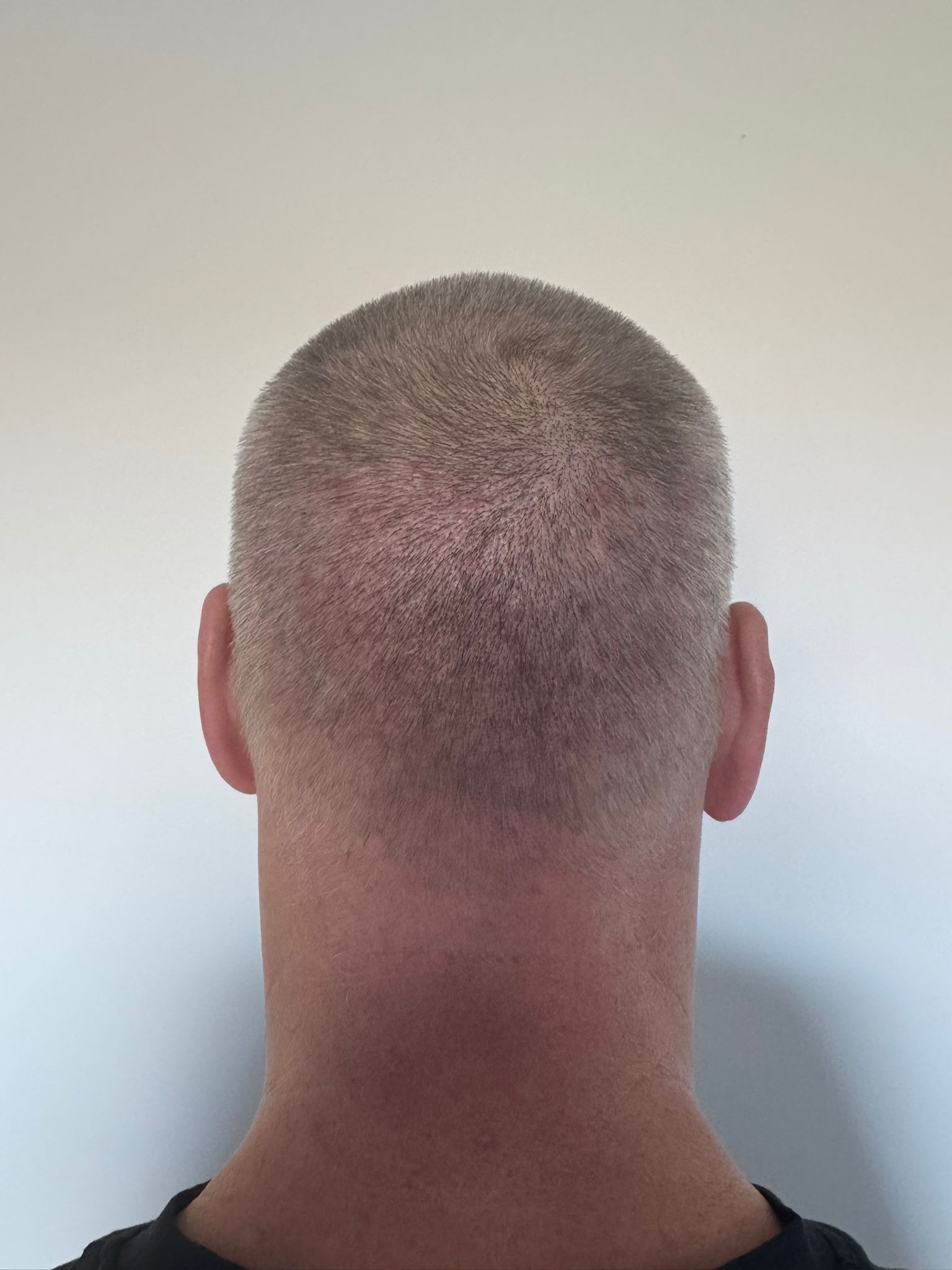 20 Weeks
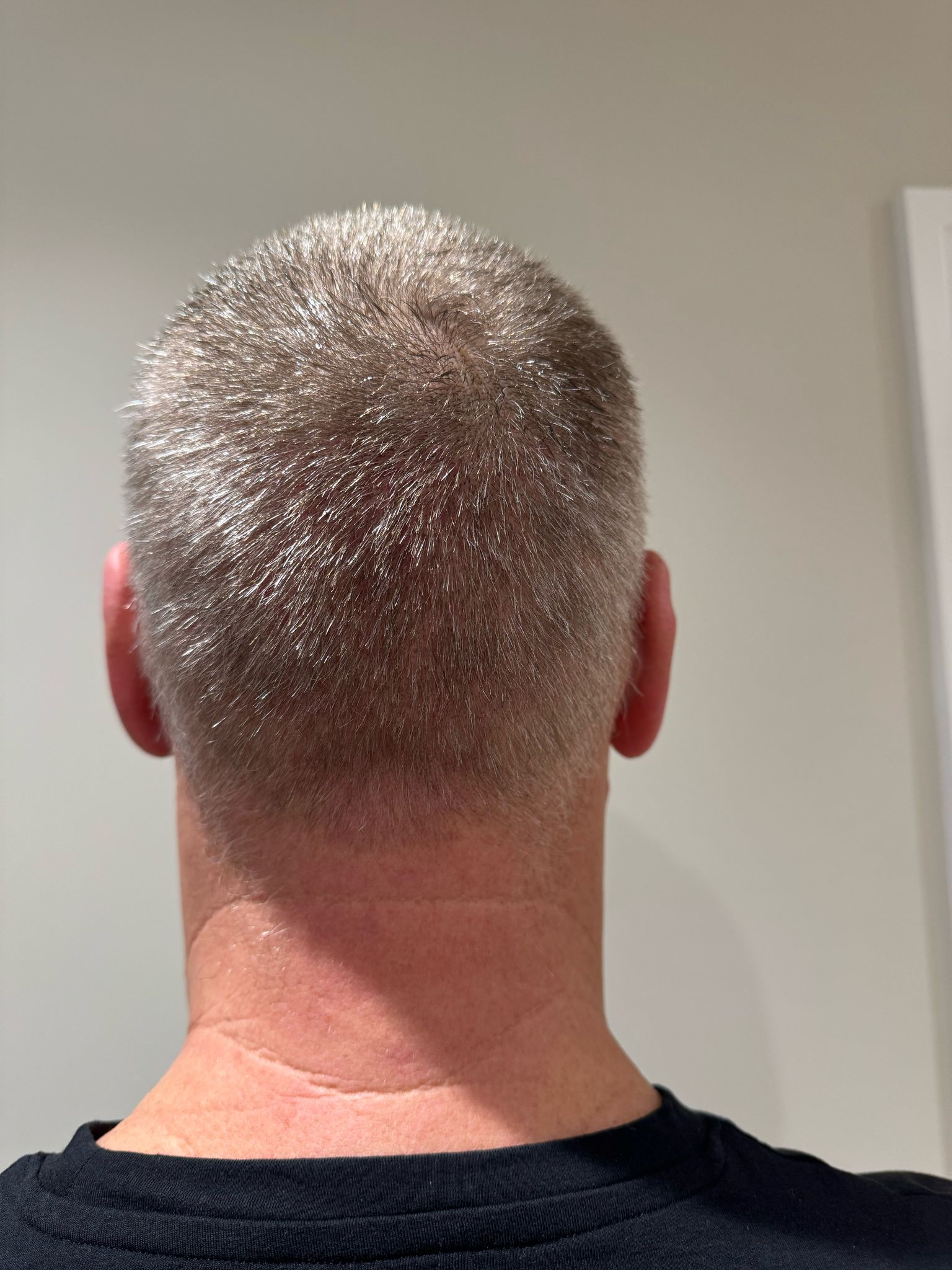 28 Weeks
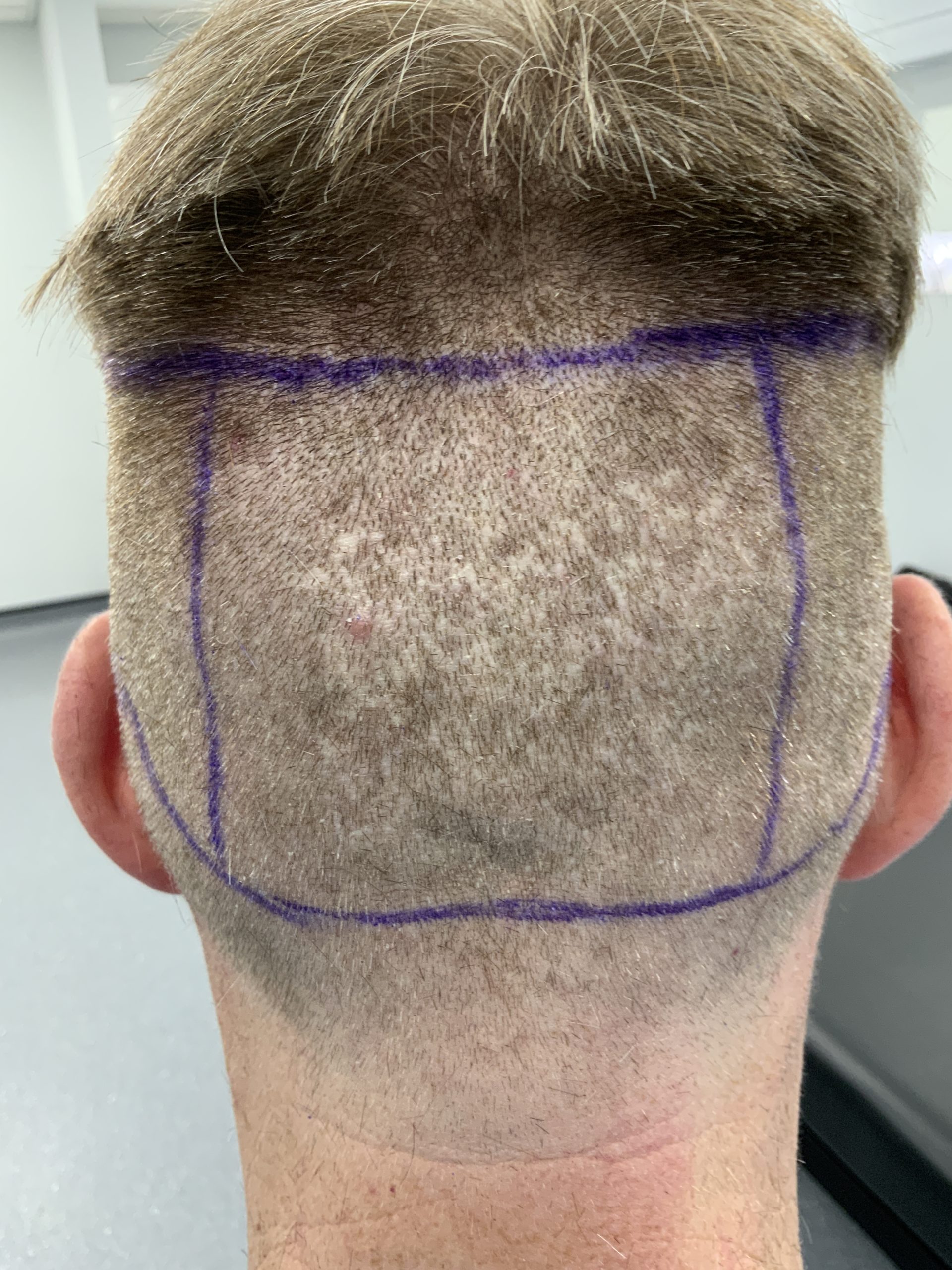 Before the surgery
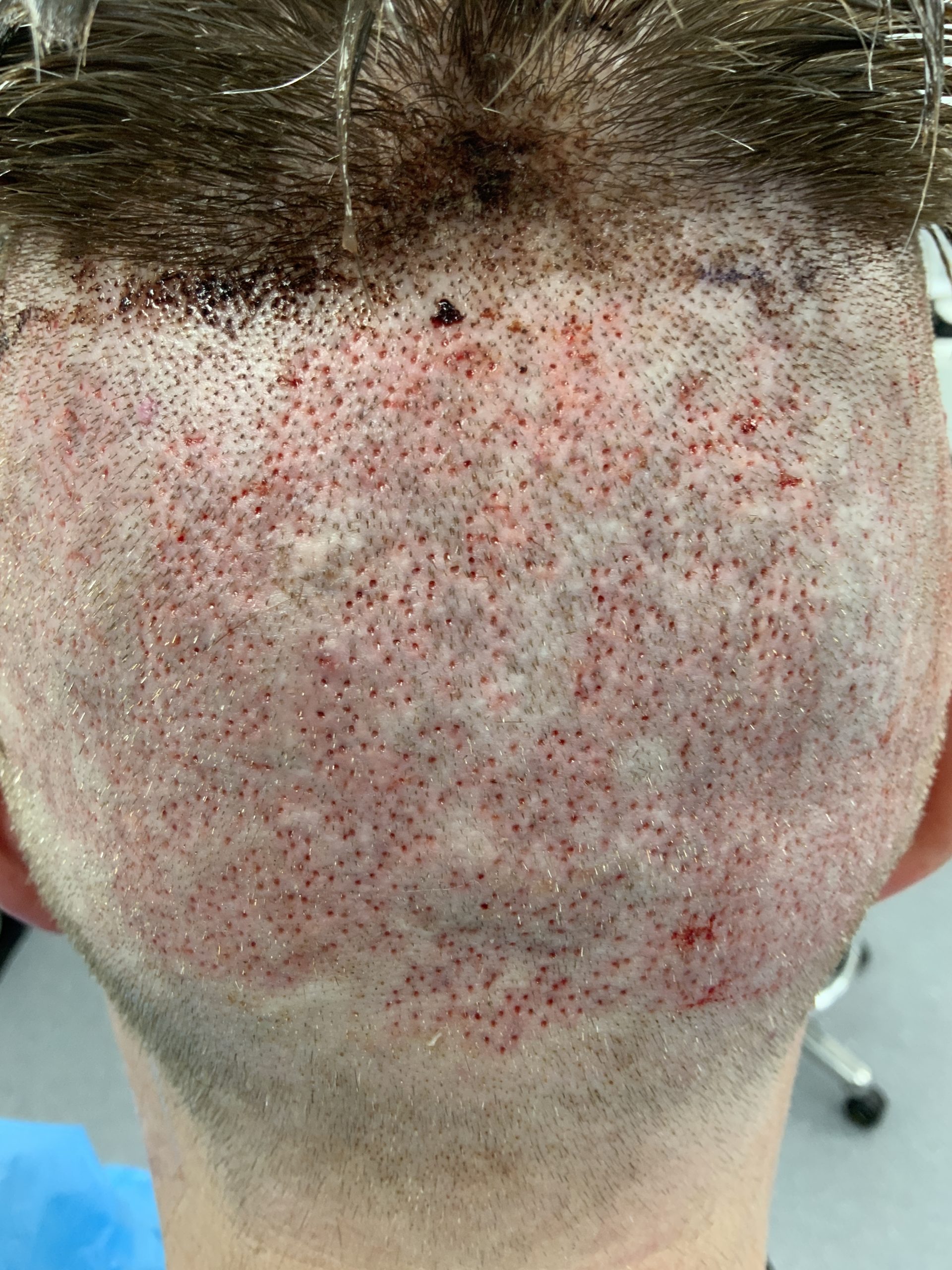 On the day of the surgery
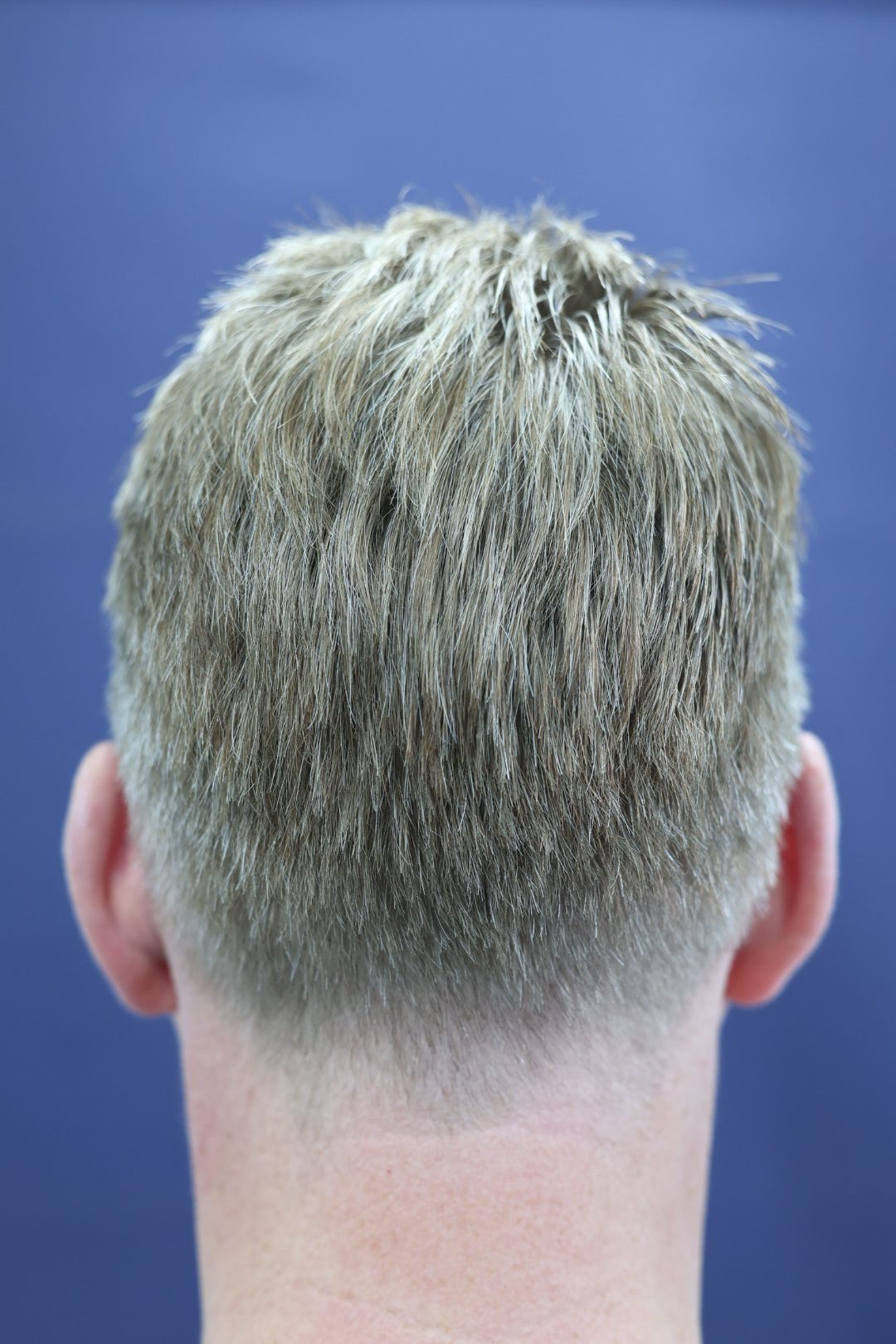 10 Months after the surgery
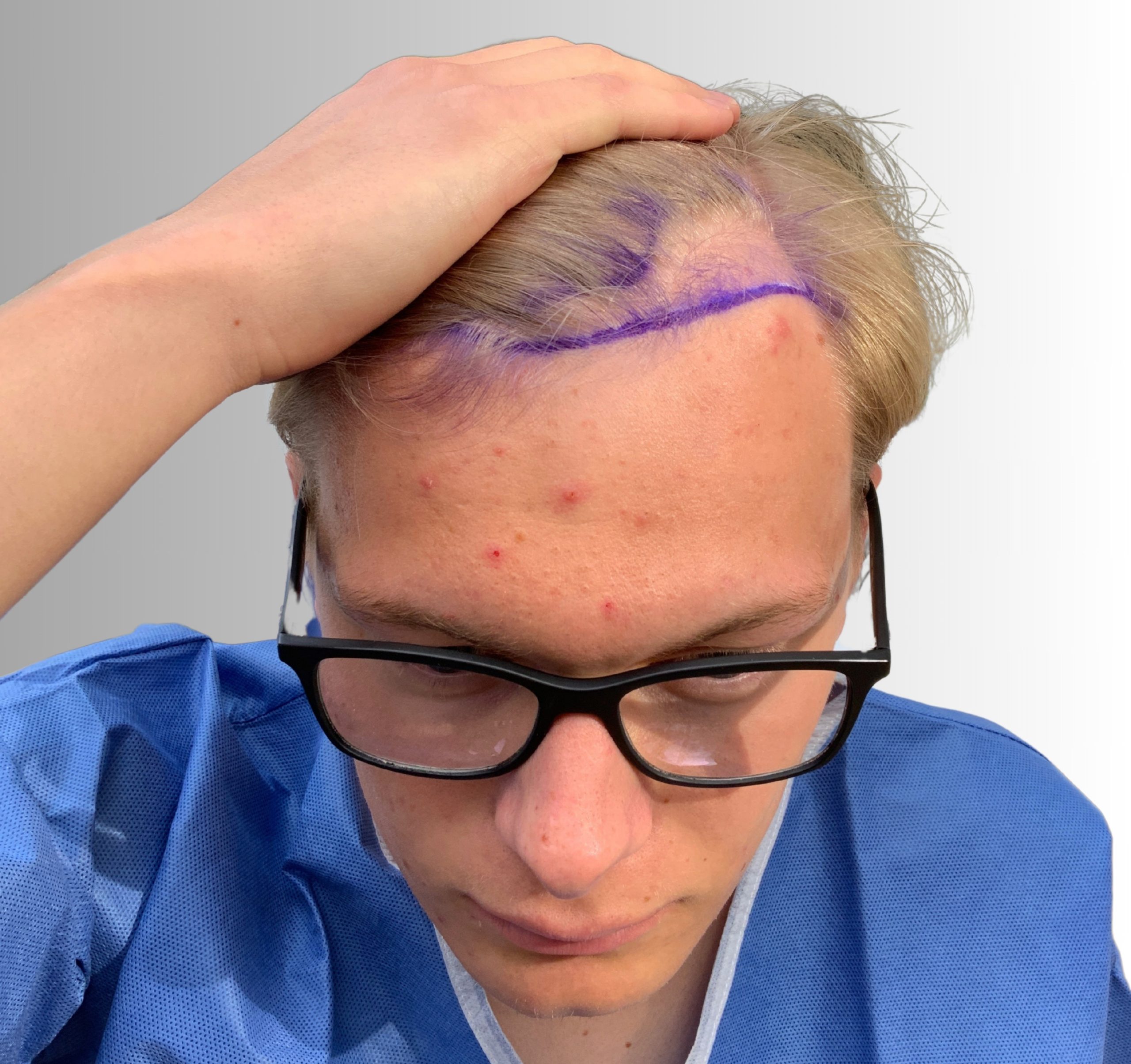 Before the surgery
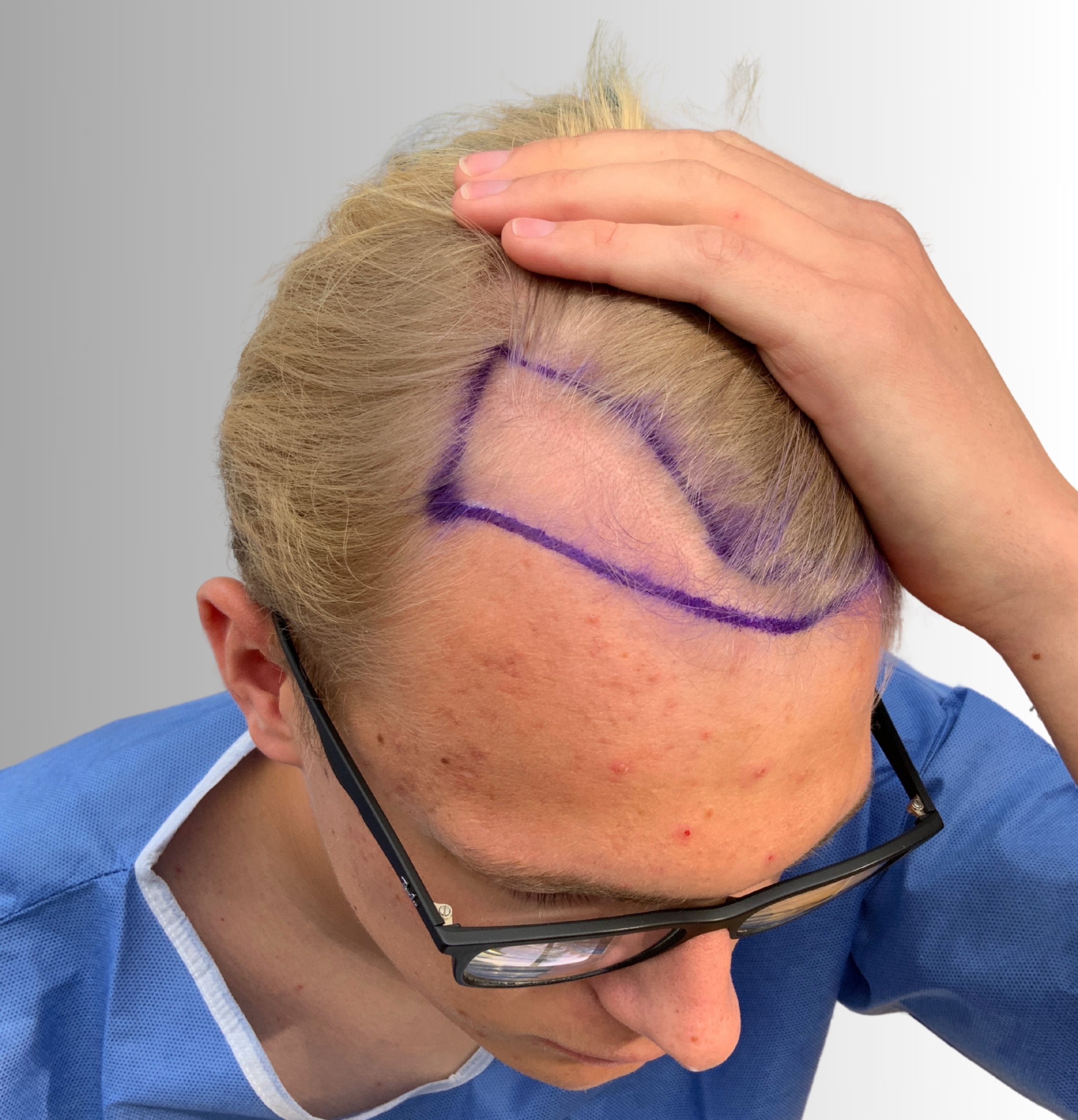 Before the surgery
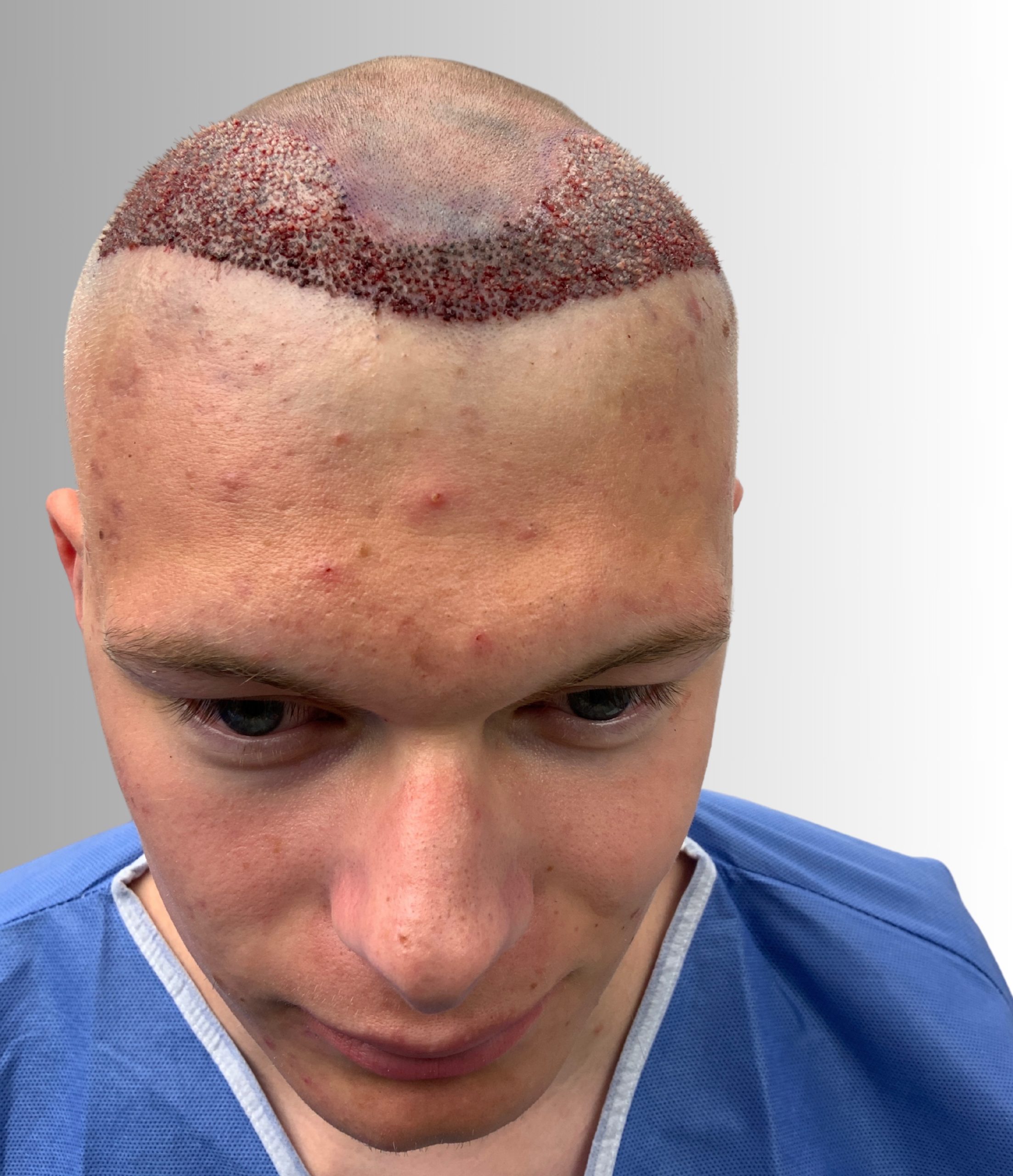 On the day of the surgery
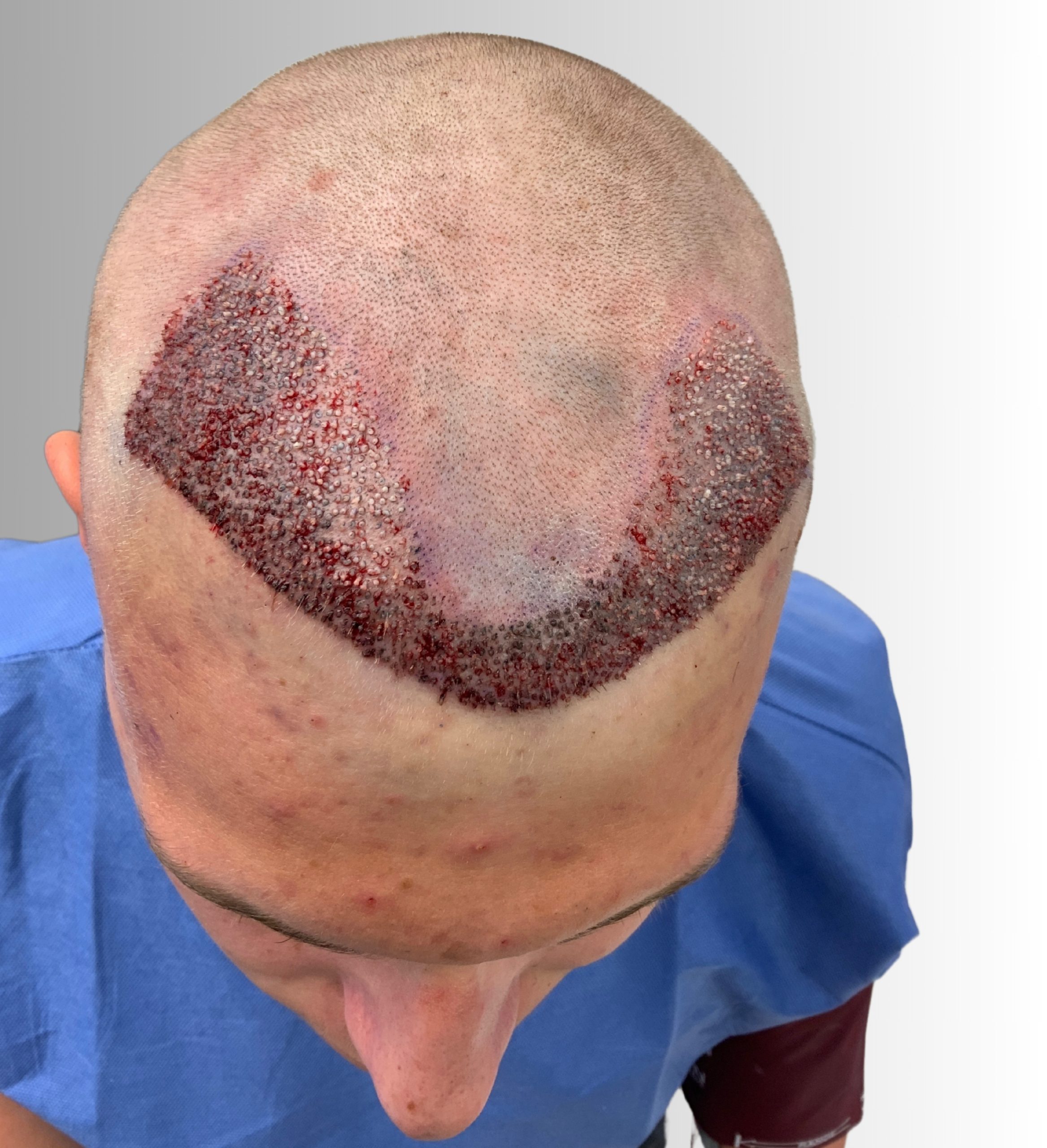 On the day of the surgery
 After 15 months
 After 15 months
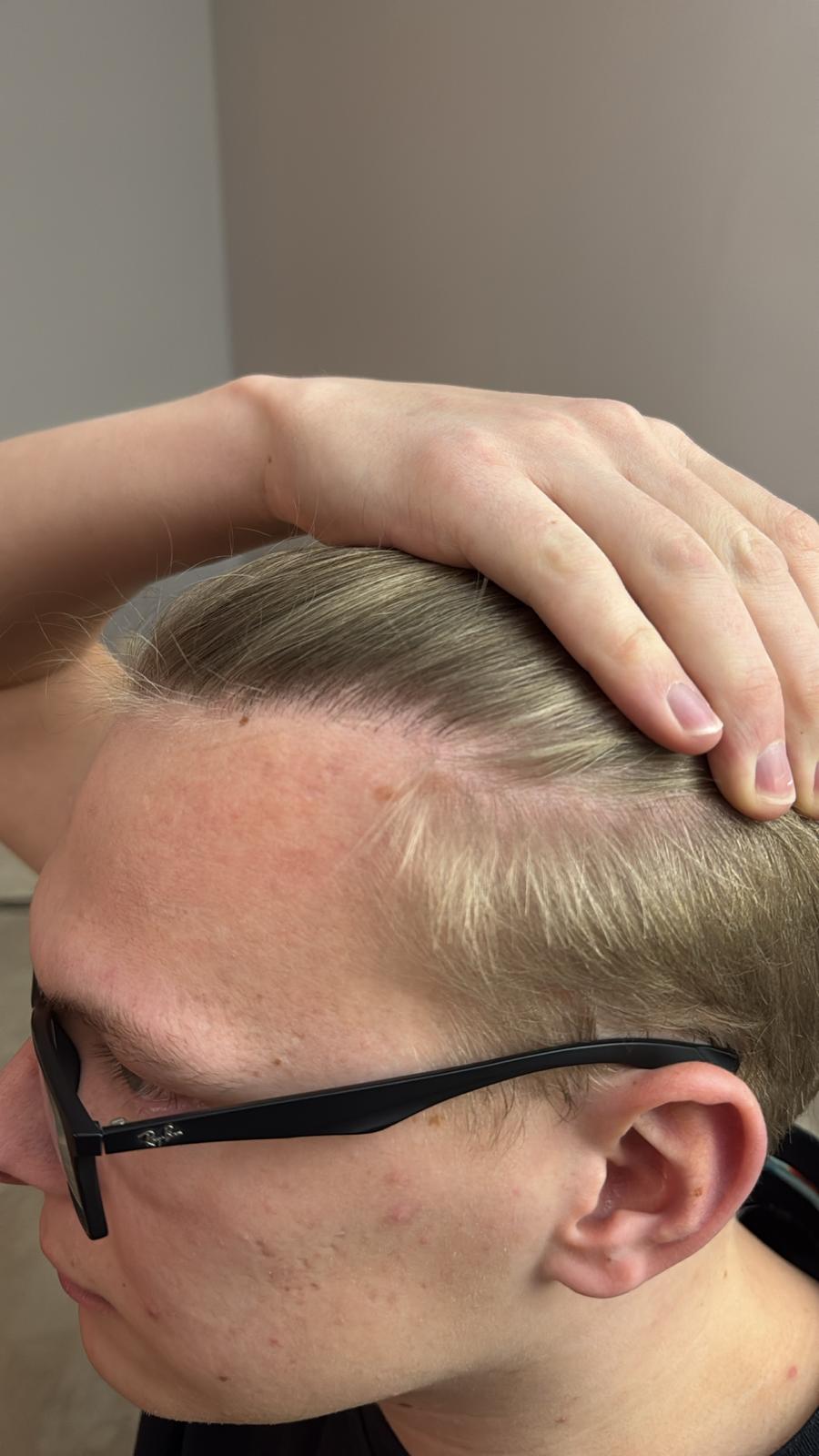 After 15 months
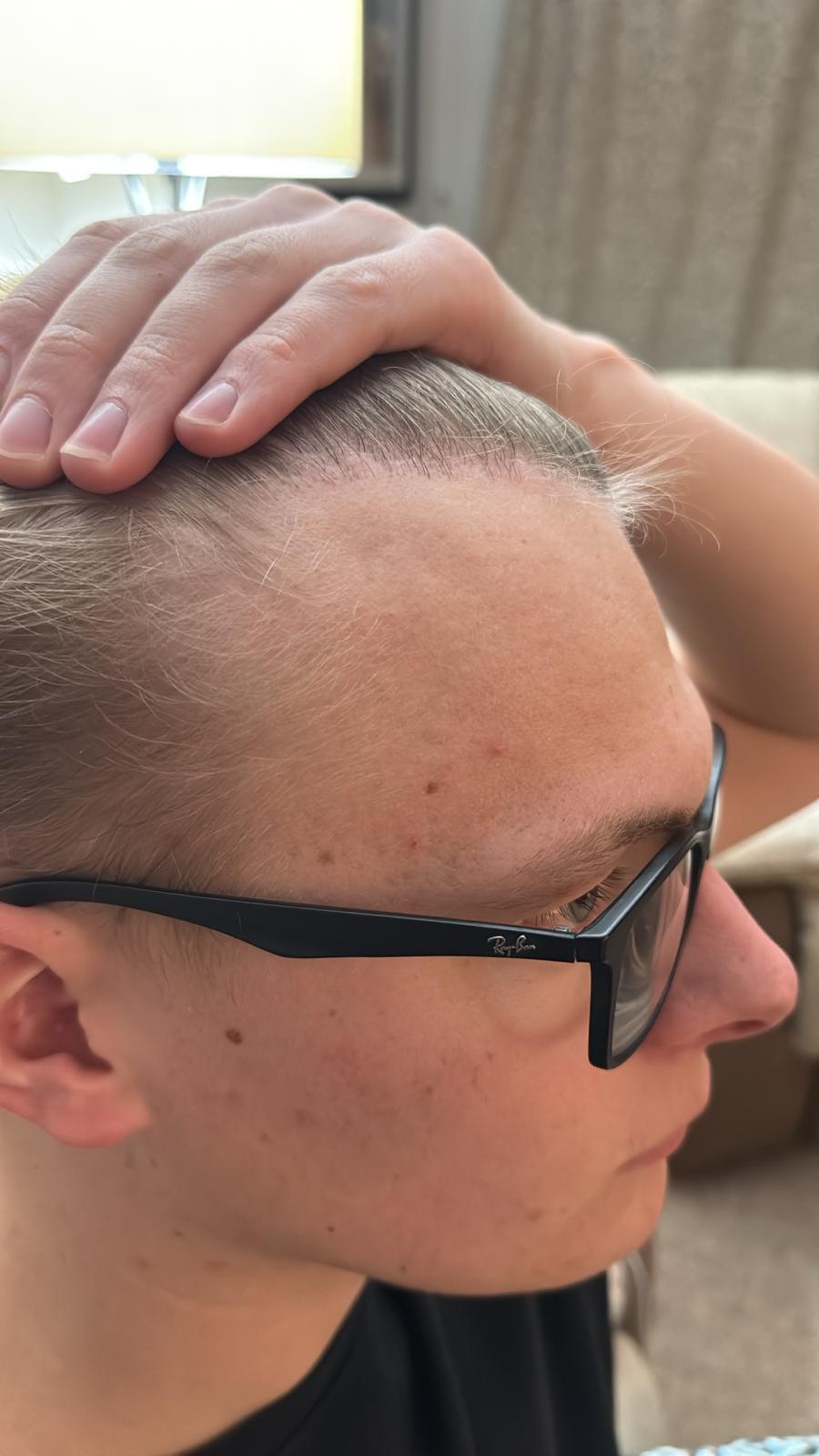 After 15 months
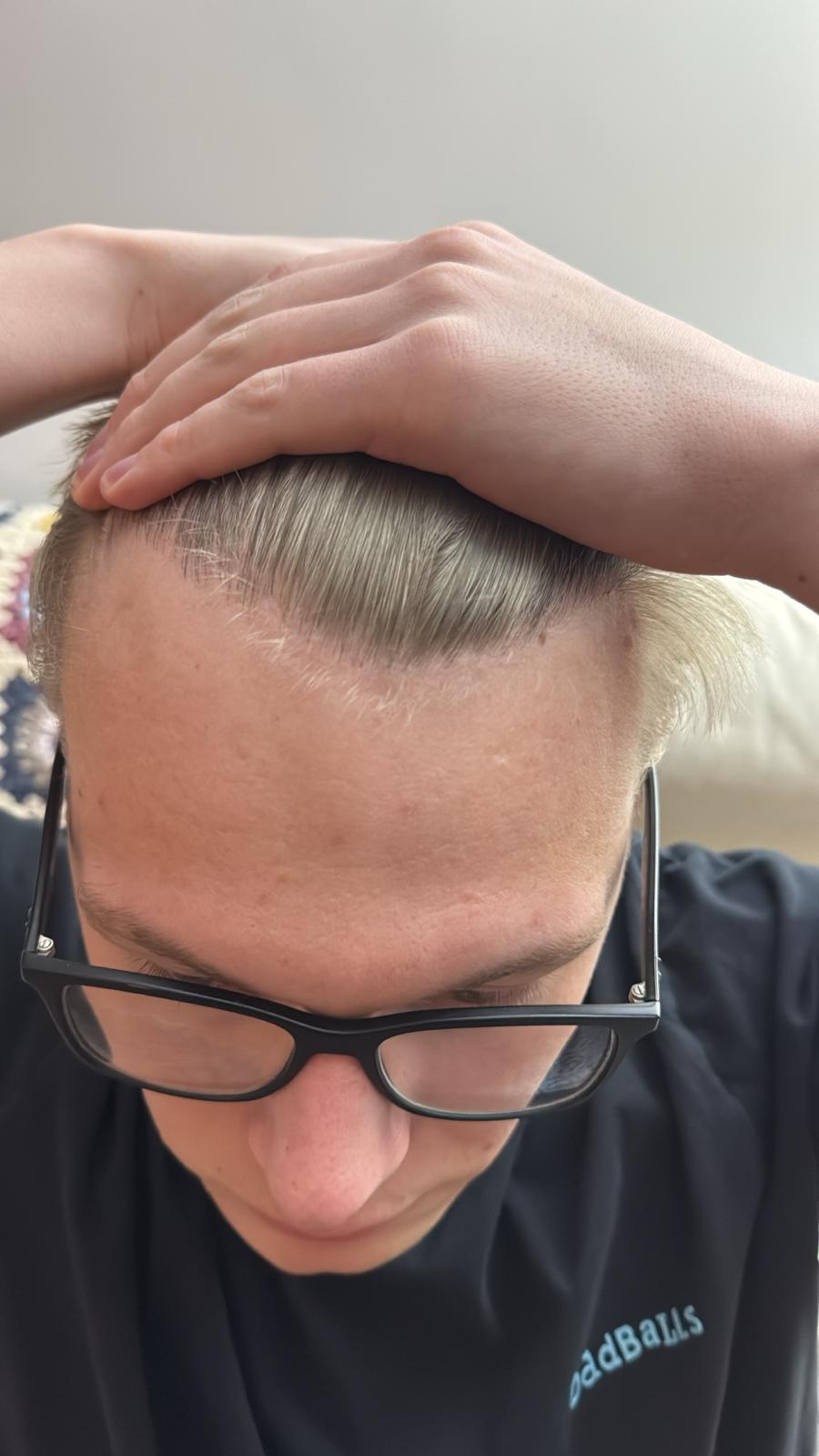 After 15 months
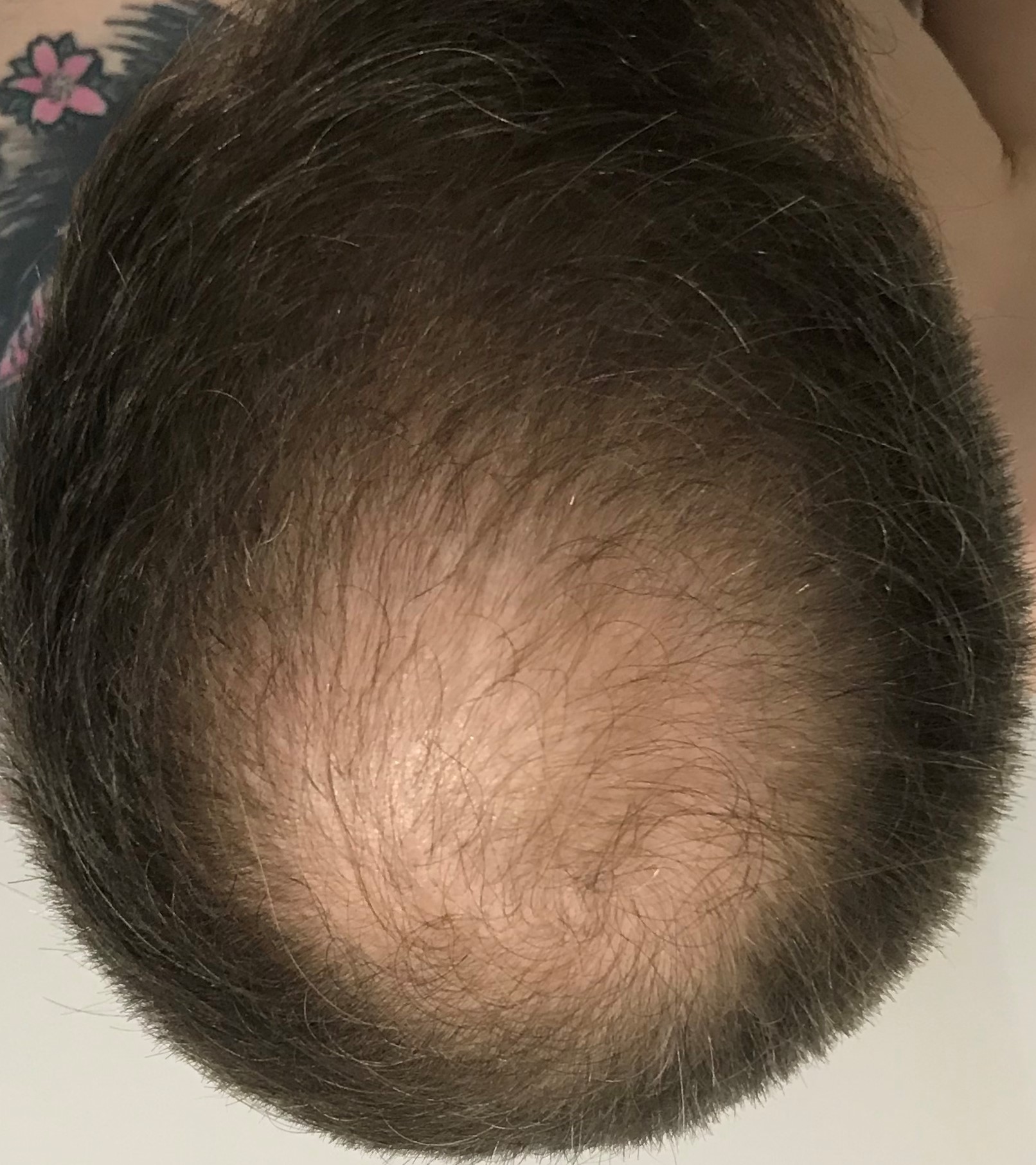 Before the surgery
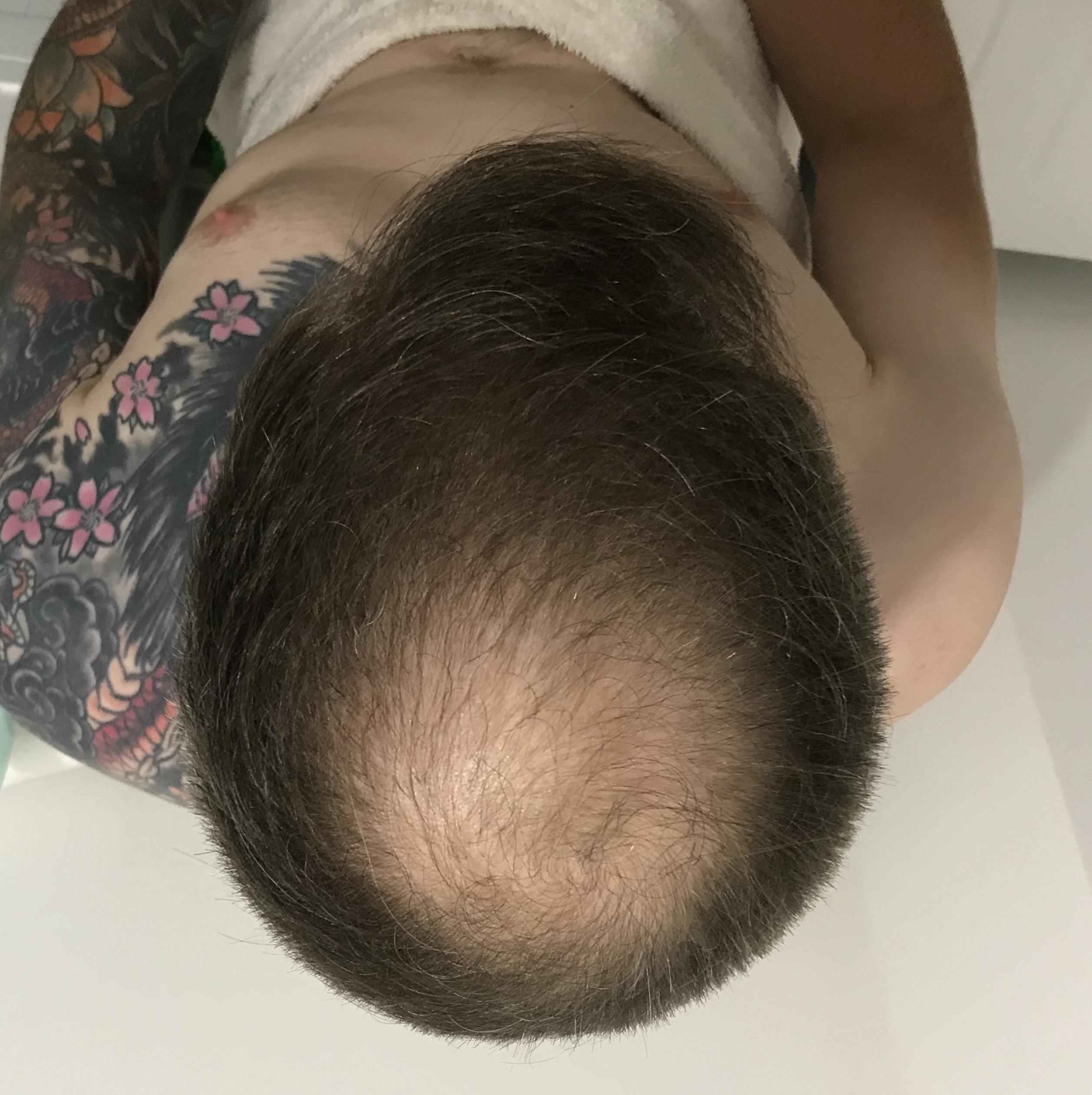 Before the surgery
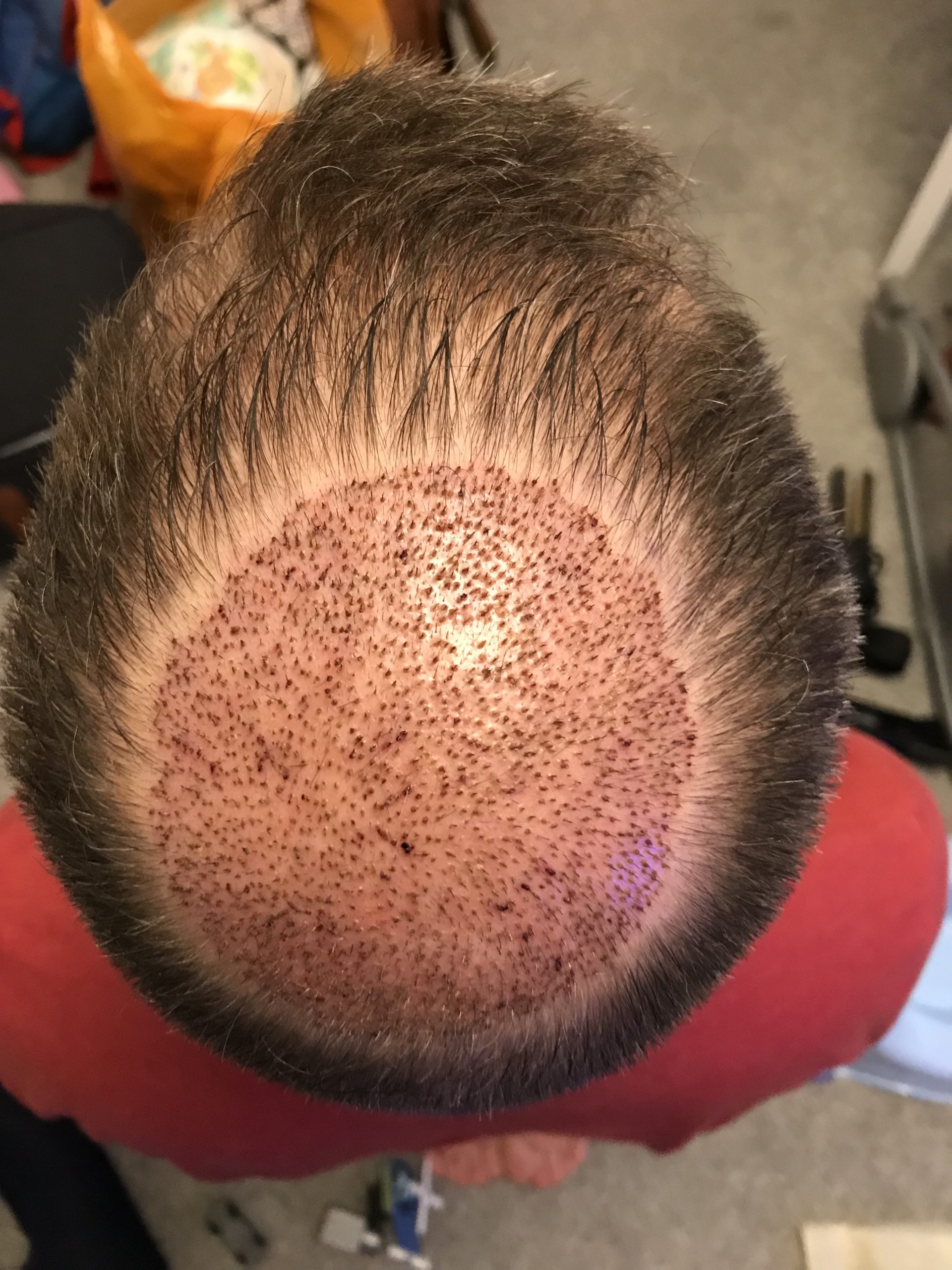 On the day of the surgery
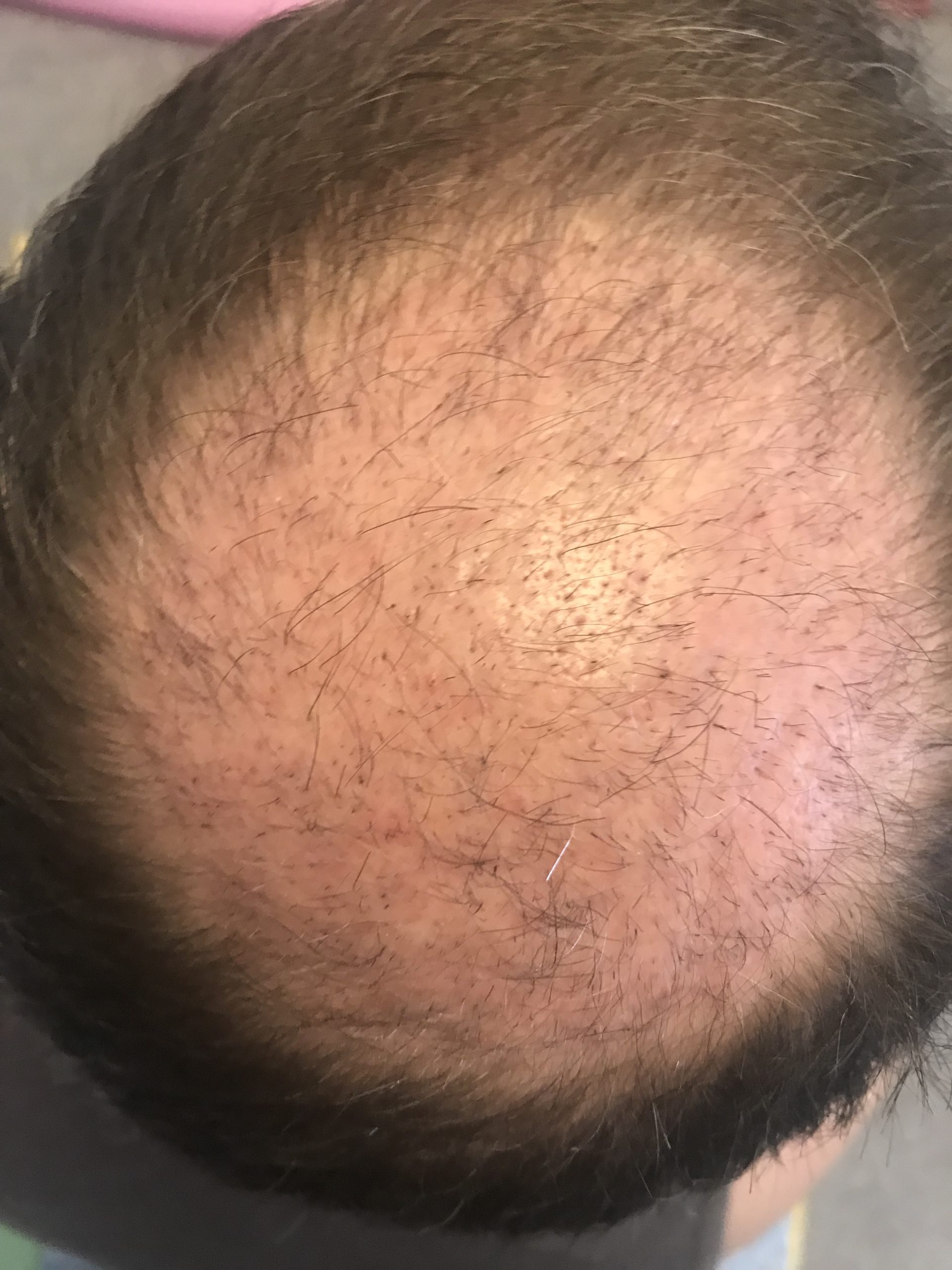 4 Months after the surgery.
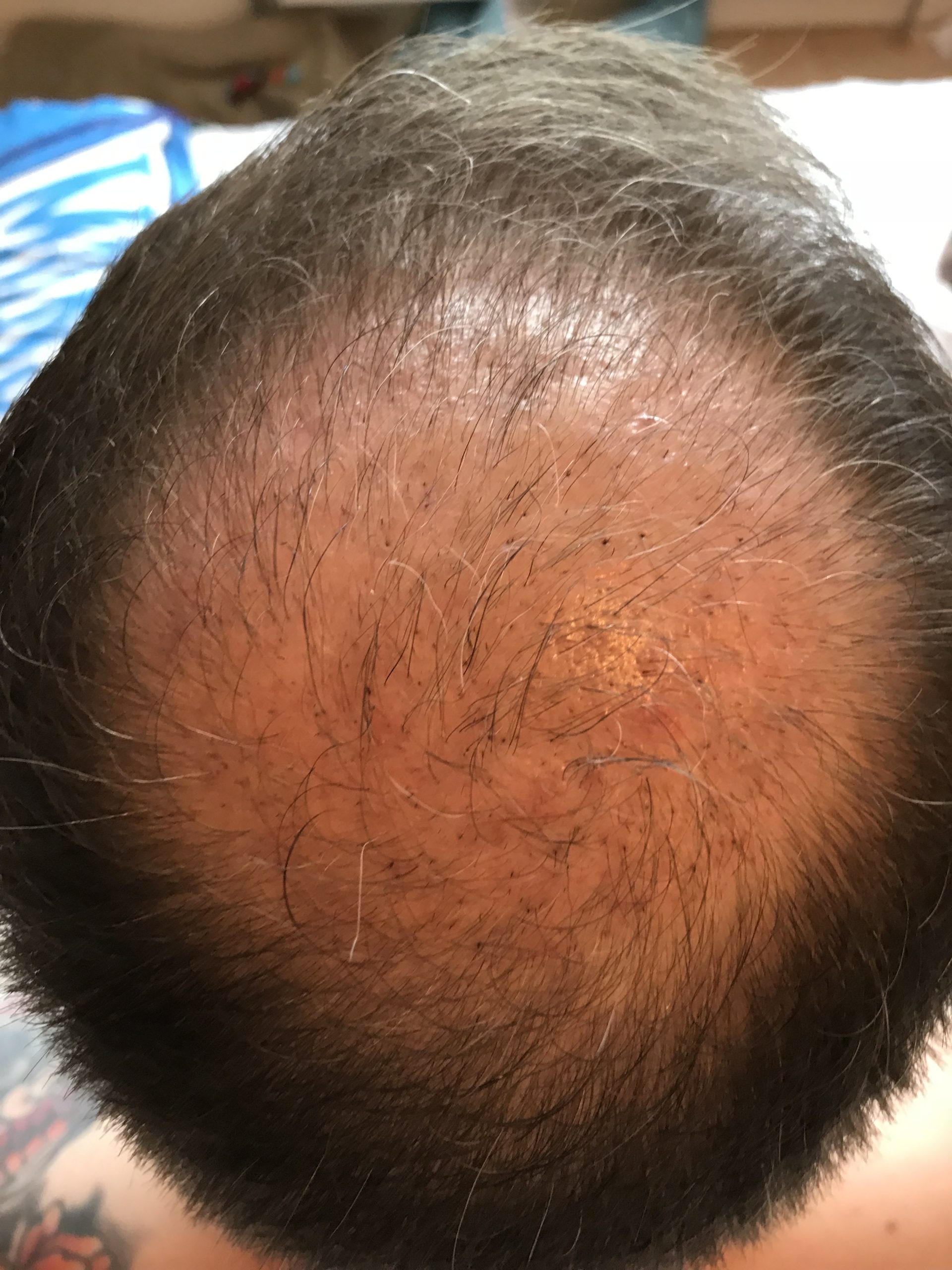 5 Months after the surgery.
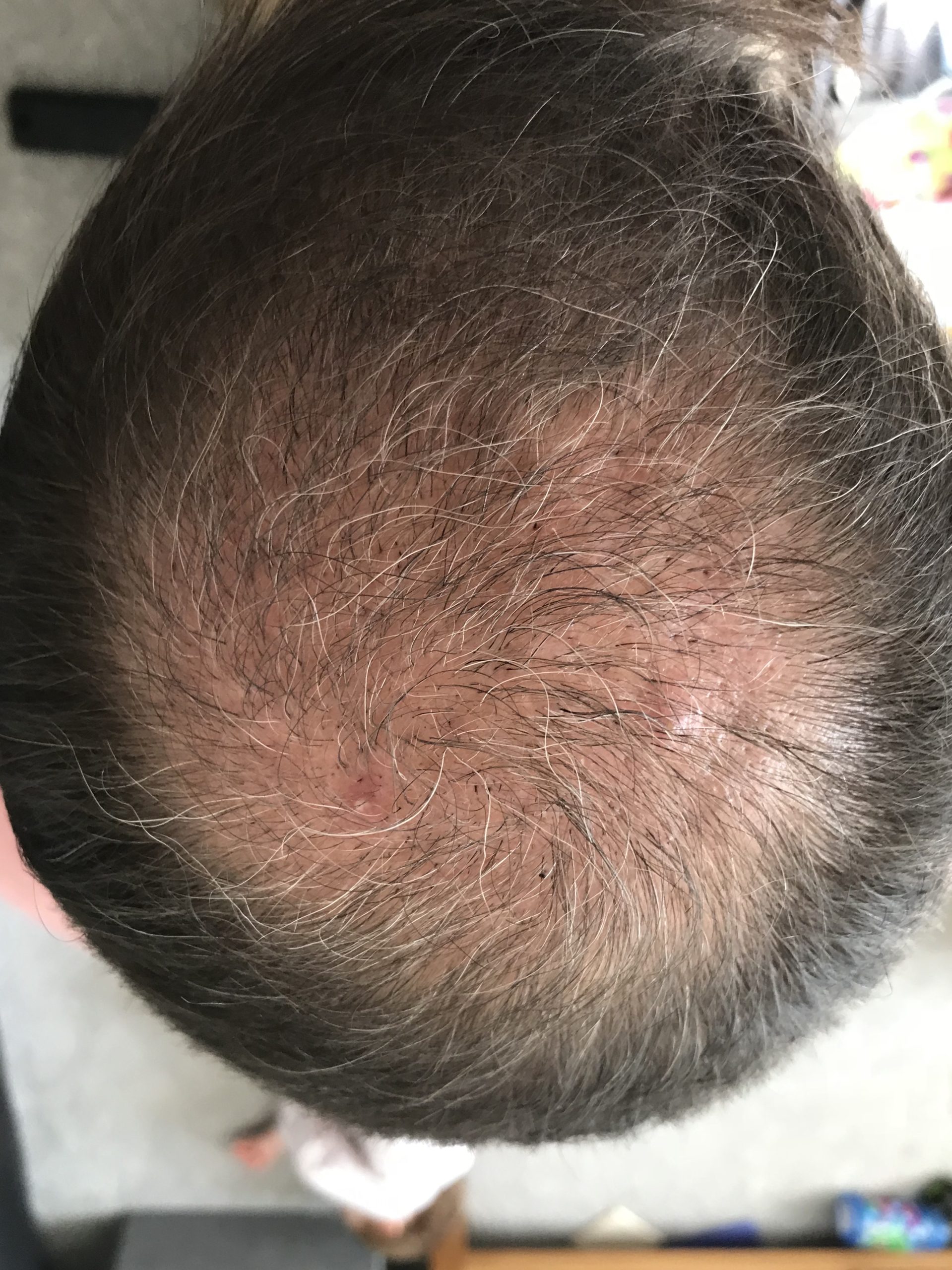 6 Months after the surgery.
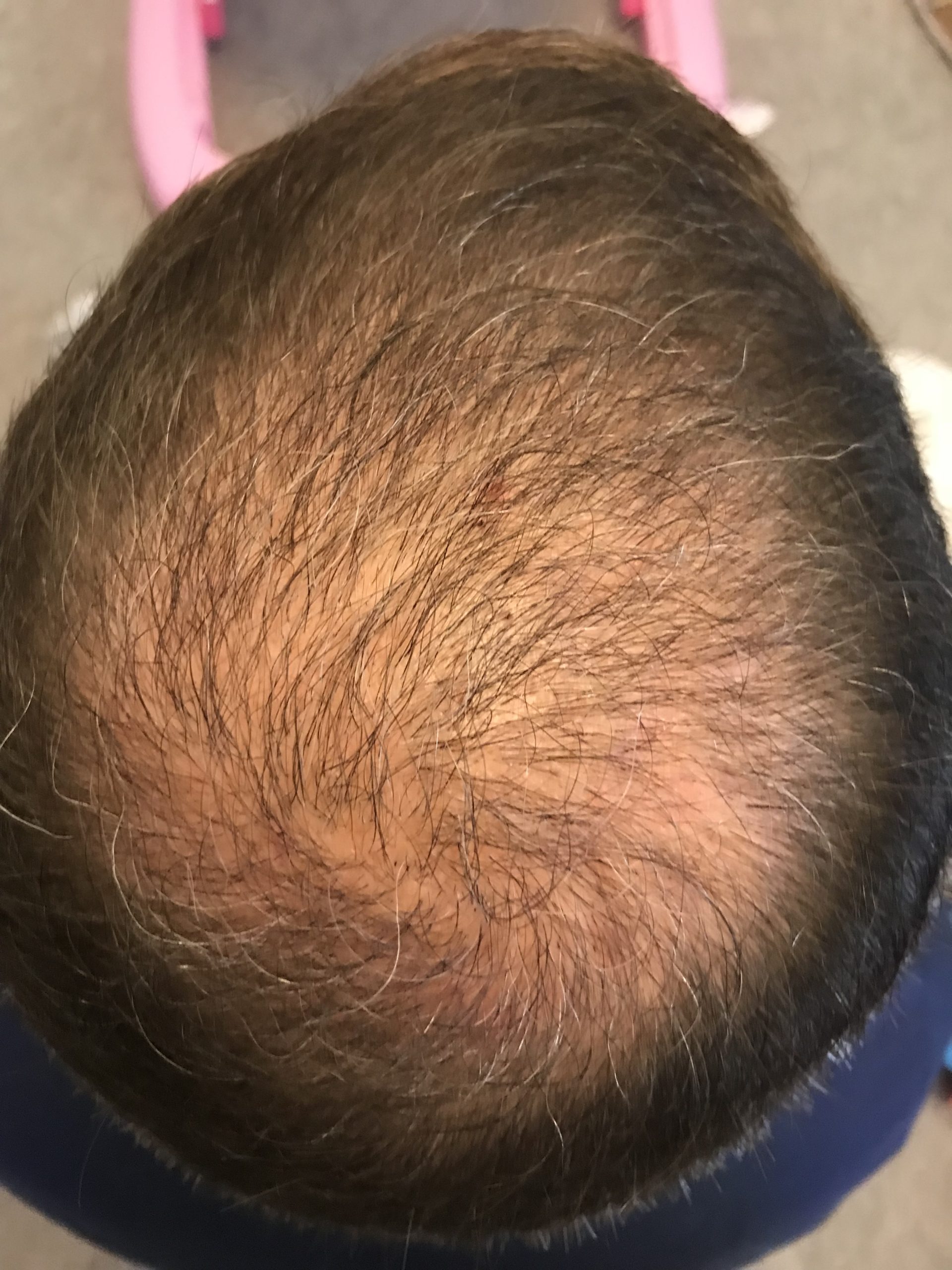 7 Months after the surgery.
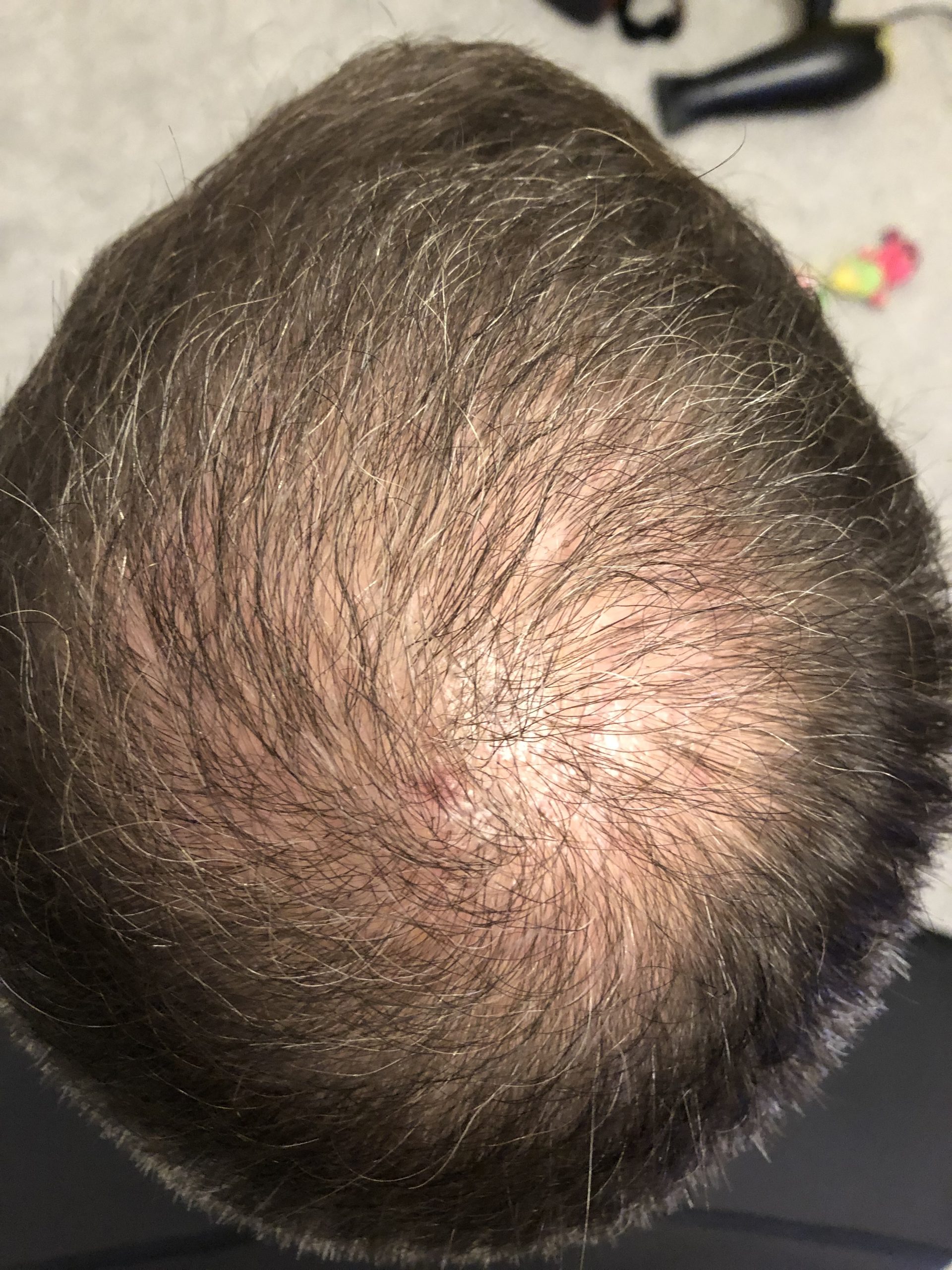 8 Months after the surgery.
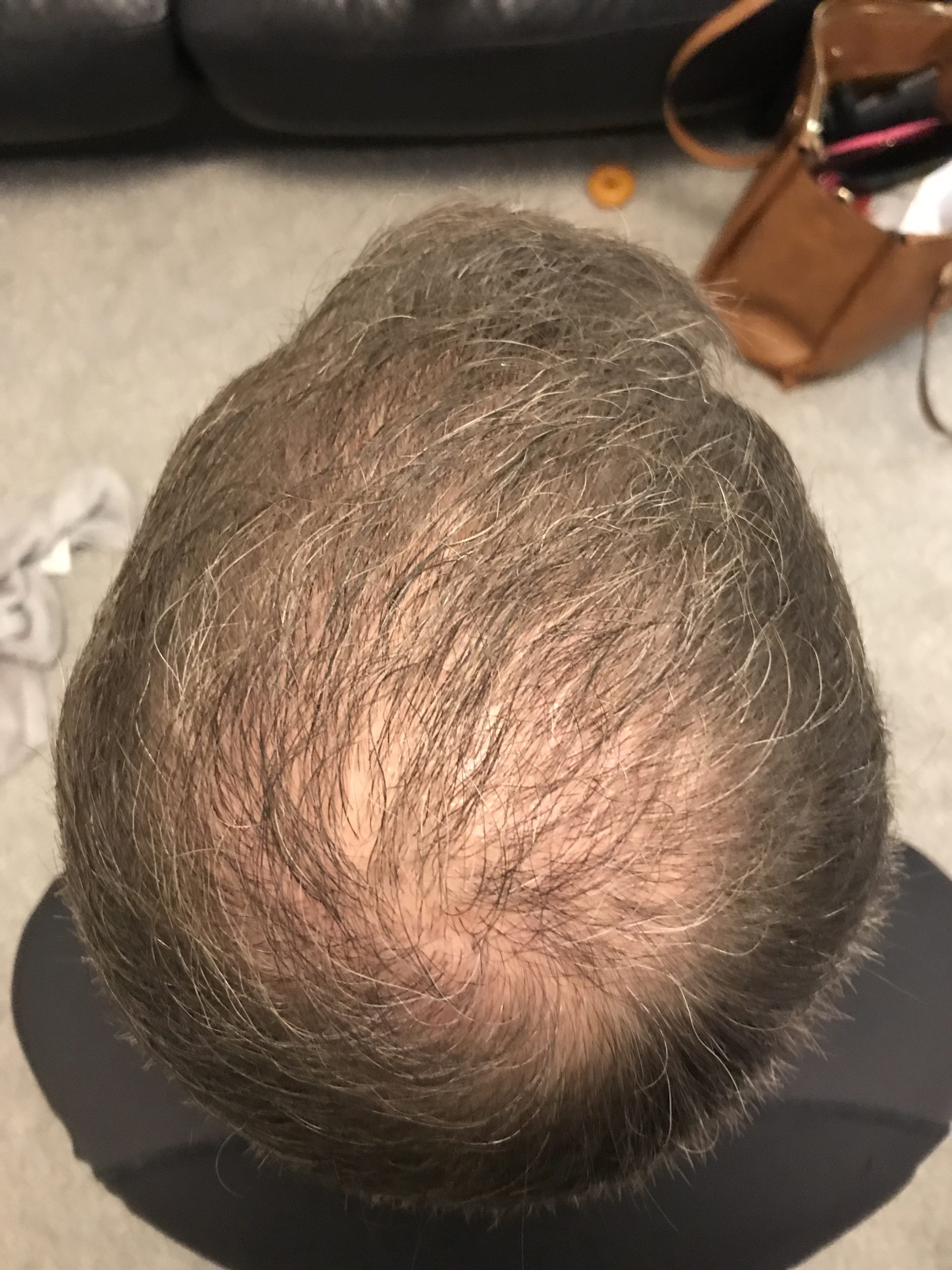 9 Months after the surgery.
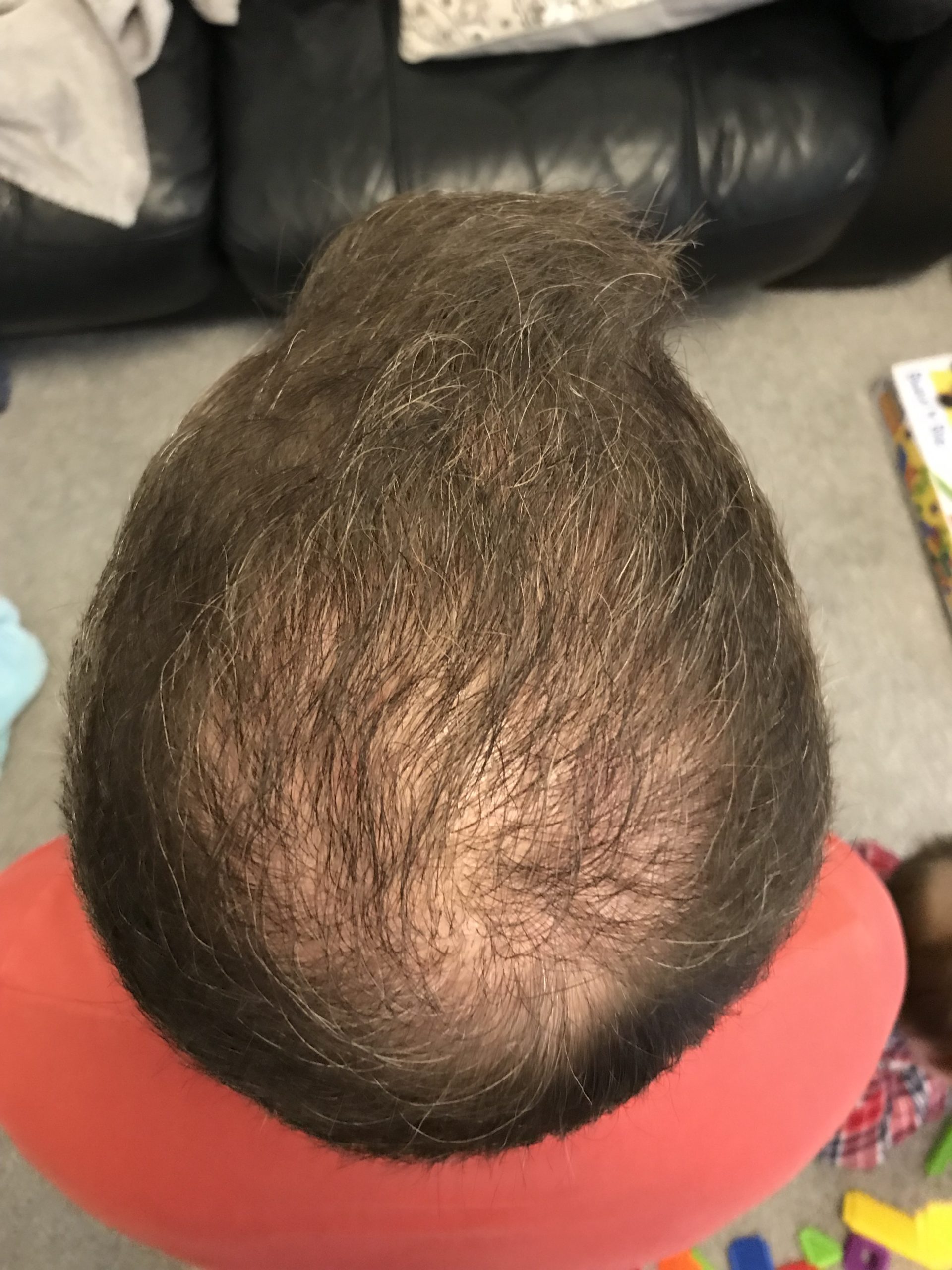 10 Months after the surgery.
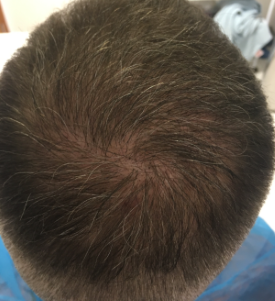 11 Months after the surgery.
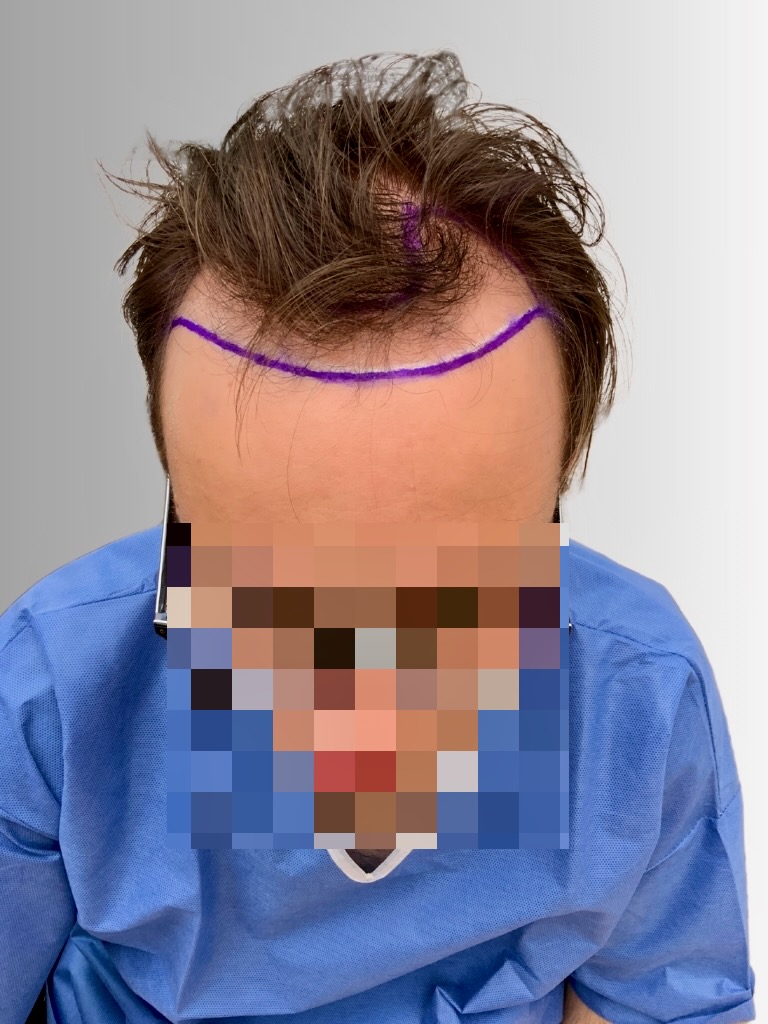 Before surgery
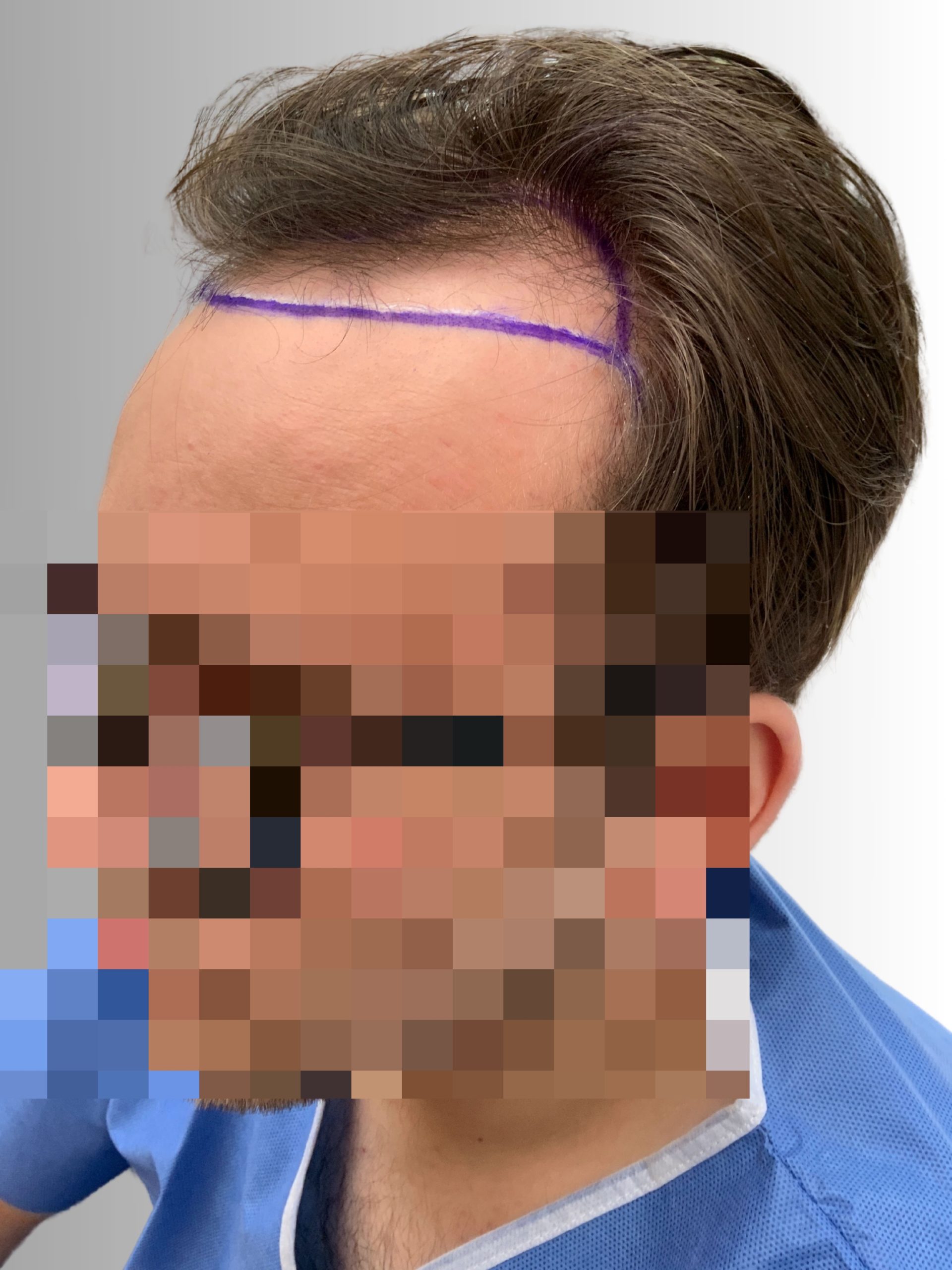 Before surgery
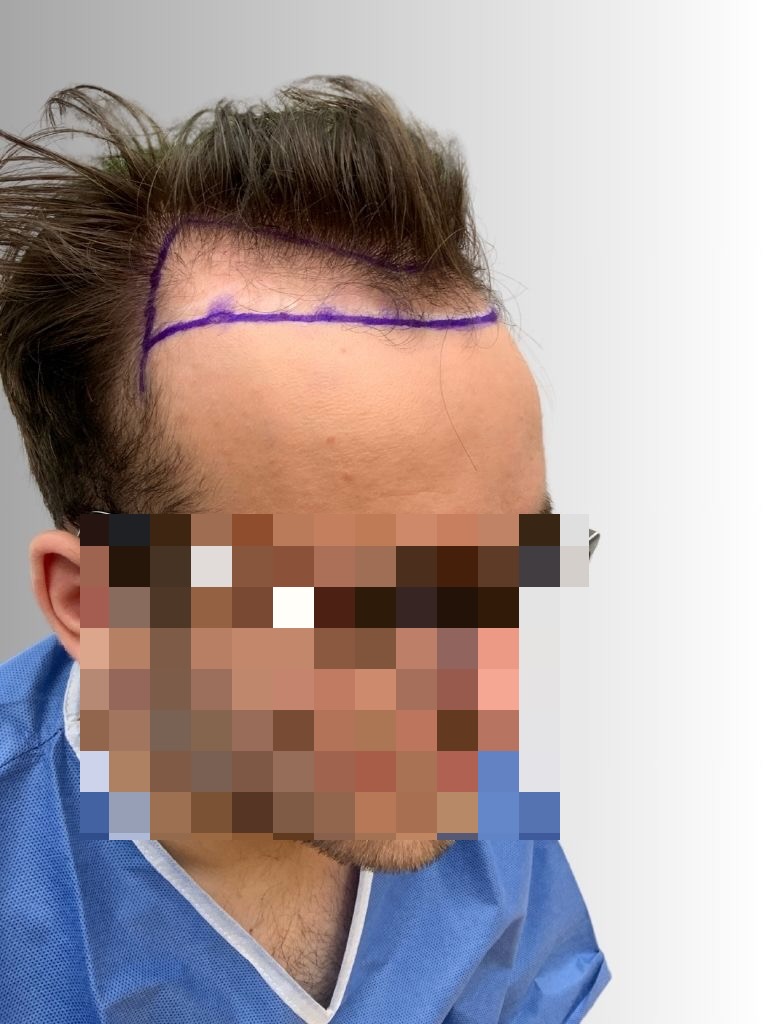 Before surgery
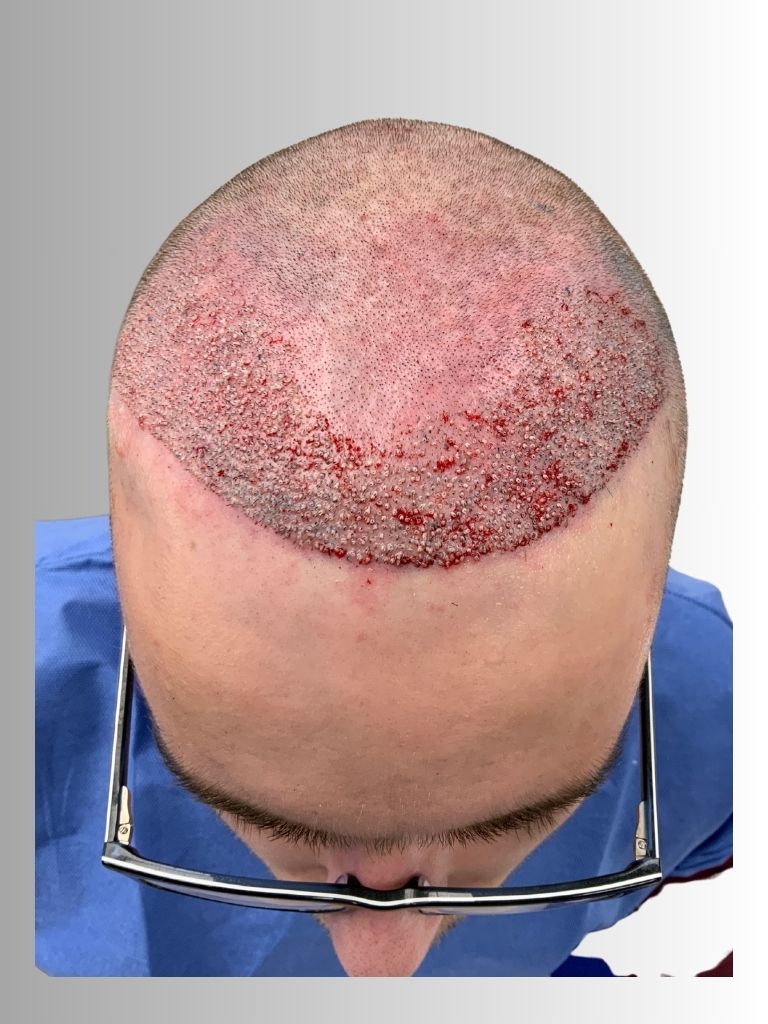 On the day of surgery
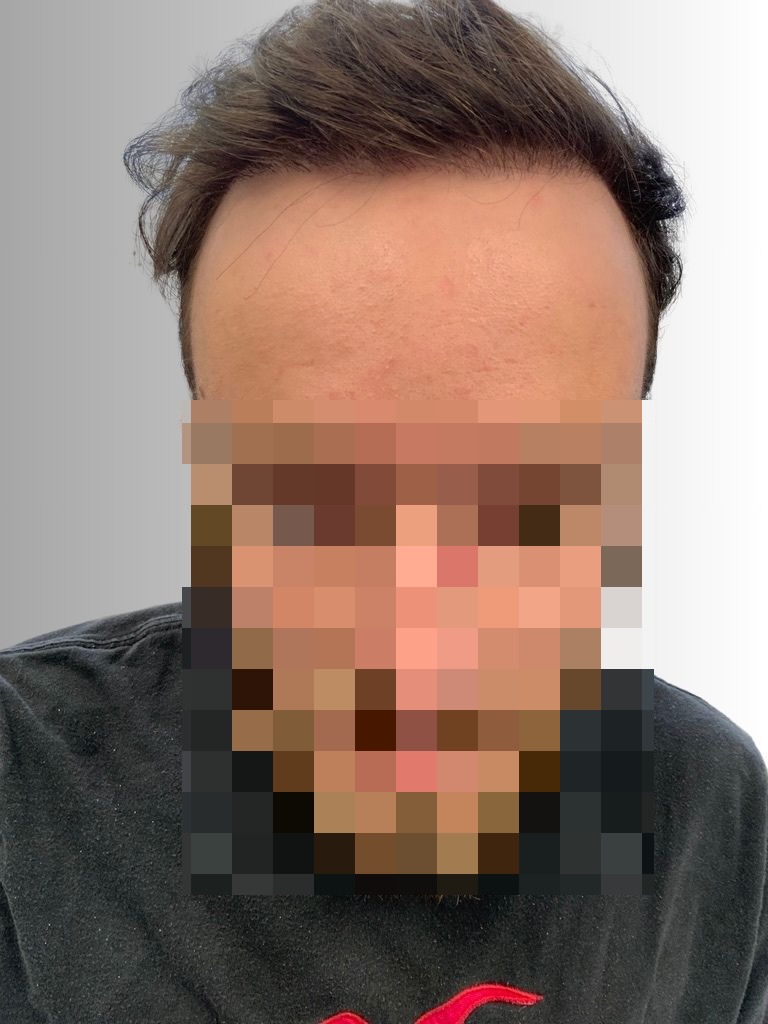 10 months after surgery.
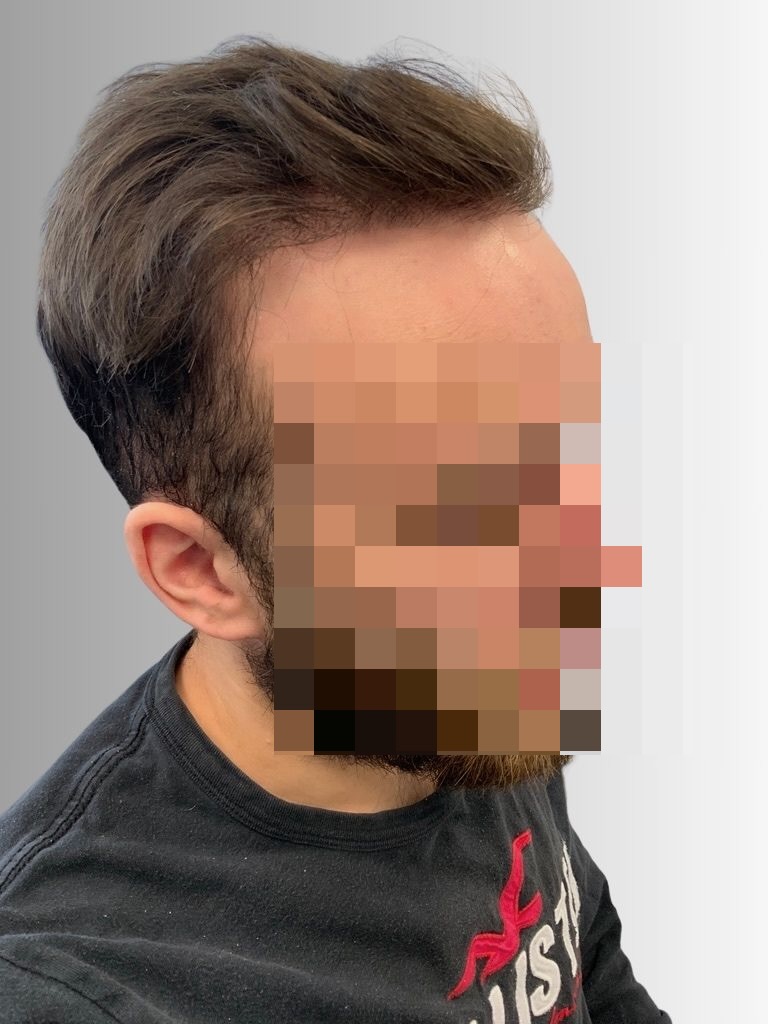 10 months after surgery.
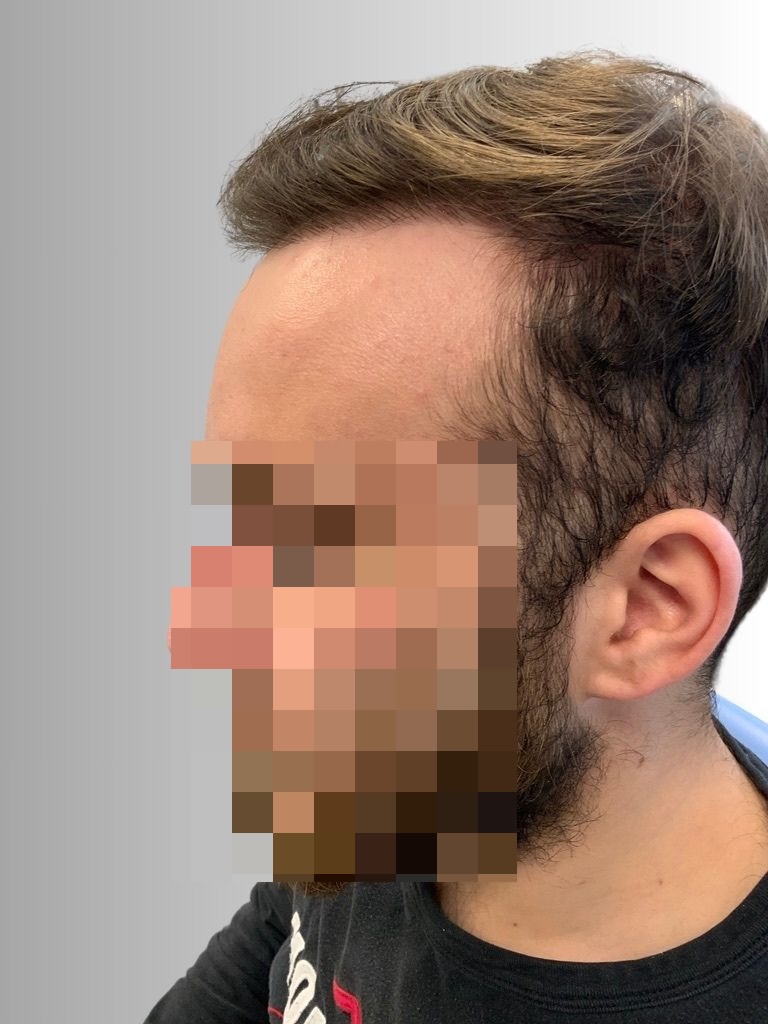 10 months after surgery.
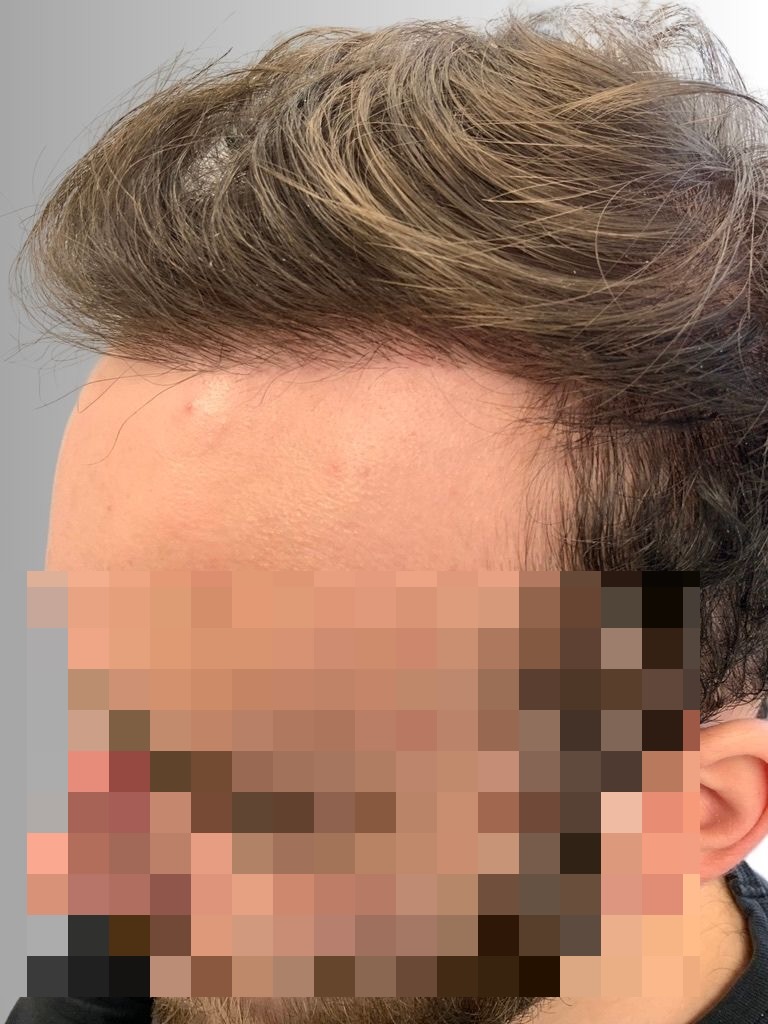 10 months after surgery.